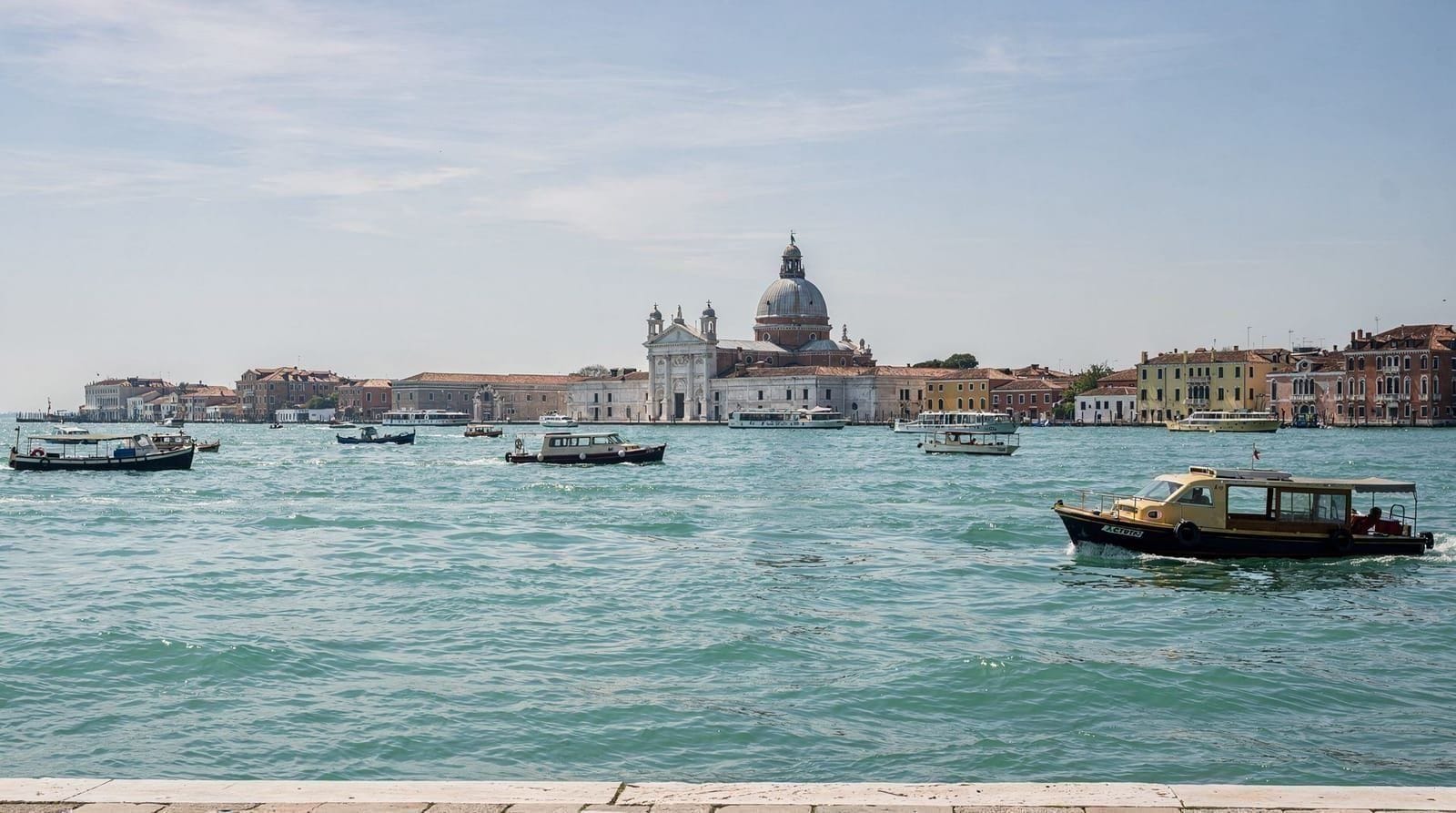
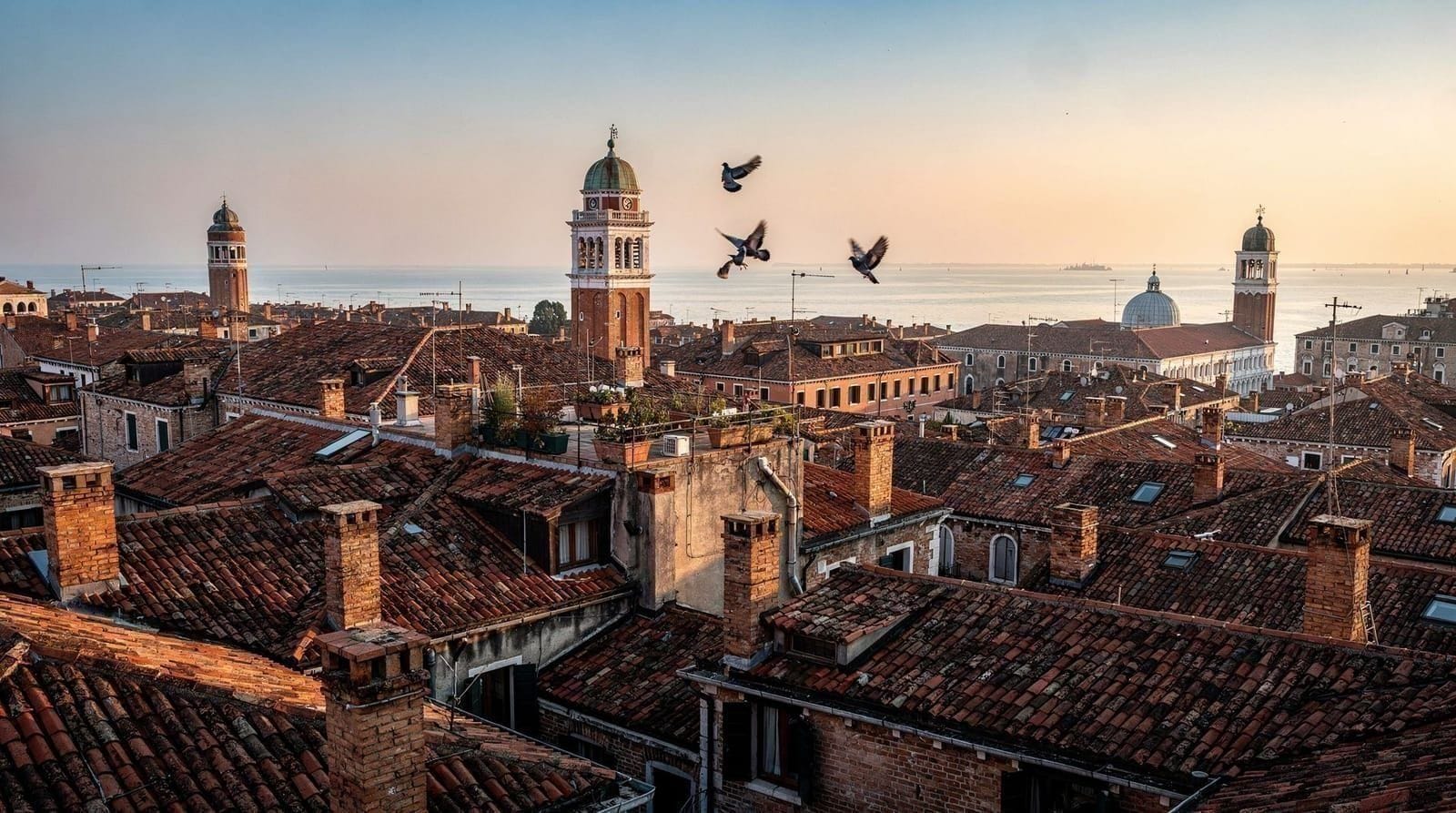
Venice in four days: the unhurried complete itinerary
Venice: Doge's Palace, prison and secret passageways tour
Why four days changes the Venice experience
Three days covers Venice adequately; four days covers it well. The extra day eliminates the compromise choices — the museum you skipped, the island you deferred, the neighbourhood you passed through too quickly. It also gives you Torcello, the forgotten island that predates Venice itself and that almost no casual visitor makes time for.
This itinerary covers Venice, Murano, Burano, and Torcello. Days one and two handle the main island; day three goes to Murano and Burano; day four goes to Torcello in the morning and gives the afternoon to wherever on the main island you most want to return to.
| Best for | First-timers wanting depth, culture travellers, repeat visitors |
| Total cost (excl. lodging) | Around €650–900 per person for four days |
| Getting around | On foot, plus a 72-hour vaporetto pass (€45) and single tickets on day 4 |
| Book ahead | St Mark’s Basilica, Doge’s Palace, island tour, Locanda Cipriani (if lunching on Torcello) |
| Best season | April–May or September–October |
Day 1: San Marco, Doge’s Palace, and Dorsoduro
Morning: the monuments
8:00am — Piazza San Marco
Arrive before the crowds. The piazza is a different place at 8am — the light is low, the stone still cold, the cafe chairs not yet unfolded. Walk the full perimeter, then cross to the Molo waterfront and look out across the Bacino di San Marco.
9:30am — St Mark’s Basilica
Pre-booked skip-the-line entry is essential. Allow 45–60 minutes for the main floor and the Pala d’Oro. The terrace level (separate ticket, about €7) gives you elevated views over the piazza from the loggia where the horses once stood — the originals are inside in a small museum, the outdoor horses are copies. Read the Basilica guide before you go.
St Mark’s Basilica skip-the-line ticket with audio guide10:30am — Doge’s Palace
One of Europe’s most important Gothic civic buildings, now a spectacular museum. The Secret Passageways tour (small group, 90 minutes) takes you through spaces closed to standard visitors — the attic prisons, the Council of Ten’s inner rooms, the torture chamber. Standard entry is also good and allows self-pacing.
Doge’s Palace Secret Passageways guided tourAfternoon: Dorsoduro
12:30pm — Lunch in Dorsoduro
Cross the Accademia bridge. Lunch at Osteria Enoteca Ai Artisti or Trattoria Cantinone Storico — both within 10 minutes of the Accademia museum.
2:00pm — Accademia gallery
Allow 2 hours for the Accademia — the core collection of Venetian painting from the 14th to 18th centuries. Bellini, Carpaccio, Titian, Tiepolo, and Canaletto. With four days you can actually look at paintings rather than rushing through them.
4:30pm — Peggy Guggenheim Collection
The second museum is easier to do on day one when you have the energy. The Peggy Guggenheim is compact (1.5 hours), entirely different in character from the Accademia, and the terrace facing the Grand Canal is one of the best spots in the city at golden hour.
6:30pm — Sunset aperitivo
Campo Santa Margherita or the Zattere waterfront. Spritz at sunset. This is not optional.
Evening
8:30pm — Dinner in San Polo
Walk to the Rialto area. For four nights you have room to try different parts of the city; tonight, eat near Campo San Polo. Osteria da Fiore (the neighbourhood’s finest, book ahead) or Trattoria alla Madonna for something more casual.
Day 2: Cannaregio, Castello, and deeper Venice
Morning: Cannaregio
9:00am — Jewish Ghetto
Take the vaporetto to Ferrovia and walk into Cannaregio. The Jewish Ghetto — the world’s first — is 15 minutes’ walk from the station. The museum and synagogue tours run regularly (about €12); the open square (Campo del Ghetto Nuovo) is accessible free at any hour.
10:30am — Fondamenta della Misericordia
Walk east along the canal-side fondamente. This is genuine residential Venice: corner bars, children’s play areas, boats unloading groceries. The architectural quality here is high — you are walking past 15th-century buildings that happen to be people’s homes.
11:30am — Madonna dell’Orto
One of Venice’s finest Gothic churches, containing Tintoretto’s largest canvases (The Last Judgment and The Adoration of the Golden Calf face each other across the apse). Entry via Chorus Pass or about €3 directly. The neighbourhood around it — the northern tip of Cannaregio — is among the quietest in the city.
Afternoon: Castello
12:30pm — Lunch in northern Castello
Cross into Castello via the Fondamente Nuove. Lunch around Campo Santi Giovanni e Paolo — several good mid-range restaurants in the streets to the north and east.
2:00pm — Zanipolo and the Scuola di San Marco
The basilica of Santi Giovanni e Paolo (Zanipolo) contains 25 ducal tombs and important paintings by Bellini and Titian. The adjacent Scuola Grande di San Marco (now a hospital entrance hall, free to enter) has one of Venice’s most dramatic Renaissance facades. Allow 1 hour.
3:30pm — Castello’s quiet eastern streets
Walk east from Zanipolo through San Francesco della Vigna (a Palladio church with a Bellini in the sacristy) toward the Arsenale walls and San Pietro di Castello. This is working Venice — almost zero tourist infrastructure, normal life, and the strange calm of a city whose noise is footsteps and water. The Castello guide has a detailed walking route.
5:30pm — Food tour in the evening
Alternatively, book a cicchetti food tour for the early evening — the best way to cover Venice’s bar-hopping culture with a guide who knows which bacari to prioritise.
Venice cicchetti street food and sightseeing walking tourEvening
8:00pm — Dinner in Cannaregio
Return to Cannaregio for dinner. Trattoria da Gigio (Fondamenta San Felice) is one of the best mid-range restaurants in the city — excellent Venetian seafood at €35–50 per person. Book ahead.
Day 3: Murano and Burano
Getting to the islands
8:30am — Depart from Fondamente Nove
Vaporetto Line 4.1 from Fondamente Nove reaches Murano in about 10 minutes. Or take an organised tour that covers both islands with a guide and a glassblowing demonstration.
Murano, Burano and Torcello half-day boat tour(If you take this tour, you will cover all three islands today — which shifts day four to being a free day on the main island. This is a valid option if your time is limited.)
Murano
9:00am — Glassblowing demonstration
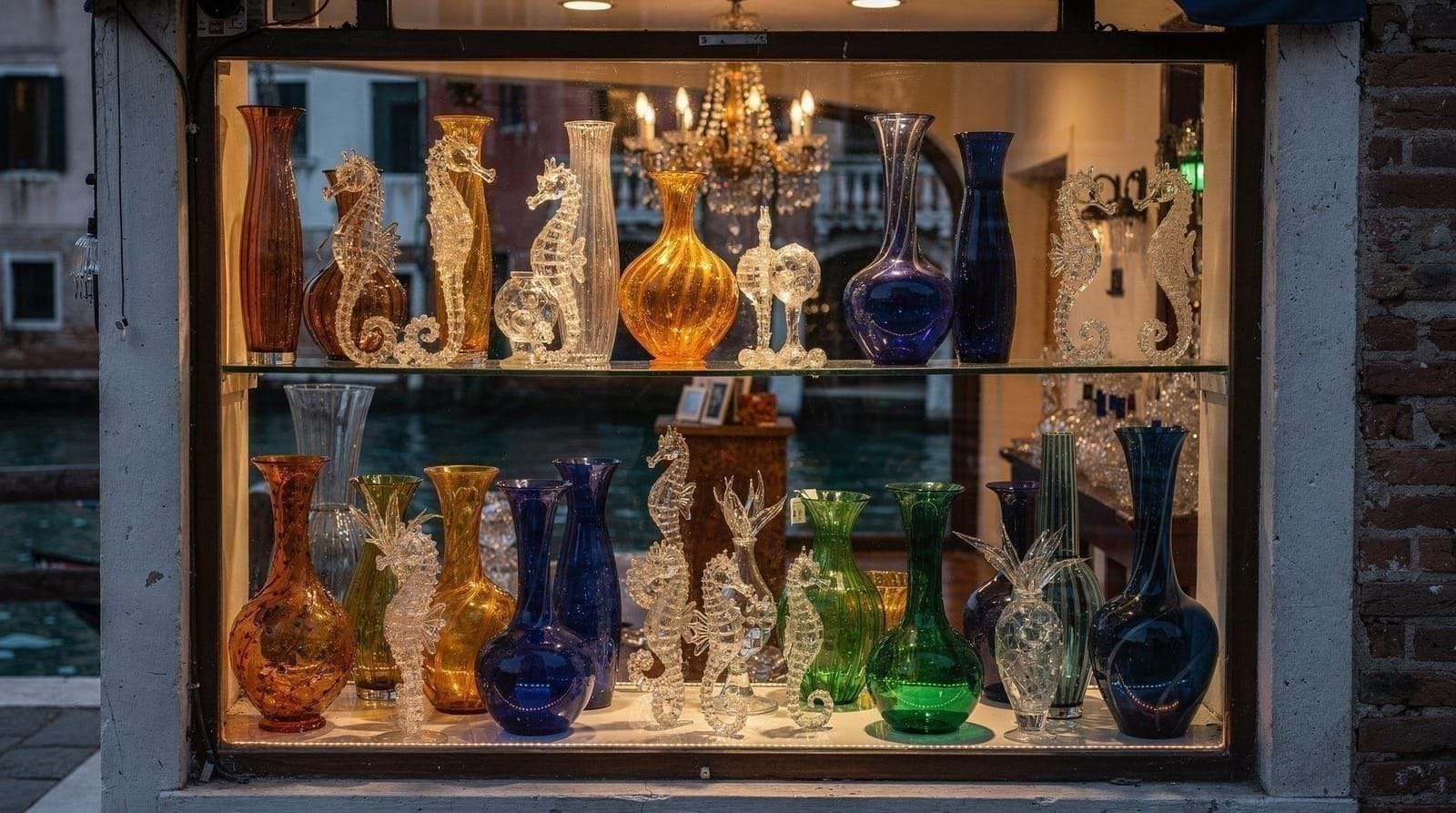
The working furnace demonstrations at Murano’s glass factories are among the most impressive artisan displays in Italy. The maestros shape molten glass in two minutes flat, creating forms that take years to perfect. Most factories offer free demonstrations with a visit to the showroom; there is no pressure to buy.
10:00am — Murano on foot
Walk the canal-side fondamente of Murano — the island has its own Grand Canal (Rio dei Vetrai), its own Gothic-Byzantine church (Santi Maria e Donato, extraordinary mosaic floor), and a glass museum in the Palazzo Giustinian. Read the Murano glass guide to understand what distinguishes genuine Murano pieces from copies.
11:30am — Boat to Burano
Line 12 connects Murano to Burano in about 25 minutes across the open northern lagoon. The crossing on clear days gives views of the Alps to the north.
Burano
12:00pm — Lunch in Burano
Burano has several excellent seafood restaurants. Trattoria da Romano (Via Galuppi 221) has been the island’s benchmark since 1890; Al Gatto Nero (Via Giudecca 88) is its rival. Both serve risotto di go (goby fish risotto), the local speciality. Book ahead — they are not large and fill up by 12:30pm. Budget €30–45 per person with wine.
2:00pm — Walk the coloured streets
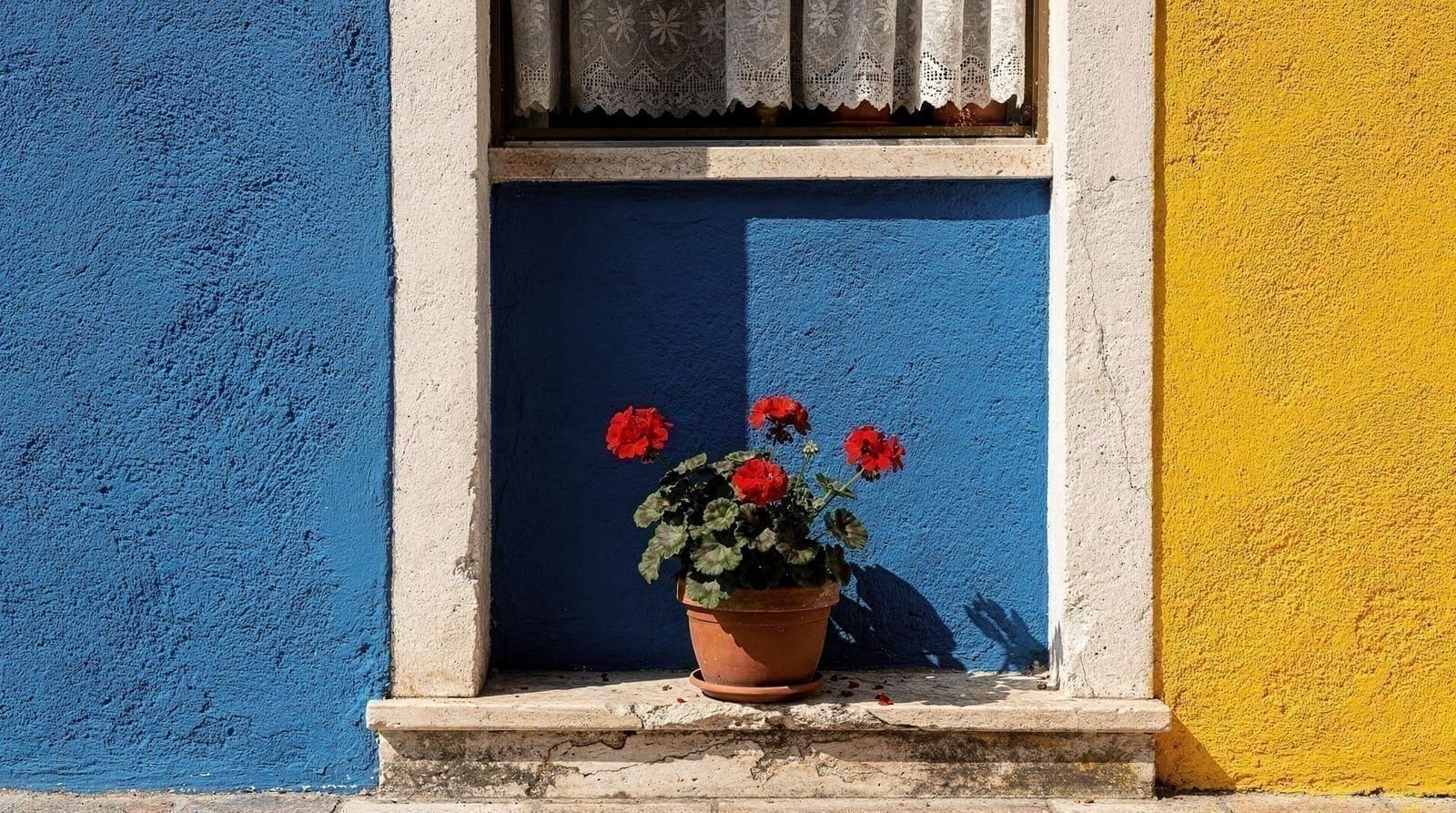
Allow 90 minutes to cover the island. Burano’s photography practically does itself — the pastel facades, the canals, the lace-making women sitting in doorways. The Museo del Merletto documents the lace tradition with beautiful examples going back to the 16th century.
4:00pm — Return to Venice
The crossing gives you the late afternoon light on the lagoon. Arrive at Fondamente Nove by 5pm.
Evening
7:00pm — Aperitivo on the Misericordia
Cannaregio canal-side. After a day on the water you want something cold and you want to sit down. The bars along the Misericordia deliver both.
8:30pm — Dinner
Tonight is the night for something special — four days in Venice justifies a better-than-usual dinner. Antiche Carampane (San Polo, near the Rialto) is one of the most celebrated restaurants in the city for Venetian seafood; book at least a week in advance. Or try Ristorante Riviera (Zattere, Dorsoduro) for a Grand Canal-adjacent setting at slightly lower prices.
Day 4: Torcello and a free afternoon
Day four belongs to Torcello in the morning and then to wherever your own preferences take you.
Morning: Torcello
8:30am — Depart for Torcello
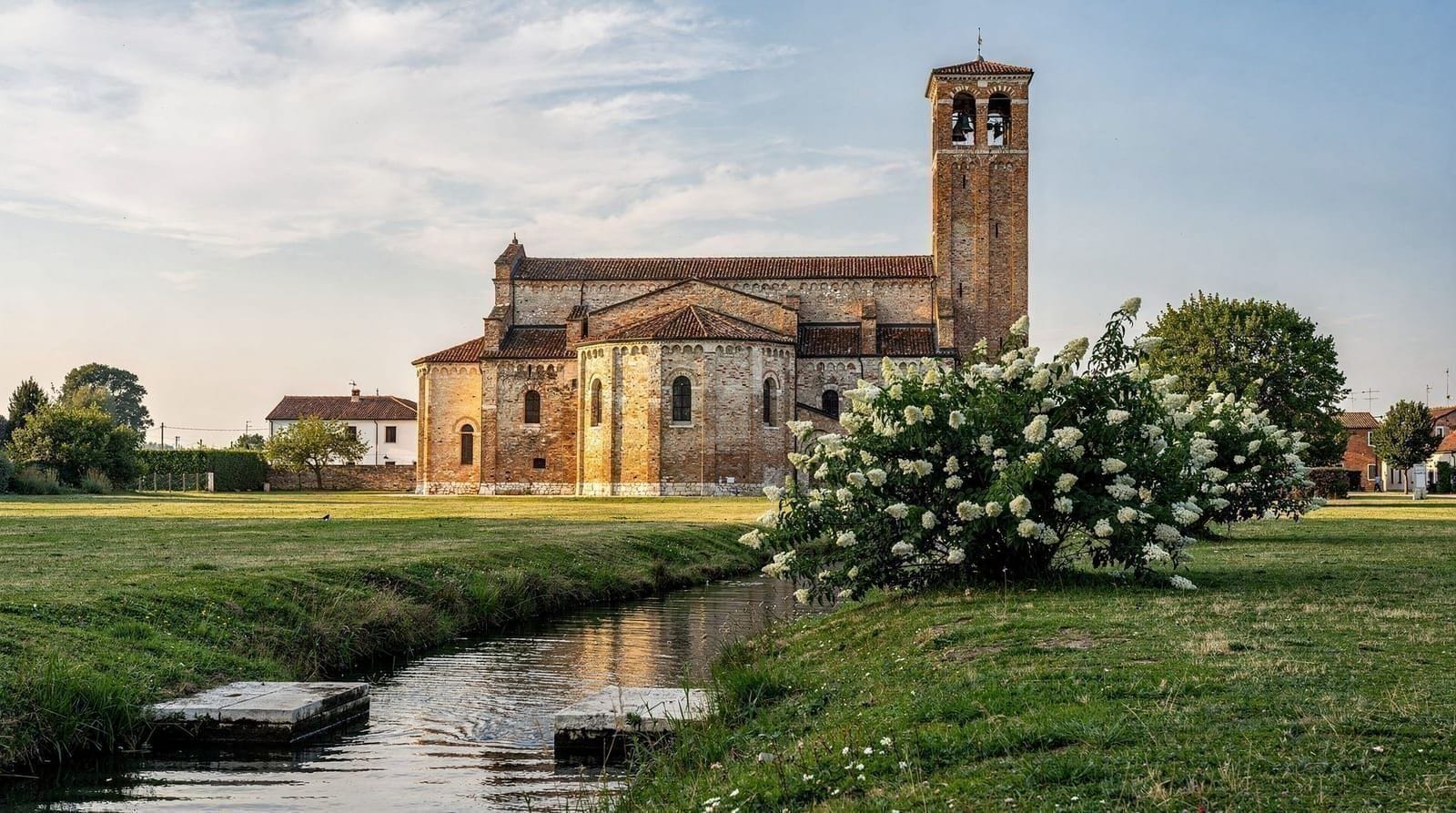
From Fondamente Nove, take Line 12 to Torcello — about 45 minutes with the Burano stop. The island has a population of roughly 10 people (it was Venice’s original settlement, with 20,000 inhabitants in the 14th century, abandoned as malaria and silting made it uninhabitable). What remains is two extraordinary churches, a museum, and complete quiet.
Torcello is one of the most profoundly atmospheric places in the Veneto. The Cathedral of Santa Maria Assunta contains the oldest mosaics in the Venice lagoon — a Last Judgment (11th–12th century) covering the west wall in extraordinary detail, and a golden Madonna in the apse that predates Venice itself. Admission is about €5.
The Church of Santa Fosca, next door, is a pre-Romanesque Byzantine structure that Hemingway wrote about and that has barely changed since the 11th century. Free entry. The octagonal portico is one of the most beautiful architectural spaces in all of Italy.
The Museo di Torcello (€3) holds artefacts from the island’s long history in a small building adjacent to the cathedral.
11:00am — Harry’s Bar Locanda Cipriani
The Locanda Cipriani on Torcello has been a famous retreat since the 1930s — Churchill and Hemingway both worked here (Hemingway wrote much of Across the River and into the Trees at a table here). Lunch on the terrace under a vine-covered pergola is expensive (€45–60 per person) but memorably civilised. Book ahead if you want to be certain of a table.
For something cheaper, there is a simple bar beside the museum that does sandwiches and coffee.
12:30pm — Return to Venice
The return crossing on Line 12 stops at Burano before reaching Fondamente Nove.
Afternoon: your own Venice
2:00pm — Whatever you didn’t do
By day four you know which Venice you missed. Options:
- The Lido: 15 minutes by vaporetto, with a proper beach, art deco architecture, and the Venice Film Festival venue
- San Giorgio Maggiore: Palladio’s great church on its own island, with an elevator to the top of the campanile for the best view in the lagoon (€8)
- La Fenice: the rebuilt opera house, tours available most afternoons (€12)
- The Scala Contarini del Bovolo: a hidden spiral staircase in San Marco that almost nobody knows about, with views over the rooftops
6:00pm — Final sunset
Find a vantage point: the Rialto bridge for the Grand Canal bend; the Punta della Dogana for the Bacino; the San Giorgio Maggiore campanile for the panorama. The best photo spots guide covers them with timing notes.
Final evening
8:00pm — Last dinner
Return to the restaurant that was best — or try the one you noticed and kept meaning to go to. Four evenings in Venice is enough time to develop loyalty to a particular bacaro; say goodbye to it properly.
What four days in Venice teaches you
There is a specific Venice competence that develops over three to four days. It is not fluency — that requires months or years. But it is a kind of orientation that makes the city navigable by instinct rather than by map. You stop reaching for the phone to check directions every five minutes. You notice when you have come out in the wrong campo and correct without anxiety. You develop a relationship with the vaporetto schedule that is not exactly confidence but is at least familiarity.
The more important development is perceptual. Venice’s famous light — the water reflecting the sky back upward, the buildings lit from two directions simultaneously, the way afternoon low light turns the Grand Canal palazzos from stone into something warmer — requires time to notice. In one day you are too busy navigating; by day four it is impossible to ignore.
There is also a social development. By day four you have a favourite bacaro and know what the barman looks like. You know which field sells decent coffee at non-tourist prices. You know which vaporetto stop to use for a route that two days ago you would have mapped on your phone. These minor competences are the beginning of understanding what Venice actually is — a city with residents, routines, and an economy that is not entirely tourism, even if it is mostly tourism.
The restaurant strategy for four days
Venice’s restaurant ecology is sharply stratified. The tourist-facing tier (restaurants within easy visual range of Piazza San Marco and the Rialto bridge) operates on a walk-up, non-returning customer model — the food is adequate, the prices are high, and the experience is indifferent. The second tier (restaurants known to Venice regulars and positioned in less traffic-heavy locations) is where Venice actually eats — better food, lower prices, and the experience of being in a real place rather than a tourist facility.
The restaurant traps guide is specific about which streets to avoid and what to look for in the ones you should find. The best bacari guide covers the standing cicchetti bars, which represent Venice’s most honest and most economical food tradition.
For four evenings, the strategy is: one evening in San Polo (Osteria da Fiore or Antiche Carampane, book ahead), one evening in Cannaregio (Trattoria da Gigio or Osteria alla Vedova), one evening as a cicchetti crawl from the Rialto north into Cannaregio, and one evening wherever the first three evenings suggest is missing.
Practical notes
72-hour vaporetto pass: Worth buying even though you have four days — use it for days 1–3, buy single tickets on day 4 (you will probably only need one or two). A full 4-day pass is not available; the 72-hour is the longest option.
What to book: Doge’s Palace, Basilica, Accademia (recommended), Locanda Cipriani if you want the Torcello lunch. The island tour is bookable via GYG or can be done independently by vaporetto.
Island visit without a tour: Lines 4.1/4.2 (Murano), 12 (Murano–Burano–Torcello). The vaporetto to islands guide has the full timetable and fare details.
This itinerary at a glance
| Day | Focus | Morning | Afternoon | Evening |
|---|---|---|---|---|
| Day 1 | San Marco + Dorsoduro | St Mark’s + Doge’s Palace | Accademia + Guggenheim | San Polo dinner |
| Day 2 | Cannaregio + Castello | Jewish Ghetto + Madonna dell’Orto | Zanipolo + eastern Castello | Cannaregio dinner |
| Day 3 | Murano + Burano | Glassblowing demonstration | Burano colours + lunch | Misericordia aperitivo + special dinner |
| Day 4 | Torcello + free choice | Cathedral mosaics + Santa Fosca | Lido, La Fenice or Scala Bovolo | Final dinner |
Building in rest without wasting a day
Four days of the pace above is genuinely tiring, and building in one slower half-day noticeably improves how the trip feels in memory. The easiest place to cut is day two’s afternoon — Castello’s eastern streets reward slow wandering more than a scheduled 90-minute block, so if energy is low, sit in Campo Santa Maria Formosa with a coffee instead of pushing to San Pietro di Castello. Nothing on this itinerary is time-critical except the pre-booked entries, so a slower afternoon on day two or the free afternoon on day four absorbs fatigue without cutting anything essential. The avoiding crowds guide has more on which sights reward a slower pace versus a scheduled visit.
Where to base yourself for four nights
Cannaregio and San Polo remain the strongest choices for a longer stay — both are close to the Fondamente Nove vaporetto stop you need repeatedly for the island days, and both put a genuine residential neighbourhood on your own doorstep for the quiet mornings. Dorsoduro suits art-focused travellers well, given how much time days one and two spend near the Accademia and Guggenheim. Whichever sestiere you choose, four nights is long enough that the daily walk to and from your hotel becomes part of how you learn the city, so weigh that against pure proximity to San Marco. See the where to stay guide for a full sestiere-by-sestiere comparison.
Extending into the wider Veneto
Four days based entirely in Venice is thorough, but it is also the natural point where a Veneto day trip starts to make sense — the FAQ below covers adding Verona or Padua on day two or three. If the wider region interests you more than a single extra day allows, our seven-day Venice and Veneto itinerary builds this same four-day core and adds Verona, Padua, and the Prosecco hills around Valdobbiadene as a natural continuation, rather than requiring you to replan from scratch.
Frequently asked questions about this four-day Venice itinerary
Is Torcello worth a half-day when I only have four days total?
Yes — it is unlike anything else in the Venice lagoon and adds almost no cost. The cathedral mosaics are among the finest early medieval artworks in Italy. The island takes 2.5 hours maximum and the boat journey is pleasant in itself.
Can I combine days 3 and 4 island visits into one full lagoon day?
You can, but it makes for a very long and tiring day (Murano + Burano + Torcello back to back is 8–9 hours of travel and walking). The organised full-day island tour does exactly this, with a guide to keep the logistics smooth.
What if I want to add Verona or Padua as a day trip?
With four days based in Venice, you can add one Veneto day trip on day two or three — leaving Venice at 8am by train and returning by 7pm. Verona is 75 minutes by regional train. Padua is 35 minutes. See the dedicated Venice-Verona-Garda five-day itinerary if the Veneto is a serious interest.
What is the Lido and is it worth visiting?
The Lido is a barrier island forming the outer edge of the Venice lagoon — 15 minutes by vaporetto from San Marco, with a proper beach, 1920s hotels, and the Venice Film Festival venues. It is worth an afternoon in summer (July–August) for the beach; less interesting in other seasons. Read the Lido guide.
Which day should I use for a slower pace?
Day two’s afternoon in Castello is the easiest to slow down without losing anything essential — the eastern streets reward wandering more than a fixed schedule. Day four’s free afternoon is the other natural pressure valve, since it has no fixed itinerary by design.
Is four days enough to properly see Murano, Burano and Torcello?
Yes, if you keep Torcello on its own morning as this itinerary does. Combining all three islands into a single day (as the organised tour does) works but is tiring; splitting Torcello onto day four, as here, gives each island proper time without rushing.
Top experiences
Bookable activities with verified prices and instant confirmation on GetYourGuide.