Venice, Verona and Lake Garda: the 5-day itinerary
From Venice: Verona, Sirmione & Lake Garda with boat cruise
Five days covering three of Italy’s greatest destinations
Venice, Verona, and Lake Garda form a natural triangle in northeast Italy — roughly 120km between Venice and Verona, 30km from Verona to Garda’s eastern shore. This itinerary connects them efficiently, using Venice as the base for the first two days and then moving west by train or car to Verona and the lake.
| Where | Venice, Verona, Sirmione, Lake Garda |
| Duration | 5 days |
| Cost | Mid-range; Verona and Garda run cheaper than Venice for food |
| Getting around | Trenitalia between cities; car optional from day 3 onward |
| Best time | April–June or September–October; avoid peak Garda crowds in August |
The itinerary is honest about distances: you cannot cover all three destinations in five days without one or two long days. Day three is the big day — the organised tour from Venice to Verona, Sirmione, and Lake Garda covers 300km round-trip and runs about 12 hours. If that is too much, an alternative split is used: two nights in Venice, one night in Verona (closer to Garda), and two days exploring the lake.
Both approaches are covered below. The car option opens up Lake Garda’s western shore and the Valpolicella wine region between Verona and the lake.
Day 1: Venice — the essential landmarks
Morning: San Marco
8:00am — Piazza San Marco
The logistics of the broader itinerary mean you have two Venice days; use day one for the non-negotiable landmarks.
St Mark’s Basilica at 9:30am with pre-booked skip-the-line entry. Allow 45 minutes. The interior is one of the most extraordinary spaces in Italy — golden Byzantine mosaics covering the entire ceiling. Pre-booking is essential; the walk-up queue in any season can be 60–90 minutes.
Doge’s Palace follows. The Secret Passageways tour is the best option for small-group context; standard entry is also excellent.
Doge’s Palace Secret Passageways guided tourAfternoon: Dorsoduro and the Grand Canal
1:00pm — Lunch in San Polo or Dorsoduro
Cross the Accademia bridge. Lunch at Osteria Enoteca Ai Artisti or similar. €20–30 per person.
2:30pm — Peggy Guggenheim or Accademia
With only two Venice days, choose one art museum. The Peggy Guggenheim is faster and has a better terrace; the Accademia is deeper and more Venetian. Allow 1.5–2 hours.
5:00pm — Gondola on the smaller canals
Book a shared or private gondola in Dorsoduro — the most scenic routes go through the smaller canals away from the Grand Canal traffic.
Shared gondola ride across the Grand Canal7:00pm — Aperitivo in Campo Santa Margherita, then dinner in San Polo
Osteria da Fiore (book ahead) or Antiche Carampane for a special dinner. The Rialto bacari for budget.
Day 2: Venice — islands and Cannaregio
8:30am — Murano and Burano by vaporetto
Take Line 4.1 from Fondamente Nove to Murano for the glassblowing demonstrations. Line 12 from Murano to Burano for the coloured houses and lagoon seafood lunch (Trattoria da Romano, book ahead). Return to Venice by 4pm.
5:30pm — Cannaregio aperitivo
The Fondamenta della Misericordia at dusk. Spritz and cicchetti at the canal-side bars. This is the best possible way to spend a second evening in Venice.
8:00pm — Dinner in Cannaregio
Trattoria da Gigio (Fondamenta San Felice). Mid-range, excellent seafood, good wine list. Book ahead.
Day 3: Venice to Verona and Lake Garda (the big day)
This is the logistically heaviest day — a loop from Venice covering Verona in the morning and Lake Garda and Sirmione in the afternoon. It can be done by organised tour (most convenient) or by train and local connections (more flexible, more tiring).
Option A: organised tour (recommended)
The organised tour from Venice covers Verona (city walk, Arena di Verona) in the morning and Lake Garda with a boat cruise and Sirmione in the afternoon. Departs Venice around 7:30am, returns around 8pm. Total time approximately 12 hours.
Verona, Sirmione and Lake Garda with boat cruise — day trip from VeniceThis is the most efficient option. The tour handles the logistics of connecting Venice-Verona by coach and Verona-Garda-Sirmione by coach and boat.
Option B: train and independent
7:45am — Regional train Venice to Verona (75 minutes)
Trenitalia runs regional trains roughly every 30 minutes; the Frecciargento high-speed takes 65 minutes but costs more. Arrive at Verona Porta Nuova station by 9am.
9:00am–1:00pm — Verona
Verona is one of Italy’s most beautiful smaller cities — a UNESCO World Heritage Site with a Roman amphitheatre, medieval squares, and the dubiously verified Romeo and Juliet sites that nonetheless draw millions of visitors.
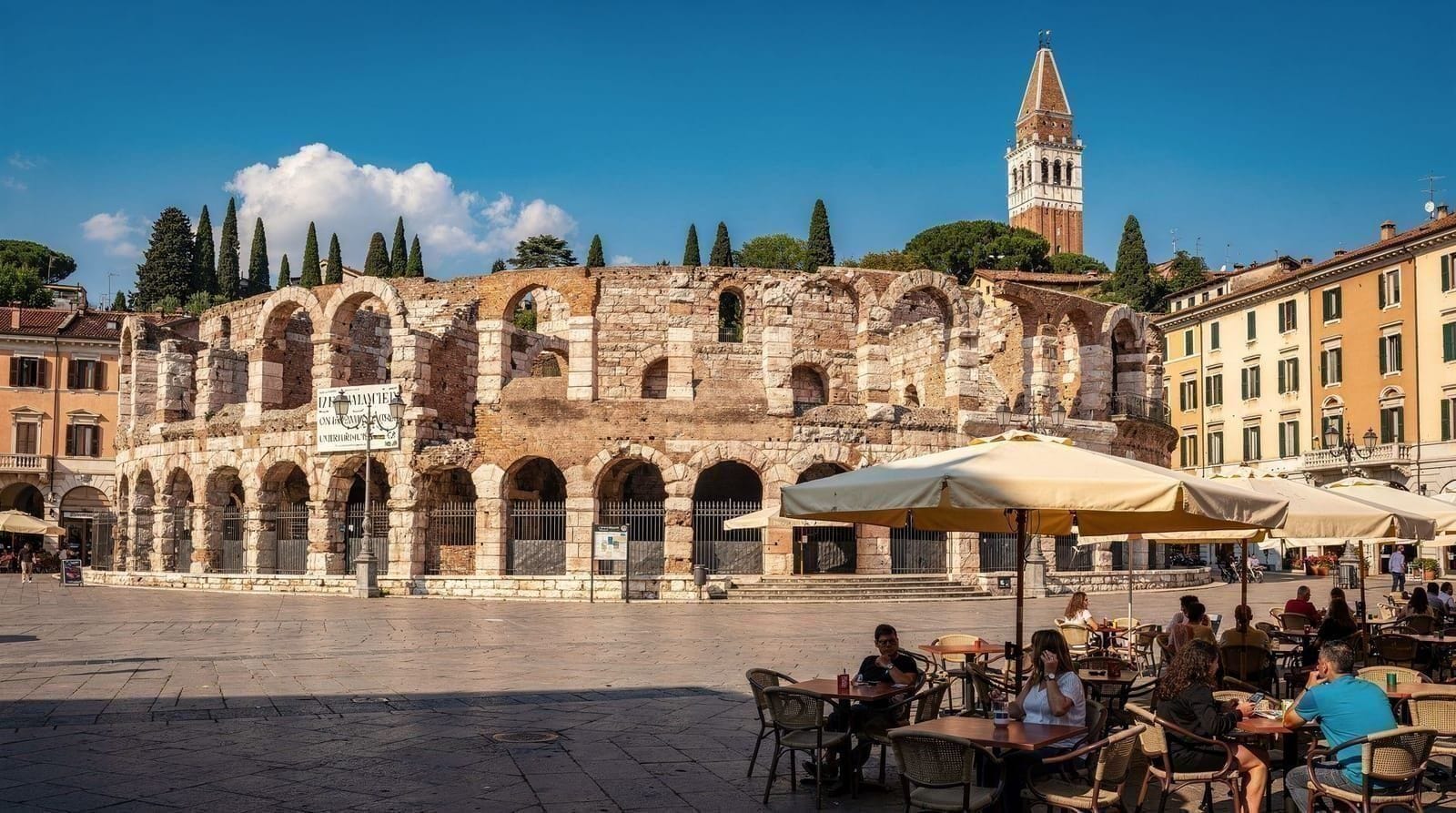
The Arena di Verona (the Roman amphitheatre, built 1st century AD) is Verona’s centrepiece. Entry €12 for the standard ticket; the guided tour with skip-the-line access is a better option. From late June to early September, the Arena hosts one of the world’s great open-air opera seasons (the 2026 season runs 12 June–12 September) — a night at the opera here is a legitimate once-in-a-lifetime experience.
Verona highlights walking tour with Arena priority accessWalk the medieval core: the Piazza delle Erbe (the Roman forum, now a market square), the Piazza dei Signori (the civic centre), Juliet’s House (Casa di Giulietta — the balcony is a tourist construction but the courtyards have romantic energy regardless), and the Castel San Pietro hill for panoramic views over the city and the Adige river bend.
1:30pm — Lunch in Verona
Verona has excellent restaurants at prices lower than Venice. Ristorante Il Desco and Locanda 4 Cuochi are the top tables. For casual lunch: the Piazza delle Erbe has outdoor cafes; Osteria Dal Zovo (Vicolo San Marco) does Veronese home cooking at reasonable prices. Budget €20–35 per person.
3:00pm — Bus or taxi to Lake Garda (30km, 45 minutes)
Bus connections from Verona to Peschiera del Garda (south Garda, on the Trenitalia line) run regularly. For Sirmione, there are direct buses from Verona bus station. With a car (day hire), the drive takes 30 minutes.
3:30pm–6:30pm — Sirmione and Lake Garda
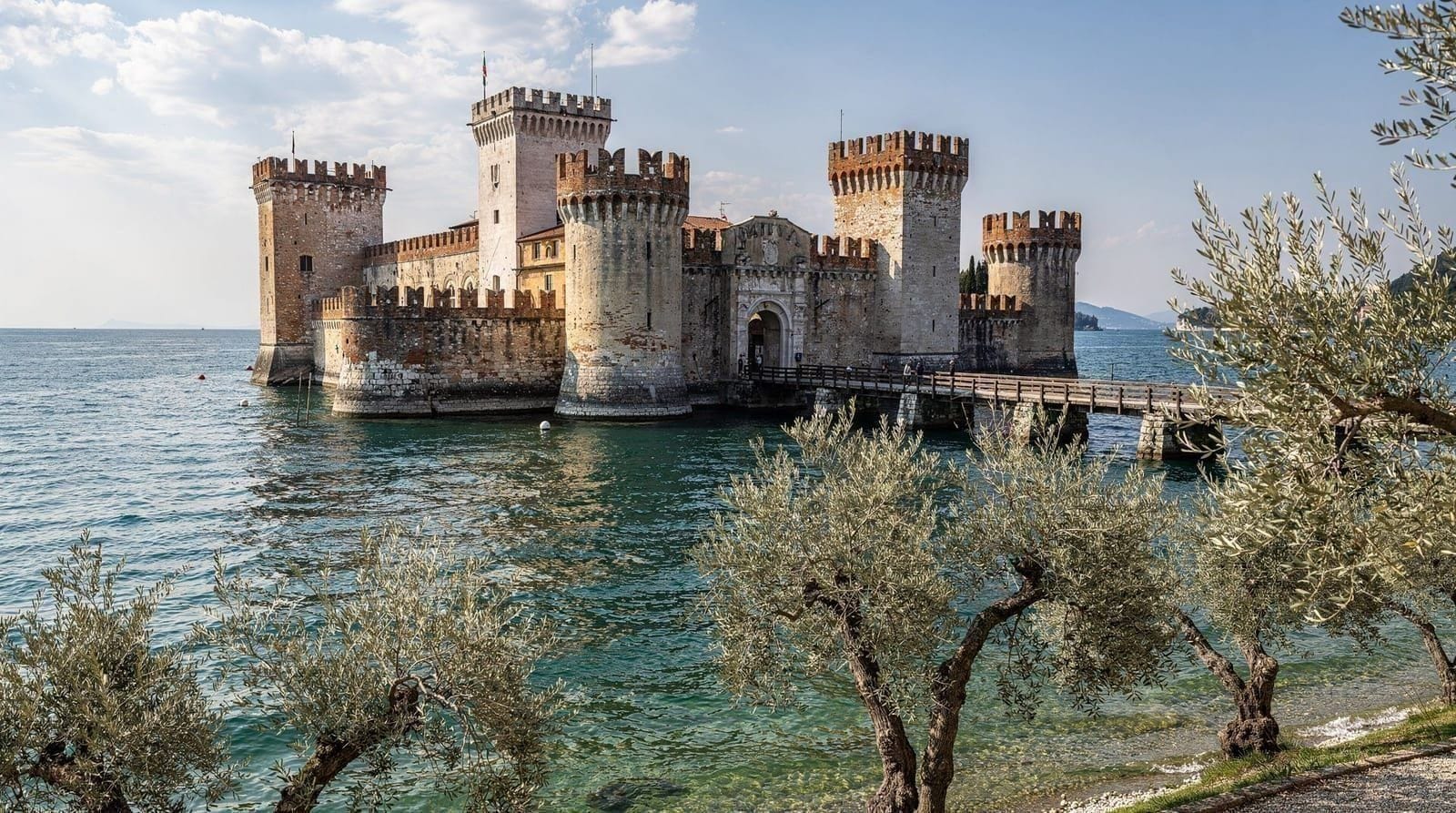
Sirmione is a narrow peninsula extending 4km into the south end of Lake Garda — a medieval castle at the entrance to the old town, Roman ruins (Grotte di Catullo) at the far tip, and thermal spa hotels throughout. The Scaliger Castle (€8 entry) guards the only road into the old town and has tower views over the lake. The Roman ruins are genuinely extensive and set above the water.
The lake itself is worth a boat crossing — the Consorzio Navigazione Lago di Garda runs ferries between the major ports. Even a short crossing (Sirmione to Desenzano, 15 minutes) gives the best view of the lake.
7:30pm — Return to Venice by train
From Peschiera del Garda station (5km from Sirmione) by bus or taxi, Trenitalia to Venezia Santa Lucia — approximately 75 minutes. Evening in Venice.
Day 4: Verona or Garda overnight (split option)
If you want more time on Lake Garda, a better structure is:
- Nights 1–2: Venice
- Night 3: Verona city centre hotel
- Night 4: Lake Garda (Sirmione or Bardolino/Garda town on the eastern shore)
- Night 5: Return to Venice or depart from Verona/Milan
Morning: Verona at leisure
The Juliet balcony, the Roman theatre (Teatro Romano), the Sant’Anastasia basilica (Pisanello fresco inside). Verona’s day trip guide has the full walking route.
Afternoon: Lake Garda exploration
The eastern shore of Lake Garda (closest to Verona) has the historic ports of Lazise, Bardolino, and Garda town. All are accessible by bus or car. Bardolino is the wine production area for the Bardolino DOC red wine (light, local, excellent with fish from the lake). Garda town has a good beach and less tourist infrastructure than Sirmione.
Valpolicella detour (with car):
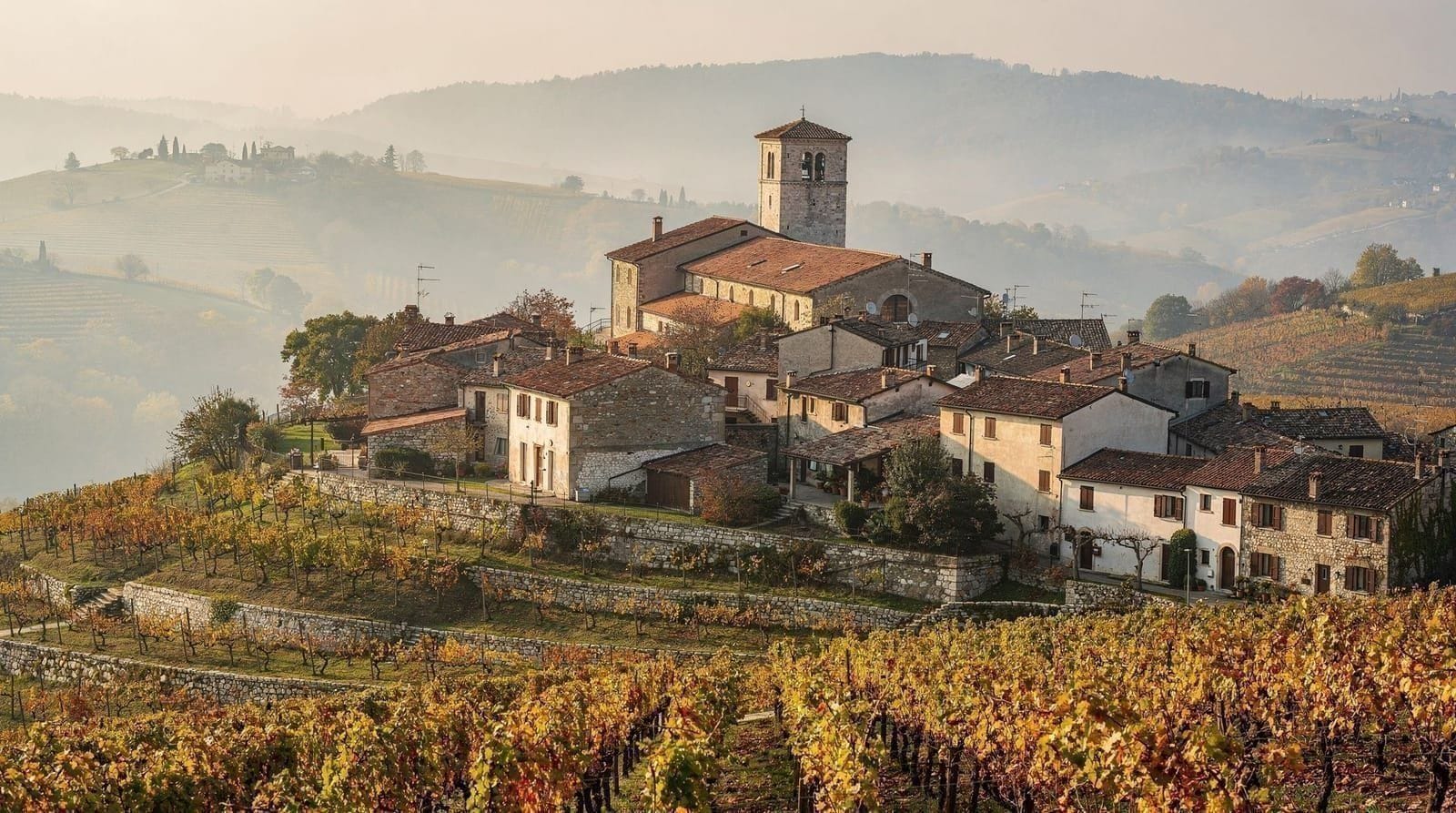
The Valpolicella wine zone — home of Amarone, Ripasso, and the lighter Valpolicella — is 15km north of Verona. A half-day driving the wine route and stopping at a winery for an Amarone tasting is one of the best wine experiences in Italy. Several operators run tours from Verona.
Day 5: return to Venice or Verona departure
Morning: Garda or Vicenza
If you based on the lake, the fifth day can include Vicenza — Palladio’s home city, 50km east of Verona and 75km west of Venice, with a clutch of UNESCO-listed Renaissance buildings including the Teatro Olimpico (the oldest surviving Renaissance theatre in the world).
Afternoon: return
Venice Santa Lucia or Verona Porta Nuova for onward connections. Flights from Marco Polo (Venice) or Catullo (Verona) airport.
Logistics: train vs car
By train:
- Venice–Verona: €15–30 depending on train type and booking in advance
- Verona–Peschiera del Garda (for Sirmione connection): €4 regional
- Well-connected, no parking stress, less flexible for Garda lake shores
By rental car (days 3–5):
- Day hire in Verona: €40–70/day
- Opens up Valpolicella, western Garda shore, Vicenza
- Essential if you want flexibility; unnecessary if you are sticking to the main sites
If taking the organised tour from Venice on day three, a car is not needed for that day.
Understanding the destinations before you arrive
Venice
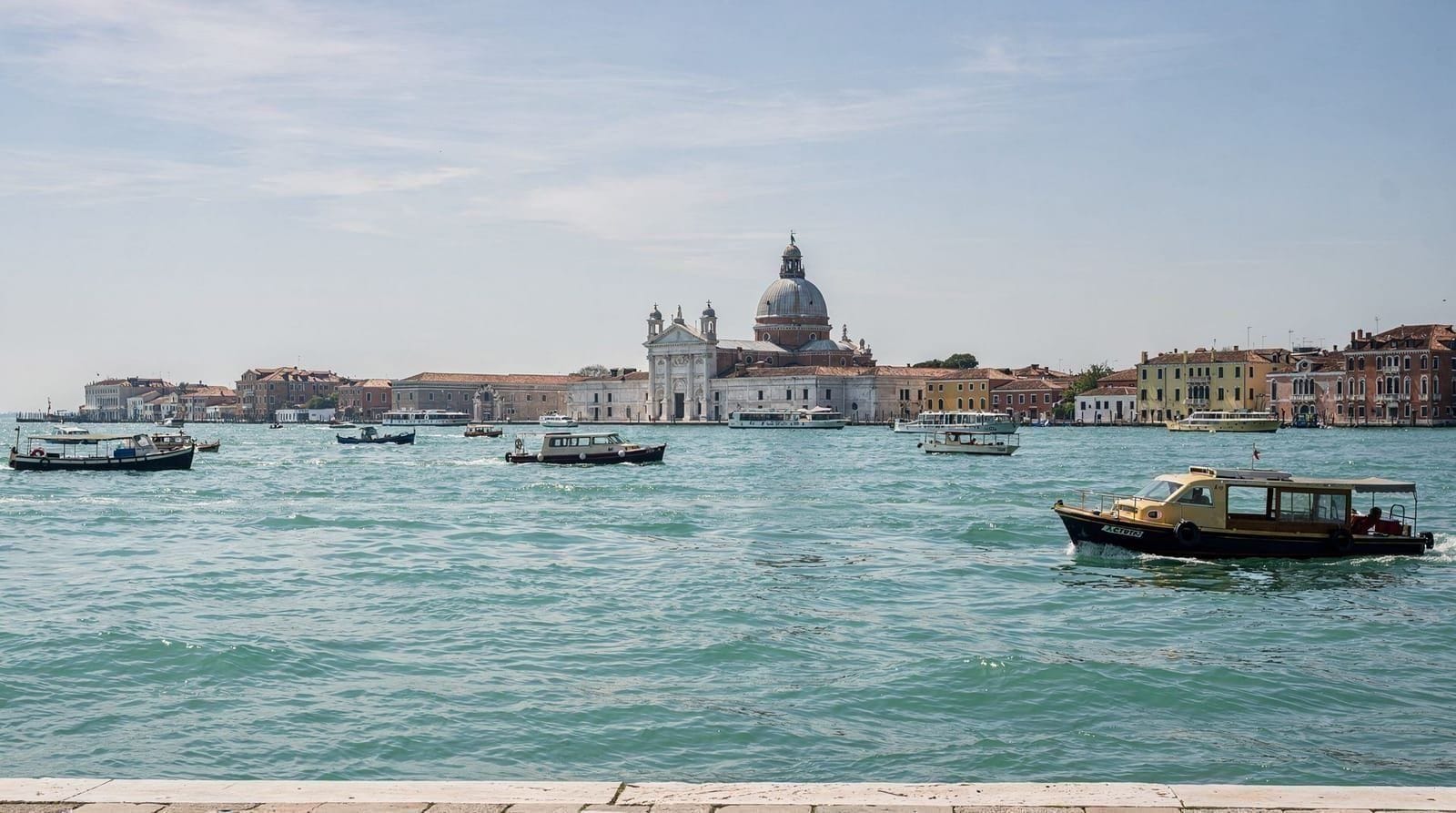
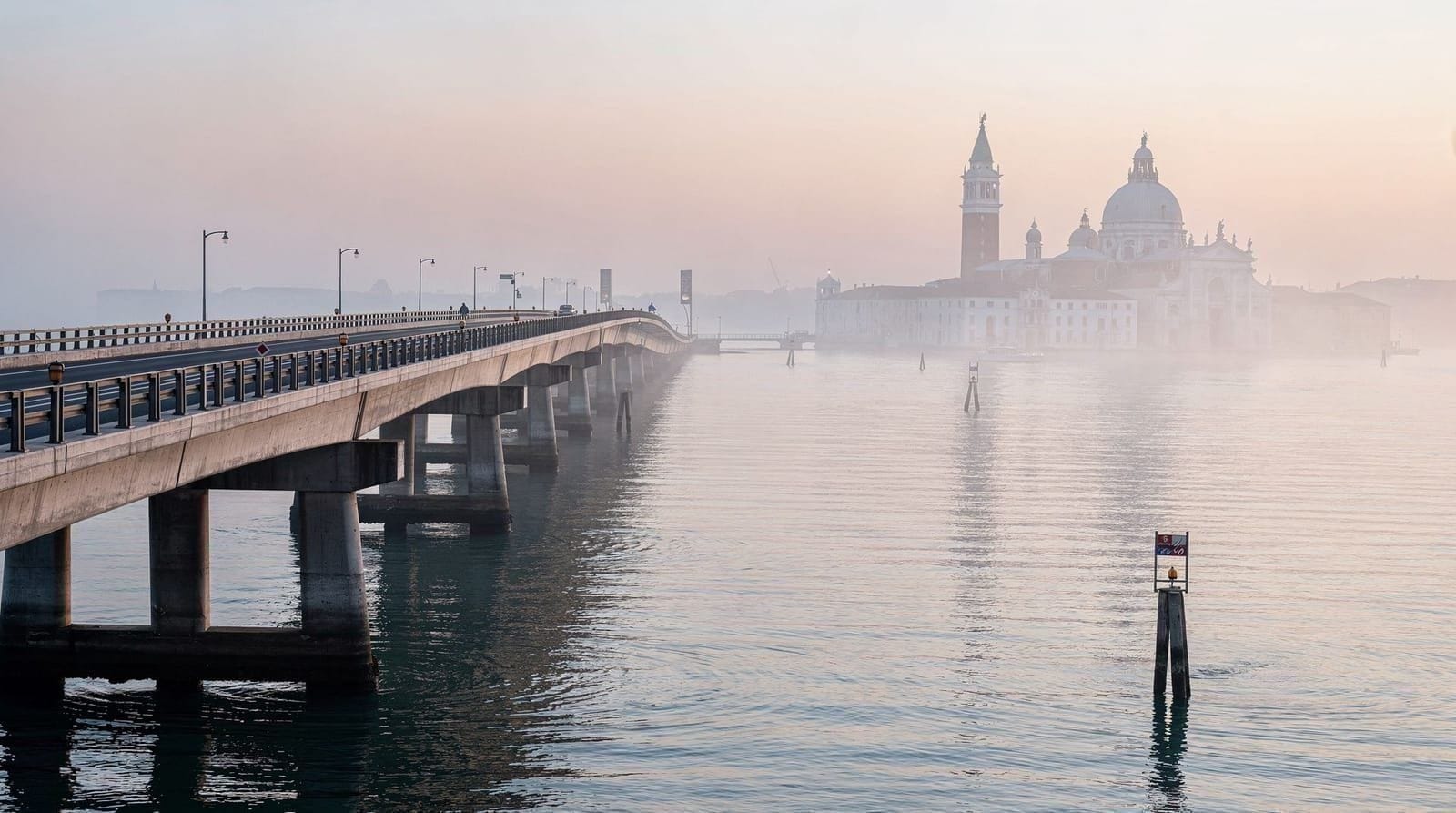
Venice is built on 118 islands in the middle of a lagoon, connected by 400 bridges and 170 canals. The entire historic centre is a UNESCO World Heritage Site. It has no cars; everything moves by boat or on foot. The population of the historic centre has declined from around 180,000 in 1950 to approximately 50,000 today — the daily tourist population now exceeds the resident population on most days of the year. The city’s survival as an inhabited place rather than a pure museum is the defining urban planning challenge of the early 21st century.
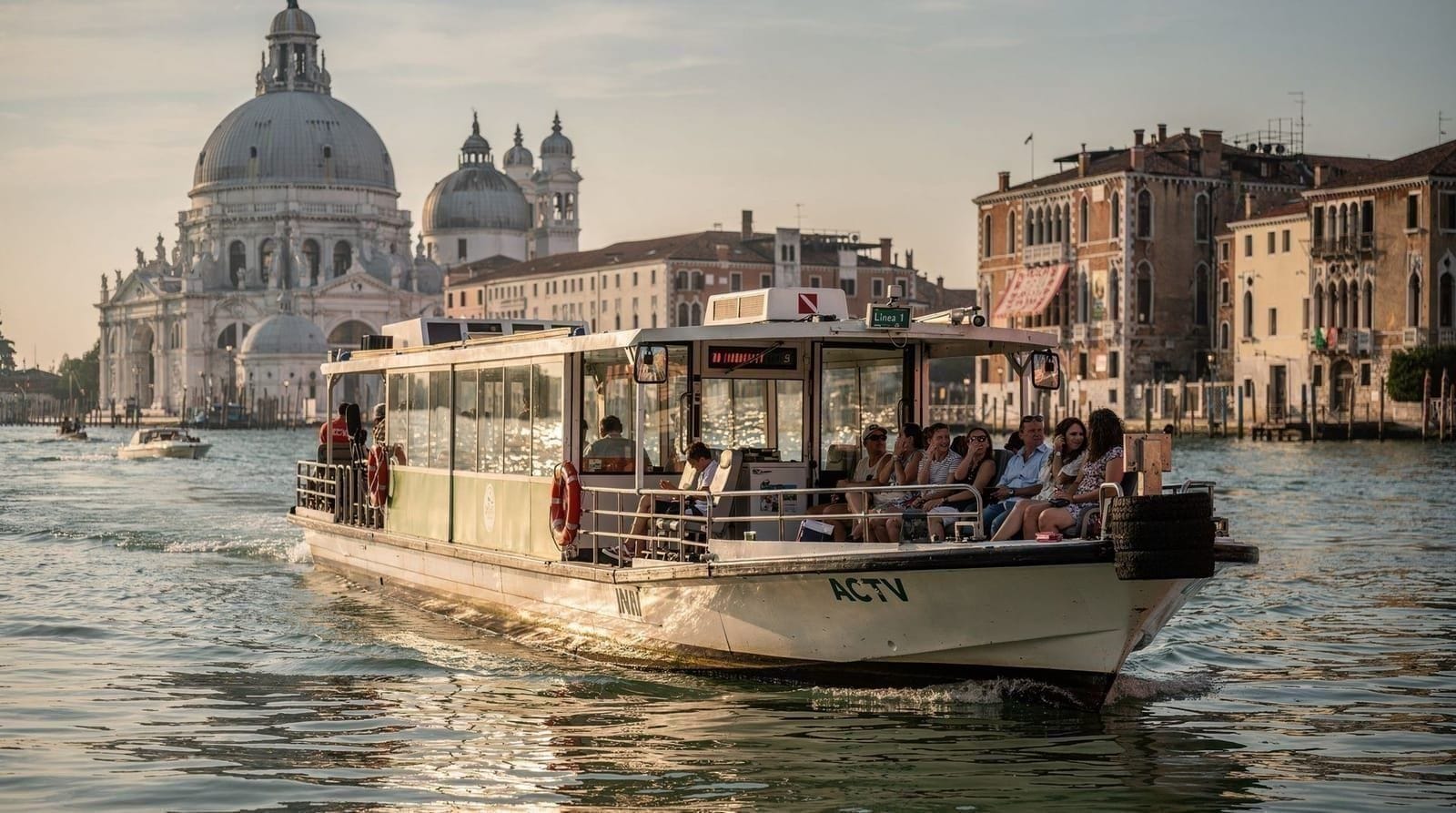
Logistically: the main island is approximately 4km end-to-end and 2.5km wide. Walking across it in any direction takes 30–45 minutes. The vaporetto (water bus) is the main public transport; a single fare is €9.50 for 75 minutes, a day pass €25.
Verona
Verona is one of Italy’s most beautiful smaller cities — a UNESCO World Heritage Site since 2000, with 2,000 years of continuous urban settlement visible in its fabric. The city sits at the bend of the Adige river in the Veneto plain, 75 minutes from Venice by regional train.
The Arena di Verona (first century AD) is the third-largest Roman amphitheatre in the world and still used for opera performances. The medieval piazzas (Piazza delle Erbe, Piazza dei Signori) form one of Italy’s finest civic ensembles. The Shakespeare-adjacent Romeo and Juliet sites — Juliet’s House with the famous balcony (a 20th-century tourist addition), Romeo’s purported house, the alleged tomb — attract millions of visitors who are generally not put off by the historical ambiguity.
Verona also produces the Veneto’s great red wines: Amarone, Ripasso, and Valpolicella Classico come from the wine zone north and west of the city. See the Valpolicella wine guide if wine tourism is part of the agenda.
Lake Garda
Lake Garda is Italy’s largest lake — 52km long, 18km wide, and shaped roughly like a finger pointing south. The northern end is mountainous and dramatic, the southern end is flatter and resort-heavy. The lake’s microclimate (sheltered by the Alps to the north, open to the Po plain to the south) allows olive trees and lemon orchards at 45 degrees north latitude.
Sirmione is the southern Garda destination most accessible from Verona — a 4km peninsula extending into the lake, crowned by the 13th-century Scaliger Castle and ending at the Roman ruins of Grotte di Catullo. The town between these two monuments is now a high-traffic tourist strip, but the geology and history are extraordinary.
The practical case for this combination
Venice-Verona-Garda is the most coherent multi-destination itinerary in northeast Italy because the three places are genuinely complementary rather than just geographically close:
- Venice for the unique urban experience — canals, Byzantine art, maritime history
- Verona for the classical and medieval heritage — a Roman amphitheatre still in use, medieval civic architecture, Shakespeare’s backdrop
- Lake Garda for the physical landscape — a large inland sea ringed by mountains, with boat crossings and thermal baths
The contrast between Venice’s lagoon (flat, misty, maritime) and the Garda landscape (mountainous edges, clear alpine water) reinforces why seeing both in one trip is more rewarding than extending either alone.
Practical notes
Contributo di Accesso: Applies on Venice peak days. Not applicable in Verona or Garda.
Arena di Verona opera: The 2026 season runs 12 June–12 September. Tickets from €28 (cheap stone seats, bring a cushion) to €200+ (stalls with seat). Book at arenaverona.it well in advance — performances sell out months ahead.
Lake Garda in peak season: Sirmione in July–August is extremely crowded. If visiting in summer, arrive by 9am before the coach tour groups and leave by 2pm. Spring (April–May) and autumn (September–October) are significantly more pleasant.
Sirmione thermal baths: The Terme di Sirmione (thermal spa complex) requires advance booking for day access — from €30 for basic access, €60+ for treatments. Worth planning ahead if thermal bathing is a priority.
The logistics of moving between destinations
Train connections: Venice to Verona regional trains run roughly every 30 minutes throughout the day from Venezia Santa Lucia station (on the island, directly on the Grand Canal) to Verona Porta Nuova. The Frecciargento (high-speed) takes 65 minutes; the regional train takes 75–80 minutes. Buy tickets at the station or on trenitalia.com. The price difference between regional and high-speed is €5–15 depending on timing — both are comfortable.
Verona to Peschiera del Garda (the Garda stop on the Trenitalia mainline) takes 15 minutes and costs €3–4. From Peschiera, a bus or taxi (15 minutes, €12) reaches Sirmione. Alternatively, a private taxi from Verona to Sirmione costs €35–45 and takes 30 minutes.
Luggage strategy: If staying in Venice for days 1–2, then moving to Verona/Garda for days 3–4, pack a small day bag for the day trip and leave large luggage at your Venice hotel’s storage. Most hotels hold bags for the day even after checkout. Alternatively, left-luggage facilities at Venezia Santa Lucia station (€6/bag) and Verona Porta Nuova station handle bags for day storage.
Car rental for Garda flexibility: Pick up a rental car at Verona Porta Nuova station on day 3 (major rental companies including Hertz, Europcar, and Avis have desks there), use it for the Garda/Sirmione afternoon, and return it the next morning. Cost approximately €50–70 for the day plus fuel. This gives access to the lake’s western shore and the Valpolicella wine zone that public transport does not reach.
Accommodation base options:
- Venice for all 5 nights: simplest logistics, requires one long day trip to Verona + Garda
- Venice (2 nights) + Verona (1 night) + Sirmione (1 night) + Venice departure: more flexibility, requires luggage movement between hotels
- Venice (2 nights) + Lake Garda (2 nights) + return: the lake-based option, good for combining water activities with culture
The single-base option (Venice throughout) is the most common and works well if the organised day tour handles the Verona-Garda logistics on day 3.
The five days at a glance
| Day | Focus | Overnight |
|---|---|---|
| 1 | Venice — San Marco, Doge’s Palace, Dorsoduro | Venice |
| 2 | Venice — Murano, Burano, Cannaregio | Venice |
| 3 | Verona city centre, then Sirmione and Lake Garda | Venice (or Verona) |
| 4 | Verona at leisure, or Lake Garda exploration (split option) | Verona or Garda |
| 5 | Vicenza (optional) and departure | — |
Sirmione vs the eastern shore: which Garda base wins
If the split option on day 4 appeals — spending a night actually on the lake rather than doing it all as a day trip — the choice comes down to Sirmione or the eastern shore towns of Bardolino, Lazise, and Garda town. They suit different priorities.
| Sirmione | Eastern shore (Bardolino/Lazise/Garda) | |
|---|---|---|
| Character | Peninsula town, castle, Roman ruins, thermal spa | Historic ports, wine country, quieter |
| Crowds in summer | Very high — arrive before 9am or after 4pm | Moderate — noticeably calmer than Sirmione |
| Signature experience | Terme di Sirmione thermal baths | Bardolino DOC wine, lakeside walks |
| Access from Verona | Bus or train via Peschiera, then short transfer | Bus or car; less train-direct |
| Best for | A short, spa-focused overnight | A relaxed one or two nights with wine tasting |
Sirmione wins for a single dramatic overnight with a thermal bath session built in — it’s more crowded but more immediately rewarding for a short stay. The eastern shore wins if the goal is genuinely slowing down for a night, with wine rather than ruins as the draw; Bardolino’s town beach and DOC wine bars are a real contrast to Sirmione’s tourist density in peak season.
How this compares to the seven-day Veneto itinerary
If five days starts to feel tight once you’re actually planning it, our seven-day Venice and Veneto itinerary covers the same Venice and Verona ground but replaces the single big Garda day with dedicated days for Padua’s Scrovegni Chapel and Vicenza’s Palladian architecture, trading lake time for UNESCO fresco cycles and Renaissance theatre. Choose the five-day plan here if the physical landscape of Lake Garda — mountains, boat crossings, thermal water — matters more to you than additional art history; choose the seven-day version if two more UNESCO sites are worth two more days away from the water.
Venice city pass — bundles museum and transport costs across your two Venice days before heading westFrequently asked questions about this itinerary
Is it better to do Verona as a day trip from Venice or stay overnight?
As a day trip, Verona works well — 75 minutes by train, enough time to cover the main sites. Staying overnight in Verona gives you the evening atmosphere (which is excellent) and easier access to Lake Garda the next morning. If budget or time is limited, do Verona as a day trip. If you want Lake Garda properly, stay one night.
Can I do this itinerary without a car?
Yes — Venice, Verona, and the main Garda sites (Sirmione, Peschiera) are all accessible by train and local bus. The organised day tour from Venice handles the Verona-Garda connection most conveniently. You need a car only for the western Garda shore, Valpolicella, and Vicenza detours.
What is Lake Garda like compared to Venice?
Very different — Lake Garda is a resort lake with beaches, ferry boats, olive groves on the slopes, and a more relaxed, holiday atmosphere. Venice is intense, beautiful, and tiring. Most visitors find the contrast energising: two days of urban walking, then two days of lake air and boat crossings.
Can I see Arena di Verona opera on a five-day trip?
Yes, if you time it right. The performance evenings are typically Tuesday, Thursday, Friday, and Saturday. Book well in advance at arenaverona.it. Allocate a full evening (performances start at 9pm and finish midnight–1am). The experience is one of the great outdoor music events in Europe.
How much extra time does Sirmione add to a Verona day trip?
Approximately 2 hours. Bus from Verona to Sirmione is 45 minutes each way; the old town and castle take 1–1.5 hours. If you are doing a Verona day trip from Venice, adding Sirmione makes for a 12-hour day minimum — which is manageable but tiring. The organised tour covers both destinations with logistics handled.
Should I choose Sirmione or the eastern shore of Lake Garda?
Sirmione if you want a single dramatic overnight with a thermal spa session and don’t mind the crowds — it’s the more immediately rewarding, more visited option. The eastern shore (Bardolino, Lazise, Garda town) is quieter and better suited to a relaxed one or two nights with wine tasting rather than sightseeing.
Is this itinerary better than the seven-day Veneto version?
They serve different priorities rather than one being better. This five-day plan gives more time to Lake Garda’s physical landscape; the seven-day Veneto itinerary trades that lake time for Padua’s Scrovegni Chapel and Vicenza’s Palladian architecture. Choose based on whether the lake or two extra UNESCO sites matters more to you.
Top experiences
Bookable activities with verified prices and instant confirmation on GetYourGuide.