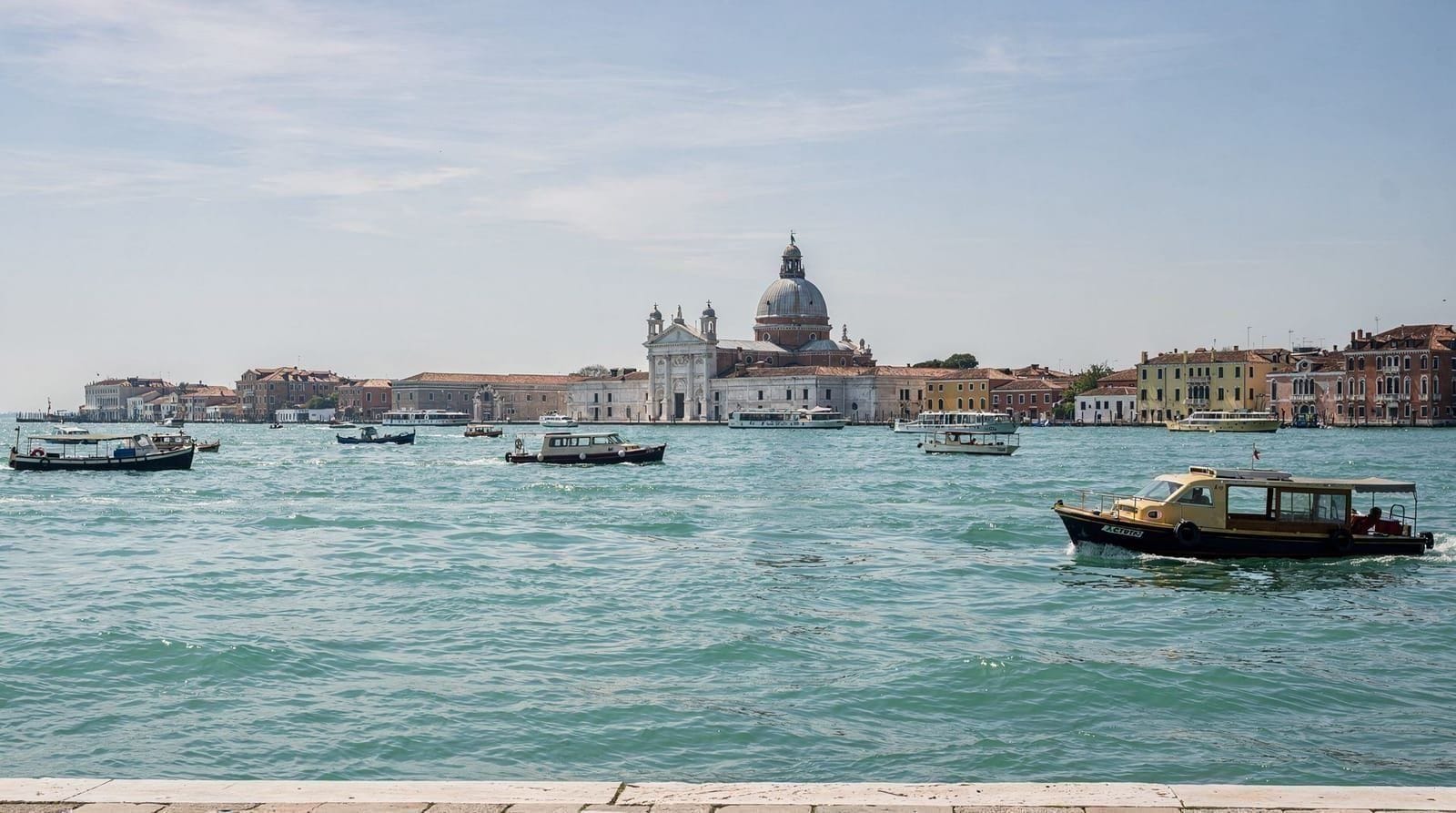
Venice and the Veneto: the 7-day complete itinerary
From Venice: Verona, Sirmione & Lake Garda with boat cruise
What a week in the Veneto actually covers
The Veneto is not a backdrop for Venice — it is one of the most culturally and historically rich regions in Italy, with five UNESCO World Heritage Sites spread across five distinct cities. Venice is the most famous of them, but Verona’s Arena, Padua’s Scrovegni Chapel frescoes, Vicenza’s Palladio legacy, and the Prosecco hills landscape each deserve their own day.
| Where | Venice, Verona, Padua, Vicenza, Prosecco hills (Conegliano–Valdobbiadene) |
| Duration | 7 days |
| Cost | Mid-range; allow more in Venice, notably less in Verona and Padua |
| Getting around | Trenitalia between cities; a rental car for the Prosecco hills day |
| Best time | April–June or September–October for weather and manageable crowds |
This seven-day itinerary treats the Veneto as a connected region, not as a collection of day trips from Venice. Days one and two are Venice; day three goes to Verona and Lake Garda; day four goes to Padua; day five goes to Vicenza and the Prosecco hills; days six and seven complete Venice at a slower pace, covering what the first two days could not.
A car is listed as required (withCar: true) because it unlocks the Valpolicella wine zone near Verona, the Brenta Riviera villas between Padua and Venice, the Prosecco road between Conegliano and Valdobbiadene, and the smaller Veneto towns that trains do not serve well. The major cities (Venice, Verona, Padua, Vicenza) are all accessible by Trenitalia.
Day 1: Venice — the essential foundations
Morning: San Marco
8:00am — Piazza San Marco before the crowds
A week in the Veneto begins here, because not beginning it here would be foolish. The piazza at 8am is one of the best free experiences in Italy.
St Mark’s Basilica at 9:30am with pre-booked skip-the-line entry. Allow 45–60 minutes. The Pala d’Oro (€5 supplement) is the Byzantine altarpiece covered in gold and precious stones that the doges spent 600 years assembling — worth the addition. The terrace level (€7) gives elevated views over the piazza.
Doge’s Palace follows. With a full week, you have time for the Secret Passageways tour — the most detailed and intimate way to experience the building.
Doge’s Palace Secret Passageways — the best option for in-depth visitorsAfternoon: Dorsoduro
1:00pm — Cross to Dorsoduro
Dorsoduro for the afternoon. With a week, you can do both the Accademia and the Peggy Guggenheim — one today, one later in the trip. Start with the Accademia gallery for 2 hours: Bellini, Carpaccio, Titian, Tintoretto, Veronese. The full sweep of Venetian painting from the 14th to the 18th century. Allow 2 hours.
5:30pm — Campo Santa Margherita aperitivo
The first of seven evening aperitivi, each in a different neighbourhood. Tonight: Campo Santa Margherita, Dorsoduro. The square at 5:30pm has golden light coming from the west.
Evening: San Polo dinner
8:00pm — Antiche Carampane or Osteria da Fiore
Two of Venice’s best seafood restaurants within 10 minutes’ walk of each other in San Polo. Book ahead. Budget €55–70 per person with wine.
Day 2: Venice — islands and Cannaregio
Morning: lagoon islands
8:30am — Murano and Burano
Line 4.1 from Fondamente Nove to Murano — glassblowing demonstration, walk the rio-side fondamente, see the Santi Maria e Donato mosaic floor. Line 12 to Burano — seafood lunch at Trattoria da Romano (book ahead), walk the coloured streets, Lace Museum.
Return to Venice by 4pm. The lagoon islands guide covers the full DIY route.
Afternoon: Cannaregio
5:00pm — Jewish Ghetto and Cannaregio
Walk Cannaregio. The Jewish Ghetto in the late afternoon has excellent light. Museum and synagogue tours run until 5pm; check current schedules at museobradeniceveneto.it. The evening Misericordia waterfront is the best aperitivo strip in Venice.
8:30pm — Trattoria da Gigio
One of Venice’s best mid-range restaurants (Fondamenta San Felice, Cannaregio). Venetian seafood. €35–50 per person.
Day 3: Verona and Lake Garda
Getting there
7:45am — Train to Verona (75 minutes)
Regional train from Venezia Santa Lucia to Verona Porta Nuova. Frecciargento faster (65 minutes) but more expensive. Buy tickets at the station or at trenitalia.com.
Alternatively, the organised day trip from Venice covers Verona and Garda with logistics included:
From Venice: Verona, Sirmione and Lake Garda with boat cruiseMorning: Verona
9:00am–1:00pm — Verona city centre
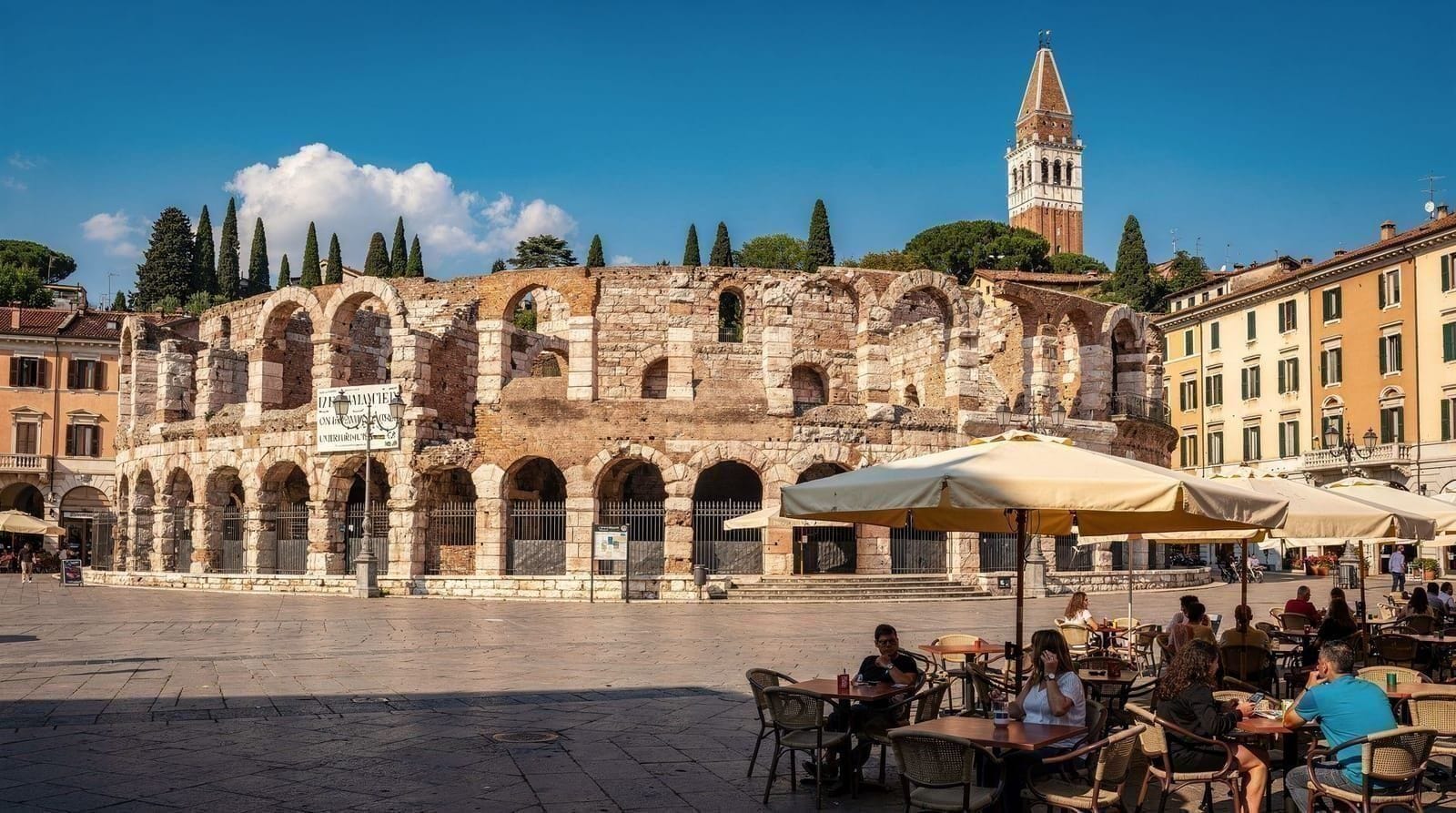
Verona has been continuously inhabited since the Bronze Age and reached its architectural peak in the 1st and 14th centuries simultaneously. The Arena di Verona (first century AD, capacity 30,000) is the third-largest Roman amphitheatre in existence — still in use for open-air opera. The guided tour with priority access is the most efficient way to see it.
Verona highlights walking tour with Arena skip-the-line accessWalk the Piazza delle Erbe (Roman forum), Piazza dei Signori (civic square), the Church of Sant’Anastasia (Pisanello fresco), Juliet’s House (the balcony is a 20th-century tourist addition but the courtyard has atmosphere), and the Castelvecchio museum complex on the Adige river (Verona’s medieval castle, remodelled by Carlo Scarpa into one of Italy’s finest museum spaces).
1:00pm — Lunch in Verona
Osteria Dal Zovo (Vicolo San Marco) for honest Veronese cuisine at mid-range prices. Horse-meat dishes (typical in Verona) are available; excellent with the local Valpolicella wine. Budget €25–35.
Afternoon: Lake Garda
3:00pm — Bus or taxi to Sirmione (45 minutes)
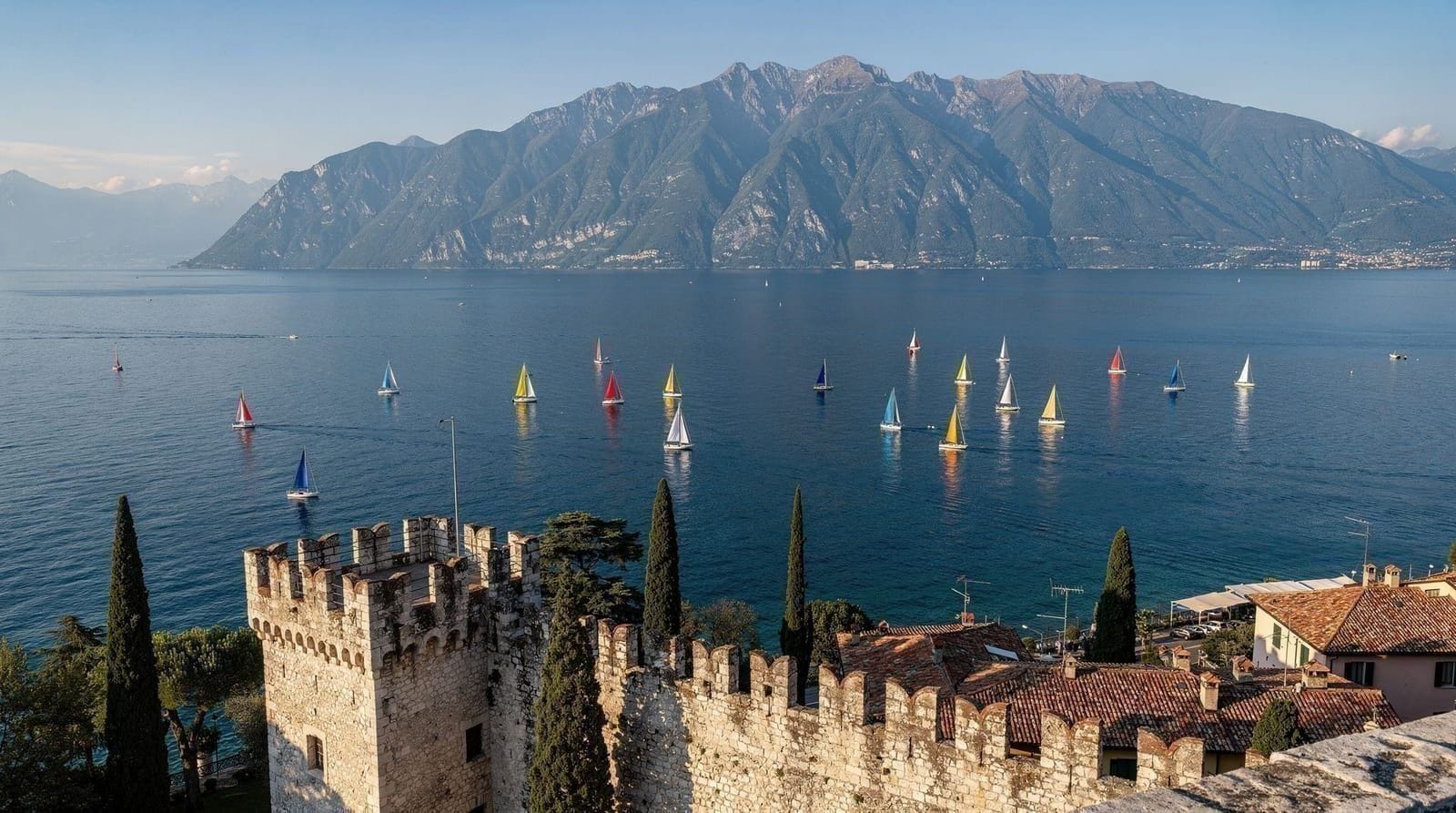
Sirmione is the peninsula town at Lake Garda’s south end. The Scaliger Castle (€8) guards the entrance; the Grotte di Catullo Roman ruins (€8) occupy the tip of the peninsula above the water. The thermal baths (Terme di Sirmione, from €30) are famous; book ahead.
The best Garda overview is from the ferry crossing — Consorzio Navigazione boats serve all ports on the lake.
7:30pm — Return train to Venice
Train from Peschiera del Garda (5km, taxi or bus) to Venezia Santa Lucia. Home by 9pm.
Day 4: Padua
8:30am — Train to Padua (35 minutes)
Padua is 35 minutes from Venice by regional train — Italy’s least-visited great art city. The Scrovegni Chapel frescoes by Giotto (painted 1304–1306) are the single most important pre-Renaissance cycle of paintings in existence: 38 large panels depicting the life of Mary and Christ in a continuous narrative that effectively invented Western pictorial storytelling. Entry €18, visits strictly timed at 15 minutes inside — book months in advance at cappelladegliscrovegni.it.
Padua highlights private walking tour with Scrovegni ChapelThe private guided tour handles the booking logistics and provides context for the Chapel that makes the experience significantly deeper.
After the Scrovegni:
Walk to the Piazza del Santo and the Basilica of Saint Anthony (free, enormous, constantly crowded with pilgrims touching the Saint’s tomb — genuinely medieval Catholic practice in real time). The Palazzo della Ragione (the medieval law court) has Europe’s largest unsupported medieval hall, its ceiling covered in a 15th-century fresco cycle. Caffè Pedrocchi (the “caffè without doors,” open 24 hours continuously from 1831 until 1916) is worth a coffee stop.
1:00pm — Lunch in Padua
Osteria L’Anfora (Via dei Soncin) or Trattoria da Mario (Piazza delle Erbe) — both local-facing, good Paduan food at €20–30 per person. The local speciality is bigoli col sugo d’oca (bigoli pasta with goose sauce), which you will not find in Venice.
3:00pm–5:00pm — Orto Botanico
The oldest surviving university botanical garden in the world (1545, UNESCO-listed). Still a working research garden. Admission €10. Allow 1 hour.
5:30pm — Return to Venice
Train to Venezia Santa Lucia.
7:30pm — Aperitivo in Castello, then dinner
Castello is the sestiere you have been walking past all week. Tonight, eat here — Al Covo (Campiello della Pescaria) is one of Venice’s best for lagoon seafood. Reserve at least 3 days ahead.
Day 5: Vicenza and the Prosecco hills
Morning: Vicenza
9:00am — Train to Vicenza (30 minutes from Venice)
Vicenza is Andrea Palladio’s city — the 16th-century architect whose influence extends from Jefferson’s Monticello to practically every bank and government building in the English-speaking world. The city is a UNESCO World Heritage Site specifically for its Palladian architecture.
The must-sees: the Basilica Palladiana (the civic building whose colonnades Palladio designed in 1546, now completed after 60 years of construction), the Teatro Olimpico (the oldest surviving Renaissance theatre in the world, inaugurated 1585, still in use), and the Villa Rotonda (4km outside the city, the round-plan villa that became the template for neoclassical architecture globally).
Villa Rotonda entry: exterior free, interior €10 (limited opening days — check at villarotonda.it before visiting). Teatro Olimpico: €11.
12:30pm — Lunch in Vicenza
Il Ceppo (Contrà Porti) for a good Vicentine lunch at mid-range prices. The local dish is baccalà alla vicentina — salt cod slowly braised in milk with onions and anchovies, served with polenta. The Veneto’s most unusual speciality. Budget €25–35 per person.
Afternoon: Prosecco hills
2:00pm — Drive to Valdobbiadene (50 minutes by car)
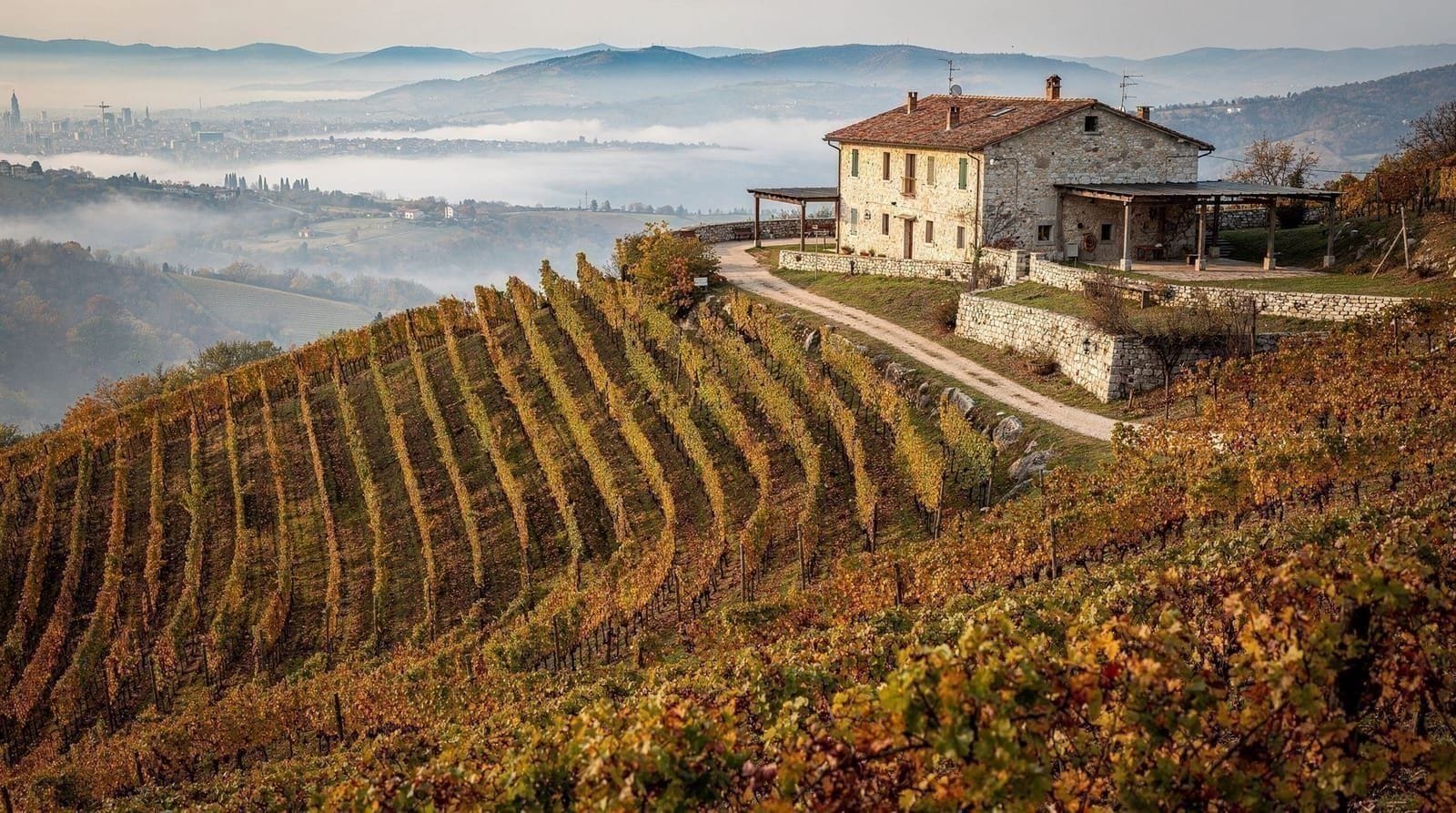
The Prosecco Superiore DOCG zone runs between Conegliano and Valdobbiadene — a UNESCO-listed hilly landscape that produces the most prestigious Prosecco, sold as Conegliano Valdobbiadene DOCG. The landscape is genuinely beautiful: south-facing hillside vineyards in regular rows, medieval villages at the bases of the hills, and the Dolomites visible to the north on clear days.
Exclusive small-group Prosecco tour from Venice — 2 wineriesIf not driving, the organised tour from Venice covers this area with wine tasting included.
2:30pm–5:00pm — Winery visits
Nino Franco (Valdobbiadene) and Carpene Malvolti (Conegliano) are two of the zone’s best-known producers. Many estates offer walk-in tastings; some require advance booking. A tasting at 2–3 wineries typically costs €15–25 per person and includes 4–6 pours from different cuvées — Brut, Extra Dry, Rive single-vineyard, and Cartizze (the subzone’s most prestigious designation, from a 107-hectare area above Valdobbiadene).
The Prosecco hills guide covers the landscape, the wine classification system, and the best producers in detail.
5:30pm — Return to Venice by car
The drive from Valdobbiadene to Venice via the Treviso bypass takes approximately 90 minutes. Return the rental car at Piazzale Roma or Tronchetto.
7:00pm — Last Venice aperitivo
Tonight: Rialto. All’Arco or Do Mori for cicchetti and a final glass of Veneto wine before dinner.
8:30pm — Last dinner in Venice
The restaurant you noticed but never went to. Four evenings in Venice develops restaurant opinions; follow them.
Day 6: Venice — the things you missed
Day six is the day for everything the first two Venice days could not fit.
9:00am — Peggy Guggenheim
If you did the Accademia on day one, do the Peggy Guggenheim this morning. 1.5 hours. The Grand Canal terrace at 9am is the best time — before the crowds and with the water-light at its best.
11:00am — Scuola Grande di San Rocco
One of the great overlooked masterpieces in Italy: Tintoretto’s 60 large paintings covering every surface of the Scuola di San Rocco in San Polo, completed over 23 years (1564–1587). Entry €10. Allow 1 hour.
12:30pm — Frari church
Titian’s Assumption of the Virgin (1518) in the Frari is the single painting in Venice worth seeing specifically on its own terms. Entry €5 via Chorus Pass.
Afternoon: choose your Venice
By day six, you have opinions about the city. Options for the afternoon:
- The Lido for a beach afternoon (July–August) — vaporetto Line 5.1, 20 minutes
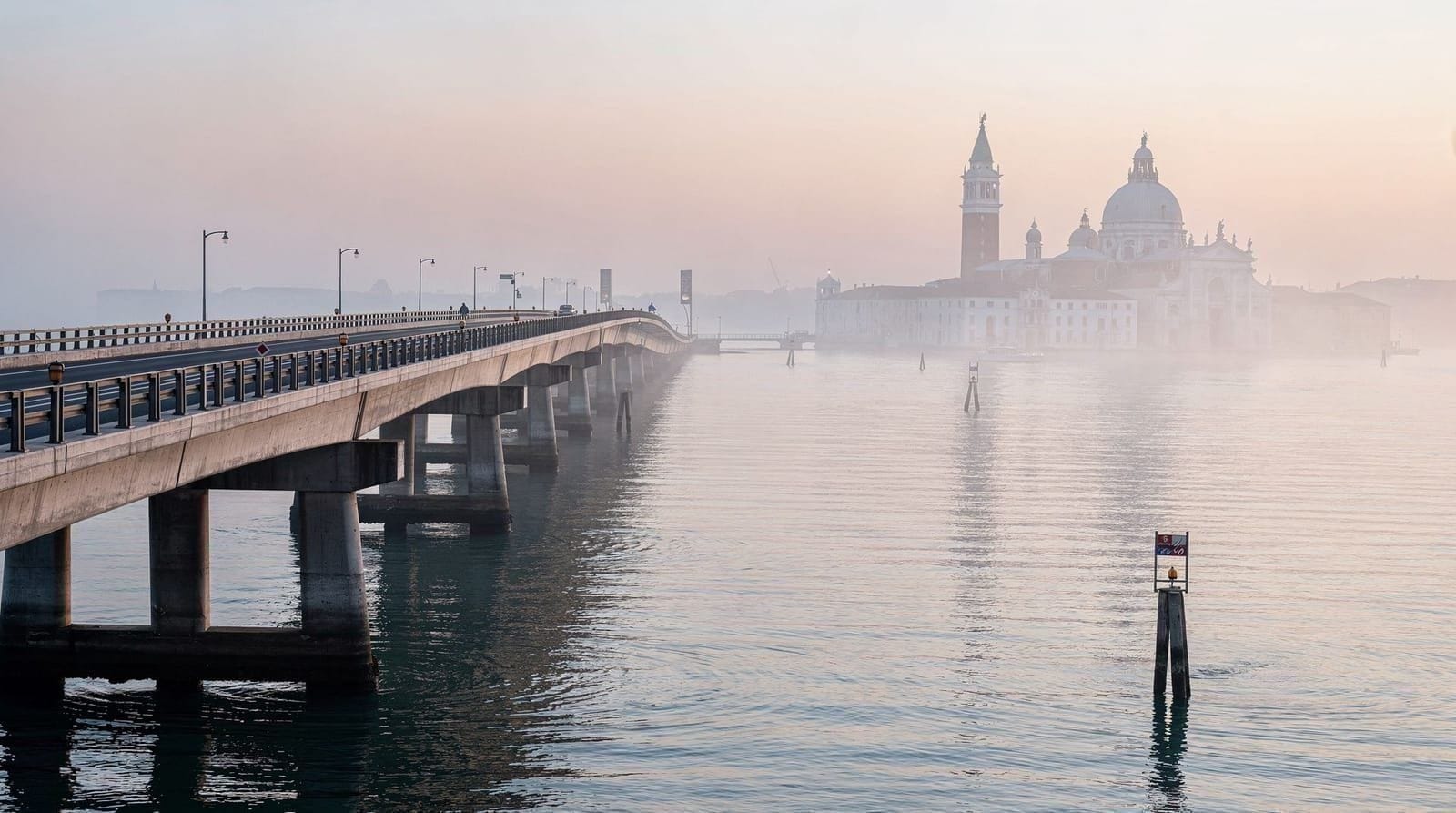
- San Giorgio Maggiore campanile for the best view in the lagoon (€8, includes elevator)
- La Fenice opera house tour (€12, afternoon tours available daily)
- The hidden canals by electric boat — a private tour through waterways too narrow for standard boats
Evening: final Veneto dinner
Consider booking a food tour for this last evening in Venice — the cicchetti crawl through Cannaregio and San Polo, with a guide who knows the best bacari. It synthesises the week’s eating in a 3-hour walk.
Day 7: departure day
Morning: last walk
The final morning in Venice is for wherever you most want to return to. San Marco before 8am is the best possible final memory of the city.
Transport to airport:
Marco Polo (VCE) is 12km from Venice. Options:
- Alilaguna boat: from Fondamente Nove, €18, approximately 75 minutes
- Water taxi (shared): €35 per person, approximately 45 minutes
- Bus to Piazzale Roma, then ACTV to Mestre station, then ATVO bus to airport
- Private water taxi: €120+ for the boat
Book airport transport in advance, particularly in peak season. For early morning flights, the Alilaguna first service runs at approximately 3:30am from San Marco.
Practical framework
Transport summary:
- Venice–Verona: €15–30 by regional train, 75 minutes
- Venice–Padua: €5–12 by regional train, 35 minutes
- Venice–Vicenza: €8–18 by regional train, 30 minutes
- Vicenza–Valdobbiadene: car essential (no convenient public transport)
- Rental car: hire in Vicenza for the Prosecco hills day, return at Venice/Piazzale Roma
Booking ahead (essential):
- Scrovegni Chapel, Padua: book months in advance at cappelladegliscrovegni.it
- Doge’s Palace, Venice: book at least 3–5 days ahead
- Antiche Carampane or Osteria da Fiore, Venice: 5–10 days ahead
- Arena di Verona opera (if applicable): book at arenaverona.it months ahead
The Veneto’s food and wine geography
Understanding the Veneto’s regional food makes the week more meaningful. The region has one of Italy’s richest and most distinct culinary identities — not just pizza and pasta, but a tradition of preserved fish, river and lagoon seafood, polenta, risotto, and cured meats specific to the Euganean hills and the Valpolicella zone.
Venice: Cicchetti (small bar snacks), baccalà mantecato (whipped salt cod), sarde in saor (sardines in sweet vinegar with onions and pine nuts), moeche (soft-shell crabs, April and October only), risotto di go (goby fish risotto), bigoli in salsa (thick pasta with anchovy and onion sauce). The Venetian cuisine guide covers the full vocabulary.
Verona and the Valpolicella: Risotto all’Amarone (risotto made with Amarone wine, deeply flavoured), bollito misto (mixed boiled meats), horse carpaccio (typical in Verona, controversial outside it), and the full range of Valpolicella wines — light Valpolicella Classico, the dried-grape Amarone della Valpolicella (among Italy’s greatest reds), and Ripasso (Valpolicella refermented on Amarone pomace).
Padua: Bigoli col sugo d’oca (bigoli pasta with goose sauce), tagliatelle with rabbit, and the Veneto’s great dessert: tiramisu (documented in Treviso and widely contested, but indisputably a Veneto invention).
Prosecco hills: The wines are the food here — Prosecco Superiore DOCG in its various expressions (Brut, Extra Dry, Rive single-vineyard, Cartizze). Paired with local soppressa (a cured salami typical of the Treviso hills), cheeses from the Asiago plateau, and the salted cured meats of the Belluno area.
Budget planning across the week: Venice is the most expensive city for food in the region. Verona, Padua, and Vicenza are all significantly cheaper for equivalent quality. A sit-down dinner in Venice costs €35–60 per person; the same quality dinner in Verona costs €25–45. The island towns (Murano, Burano) are cheaper for fish at lunch than central Venice.
The seven days at a glance
| Day | Focus | Overnight |
|---|---|---|
| 1 | Venice — San Marco, Doge’s Palace, Dorsoduro | Venice |
| 2 | Venice — Murano, Burano, Cannaregio | Venice |
| 3 | Verona and Lake Garda | Venice |
| 4 | Padua and the Scrovegni Chapel | Venice |
| 5 | Vicenza and the Prosecco hills | Venice |
| 6 | Venice — Peggy Guggenheim, San Rocco, the Frari | Venice |
| 7 | Departure | — |
Cutting this to five or six days
Not everyone has a full week. If you’re working with less time, the two days that compress most cleanly are day 6 (the Venice catch-up day) and either the Vicenza or the Prosecco half of day 5.
Six days: drop day 6 entirely. You lose the Peggy Guggenheim/San Rocco/Frari catch-up morning, but days 1–2 in Venice already cover the essentials, and day 7’s departure morning can absorb one more sight if needed.
Five days: drop day 6 and combine day 5 into a half-day, choosing either Vicenza or the Prosecco hills rather than both — they’re geographically close but each deserves unhurried time, and rushing both in one afternoon undercuts each. Our dedicated Venice, Verona and Lake Garda 5-day itinerary takes a different five-day structure built around Lake Garda instead of Padua and Vicenza, worth comparing if the lake matters more to you than the UNESCO fresco cycles.
If you’re building this some other way, the two days that give up the least by being shortened are day 4 (Padua) — the Scrovegni Chapel alone, without the afternoon botanical garden, is a satisfying half-day — and day 3 (Verona/Garda), which works as a half-day covering Verona only if you skip the Lake Garda extension. The days that shouldn’t be compressed are days 1–2 in Venice; trying to do the essential Venice landmarks in one day instead of two is the single most common regret from travellers doing this itinerary.
Where to sleep across the week
This itinerary as written keeps a single Venice base for all seven nights, which is the simplest logistics: no luggage to move, no re-checking in, and every day trip returns to a familiar bed. It works because none of the day trips — Verona, Padua, Vicenza, the Prosecco hills — require more than a 90-minute return journey.
The trade-off is late returns on day 3 (the Verona/Garda loop) and day 5 (the Prosecco hills drive), both of which can land back in Venice after 8–9pm. If an easier pace matters more than simplicity, consider one night in Verona between days 3 and 4 — it shortens the Padua travel time on day 4 (Verona to Padua is about 50 minutes by train, similar to from Venice) and turns day 3 into a relaxed evening in a genuinely beautiful city rather than a late train home. See the where to stay in Venice guide for the Venice-base option, and weigh it against the fatigue of a 12-hour round trip on day 3.
Venice city pass — worth comparing against paying for the Basilica, Doge’s Palace, and vaporetto separately across a seven-day stayFrequently asked questions about this seven-day Veneto itinerary
Can I do this itinerary without a car?
Mostly yes. Venice, Verona, Padua, and Vicenza are all on the main Trenitalia line and very well connected. The Prosecco hills require a car or an organised tour. Without a car, substitute the Prosecco hills day with Treviso (30 minutes from Venice by train) — a beautiful smaller city often called “little Venice” and almost visitor-free. See the Treviso guide.
Is the Scrovegni Chapel visit really worth booking months in advance?
Yes. The Chapel limits visitors to 25 people for 15 minutes inside — from a separate waiting room where you acclimatise to the humidity level before entering. The frescoes by Giotto are the single most important work of early European art outside of Greece. The wait is justified.
How many UNESCO World Heritage Sites does this itinerary cover?
Five: Venice and its lagoon, Verona, Padua’s 14th-century fresco cycles, Vicenza and the Palladian villas, and the Prosecco hills of Conegliano and Valdobbiadene. More UNESCO density than almost any week-long itinerary in Italy.
What is the Prosecco quality difference between Valdobbiadene and regular Prosecco?
Standard Prosecco (DOC, from across the Veneto and Friuli) is the widely exported aperitivo wine. Conegliano Valdobbiadene Prosecco Superiore (DOCG) comes from a specific hilly zone with steeper slopes and lower yields, resulting in more complex wine. The Cartizze designation — from a tiny 107-hectare subzone — is the region’s finest. The price difference at the winery is significant but the quality gap is real. See the Prosecco hills guide.
Is Padua worth a full day or just half a day?
A full day, if you are visiting Giotto’s Scrovegni Chapel and also walking the historic centre. The Chapel alone (with the timed entry and waiting time) takes about 2 hours total. Adding the Basilica of Saint Anthony, the Piazza delle Erbe, the Palazzo della Ragione, and the Botanic Garden fills a comfortable 8-hour day with good lunch in between.
Should I keep a single Venice base for all seven nights?
It’s the simplest option and works well for most travellers, since none of the day trips exceed a 90-minute return journey. The main downside is two late-return days (Verona/Garda on day 3, the Prosecco hills on day 5). One night in Verona between days 3 and 4 eases the pace if a 12-hour round trip sounds tiring.
Can I do Vicenza and the Prosecco hills on the same day without a car?
Not comfortably. Vicenza is on the main Trenitalia line and works well as a standalone half-day; the Prosecco hills require a car or an organised tour, and combining both properly needs more than one afternoon. Choose one, or split them across two separate visits if time allows.
Top experiences
Bookable activities with verified prices and instant confirmation on GetYourGuide.