Venice in three days: landmarks, islands, and the real city
Venice: Doge's Palace, prison and secret passageways tour
Why three days works best for Venice
Three days is the sweet spot for a first visit to Venice. It is long enough to stop rushing, short enough to avoid the strange frustration of having covered everything. Day one handles the monuments; day two takes you out to the lagoon islands; day three belongs to the neighbourhoods the tourist infrastructure mostly ignores.
This itinerary covers Venice, Murano, and Burano — the three destinations in the manifest. It is built around honest pacing: you will not be on your feet for more than six to seven hours on any given day, you will eat well, and you will have time to sit at a canal-side table and do nothing in particular, which is actually the point of Venice.
One logistical note: on peak days between April and late July 2026, day visitors pay the Contributo di Accesso (€5 booked in advance, €10 on the day). Hotel guests are exempt.
| Best for | First-timers, couples, families, anyone wanting a complete introduction |
| Total cost (excl. lodging) | Around €500–725 per person for three days |
| Getting around | On foot, plus a 72-hour vaporetto pass (€45) |
| Book ahead | St Mark’s Basilica, Doge’s Palace, Murano/Burano boat tour |
| Best season | April–May or September–October |
Day 1: San Marco and Dorsoduro
Morning: the iconic landmarks
8:00am — Piazza San Marco
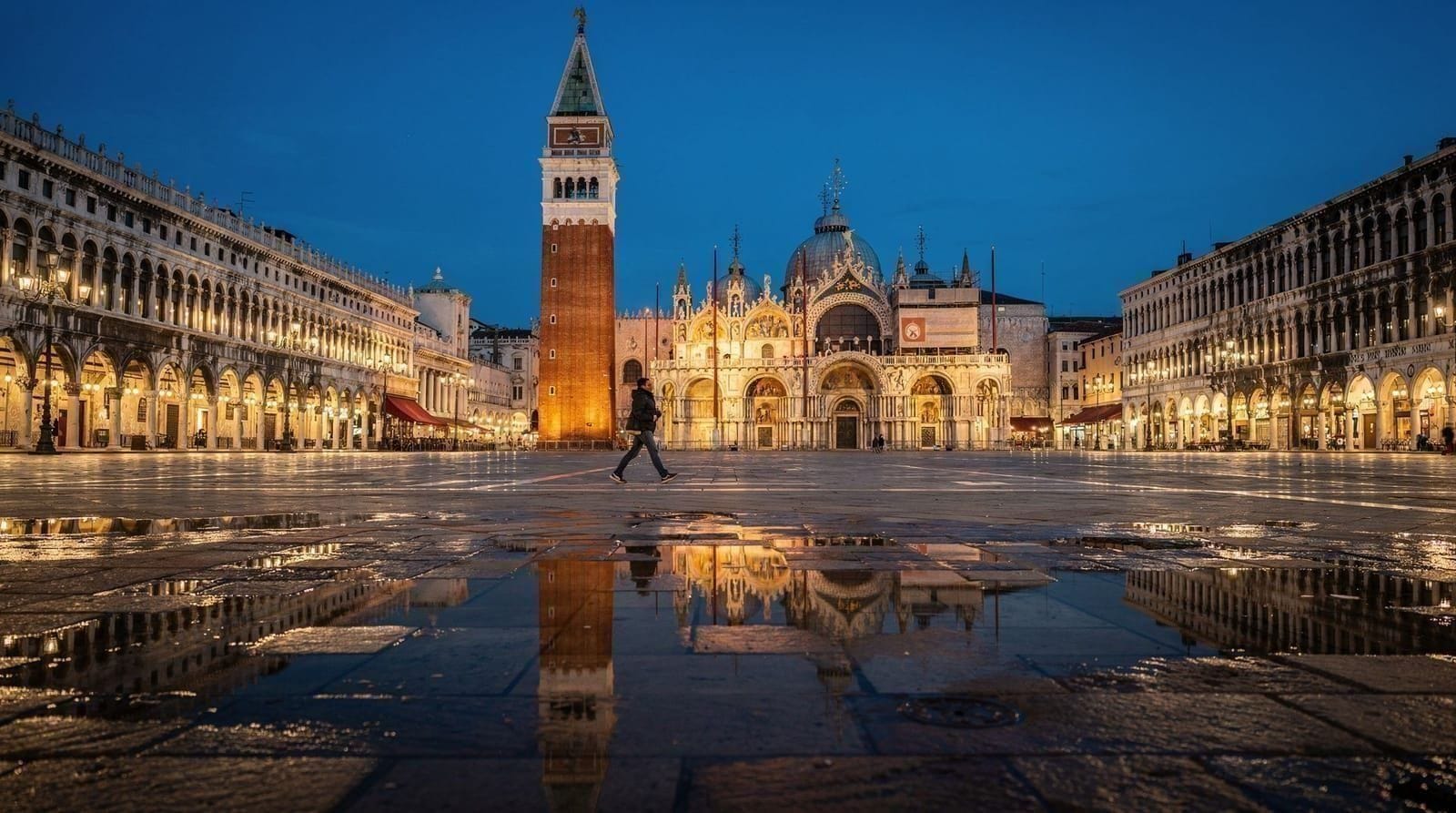
Be here early. The piazza before 9am is quiet and photogenic; by 10am the tour groups have arrived and the experience changes substantially. Walk the full square, cross to the Molo waterfront, and look across the lagoon to San Giorgio Maggiore.
St Mark’s Basilica pre-booked entry gets you in by 9:30am. Allow 45–60 minutes for the main floor. The mosaics cover 8,000 square metres of ceiling and vault — the most Byzantine church in the Western world, built around stolen relics and a century’s worth of war loot. Read the Basilica guide for what to look at specifically.
Book St Mark’s Basilica skip-the-line entry with audio guide10:30am — Doge’s Palace
The palace of Venice’s rulers for over a thousand years, now one of the city’s most impressive museums. Book the Secret Passageways tour for the best experience — it accesses areas closed to standard visitors, including the torture chamber, the Council of Ten’s offices, and Casanova’s attic cell.
Doge’s Palace Secret Passageways — small-group guided tourStandard entry is also valid and good value if you prefer a self-guided visit. Exit by noon.
Afternoon: Dorsoduro
12:30pm — Lunch across the Accademia bridge
Cross into Dorsoduro via the wooden Accademia bridge. Lunch at Trattoria Cantinone Storico (Fondamenta delle Burchielle) or Osteria Enoteca Ai Artisti (Fondamenta della Toletta) — both serve good Venetian food at €15–25 per person for pasta and a glass of wine.
2:00pm — Accademia gallery or Peggy Guggenheim
Choose one for the afternoon. The Accademia is the essential Venice museum — 500 years of Venetian painting in a former monastery and convent complex. The Peggy Guggenheim is 20th-century international, housed in Guggenheim’s unfinished palazzo directly on the Grand Canal, with one of the best terrace views in the city. Both require approximately 1.5–2 hours.
4:30pm — Gondola from Dorsoduro
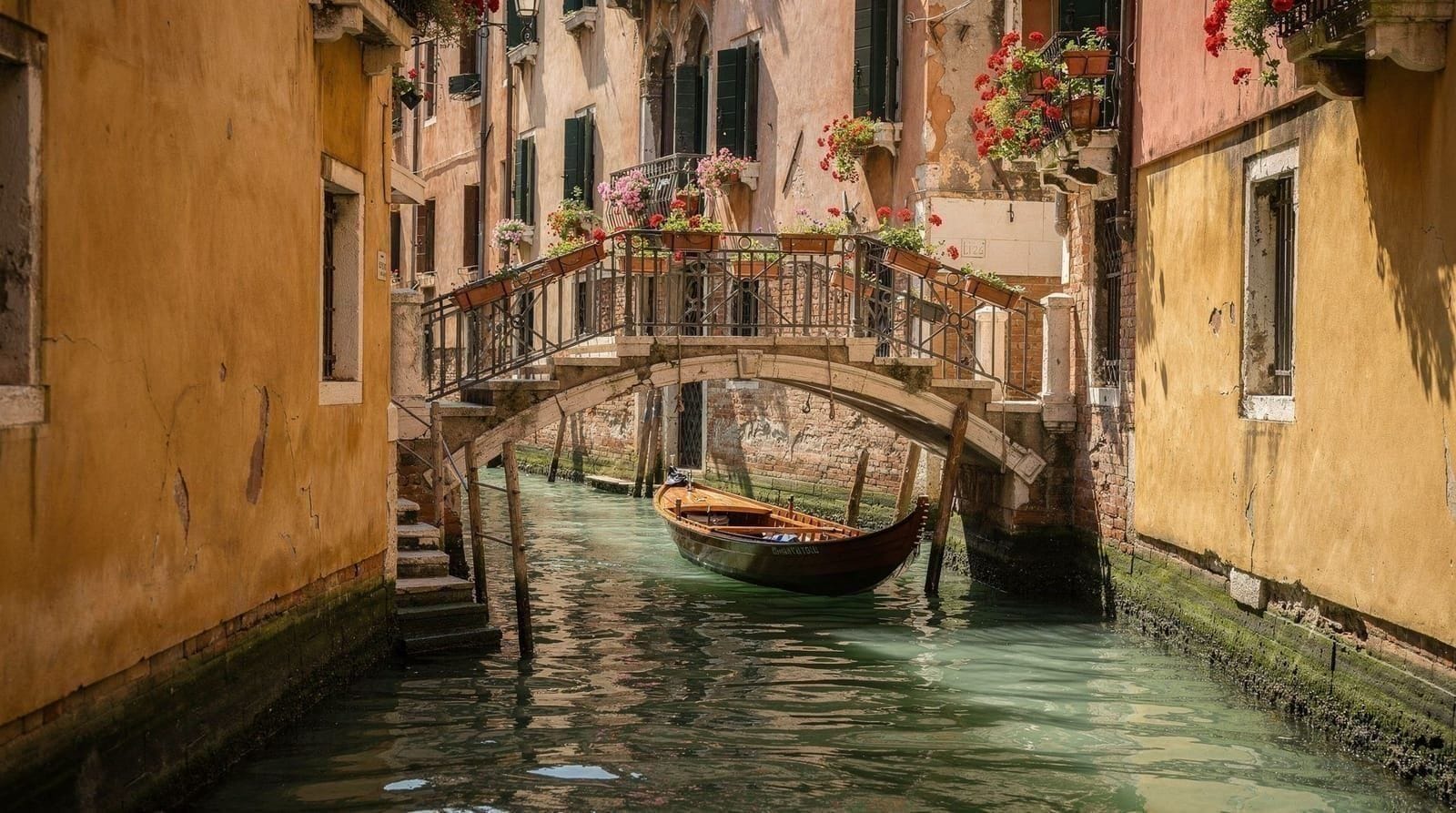
Book a shared gondola from the stands along the Zattere or near Campo San Stefano. The routes through the smaller canals of Dorsoduro and San Polo take you away from the Grand Canal traffic into the quieter, darker waterways that define the city at a human scale.
Shared gondola ride across the Grand Canal6:00pm — Aperitivo in Campo Santa Margherita
The best square in Venice for a drink. Bars around the perimeter charge €3.50–5 for a spritz. Pull up a chair and watch the locals treat it as their living room, which is exactly what it is.
Evening: dinner in San Polo
8:00pm — Dinner near the Rialto
Walk north to the Rialto area — 15 minutes from Campo Santa Margherita. The streets between the market and Campo San Polo have Venice’s best value restaurants. Osteria da Fiore if budget is not a concern (€60+); Trattoria alla Madonna for honest mid-range (€30–40 with wine); any bacaro counter for a standing dinner of cicchetti for €12–15.
Read our best bacari guide and the where to eat San Marco guide for what to avoid.
Day 2: Murano and Burano
Day two is dedicated to the lagoon islands. This is not a concession to a tourist highlight — the islands are genuinely different places with their own characters, and the boat crossing through the lagoon is itself the best introduction to the physical geography of Venice.
Getting to the islands
8:30am — Depart for the islands
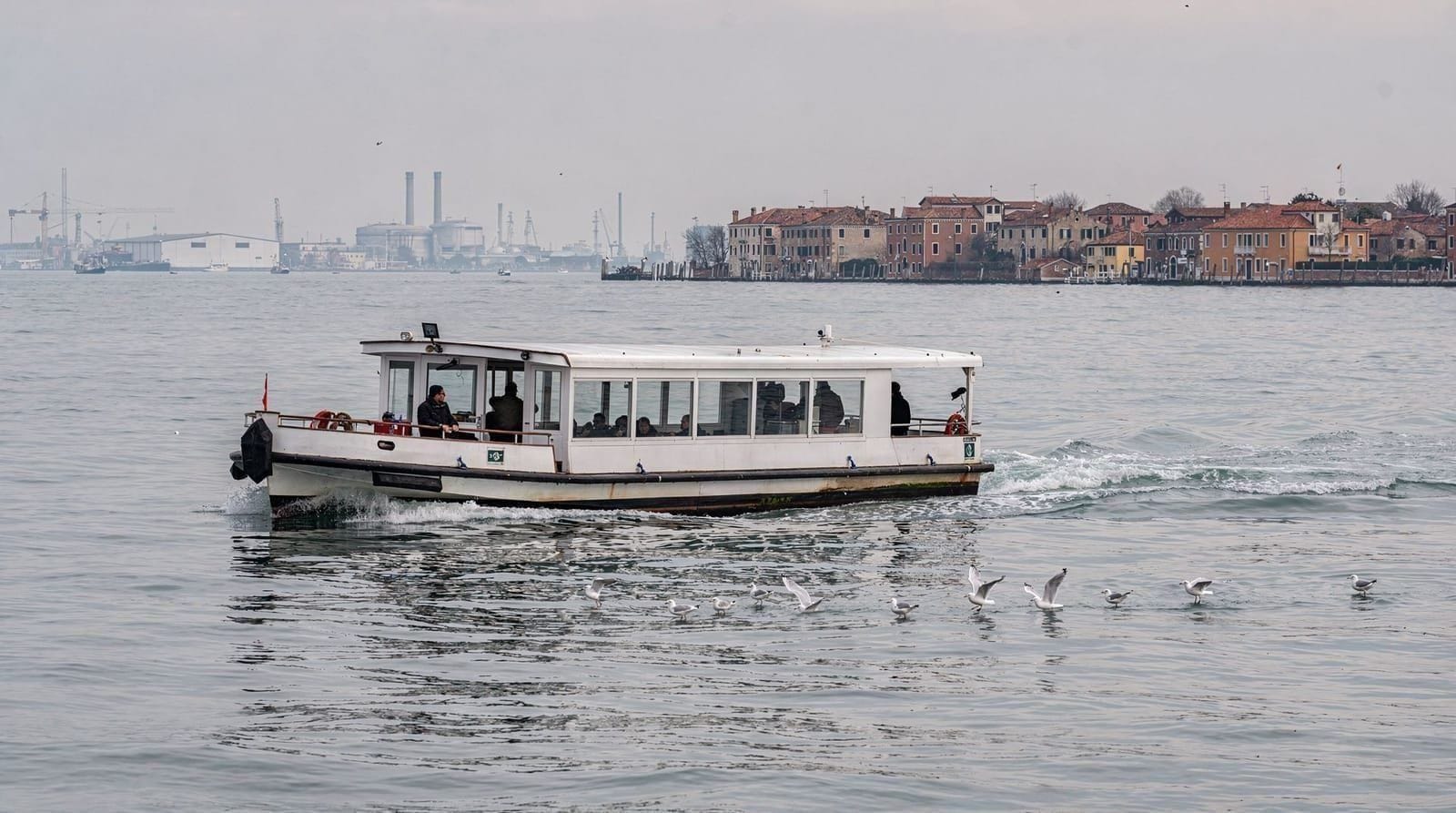
The most convenient departure points for Murano are Fondamente Nove (vaporetto Line 4.1 or 4.2, approximately 10 minutes) or the Cimitero stop (same lines). For an organised half-day tour that covers both Murano and Burano by private boat with a guide, depart at a set time from a central pier.
Murano and Burano half-day island tour by boatThe organised tour covers both islands in about 4.5 hours and includes a glassblowing demonstration at a Murano factory — the most efficient way to cover both in a half-day. If you prefer to go independently, read the how to visit Murano and Burano guide for DIY vaporetto routes.
Murano
9:00am — Murano glassworks
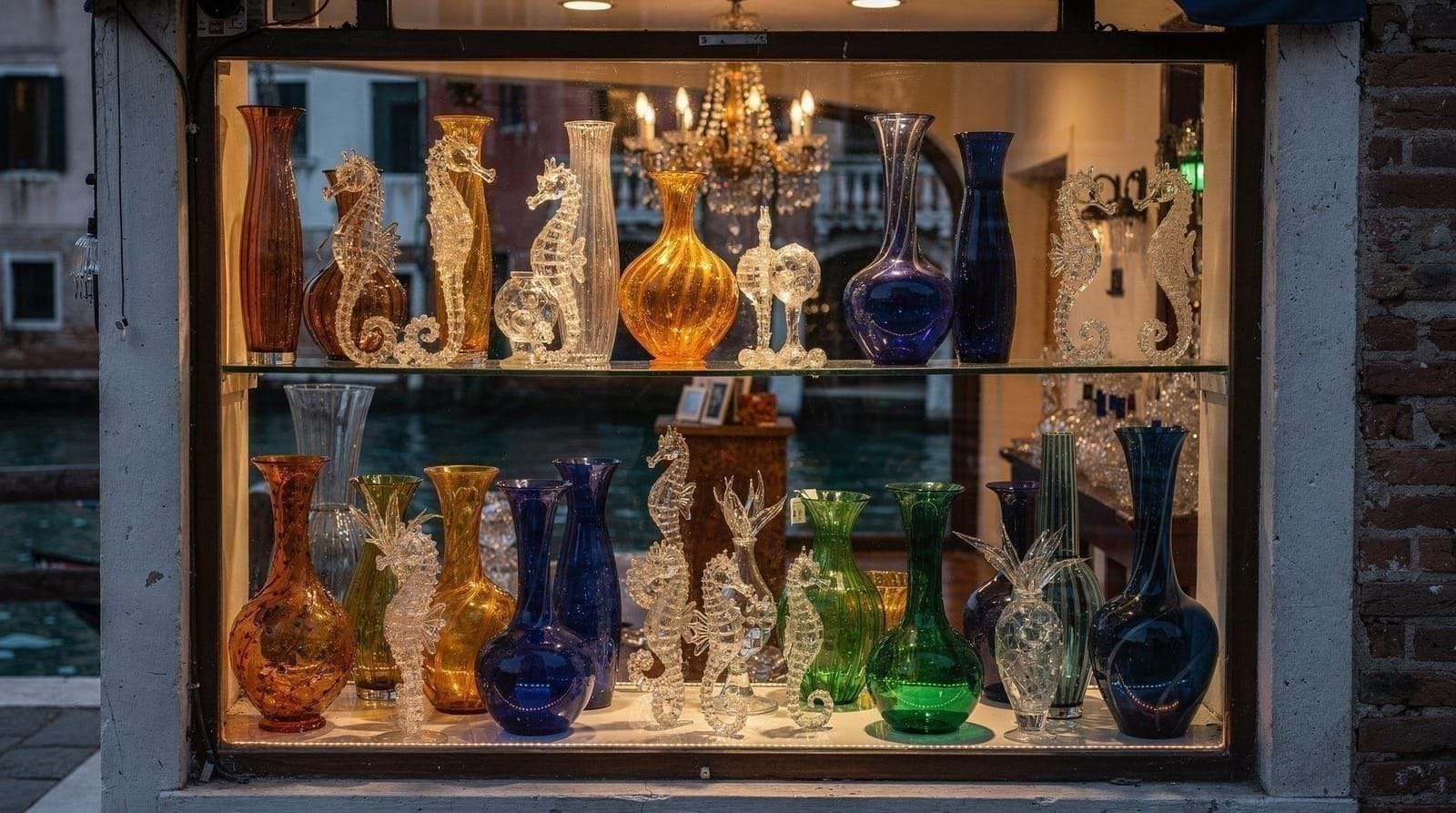
Murano is famous for its glass, and the glassblowing demonstrations at the working factories are genuinely spectacular — the furnaces run at 1,400°C and the maestros shape molten glass in under two minutes. Entry to the demonstrations is free or included in a tour; the showrooms that follow are a sales pitch but under no obligation to buy.
Read the Murano glass guide for context on why the glassmakers were historically confined to the island and what distinguishes genuine Murano glass from imitations.
10:30am — Walk Murano’s fondamente
Murano has its own Grand Canal (the Rio dei Vetrai), its own Gothic church (Santi Maria e Donato, with a 12th-century mosaic floor), and a glass museum in a 17th-century palazzo. Walk the fondamenta on both sides of the canal. The island feels like Venice but slower, less crowded, and with a more obvious working life.
Burano
12:00pm — Boat to Burano
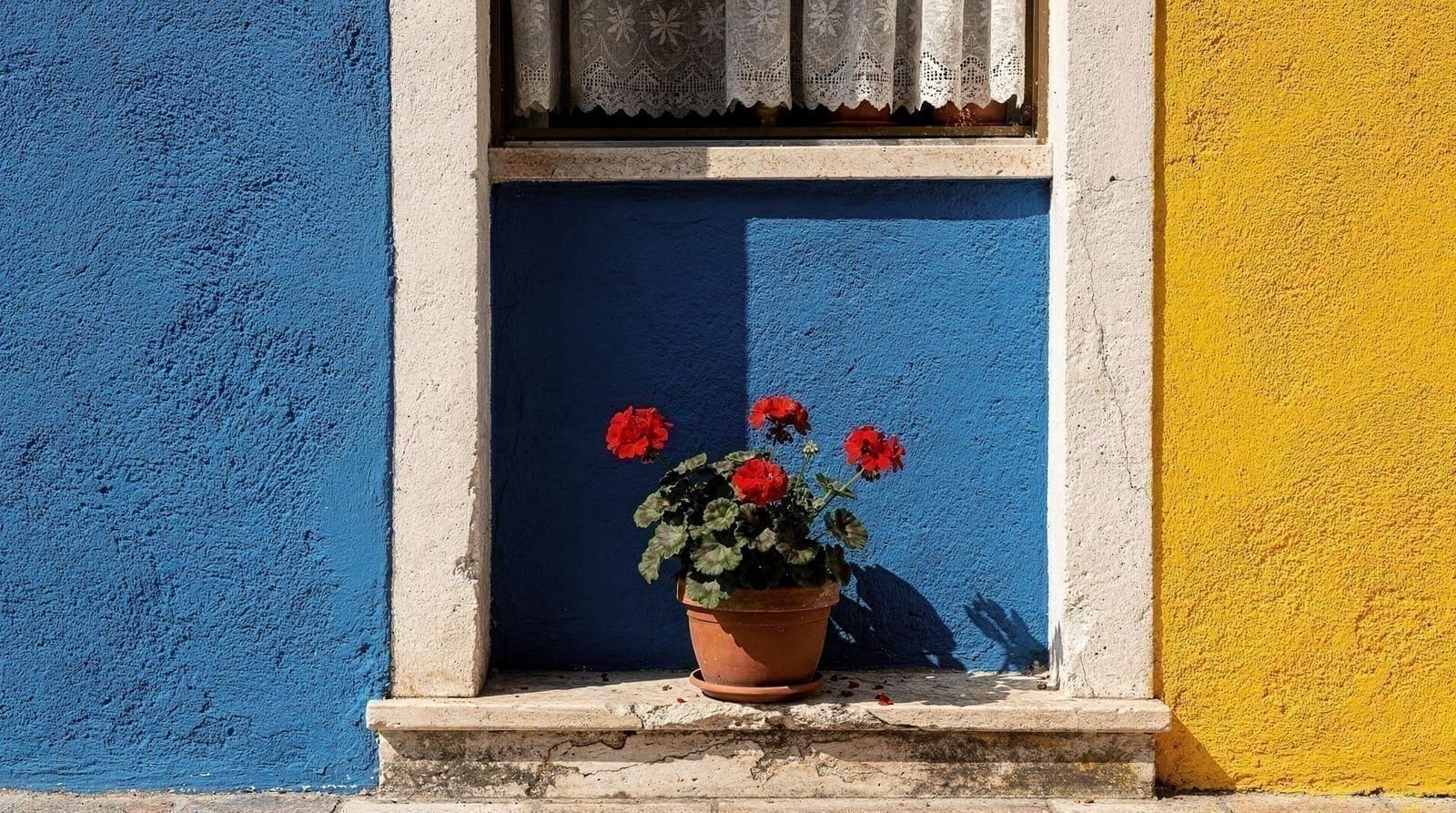
The crossing from Murano to Burano takes about 25 minutes on Line 12. Burano is a fishing village of around 2,800 people whose houses are painted in improbable combinations of yellow, red, orange, and blue — the traditional story is that fishermen painted them in distinctive colours so they could identify their homes through fog on the lagoon.
12:30pm — Lunch in Burano
Burano has several good restaurants. Trattoria da Romano (Via Galuppi 221) has been serving lagoon fish since 1890 and is the island’s most famous table — book ahead or arrive by 12:30. Al Gatto Nero (Via Giudecca 88) is a genuine rival. Both do risotto di go (goby fish risotto) — the local speciality — and fresh grilled lagoon fish at €30–40 per person. Eating well here matters; the seafood is fresher than almost anywhere on the main island.
2:00pm — Walk the coloured streets
Allow an hour to walk the island’s grid of pastel-coloured streets. Burano’s colours and lace explains both the painted facades and the lace-making tradition that supplements the fishing economy. The Museo del Merletto (Lace Museum) documents the latter — worth 30 minutes. Photography in Burano is essentially automatic — the light in the late morning and early afternoon is exceptional.
3:30pm — Return to Venice
Take Line 12 back toward Fondamente Nove. The crossing gives you views of the northern lagoon that are otherwise invisible from the main island — the salt marshes, the mussel beds, the distant silhouette of the Alps on clear days.
5:00pm — Rest and refresh at your hotel
A relatively early return leaves time to rest before the evening. Two days of walking in Venice is hard on the feet and the legs.
Evening: Cannaregio aperitivo and dinner
7:00pm — Aperitivo on Fondamenta della Misericordia
The Misericordia canal-side in Cannaregio has the best concentration of aperitivo bars in Venice. Arrive at 7pm when the outdoor tables fill but the heat has come off the stones. A spritz or an ombra (small glass of local wine, €1.50) and cicchetti should cost €6–10 per person.
8:30pm — Dinner in Cannaregio
Osteria alla Vedova (Calle del Pistor) is the neighbourhood’s most celebrated bacaro, famous for its polpette (fried meatballs). Trattoria da Gigio (Fondamenta San Felice) does a proper sit-down dinner at mid-range prices. Both are within 10 minutes’ walk of the Misericordia.
Day 3: Castello, the Arsenale, and the quiet Venice
Day three is for getting off the tourist path without going anywhere special — just deeper into the city.
Morning: Castello and Santa Maria dei Miracoli
9:00am — Santa Maria dei Miracoli
In Cannaregio, this tiny church clad entirely in coloured marble is one of Venice’s most beautiful interiors. Entry costs around €3 as part of the Chorus Pass. Allow 20 minutes.
9:30am — Walk to Castello
Castello is the largest and least-visited sestiere. Its far eastern section — past the Arsenale walls — is almost entirely residential, virtually free of tourists, and genuinely curious: a long thin island with shipyard workers’ housing, vegetable gardens, and a neighbourhood church that functions as an actual parish.
The Castello guide suggests a route through Campi Santi Giovanni e Paolo, San Francesco della Vigna, San Pietro di Castello, and out to the far eastern tip.
11:00am — Zanipolo church
The Basilica di Santi Giovanni e Paolo (Zanipolo to Venetians) is the Pantheon of Venice — 25 doges are buried here, and the church contains masterworks by Bellini, Veronese, and Titian. Free entry. Allow 30–45 minutes.
Afternoon: San Polo and the Frari
12:30pm — Rialto market lunch
The Rialto market winds down by noon, but the bacari nearby serve market-fresh cicchetti through lunch. All’Arco (Calle dell’Occhialer) is the finest cicchetti bar in Venice — the counter is tiny, the selection changes by the hour, and nothing costs more than €3. Arrive by 12:15 to get the best selection. Read the Rialto market guide.
2:00pm — Santa Maria Gloriosa dei Frari
The Frari church in San Polo contains Titian’s Assumption of the Virgin (1518) — arguably the greatest painting in Venice — installed above the high altar where it was made. Also here: Bellini’s triptych in the sacristy, Donatello’s Baptist, and Titian’s own tomb. Entry €5 (Chorus Pass valid). Allow 1 hour.
3:30pm — Scuola Grande di San Rocco
Across a small campo from the Frari, the Scuola di San Rocco is where Tintoretto spent 23 years painting the walls and ceiling with 60 large-scale canvases depicting Old and New Testament scenes. It is one of the great ensembles of European painting, almost entirely unknown to casual tourists. Entry €10. Allow 1 hour.
5:00pm — Campo San Giacomo dell’Orio
A campo that does not appear in most itineraries. Surrounded by churches and a butcher and a bar and children playing football, it has the quality of a neighbourhood that has not noticed what city it is in. Buy a drink, sit down, and spend an hour doing nothing useful.
Evening: final dinner
7:30pm — Last aperitivo
Campo Santa Margherita in Dorsoduro is 10 minutes from Campo San Giacomo. Return here for the final evening aperitivo — you know the square by now, you know which bar, and the familiarity is part of the pleasure.
9:00pm — Dinner
Choose somewhere you noticed but did not go during the previous two days. Venice rewards revisiting; it also rewards the restaurant you walked past twice before walking in.
Practical notes for three days
Vaporetto pass: A 72-hour pass (€45) covers all three days. Buy at ACTV booths at major stops. Validate before every boarding — inspectors are active.
Pre-booking essential: Doge’s Palace, St Mark’s Basilica, the Accademia (recommended), and any organised island tour. Everything else can be spontaneous.
Beaches: The Lido is accessible by vaporetto (Line 1 or 5.1, 15–20 minutes from San Marco) if the weather is very hot. Pack swimwear if visiting in July or August. Read the Lido guide.
Early June 2026: The Biennale Architettura 2026 opens in April and runs through late November. The Arsenale and Giardini exhibitions are worth half a day if you are interested in contemporary architecture. Separate entry €25.
The three-day food and neighbourhood guide
Three days in Venice gives you enough time to develop a relationship with two or three specific places — a bar you go back to, a bacaro you tell people about. This section maps the eating by neighbourhood rather than day-by-day:
San Polo and Rialto: The city’s best food neighbourhood. All’Arco (the supreme cicchetti counter), Do Mori (the oldest bacaro), Cantina Do Spade (sit-down or standing, excellent Veneto wines), and the Rialto market itself for context. If you eat here only once, make it the Rialto area bacari crawl between 12:30 and 2pm.
Cannaregio: The residential north of Venice has the most honest restaurant economics. Trattoria da Gigio is the neighbourhood’s benchmark. Osteria all’Orto dei Mori is smaller and quieter. The Fondamenta della Misericordia bacari (Osteria ai Ormesini, Al Timon, Anice Stellato) are the best aperitivo options in the city.
Dorsoduro: Campo Santa Margherita is the best aperitivo square. Osteria Enoteca Ai Artisti (Fondamenta della Toletta) is reliable for a mid-range dinner. The Zattere waterfront has good ice cream (Gelateria Nico) and decent fish restaurants but fewer great bacari.
Castello: Al Covo and Trattoria Corte Sconta are Castello’s two serious restaurants — both focused on lagoon seafood and both requiring booking. The neighbourhood around Campo Santa Maria Formosa has several honest mid-range options.
Eating well without a reservation: Cicchetti at a bacaro counter is always available without booking. All’Arco, Do Mori, and Cantina Do Spade near the Rialto, and Osteria alla Vedova in Cannaregio (famous for its polpette), are all walk-in counter services. Budget €10–15 per person for a proper selection with wine.
Wines to order: In any decent Venetian wine bar, ask for a glass of the house Soave (white, from Verona’s hills, clean and mineral), a Verduzzo (amber, slightly sweet — less common but interesting), or a Valpolicella (light red). The local prosecco is Veneto DOC or the finer Conegliano Valdobbiadene DOCG. A small glass of house wine (ombra) at the bacaro counter is €1.50–2 — the most cost-effective wine experience in Italy.
Where to base yourself for three days
San Polo or Cannaregio are the two best choices for a three-night stay on this itinerary — both put you within a 10–15 minute walk of the Rialto bacari and the Fondamenta della Misericordia, and both cost noticeably less than an equivalent San Marco hotel. Dorsoduro is a close third if the Accademia and Guggenheim matter most to you, though it is slightly further from the Fondamente Nove vaporetto stop you need for the island day. Avoid basing yourself right at San Marco unless budget genuinely is not a constraint; the location premium buys proximity to sights you will only visit once, at the cost of a noisier, more expensive base for three nights. The where to stay guide compares all six sestieri in more detail.
This itinerary at a glance
| Day | Focus | Morning | Afternoon | Evening |
|---|---|---|---|---|
| Day 1 | San Marco + Dorsoduro | St Mark’s + Doge’s Palace | Accademia or Guggenheim, gondola | Campo Santa Margherita + San Polo dinner |
| Day 2 | Lagoon islands | Murano glassworks | Burano lunch + colours | Cannaregio aperitivo + dinner |
| Day 3 | Quiet Venice | Castello + Zanipolo | Frari + Scuola di San Rocco | Final aperitivo + revisit dinner |
Swapping day two if the weather turns
The lagoon crossing to Murano and Burano is exposed to wind and rain in a way the historic centre is not, so day two is the one to move if a storm is forecast. Swap it with day three: spend day two in the covered churches and museums of Castello and San Polo (the Frari, Scuola di San Rocco, and Zanipolo are all indoors), and push the island trip to whichever day has calmer weather. The vaporetto to Murano and Burano runs in light rain, but rough lagoon conditions occasionally suspend the smaller routes — check the ACTV website the morning of. Our Murano vs Burano guide helps you prioritise if you end up with less time for the islands than planned.
If you’d rather do a day trip instead of the islands
Not everyone wants a full day-two on Murano and Burano. If lace and glass interest you less than mainland history, day two can become a Padua day trip (Giotto’s Scrovegni Chapel, about 45 minutes by train) or a Verona day trip (Roman arena, Juliet’s balcony, about 70 minutes by train) instead. Both are well served by direct trains from Santa Lucia station and return you to Venice in time for a normal evening. This swap changes the character of the trip from “lagoon-focused” to “Veneto-focused,” which suits repeat visitors better than first-timers.
Frequently asked questions about this three-day Venice itinerary
Should I do Murano and Burano on the same day?
Yes — they are adjacent in the northern lagoon and the boat connection between them (Line 12) takes 25 minutes. Doing them on separate days wastes significant transit time. Plan for 4–5 hours total including travel from Venice and back.
Is Torcello worth adding to the island day?
Torcello is the most historically interesting of the three northern islands — the original settlement before Venice itself — but it adds an hour to an already full day. We include it in the four-day itinerary as a dedicated morning. If you have exactly three days, skip Torcello or visit it instead of one of the Murano/Burano options.
How do I avoid crowds at the lagoon islands?
Depart for Murano before 9am and leave Burano before 2pm. The tour group rush arrives between 10am and 3pm. Independent early departure by vaporetto works well in shoulder season; in July and August, the organised morning tour (departing at 8:30 or 9am) gets you onto the islands before the worst crowds.
What is the best month for this itinerary?
April–May or September–October. Spring and autumn offer good weather, manageable crowds, and lower hotel prices than July–August. November is beautiful but carries acqua alta risk. Our best time to visit Venice guide has a month-by-month breakdown.
Can I visit the Biennale during this itinerary?
The Architecture Biennale runs April–November 2026 and overlaps with this itinerary if you visit in those months. The main exhibition takes half a day (Arsenale + Giardini); you can add it to the Castello section of day three. Buy tickets online in advance.
How much does this three-day itinerary cost?
Mid-range budget: hotel €80–130/night (€240–390 for 3 nights), food €50–70/day (€150–210 total), transport €45 for the 72-hour vaporetto pass, entrance fees approximately €60–80 (Doge’s Palace, Basilica, one museum, Frari + San Rocco). Total: approximately €500–725 per person excluding flights/trains. For a lower-cost version, see the budget itinerary.
Should day two be Murano/Burano or a mainland day trip?
Either works well, depending on your interests. Murano and Burano suit anyone drawn to craft traditions and the lagoon’s distinct light and colour; a Verona or Padua day trip suits anyone more interested in mainland history and architecture. Do not try to fit both into three days — pick one and save the other for a return trip.
Is this itinerary suitable for a honeymoon or anniversary trip?
Yes, with small adjustments. Swap one of the sit-down group-style dinners for something more private — Al Covo in Castello and Osteria da Fiore in San Polo both suit a romantic evening — and consider a private rather than shared gondola on day one. See the honeymoon in Venice guide for further romantic-specific suggestions layered onto this same route.
Top experiences
Bookable activities with verified prices and instant confirmation on GetYourGuide.