Venice in two days: the complete honest itinerary
Venice: Doge's Palace, prison and secret passageways tour
What two days gives you that one day cannot
Two days is the right minimum for Venice. The first day gets the landmarks out of the way; the second day is when the city actually opens up. You stop following routes and start following instinct. You find a bacaro you will try to explain to people at home but cannot quite convey. You understand why people come back.
This itinerary splits logically: day one covers San Marco, Dorsoduro, and the Grand Canal; day two takes you to Cannaregio, San Polo, and the waterfront. You will cover the full historic centre on foot, use the vaporetto twice, and eat well every meal.
Book Doge’s Palace and St Mark’s Basilica entry before you arrive. Everything else can be spontaneous.
| Best for | First-timers, couples, weekend visitors |
| Total cost (excl. lodging) | Around €300–400 per person for two days |
| Getting around | Mostly on foot, plus a 48-hour vaporetto pass (€35) |
| Book ahead | St Mark’s Basilica, Doge’s Palace, Peggy Guggenheim timed entry |
| Best season | April–May or September–October |
Day 1: San Marco, Dorsoduro, and the Grand Canal
Morning: St Mark’s and the Doge’s Palace
8:00am — Piazza San Marco
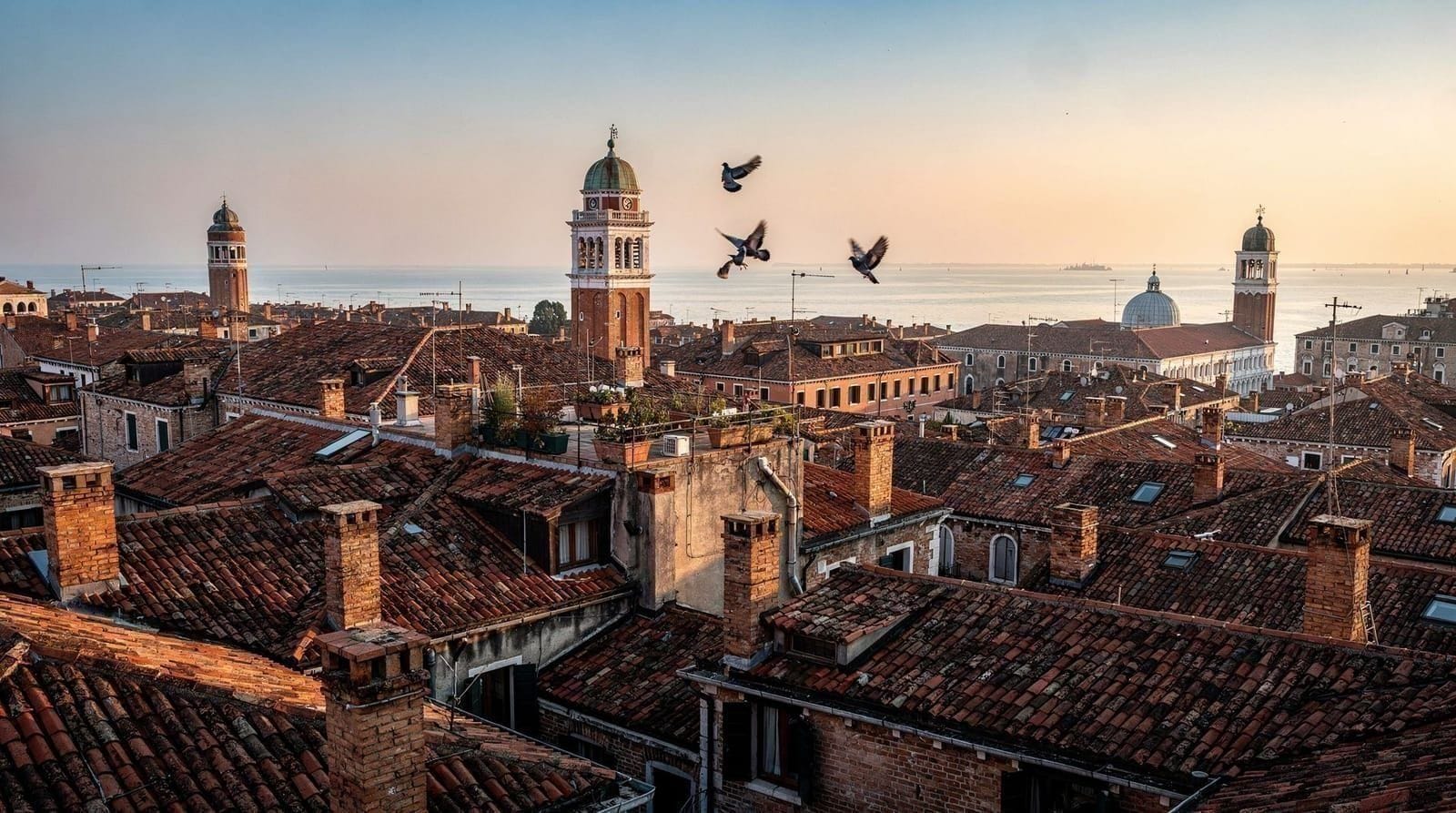
Arrive early. The piazza before 9am belongs to pigeons, early-rising photographers, and the odd café worker setting up chairs. The light on the Basilica’s facade is extraordinary in the first hour after sunrise. Walk the full perimeter of the square, cross to the waterfront Riva, and look back at the whole composition from the Molo landing stage.
The St Mark’s Basilica opens at 9:30am for pre-booked visitors; the queue for walk-ins in peak season can stretch 90 minutes. Book in advance and be inside by 9:35am.
St Mark’s Basilica skip-the-line entry with audio appAllow 45 to 60 minutes inside. The standard entry covers the main nave and apse mosaics. Add the terrace ticket (separate, around €7) if you want elevated views over the piazza.
10:30am — Doge’s Palace
Walk 90 seconds to Doge’s Palace, one of the most significant buildings in European political history. The Secret Passageways tour — small group, 90 minutes — takes you through the Council of Ten’s hidden offices and Casanova’s prison cell. Standard entry (no guide) is also excellent if you are self-guided.
Doge’s Palace Secret Passageways tourExit by noon. You have earned a coffee. Caffè Florian on the piazza charges €12 for a cappuccino but the interior is a UNESCO-adjacent piece of 18th-century theater — go once, for one drink, standing. Or walk two minutes east to Bar ai Nomboli for €1.50.
Afternoon: Dorsoduro and the Grand Canal
12:30pm — Lunch near Campo San Barnaba
Cross the Accademia bridge (wooden, wide views of the Grand Canal) into Dorsoduro and find lunch near Campo San Barnaba. Osteria ai Artisti (Fondamenta della Toletta) does honest pasta for €12–15. Avoid any spot with a standing menu in five languages near the Zattere waterfront.
2:00pm — Accademia or Peggy Guggenheim
Two world-class museums within 200 metres of each other. The Accademia gallery is essential for anyone interested in Venetian painting: Bellini’s polyptychs, Carpaccio’s cycle of St Ursula, Titian’s enormous Presentation of the Virgin. Allow 1.5–2 hours. Book tickets online to skip the queue.
The Peggy Guggenheim Collection is modern international — Picasso, Ernst, Pollock, Dalí — in the low palazzo Guggenheim bought unfinished and left deliberately truncated. Its terrace opens directly onto the Grand Canal. Allow 1.5 hours. If you are serious about art, do both on different days; two museum visits back-to-back in heat is ambitious.
4:00pm — Gondola ride from Dorsoduro
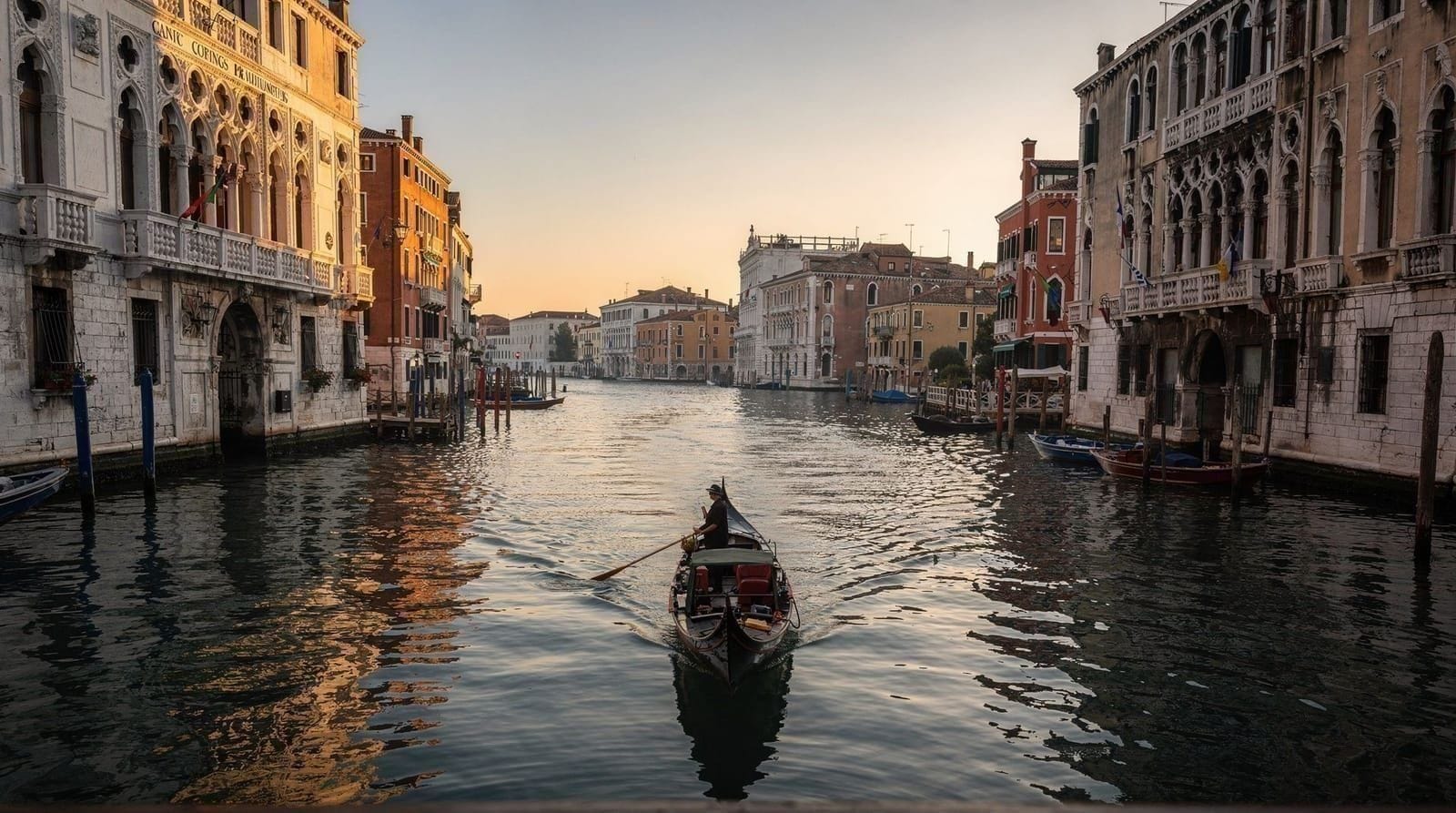
The gondoliers along the Zattere waterfront or near Campo San Stefano offer calmer routes than those near San Marco. A shared ride is around €25–30 per person via advance booking, or €80–90 for a private 30-minute boat. The official rates are fixed; do not accept deviations.
Shared gondola ride across the Grand Canal5:30pm — Grand Canal by vaporetto
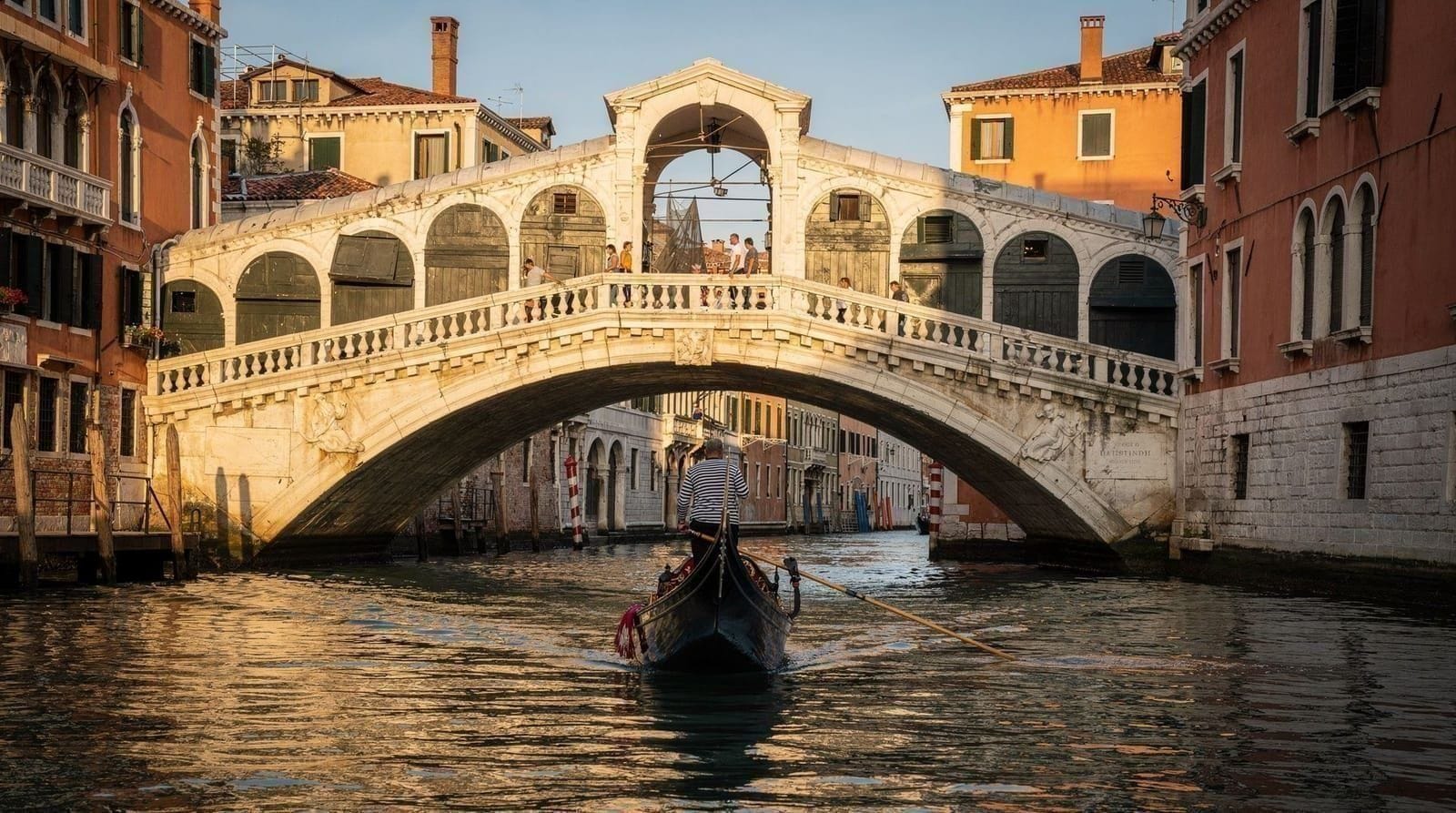
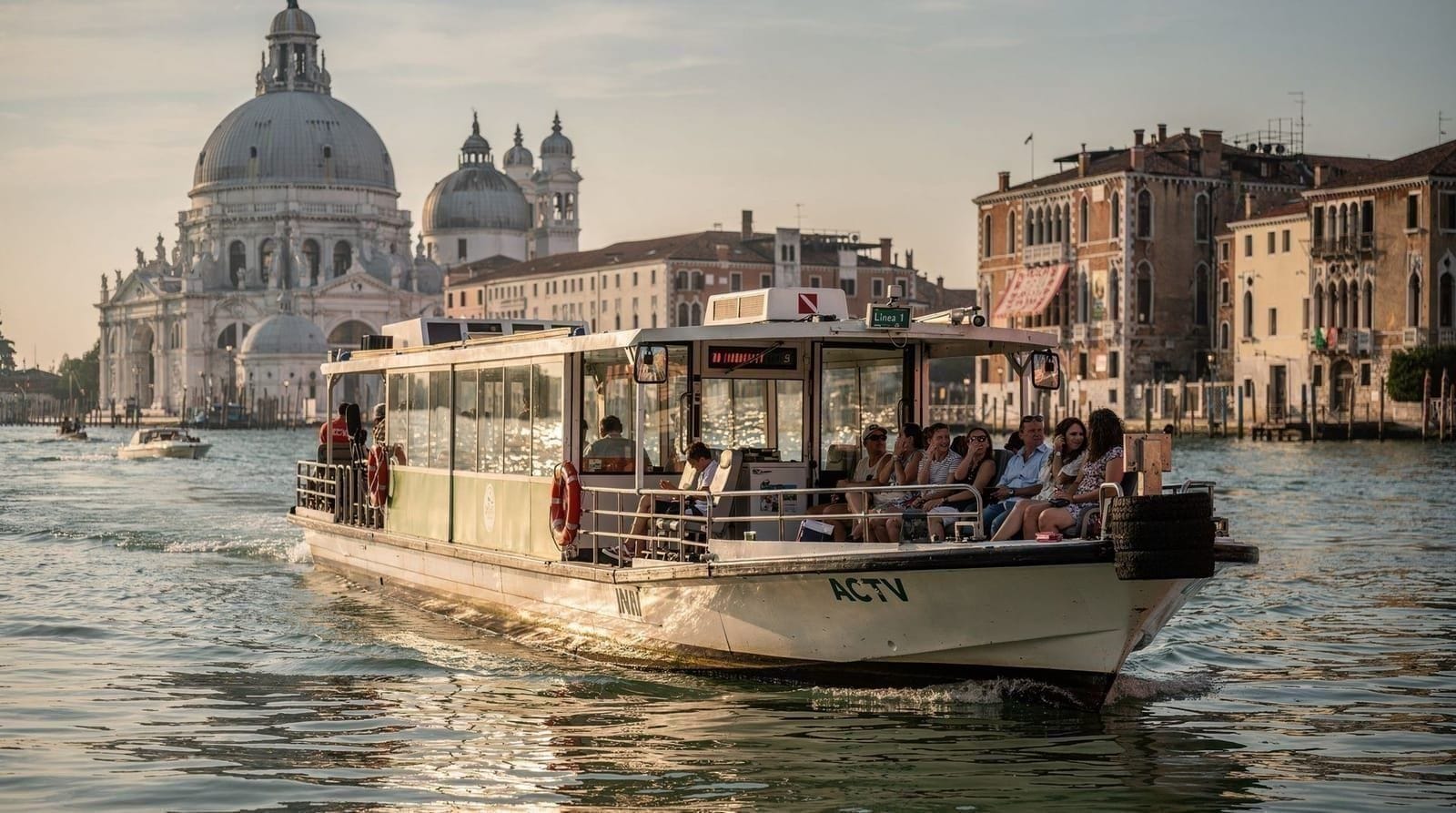
Board Line 1 at any stop and ride it from one end of the Grand Canal to the other for the price of a single vaporetto ticket (€9.50). The full ride takes 50 minutes. Sit or stand at the front or the back of the boat, not the sides. You will pass the Ca’ d’Oro, the Rialto bridge, the Ca’ Rezzonico, the Accademia, and Santa Maria della Salute — roughly 500 years of architectural ambition compressed into a single canal.
Read our Grand Canal by boat guide before you go so the palazzos have context when you pass them.
Evening: Rialto and dinner in San Polo
6:30pm — Aperitivo at the Rialto
The bacari clustered around the Rialto market — All’Arco, Do Mori, Bancogiro, Cantina Do Spade — fill up between 6 and 8pm with locals stopping for an ombra (small glass of house wine, €1.50–2) and a selection of cicchetti. Stand at the bar, point at what looks good, eat it with your hands. Budget €8–12 for a full aperitivo.
Read the bacari guide for a map of the best options by neighbourhood.
8:00pm — Dinner in San Polo
San Polo beyond the market has genuine neighbourhood restaurants. Osteria da Fiore (via Mazzini) is the neighbourhood’s finest, booked weeks in advance at €60+ per person. For a good mid-range option, Trattoria alla Madonna (Calle della Madonna) does Venetian seafood classics without the tourist premium.
Day 2: Cannaregio, Castello, and the quiet Venice
Morning: Cannaregio and the Jewish Ghetto
8:30am — Cannaregio by foot
Take the vaporetto to the train station (Ferrovia) and walk east along the Fondamenta degli Scalzi and the Strada Nova. Cannaregio is the residential north of Venice — longer streets, fewer tourists, corner bars where the coffee is €1.10 and nobody is watching.
The Jewish Ghetto is a 15-minute walk from the station. Founded in 1516, it was the world’s first formally designated Jewish quarter; the word “ghetto” derives from the Venetian word for the copper foundry that previously occupied the land. Five synagogues survive, several still in use. Guided tours of the museum and synagogues run regularly and cost around €12; they are the only way to enter most of the interiors.
10:00am — Fondamenta della Misericordia
Continue east to the Fondamenta della Misericordia, a canal-side street that is one of Venice’s best bacaro strips. At 10am the bars are serving coffee and cornetti; by noon they transition to wine and cicchetti. Several have tables directly on the water.
11:30am — Santa Maria dei Miracoli
One of Venice’s most beautiful small churches, the Miracoli (built 1481–89) is entirely clad in coloured marble inside and out — it looks like a jewel box that wandered off from a more extravagant commission. Entry costs around €3. Easily missed by anyone following a conventional tourist route; easily found if you are wandering Cannaregio.
Afternoon: Castello and the waterfront
12:30pm — Lunch in Castello
Cross from Cannaregio into Castello — the eastern sestiere that extends to the shipyard of the Arsenale. This is where the working city lives. Lunch at Trattoria Corte Sconta (Calle del Pestrin) or Al Covo (Campiello della Pescaria) — both serve market-fresh Venetian seafood at honest prices (€30–45 per person with wine) and both require a reservation.
2:30pm — Riva degli Schiavoni and the Biennale gardens
The waterfront promenade from San Marco east to the Arsenale gate is one of the great walks in Venice — wide, breezy, with views of the lagoon and the distant Lido. The Biennale gardens (open when the Biennale is running, 2026 edition opens in April) extend beyond the Arsenale into a shaded park of national pavilions.
Continue to the church of San Giovanni e Paolo (known locally as Zanipolo), the Pantheon of Venice — 25 doges are buried here, and Bellini, Veronese, and Titian all painted for it.
4:00pm — Hidden canals in Castello
The streets east of Campo Santa Maria Formosa and north of the waterfront are among the least-visited in the city. Get deliberately lost here. The canal-side fondamente between San Francesco della Vigna and San Pietro di Castello are quieter than anywhere else in the historic centre. Our Castello guide has a suggested walking route.
5:30pm — Sunset from the Accademia bridge or Punta della Dogana
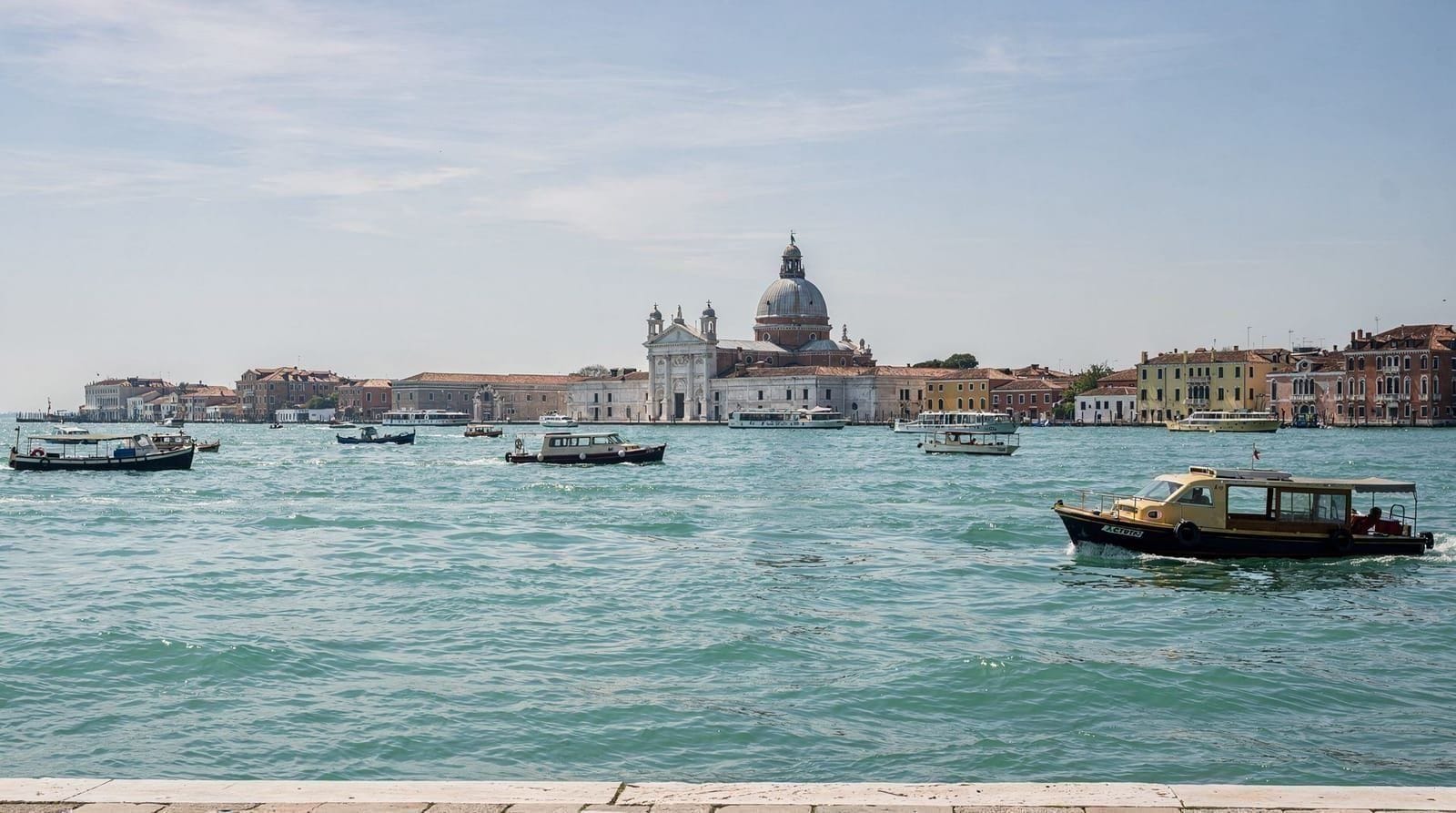
Two good sunset viewpoints: the Accademia bridge (wide view of the Grand Canal with Santa Maria della Salute), and the Punta della Dogana (the very tip of Dorsoduro, where the Grand Canal meets the Giudecca canal). Both are free. The sunset photography guide covers timing by month.
Evening: aperitivo and dinner in Dorsoduro
6:30pm — Spritz in Campo Santa Margherita
The most convivial square in Venice at the aperitivo hour. Students, locals, and a well-calibrated mix of tourists occupy the outdoor tables; a spritz at the un-tourist-inflated bars (Bar Rosso, Bar ai Pugni) runs €3.50. Plan to stay longer than you intended.
8:00pm — Dinner in Dorsoduro
Osteria Ai Quattro Ferri (Calle Lunga San Barnaba), Trattoria ai Cugnai (Piscina del Forner), and Osteria Enoteca Ai Artisti are all within five minutes’ walk of Campo Santa Margherita. Expect €30–45 per person for a full dinner with wine. Book ahead for Friday and Saturday.
What to do if it rains
Venice in the rain is not a disaster. The covered Procuratie arcades around Piazza San Marco are free to walk under; the interior museums (Doge’s Palace, Accademia, Guggenheim) are exactly as good in rain as in sun. The churches on the Chorus Pass provide dry shelter with world-class art.
The main disadvantage of rain is the photography — the famous canal reflections disappear in rain, and the light is flat rather than golden. The main advantage is that the outdoor tourist groups shrink significantly, and the narrow calli feel more atmospheric in light rain than they do on a hot August afternoon.
Acqua alta (the tidal flooding that affects parts of Venice October–March) is actually manageable in rain boots or disposable boot covers. The acqua alta guide explains the forecasting system and the raised wooden passerelle platforms.
Understanding Venice’s layout in two days
Two days is enough to develop a rough mental map of Venice — the six sestieri (neighbourhoods), the S-curve of the Grand Canal, and the bridges that connect the main island’s parts. Here is the simplest orientation:
San Marco (southeast) is the tourist core — the Basilica, the Palazzo, the Campanile, and the most crowded streets in Italy. Everything within 5 minutes of the piazza is tourist-facing.
San Polo and Santa Croce (west, either side of the Rialto) are where the market and the best bacari concentrate. The streets between the Rialto and Campo San Polo are the most Venetian of any in the main tourist circuit.
Dorsoduro (south) is the arts quarter — the Accademia, Guggenheim, Ca’ Rezzonico, and Campo Santa Margherita. The Zattere waterfront faces south across the Giudecca canal and has the best afternoon sun in the city.
Cannaregio (north) is the residential neighbourhood with the most intact local life. The Strada Nova is the main artery; the side streets off it are genuinely quiet. The Jewish Ghetto is here.
Castello (east) is the largest sestiere and the least visited by tourists. It extends to the naval Arsenale and beyond to the far eastern tip of the island, which functions like a small village.
Santa Croce (northwest) is the smallest and least distinctive sestiere — mostly transit territory between the train station and Dorsoduro, but with some excellent bacari.
Practical notes
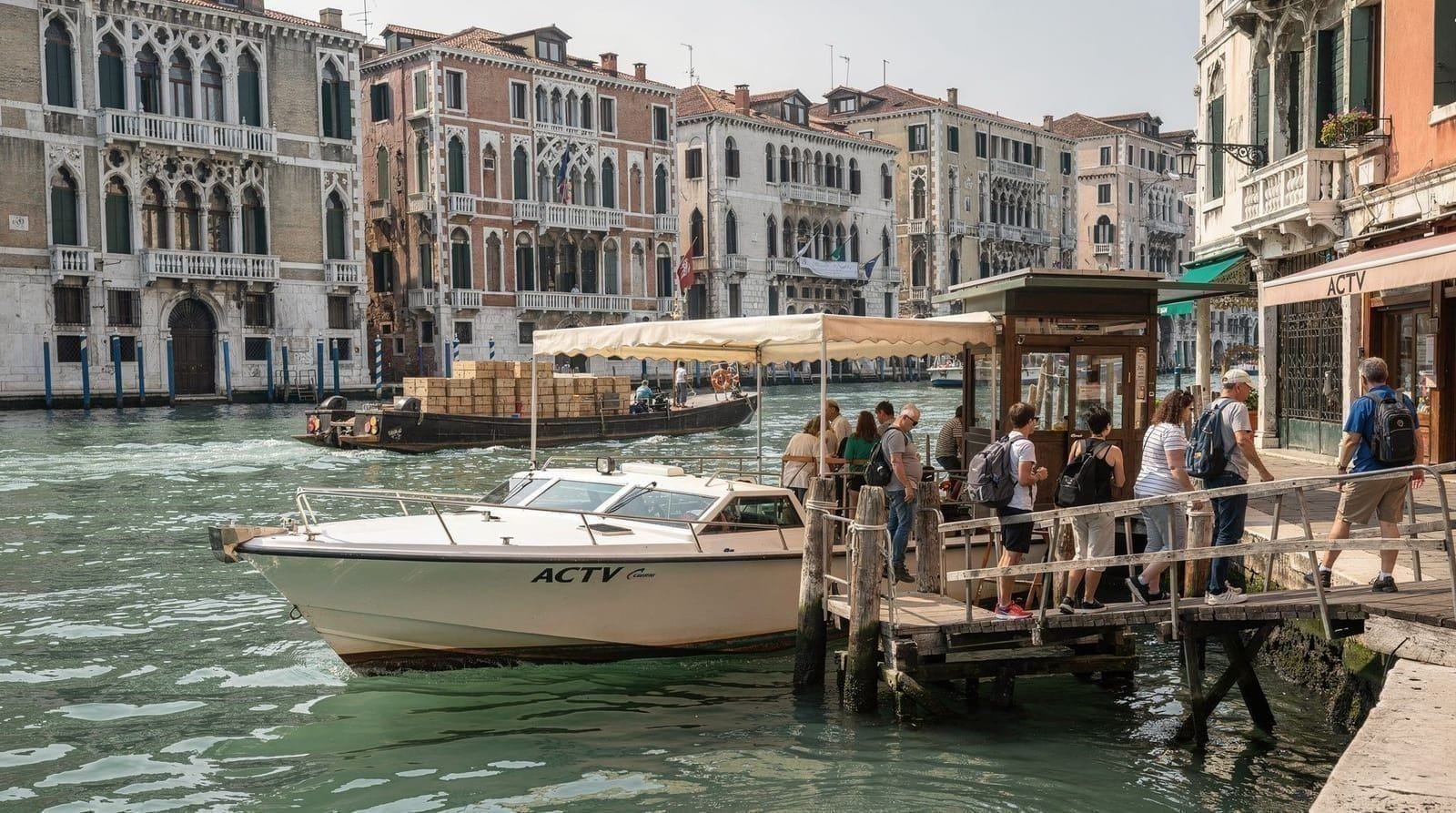
Vaporetto: A 48-hour pass (€35) makes financial sense over two full days versus buying singles at €9.50. Buy at the ACTV booths at Piazzale Roma or any major vaporetto stop. Validate before boarding.
Pre-booking: Doge’s Palace and St Mark’s Basilica are essential to pre-book. The Accademia has shorter queues but online booking still saves time. The Peggy Guggenheim has timed entry; book a day ahead in high season.
Contributo di Accesso: Check the current calendar at venicevisitpass.com. The access fee applies on peak days between 8:30am and 4pm. Hotel guests are exempt; day visitors pay €5 in advance.
Shoes: Two days of walking in Venice means 15–20km across uneven stone. Wear shoes with real support. Cobblestones, bridge steps, and wet fondamente after rain are relentless on inadequate footwear.
The food and drink two-day plan
A two-day Venice food strategy: eat cicchetti standing at a bacaro for at least one meal per day, sit down for one serious dinner, and treat every coffee as an opportunity to stand at the bar like a local.
Day 1 eating:
- Morning: coffee and cornetto standing at the bar (€2.50)
- Lunch: cicchetti at All’Arco or Do Mori near the Rialto (€10–12)
- Aperitivo: spritz at Campo Santa Margherita (€3.50)
- Dinner: sit-down at a San Polo restaurant (€35–50 per person with wine)
Day 2 eating:
- Morning: coffee and pastry at a Cannaregio bar (€2.50)
- Lunch: cicchetti near the Jewish Ghetto or Campo Santi Giovanni e Paolo (€10–15)
- Aperitivo: spritz on the Fondamenta della Misericordia (€3.50)
- Dinner: Trattoria Corte Sconta or Al Covo in Castello (€40–55 per person, book ahead)
What the budget looks like: A mid-range day in Venice — two museum entries (€35–45), one sit-down meal (€40–50 per person), one cicchetti lunch (€12), aperitivo (€4), and the 48-hour vaporetto pass (€35/2 days = €17.50/day) — comes to approximately €110–130 per person per day. Budget travellers can reduce this significantly by skipping the sit-down dinner in favour of a cicchetti dinner (€15–18 total).
Where not to eat: The where to eat San Marco guide covers the specific streets where tourist-trap restaurants concentrate. The key signal is a printed menu in 5+ languages displayed at the street level with photos. This is not a guarantee of bad food, but it is a strong indicator.
Doing this itinerary with kids
The pacing above works for families with a few adjustments. Cut the second Dorsoduro museum on day one — one museum plus a gelato stop keeps energy levels manageable — and treat the Grand Canal vaporetto ride as an activity in itself rather than pure transport; children generally love it more than the museums. The Jewish Ghetto’s open squares on day two give room to run that the narrower San Marco streets do not. See the family-friendly Venice guide for age-specific tips, and consider our three-day itinerary built specifically for families if two days feels tight with children in tow.
This itinerary at a glance
| Day | Morning | Afternoon | Evening |
|---|---|---|---|
| Day 1 | St Mark’s Basilica + Doge’s Palace | Dorsoduro museums + Grand Canal ride | Rialto aperitivo + San Polo dinner |
| Day 2 | Cannaregio + Jewish Ghetto | Castello + waterfront walk | Campo Santa Margherita + Dorsoduro dinner |
Swapping the order if you arrive in the afternoon
Not every trip starts with a full morning. If your train or flight lands after midday on day one, flip the plan: start with the Fondamenta della Misericordia aperitivo and a Cannaregio dinner that evening, then do the full San Marco morning fresh on what was originally day two. The Doge’s Palace and St Mark’s Basilica both keep afternoon slots available for pre-booked visitors, so nothing here strictly needs a morning start — only the light for photography is better early. The getting around Venice guide has current transfer times from the airport and the train station if you need to plan the exact swap.
Making it a slower two days
If two days feels rushed even with this pacing, the easiest fix is not adding a third day but subtracting one activity per day. Drop the second museum on day one (pick either the Accademia or the Peggy Guggenheim, not both) and skip the Biennale gardens detour on day two if the exhibition is not running. Both cuts free up roughly 90 minutes for unscheduled wandering, which is where most people say their best Venice memories actually happened. Our avoiding crowds guide has more on pacing a trip around Venice’s rhythms rather than against them.
Frequently asked questions about this two-day Venice itinerary
Should I do the big landmarks on day one or day two?
Day one, without question. Getting the Doge’s Palace and Basilica done early means you walk into day two with a lighter mental load and can follow curiosity rather than a checklist.
Can I fit a lagoon island trip into two days?
Not comfortably. A half-day trip to Murano and Burano takes 4–5 hours minimum and competes directly with afternoon museum time. If islands matter to you, book three days — see the three-day Venice itinerary, which includes the islands on day three.
What is the vaporetto schedule like after midnight?
Night service (Notturno) runs roughly every 20–40 minutes after midnight on Lines N and the mainline routes. Timetables are available on the ACTV website. Avoid taxis unless you have agreed a fixed price in advance.
How much does two days in Venice cost, realistically?
A mid-range two-day budget: €80–100 for accommodation (hostel/guesthouse; hotels start higher), €40–60 per day for food and drink (cicchetti aperitivo at €10, main meal at €35–45), €35 for the 48-hour vaporetto pass, €50–80 for Basilica, Doge’s Palace, and one museum. Total roughly €300–400 per person excluding accommodation. See our Venice on a budget guide for lower-cost options.
Are there free things worth doing in Venice?
Many. All churches with the Chorus Pass (€12 for 16 churches) include remarkable art; several individual churches are free. The Rialto market is free to walk through. All campi and waterfront promenades are free. The Biennale national pavilion gardens are free in the off-season. See free things to do in Venice.
What should I do if I hit acqua alta?
Check the MOSE barrier status and the city’s tide forecast service (Comune di Venezia). Since the MOSE barriers became operational in 2020, the most severe flooding events are rarer, but moderate acqua alta (80–100cm) still occurs October to March. Raised wooden platforms (passerelle) are deployed across the main routes. Waterproof boots or boot covers help. The acqua alta guide covers preparation in detail.
Is it better to book a gondola on day one or day two?
Day one fits the schedule above better, since it follows straight on from the Dorsoduro museums, but either day works logistically. Booking ahead matters more than the day you choose — walk-up rates near San Marco are routinely inflated above the official association price. See the gondola prices guide before you book.
Should I stay in San Marco or somewhere quieter for two nights?
Somewhere quieter, usually. San Marco hotels put you close to the crowds you are trying to escape by evening, and cost more for equivalent quality. Cannaregio or San Polo both put you within a 15–20 minute walk of everything in this itinerary while costing noticeably less and feeling calmer at night. The where to stay guide breaks down each sestiere for different trip styles.
Top experiences
Bookable activities with verified prices and instant confirmation on GetYourGuide.