Venice
The complete guide to Venice — planning your first visit, avoiding the tourist traps, and making the most of every hour in the lagoon city.
Venice: Doge's Palace, prison and secret passageways tour
Quick facts
- Best for
- First-time visitors, history, romance, art, island-hopping
- Vaporetto hub
- Ferrovia, Piazzale Roma, San Marco Vallaresso
- Time needed
- Minimum 2 days; 3–4 days ideal
- Don't miss
- Doge's Palace secret passageways, cicchetti crawl in Cannaregio
- Access fee
- €5–€10 on peak days (hotel guests exempt)
- Vaporetto single
- €9.50 / 75 min; 24h pass €25
Planning your Venice visit: what to know before you arrive
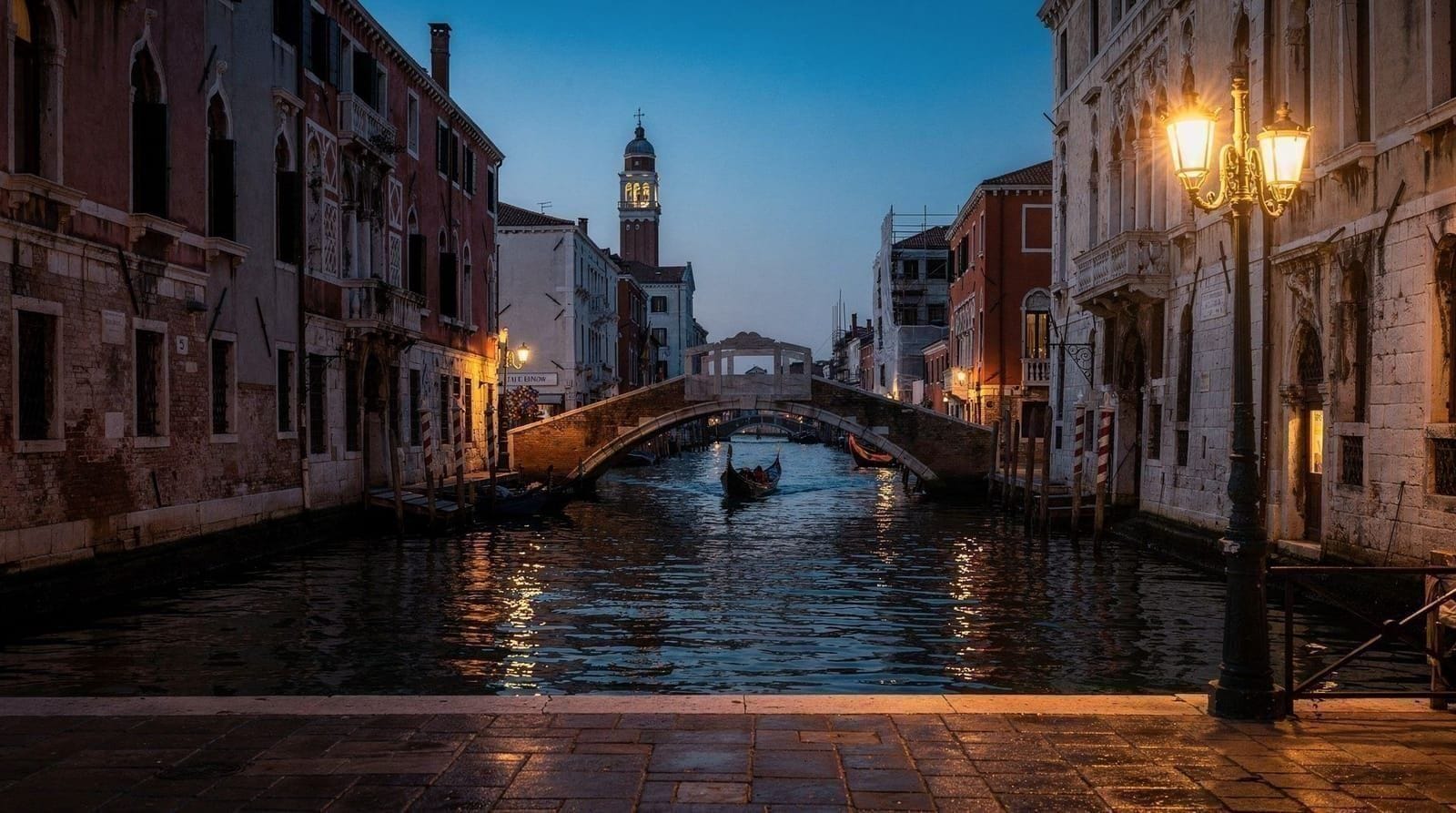
Venice is unlike anywhere else on earth — 118 small islands connected by 400-odd bridges, no roads, no cars, and a transport system run entirely by boat. But the city that has stopped travellers in their tracks for centuries now gets around 20 million visitors a year, most of them concentrated in a handful of blocks around San Marco. The difference between a rushed, over-priced experience and a genuinely memorable one comes down almost entirely to preparation: where you stay, which order you see things in, and where you eat.
This guide covers the full picture — logistics, the six historic sestieri (neighbourhoods), the lagoon islands, honest advice on what costs what, and the traps that catch most first-timers. For deeper dives into any single topic, you’ll find links to dedicated guides throughout.
| Where | Northern Italy’s Veneto region, built across a lagoon |
| Time needed | 2 days minimum, 3–4 ideal, plus 1–2 for the islands |
| Getting there | Fly to Marco Polo (VCE) or Treviso (TSF); train to Santa Lucia |
| Getting around | Vaporetto (€9.50/75 min) or walking — no cars, no taxis |
| Best time | April–May and September–October |
| Access fee | €5–€10 on ~60 peak days; hotel guests exempt |
The six sestieri at a glance
Venice’s historic centre is divided into six sestieri, each with its own character. None are more than 20–30 minutes on foot from the next.
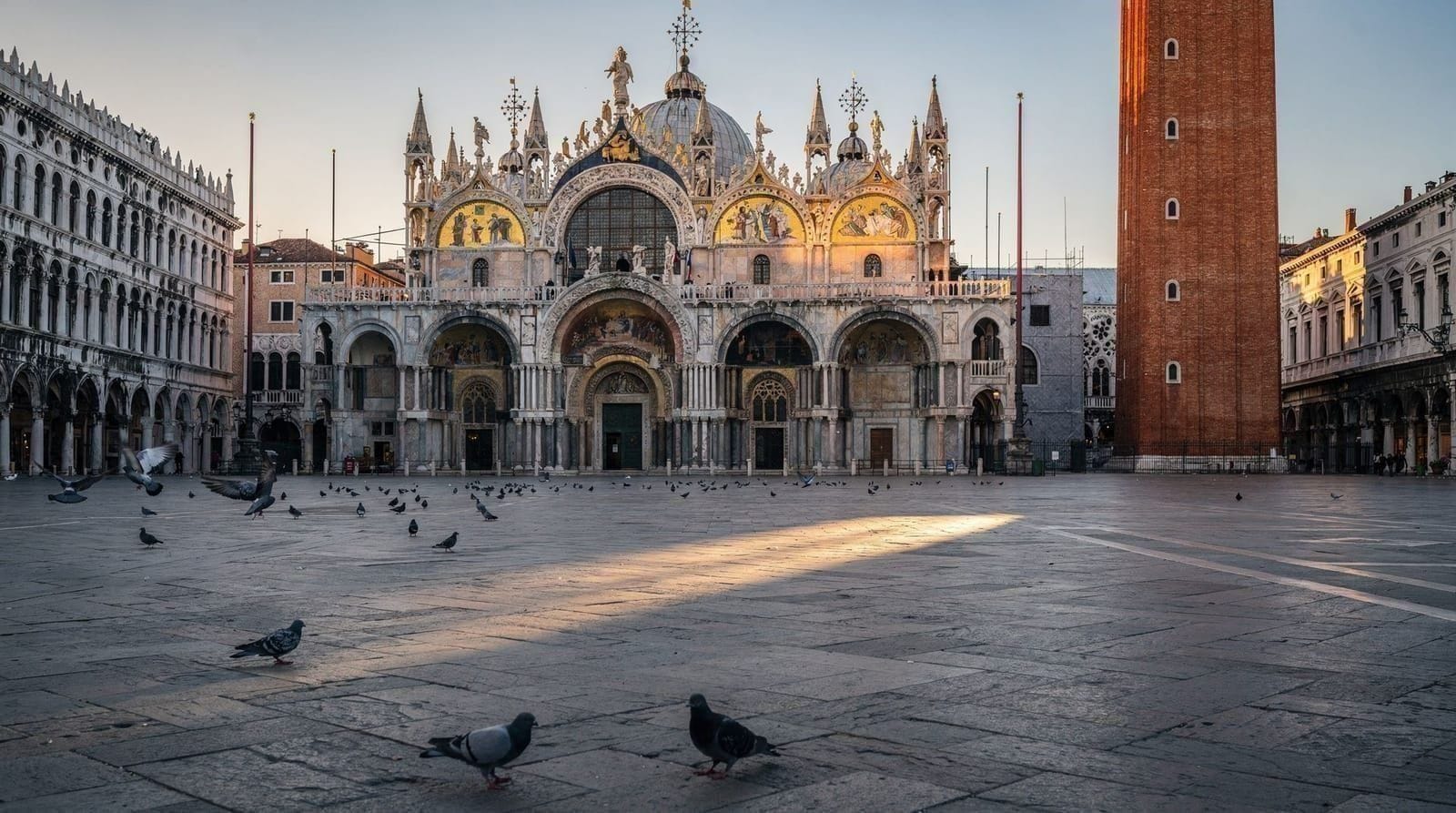
San Marco is the tourist epicentre — Doge’s Palace, St Mark’s Basilica, the Campanile, La Fenice opera house, and the most expensive restaurants in the city. It is spectacular, crowded, and worth planning carefully. Restaurants within 200 metres of Piazza San Marco routinely charge a coperto (cover charge) of €3–6 per person on top of already-inflated prices; read our honest guide to San Marco restaurant traps before you book a table near the square. See the full San Marco destination guide.
Cannaregio stretches north from the train station to the lagoon edge. It contains the world’s first Jewish Ghetto (established 1516), the best concentration of authentic bacari (wine bars), and far fewer tourist crowds once you move away from the Lista di Spagna main drag. If you want to understand everyday Venetian life, Cannaregio is your neighbourhood. See the full Cannaregio guide.
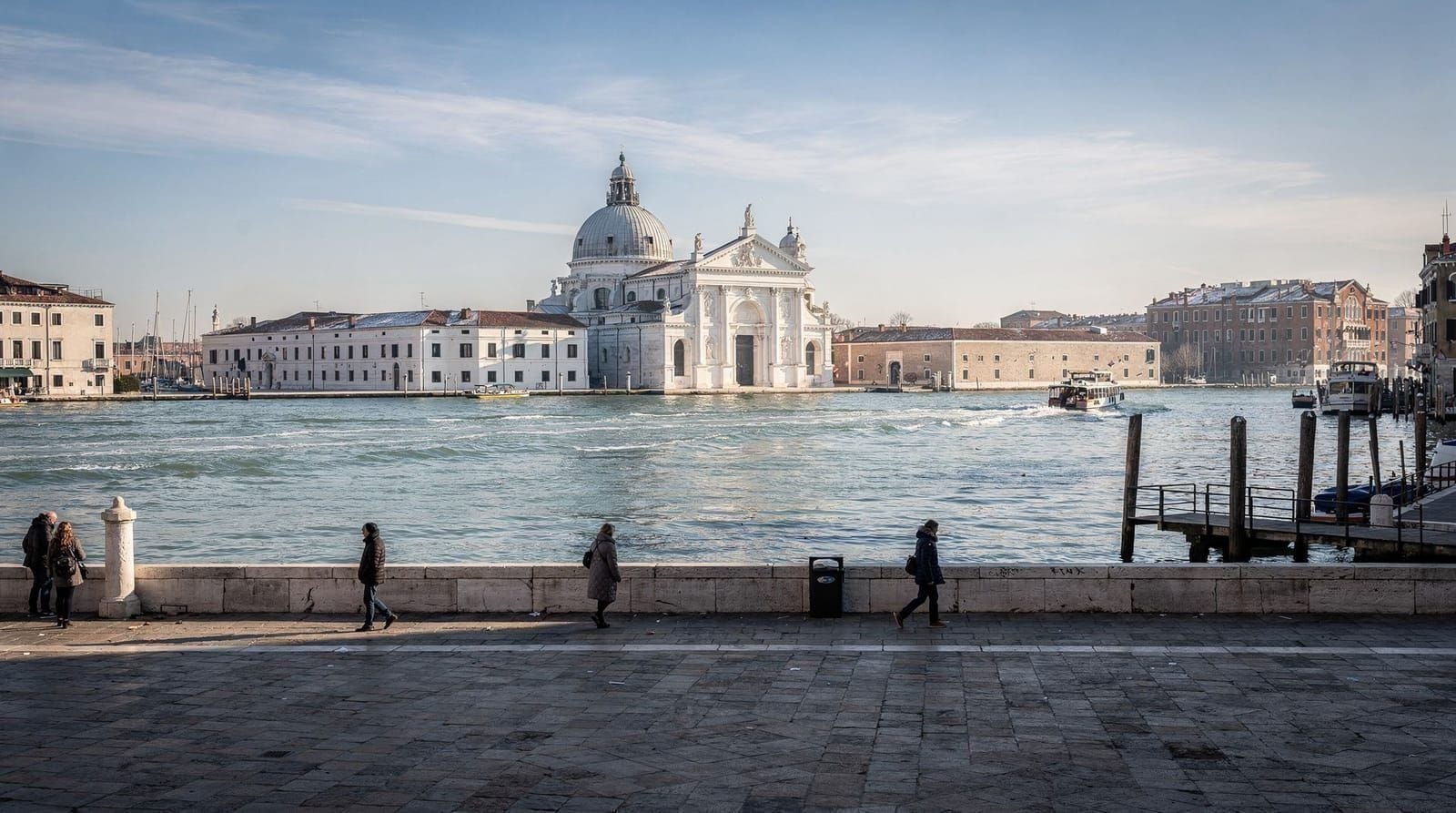
Dorsoduro occupies the southwestern tip of the main island. Home to the Accademia gallery, the Peggy Guggenheim Collection, the Punta della Dogana contemporary art space, and Campo Santa Margherita — the liveliest square for an evening spritz. It is simultaneously Venice’s art district and one of its most liveable sestieri. See the full Dorsoduro guide.
Castello is the largest sestiere, stretching east from San Marco to the Arsenale shipyard and beyond. It is quieter than the tourist core, home to the Biennale pavilions (every odd year for art, every even year for architecture) and to the Riva degli Schiavoni waterfront promenade. See the full Castello guide.
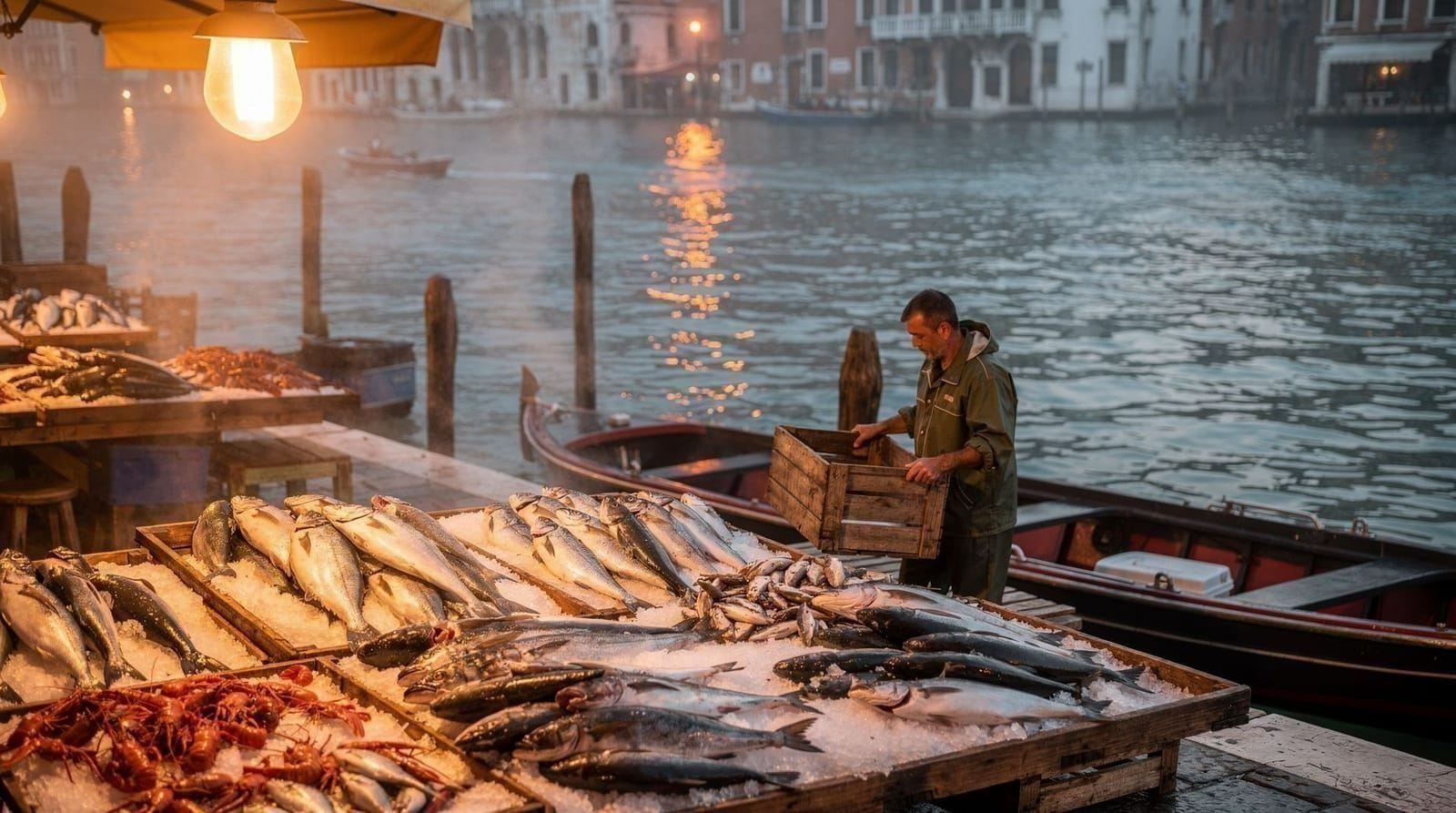
San Polo is compact and dense around the Rialto bridge and market. The famous Rialto fish and produce market (Tuesday–Saturday mornings) has supplied Venice’s kitchens for centuries. San Polo is also home to the Frari church, one of Venice’s greatest Gothic buildings. See the full San Polo guide.
Santa Croce borders San Polo and Cannaregio and contains Piazzale Roma, Venice’s bus and car terminal. It is the least visited sestiere — a mix of quiet residential streets, the Ca’ Pesaro modern art museum, and the Fondaco dei Turchi natural history museum. Excellent for first-morning walks before the crowds arrive. See the full Santa Croce guide.
Getting in: transport options from the airports
Venice has two airports: Marco Polo (VCE), the main international hub 12 km away, and Treviso (TSF), about 30 km out, used mainly by Ryanair.
From Marco Polo (VCE): The most scenic option is the Alilaguna water bus — around €18 one way, roughly 60–75 minutes depending on the line, drops you directly at stops inside the historic centre. Shared water taxi: around €35 per person, faster (30–35 min). Private water taxi: €120–180 for the whole boat regardless of passengers — good value for groups of four or more. Land bus to Piazzale Roma then vaporetto is the budget option at around €8 total but takes similar time to Alilaguna. Read the full Marco Polo airport transfer guide for all options compared.
From Treviso (TSF): The ATVO express bus to Piazzale Roma takes about 70 minutes, costing around €12. Trains via Treviso to Venezia Santa Lucia are an option but require a bus or taxi to the train station first.
By train: Venezia Santa Lucia station sits right on the island — step off the train and you are already in Venice, with the Grand Canal in front of you. Most Italian cities connect here directly. See the arriving by train guide for luggage storage options.
Getting around: vaporetto, walking, and the traghetto
There are no taxis in the conventional sense inside Venice. You walk or take the vaporetto (water bus).
Vaporetto (ACTV): A single ticket costs €9.50 and is valid for 75 minutes. If you plan to use the vaporetto more than twice in a day, the 24-hour pass at €25 makes sense. The 48-hour pass is €35, 72-hour €45. The No. 1 and No. 2 lines run the full length of the Grand Canal — the No. 1 (slower, stops everywhere) is the best way to see the Grand Canal from water level on your first day. Read the complete vaporetto guide before you navigate.
Walking: Most of Venice’s famous sights are within walking distance of each other in the main island. Google Maps works well, but Venice’s calli (alleyways) don’t always match digital maps — expect to get slightly lost, which is part of the pleasure.
Traghetto: The flat-bottomed gondola ferry that crosses the Grand Canal at six fixed points costs €2. Standing room only, locals ride it daily. Much cheaper than taking a gondola or a vaporetto around the canal when you just need to cross.
Private gondola: Official rates are €80–90 for 30 minutes during the day, €100–120 in the evening. These are the regulated tariffs — confirm the price and duration in writing before boarding. See the full gondola prices guide for everything you need to know and our gondola vs traghetto comparison.
The access fee (Contributo di Accesso)
Since April 2024, Venice has charged a €5 day-trip fee (€10 if paid on the day) on around 60 peak days per year, between 8:30 and 16:00. The fee applies to anyone aged 14 or over entering the historic centre during those hours. If you are staying overnight in a Venice hotel or B&B you are automatically exempt — your accommodation tax covers it. Check current dates at venicevisitpass.com before you travel. See our full access fee explainer.
Where to stay in Venice
The obvious advice — stay on the island, not in Mestre — is correct. The extra expense (typically €40–100 more per night) pays for itself in saved vaporetto fares, but more importantly in the experience of Venice after the day-trippers leave. The city at 8pm, when the streets thin out, is a different place.
Sestiere by feel: San Marco and Dorsoduro are the most convenient but most expensive. Cannaregio near the Ghetto and Castello near the Arsenale offer better value and more local atmosphere. Santa Croce near Piazzale Roma is practical for very early or late departures. Our complete where-to-stay guide covers every neighbourhood’s tradeoffs.
The lagoon islands
Venice’s lagoon contains over 40 islands. The main day-trip destinations are Murano (glass), Burano (lace and colour-painted houses), and Torcello (ancient cathedral, silence, and Sant’Erasmo vegetable farms nearby). A morning on Murano and an afternoon on Burano makes a near-perfect day. Read the dedicated lagoon islands day trip guide and the how to visit Murano and Burano guide.
Half-day boat tour to Murano, Burano and TorcelloTickets, passes, and skip-the-line reality
Doge’s Palace and St Mark’s Basilica both have significant queues during peak season. Skip-the-line tickets for Doge’s Palace are genuinely worth it in summer — standard queues can be 60–90 minutes. St Mark’s Basilica requires timed entry in peak months; the free entry queue is separate from the paid fast-track. The Campanile (bell tower) has shorter queues but fills up.
Our Venice tickets and passes comparison explains the Museum Pass, the Chorus Pass, and individual skip-the-line options honestly. See also is St Mark’s skip-the-line worth it?.
Doge’s Palace — prison and secret passageways tourFood: cicchetti, bacari, and what things actually cost
The heart of Venetian food culture is the cicchetto — a small, open-faced snack on bread or polenta, served at a bacaro (wine bar) alongside an ombra (small glass of local wine) or a spritz. A round of cicchetti with wine at a good bacaro runs €12–20 per person, depending on appetite. This is how locals eat lunch.
Avoid sitting down at restaurants near Piazza San Marco for anything beyond a coffee — the coperto charges, inflated fish dishes, and mandatory extras (water, bread, service) add up fast. The best restaurant areas are in Cannaregio, Dorsoduro, and San Polo. A solid mid-range dinner with wine runs €35–55 per person at a genuine trattoria.
For recommended bacari, see the best bacari guide and the cicchetti guide. For food tours that cover the Cannaregio side of the city, see the Venice food tour guide.
Eat like a local: Venice food tour with wine and spritzSeasonal considerations
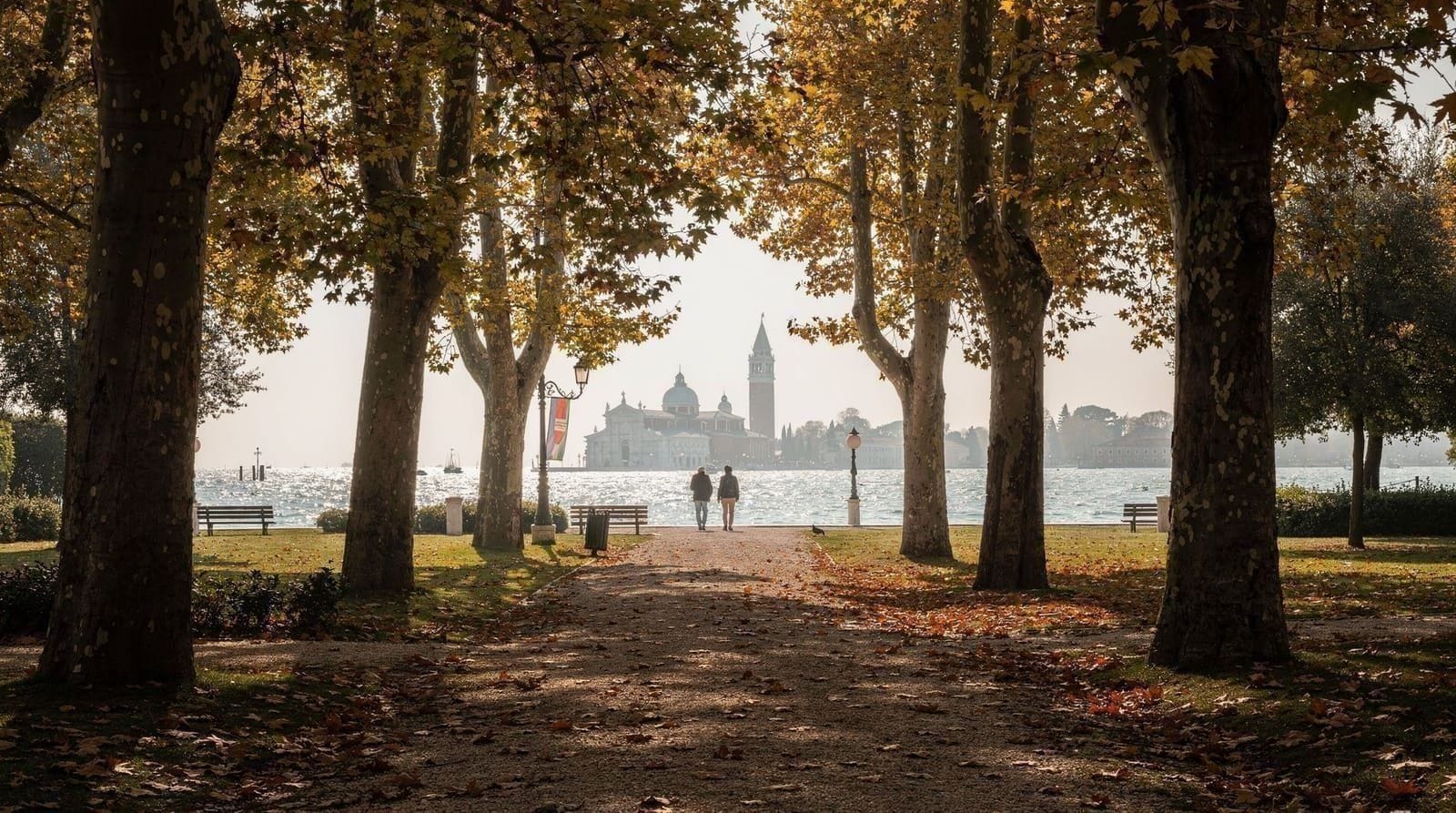
April–May and September–October are the sweet spots — comfortable temperatures (15–22°C), manageable crowds, full services. Easter week is the notable exception: crowds spike across the board.
Summer (June–August) is hot (often 28–32°C with high humidity), crowded, and expensive. The Redentore festival on the third weekend of July (18–19 July 2026) draws big crowds but is one of Venice’s most beautiful events.
Winter (November–March) offers hotel prices 30–40% lower, clear winter light, and occasional acqua alta (high water). Acqua alta is not the catastrophe some people imagine — the MOSE flood barrier has significantly reduced serious flooding since 2020, and most events are temporary (2–4 hours, affecting mainly San Marco’s lower ground). Read the honest acqua alta guide and Venice in winter guide.
Carnival (2026: 31 January–17 February) is spectacular if you book accommodation months in advance. Prices double. Read Carnival 2026 guide.
Common tourist traps to avoid
- Gondola touts: Approach gondolas at official stops only. If a gondolier quotes you more than €80 (day) or €100 (evening) for 30 minutes and a standard canal route, walk away. Read fake gondola scams.
- Restaurants near San Marco: Check for the word “coperto” on any menu. A €4 coperto per person on a table of four adds €16 before you’ve ordered anything. Some places charge for bread and water regardless.
- Street sellers near Rialto and San Marco: The “free” bracelets and roses are not free. A friendly refusal is all it takes.
- Water taxis without agreed rates: Always confirm the total price before boarding a private water taxi or motor boat for hire.
For the full rundown, read Venice tourist traps and is Venice worth it?.
Day trips from Venice
The Veneto is one of Europe’s richest regions for day trips. Verona (1h15 by train) has the Roman Arena, Juliet’s balcony, and a remarkable food scene. Padua (30 min by train) has the Scrovegni Chapel — Giotto’s greatest work. The Prosecco hills (UNESCO World Heritage) make a half-day by guided tour. The Dolomites, Cortina, and Lake Garda are all reachable in a full day. See the complete day trips from Venice guide.
Money-saving strategies that actually work
Venice punishes casual spending, but a few habits change the maths noticeably. Standing at the bar (al banco) for a coffee or spritz costs a fraction of sitting at a table — a €1.20 espresso can become a €5 one the moment you sit down, even away from San Marco. Buying the vaporetto 24, 48, or 72-hour pass almost always beats single tickets if you’ll ride more than twice, and Venice residents’ ACTV rates don’t apply to visitors, so don’t be tempted by unofficial “discount” ticket sellers near the station. Lunch, not dinner, is when many good trattorie in Cannaregio and San Polo offer a fixed-price menu at a noticeably lower cost than the evening carta. Water is the other quiet expense: Venice’s tap water is safe and good, and public fountains (nasoni) are dotted through every sestiere — refilling a bottle at one saves both money and plastic. Visiting between November and March, outside Carnival, also cuts accommodation costs by 30–40% while the city is at its most atmospheric. For a fuller cost breakdown by category, see is Venice worth it? and the self-guided Venice guide for a version of the city that needs no paid tours at all.
Photography, quiet hours, and orientation
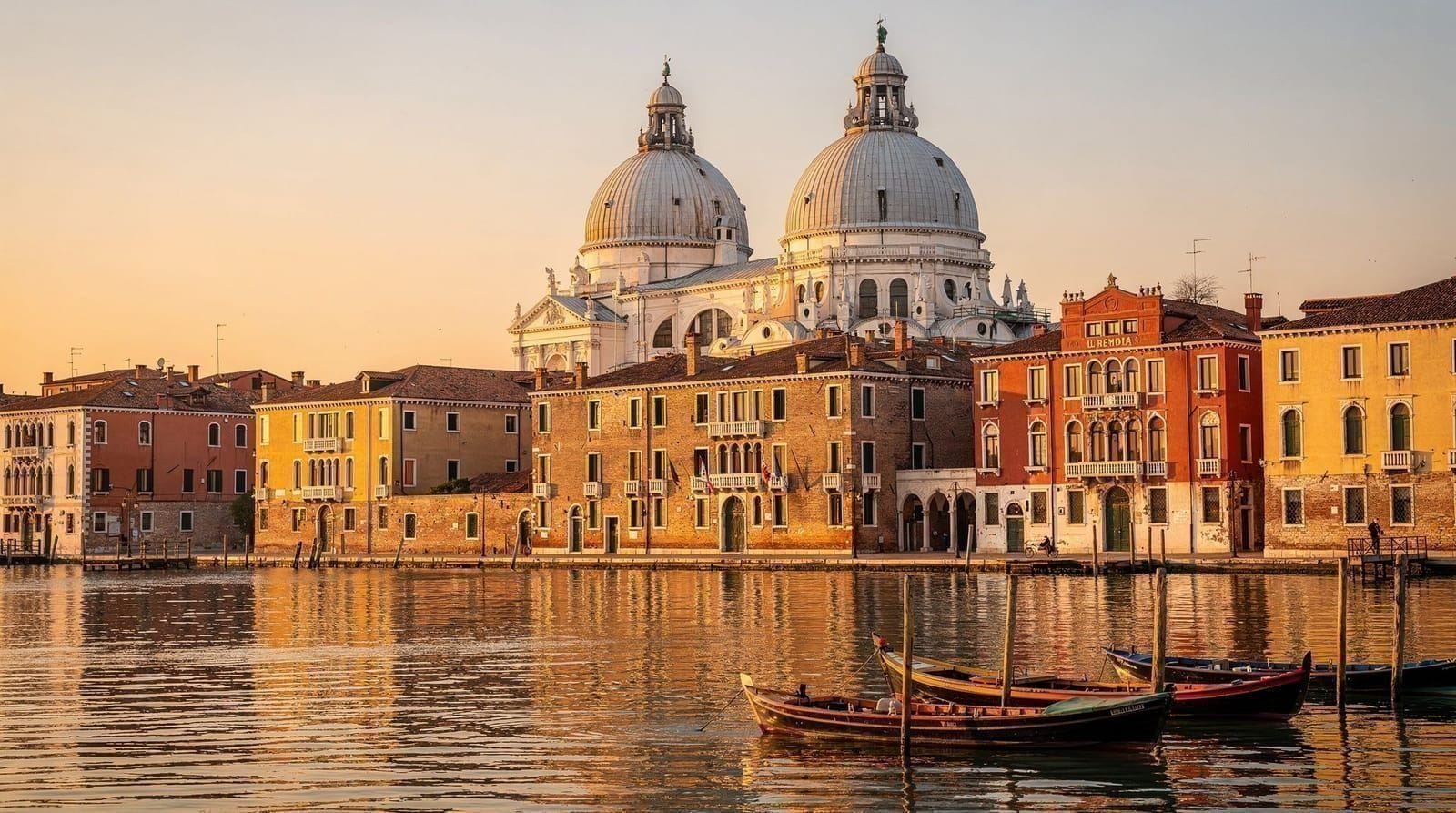
Venice rewards early risers more than almost any other European city. Between roughly 6:30 and 8:30am, before the cruise-ship and day-tripper crowds arrive, the light around the Rialto Bridge, the Zattere waterfront, and Piazza San Marco is softer and the calli are close to empty — the golden hour in Venice guide and photoshoot in Venice guide both build around this window. The same logic applies late at night: after 10pm, once the day-trip crowds have gone back to the mainland, San Marco and the Rialto take on a completely different, quieter character — see the late night Venice guide and evening in Venice guide for what’s still open. If the layout of calli, campi, and canals feels disorienting at first (it does, for almost everyone), the Venice orientation map guide explains the logic behind the address system and how the sestieri fit together, and pairs well with a first one-day or two-day itinerary if you’d rather follow a structured route than wing it.
Frequently asked questions about Venice
How many days do you need in Venice?
Two days covers the main sights (Doge’s Palace, St Mark’s Basilica, Rialto, a gondola ride, one lagoon island). Three days lets you explore the quieter sestieri and squeeze in a full island day. Four days is the sweet spot if you want to feel you’ve properly experienced the city rather than just ticked boxes. Read how many days in Venice.
Is Venice expensive?
It is one of Italy’s most expensive cities, but the gap narrows if you eat like a local. Cicchetti and wine at a bacaro costs €15–20 per person. A mid-range sit-down dinner with wine is €35–55. Hotels on the island run €150–350 mid-range in shoulder season, €200–500 in summer. The vaporetto 24h pass at €25 is one of the better value transport tickets in any European city.
When is the best time to visit Venice?
April–May and September–October. Avoid the peak summer weeks in July–August unless you are prepared for heat and crowds. Winter (November–March, avoiding Carnival peak) offers great value and a more authentic atmosphere.
Do I need to book Doge’s Palace tickets in advance?
Yes, in summer (June–August) and during Carnival. Even in shoulder season, booking 24–48 hours ahead avoids queues. The secret itineraries tour, which accesses rooms the standard ticket doesn’t include, sells out further in advance.
What is the Contributo di Accesso?
A €5 entrance fee for day visitors (not hotel guests) on around 60 peak days per year, payable online in advance or €10 on the day. Active between 8:30 and 16:00. Check venicevisitpass.com for current dates.
Is Venice safe?
Generally very safe. The main concerns are pickpockets in crowded areas (Rialto market, San Marco, train station), bag-snatchers on water buses, and acqua alta flooding of ground floors during high water events in autumn and winter. Venice has no vehicle traffic, which removes most urban safety hazards.
Can you visit Venice without paying for a gondola?
Yes — the traghetto (€2) gives you the genuine standing-gondola experience at a fraction of the price. Plenty of visitors skip private gondolas entirely without missing anything essential. If you do want one, book at an official station rather than from a tout.
What time of day is best for photos in Venice?
Early morning, roughly 6:30–8:30am, before the day-trip crowds arrive — the Rialto Bridge, Zattere, and San Marco are close to empty and the light is softer. Late evening after 10pm offers a similar, quieter atmosphere. See the golden hour in Venice guide for specific spots by time of day.
Can I see Venice without booking any tours?
Yes — the self-guided Venice guide covers a version of the city built entirely around walking, the vaporetto, and free or low-cost sights like churches and campi. Paid tours and skip-the-line tickets save time at Doge’s Palace and St Mark’s Basilica specifically, but most of Venice can be experienced without booking anything.
Top experiences
Bookable activities with verified prices and instant confirmation on GetYourGuide.