Cannaregio
Venice's most authentic sestiere — the world's first Jewish Ghetto, the best bacari crawl, and a canal-laced neighbourhood that most tourists barely enter.
Venice: Jewish Ghetto walking tour with synagogue visits
Quick facts
- Best for
- Authentic bacari, Jewish Ghetto, local life, quiet canals
- Vaporetto stops
- Ferrovia, Guglie, Sant'Alvise, Madonna dell'Orto, Orto
- Time needed
- Half a day; full day to explore the edges and Jewish Museum
- Don't miss
- Ghetto Ebraico at dusk, cicchetti at Osteria Al Portego
- Best street
- Fondamenta della Misericordia for bacari in the evening
Venice’s most genuinely local neighbourhood
Cannaregio is the largest sestiere in Venice, stretching from the train station along the northern lagoon edge to the far end of the island near the Fondamenta Nuove. It is where Venetians live in the greatest numbers, where the bacari (traditional wine bars) are most densely concentrated, and where the world’s first Jewish Ghetto was established in 1516. Most tourists rush down the Lista di Spagna — the tourist drag from the train station toward San Marco — without realising that turning left at any of a dozen points brings them into a completely different Venice.
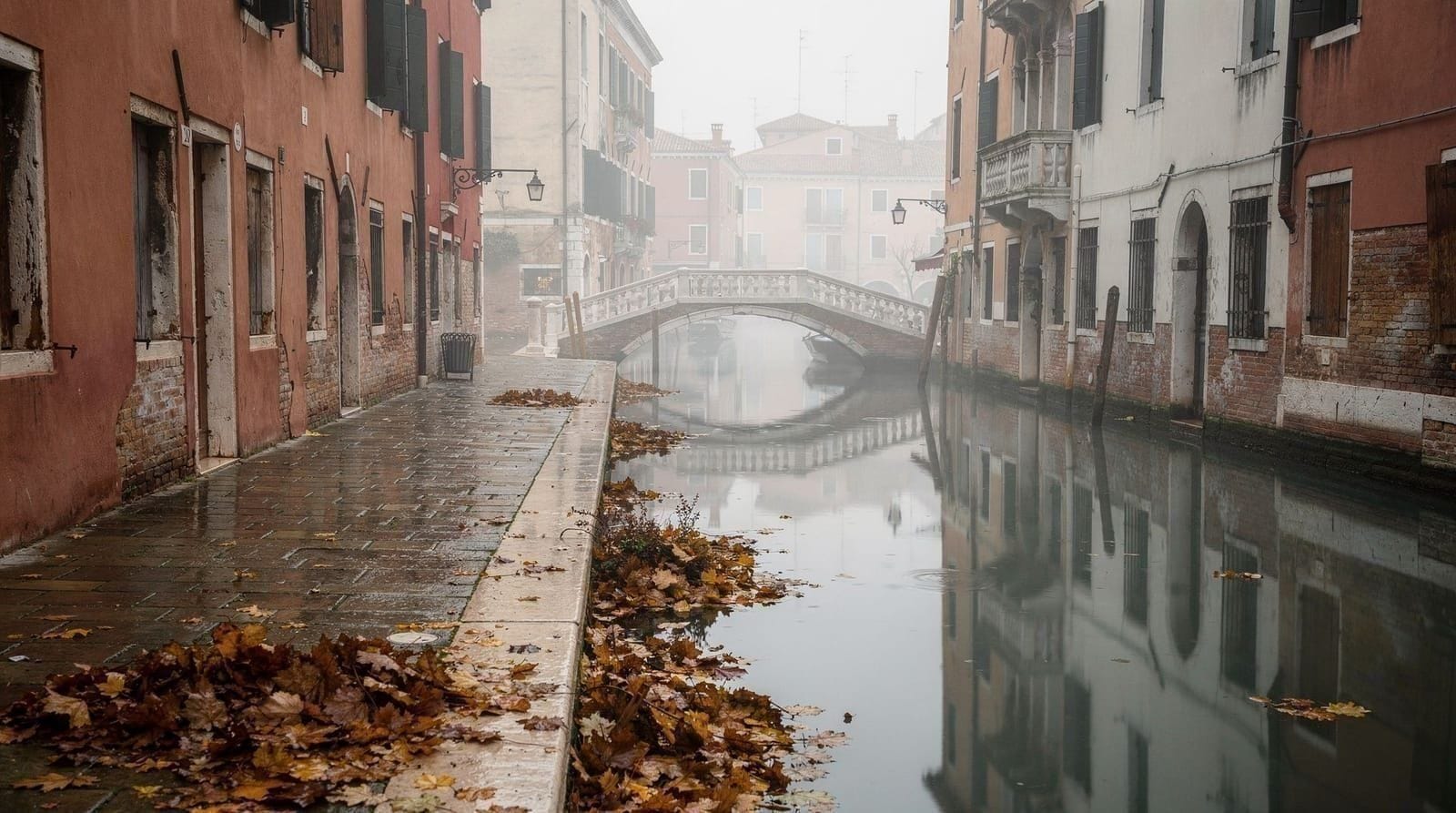
Cannaregio rewards slow exploration. The canals here are wide and uncrowded, the bridges less photographed, the calli quieter. It is also the best neighbourhood in Venice for eating and drinking well without spending a fortune.
| Where | Northern sestiere, from the train station to Fondamenta Nuove |
| Cost | Cicchetti €1.50–4 each; museum entries €3.50–15; hotels 20–40% cheaper than San Marco |
| Time needed | Half a day minimum; a full day with the Jewish Museum and the outer canals |
| Getting there | Walk from Ferrovia (train station) or vaporetto to Guglie, Madonna dell’Orto or Orto |
| Best time | Morning for the Ghetto, evening (6–9pm) for the bacari crawl |
The Jewish Ghetto (Ghetto Ebraico)
The word “ghetto” is Venetian — derived from the Venetian word “getto” (foundry) from the iron foundry that once occupied the island where the Jewish community was forced to live from 1516 onward. The Venetian Republic required Jews to live within this walled island, locked in at night, though in exchange offered them legal protections and trading rights that were relatively advanced for the era.
Today the Ghetto is a compact, quiet square — Campo del Ghetto Nuovo — surrounded by the tallest buildings in Venice (Jews could only expand vertically, so the buildings here are uniquely high, 7–8 storeys). It is lined with Holocaust memorials by sculptor Arbit Blatas, a kosher bakery, Jewish restaurants, and the entrance to the Jewish Museum and Synagogue complex.
Museo Ebraico di Venezia: The Jewish Museum (Campo del Ghetto Nuovo 2902) costs around €12 for basic entry, €15 for entry plus synagogue tour. The synagogue tour runs hourly in English and is genuinely excellent — the five synagogues of the Ghetto each served a different Ashkenazi or Sephardic community and have distinct interiors that survived WWII largely intact. Book the tour in advance in summer; spaces are limited.
Venice: Jewish Ghetto walking tour with synagogue visitsRead the full Jewish Ghetto guide.
The bacari of Cannaregio
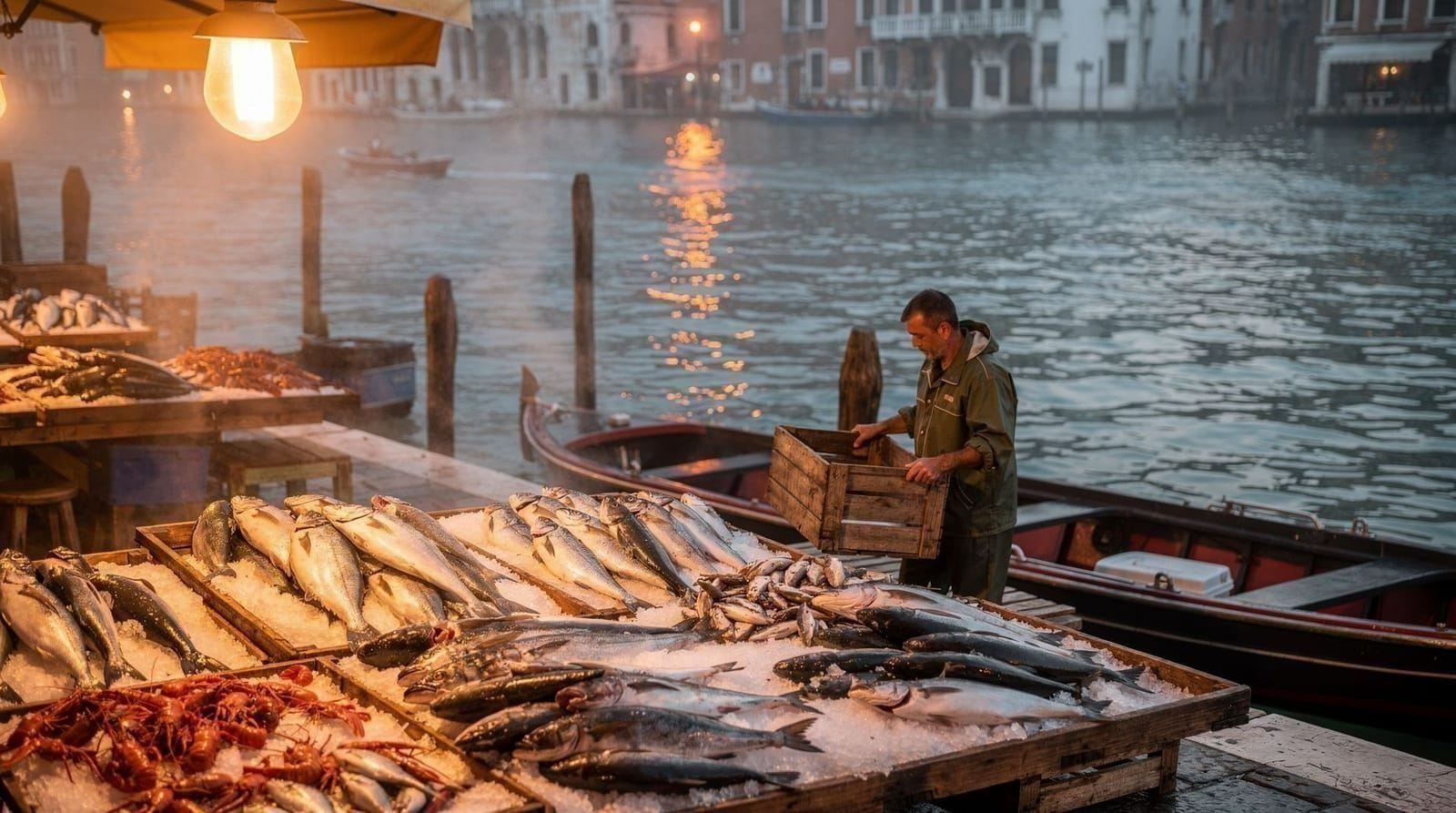
Cannaregio has the highest density of genuine bacari in Venice. These are traditional wine bars serving cicchetti (€1.50–4 per piece) and ombra (small glass of wine, €2–3). They are where locals eat standing up at the bar from around 11am and again from 6–8pm. The key streets for the bacari crawl are:
Fondamenta della Misericordia — long canal-side stretch north of Campo Madonna dell’Orto. At around 6pm this fills with locals and young Venetians for the traditional bacaro hop. Try Osteria al Bacco, Vino Vero (for natural wine), or Un Mondo di Vino.
Strada Nova — the main pedestrian artery through Cannaregio has a few good traditional spots, including Al Marca (mostly for prosecco and cicchetti standing outside).
Near the train station (Lista di Spagna area) — mostly tourist-facing; skip these and walk further into the sestiere.
The classic cicchetti are: baccalà mantecato (creamed salt cod on white polenta), sarde in saòr (sweet-sour sardines with onions and raisins), cicheto de polipo (octopus), moeche (soft-shell crab, spring and autumn only). A generous cicchetti lunch for two with wine costs €20–30.
Venice: Jewish Ghetto and Cannaregio food and wine tourFor a full guide to the bacaro culture, see the best bacari guide and the cicchetti guide.
Churches and palaces
Madonna dell’Orto (Madonna dell’Orto stop, vaporetto line 4.1/4.2): Cannaregio’s most beautiful Gothic church, built in the 14th century and home to several of Tintoretto’s greatest canvases, including the enormous Last Judgement and Presentation of the Virgin in the Temple. Tintoretto lived and is buried in this parish. Entry costs around €3.50 with the Chorus Pass. Relatively uncrowded compared to the Frari or the Accademia.
Ca’ d’Oro (Galleria Franchetti): The best-preserved Gothic palazzo on the Grand Canal, its intricate white marble facade visible from the water. The collection inside (€6 entry) includes Mantegna’s St Sebastian and a collection of bronzes, furniture, and Flemish tapestries. Access is from the Ca’ d’Oro vaporetto stop or from within the sestiere. Read the Ca’ d’Oro guide.
Oratorio dei Crociferi: A small oratory just off the Fondamenta dei Servi with extraordinary 16th-century Palma il Giovane frescoes. Entry is free on limited opening days — check locally.
Orto and the far northern edge
Beyond the well-known sights, the very northern reaches of Cannaregio — past the Madonna dell’Orto church and continuing toward the Sant’Alvise and Orto vaporetto stops — are among the most genuinely residential corners of the main island. The streets here (Fondamenta della Sensa, Fondamenta degli Ormesini) run along wide canals with boats moored outside houses, vegetable gardens on small private plots, and a pace of life that has little to do with tourist Venice.
Sant’Alvise church is a 14th-century Gothic church with three tempera paintings attributed to Carpaccio and a remarkable ceiling. Entry with the Chorus Pass (€3.50). Almost never crowded.
The walk from Madonna dell’Orto northwest to the edge of the island takes about 20 minutes and covers some of the least-visited terrain in central Venice. There is nothing specifically to see beyond the neighbourhood itself — but that is the point.
San Giovanni Grisostomo and Strada Nova
The Strada Nova is the broad, straight pedestrian street that runs east-west through the heart of Cannaregio, connecting the train station area to the Rialto and San Marco beyond. It is lined with shops, some tourist-facing, but also with useful everyday businesses — pharmacies, alimentari (grocery shops), and a few reliable café-bars that serve locals as well as visitors.
The church of San Giovanni Grisostomo (near the Rialto end of Cannaregio) is one of the most perfectly proportioned small churches in Venice — a single-nave Lombard design with a remarkable altarpiece by Giovanni Bellini (the elderly St Jerome with Saints Christopher and Augustine) and a Sebastiano del Piombo in the chapel. Entry is free; almost always quiet. A five-minute detour from the Strada Nova.
Caffè del Doge has a branch near the Rialto end of Cannaregio — one of Venice’s better coffee roasters, serving espresso from around €1.50 at the bar.
Fondamenta Nuove and the lagoon edge
The Fondamenta Nuove is the long northern waterfront where the vaporettos depart for the lagoon islands (Murano, Burano, Torcello). In the morning it is quiet, with views across the lagoon to the island of San Michele (Venice’s cemetery island) and on clear days to the mountains of the Dolomites. A coffee at a bar on the Fondamenta Nuove before catching a boat to Murano is one of the best unhurried moments Cannaregio offers.
See the vaporetto to islands guide for boats from Fondamenta Nuove.
The Ghetto by day and by evening
The atmosphere of Campo del Ghetto Nuovo changes completely depending on time of day. In the morning (before 10am) it is quiet — the Jewish Museum has just opened, the campo is empty, the tall houses cast long shadows. In the afternoon, it fills with guided tour groups and independent visitors. In the evening (after 6pm), when the museum is closed and the groups have left, it returns to something more intimate — a few people sitting on the benches by the memorial plaques, the kosher restaurants preparing for dinner service, the sound of the canal from beyond the narrow entrance.
The Holocaust memorial panels by Arbit Blatas (on the north wall of the campo) depict scenes from the deportation of Venice’s Jewish community in 1943. The inscriptions are in Italian, Hebrew, and English. They are easy to walk past without noticing; worth stopping for.
Dining in and around the Ghetto: Gam Gam Osteria (Rio Cannaregio) is Venice’s most established kosher restaurant — good for lunch or dinner, booking recommended on Shabbat. Ba’Ghetto trattoria (Cannaregio) serves both kosher and non-kosher dishes, open Tuesday–Sunday. The Pasticceria Volpe bakery near the museum sells traditional Jewish pastries including busolai (ring biscuits) and zaleti.
Romantic walks in Cannaregio
Cannaregio has several of Venice’s more photogenic and less-crowded walking routes. The Fondamenta della Misericordia on a warm evening, with boats moored along the canal and strings of locals gathered outside the bacari, is one of the most atmospheric scenes in the city. The narrow calle leading north from Madonna dell’Orto toward the lagoon edge passes under low arches and over canal bridges with almost no one around after dark.
The romantic things to do in Venice guide includes several Cannaregio evening routes. The honeymoon in Venice guide recommends the neighbourhood for longer stays over the tourist core.
Getting around Cannaregio
The vaporetto is of limited use within Cannaregio once you are already in the neighbourhood — everything is walkable from the main spine of the Strada Nova. The Ferrovia stop serves the train station end; Guglie, Madonna dell’Orto, and Orto serve the middle and far ends. The walk from the station to the Ghetto takes about 15 minutes; from the Ghetto to the Fondamenta Nuove another 10.
The neighbourhood is roughly flat (good for mobility), with some narrow alleys where two people can barely pass. Night walking in the outer reaches of Cannaregio (away from the main routes) is quiet and slightly atmospheric — streets empty quickly after 10pm.
See the getting around Venice guide for the full vaporetto map.
Cannaregio for food tours and combined experiences
A bacaro crawl through Cannaregio and the Ghetto is the most popular food tour format in Venice. You cover multiple bacari, try 6–10 cicchetti, and drink alongside locals rather than tourists. Guide-led versions run in small groups (6–8 people) and typically last 2.5–3 hours. The cicchetti guide and Venice food tour guide explain what to look for in a tour versus doing it independently.
Cannaregio in context: itineraries
The Venice 2-day itinerary dedicates the morning of day two to Cannaregio: Ghetto, Madonna dell’Orto, Fondamenta della Misericordia for lunch, then south to Dorsoduro in the afternoon. The Venice on a budget itinerary uses Cannaregio heavily for its lower-priced accommodation options and cheap eating.
Planning a Cannaregio evening: a simple route
For visitors who want to structure a Cannaregio bacaro evening without wandering aimlessly, a workable sequence is: start around 6pm near Campo Madonna dell’Orto for a first ombra, walk south along Fondamenta della Misericordia stopping at two or three bacari for cicchetti, then finish nearer Strada Nova with something sweet from a pasticceria before the walk back toward the train station or onward into the rest of Venice. This keeps the crawl within a comfortable 30–40 minute walking radius and avoids the tourist-facing bars immediately by the station. Pace matters more than coverage — two unhurried stops beat five rushed ones. For a more structured, guide-led version of the same idea, see the Venice food tour guide.
Practical tips before you go
Many bacari operate on a stand-at-the-bar model with limited or no seating, so arriving during the traditional cicchetti windows (11am–1pm and 6–8pm) gets you the freshest selection before it runs out. Cash is still useful at smaller bacari, though most now accept cards for anything beyond a couple of euros. The Jewish Museum and synagogue tours sell out in summer, so book ahead rather than turning up and hoping. If you are staying in Cannaregio for value, factor in the 15–30 minute walk or vaporetto ride to San Marco and the main sights — it is a fair trade for lower prices and a quieter neighbourhood, covered in more detail in the getting around Venice guide.
Frequently asked questions about Cannaregio
Is Cannaregio safe at night?
Yes — Venice as a whole has very low street crime, and Cannaregio is no exception. The outer streets (away from the Strada Nova) can feel deserted after 10pm, which is atmospheric rather than threatening. Standard city precautions apply: keep bags zipped, be aware of your surroundings near the train station.
Where do locals in Cannaregio go for an evening drink?
Fondamenta della Misericordia (particularly from around 6–9pm), and Campo Madonna dell’Orto on warmer evenings. These are genuine locals’ streets, not tourist-aimed. Expect to stand at the bar or on the canal-side with a prosecco or spritz.
How do I find the Jewish Ghetto?
From the Ferrovia vaporetto stop, walk east along the Lista di Spagna, turn left at Campo San Geremia toward Ponte delle Guglie (bridge), then follow signs north to Campo del Ghetto Nuovo. It takes about 10 minutes. The museum is well-signposted once you reach the campo.
Can you visit the synagogues inside the Ghetto?
Yes — the Jewish Museum (Museo Ebraico) on Campo del Ghetto Nuovo offers guided tours of three of the five synagogues (they rotate depending on the day). Tours run hourly in English. Book in advance; tours are small and sell out in summer.
What are cicchetti and where can I find good ones in Cannaregio?
Cicchetti are small snacks on bread or polenta — the Venetian equivalent of tapas. Typical options include creamed salt cod (baccalà mantecato), marinated sardines (sarde in saòr), and various seasonal toppings. The best spots in Cannaregio are on Fondamenta della Misericordia, at Vino Vero and Osteria al Bacco. Arrive between 11am–1pm or 6–8pm when they are freshest.
Is Cannaregio better than San Marco for accommodation?
For value, yes. Hotels and apartments in Cannaregio run 20–40% cheaper than equivalent quality in San Marco, with better local atmosphere. The trade-off is a 15–30 minute walk or vaporetto to the main monuments. For longer stays or budget-conscious travellers, Cannaregio is often the better base.
How does a Cannaregio bacaro crawl compare to a guided food tour?
Doing it independently costs less and lets you set your own pace, but a guided version — such as the Jewish Ghetto and Cannaregio food and wine tour format — removes the guesswork of which bacari are genuine versus tourist-facing, and often includes context on the neighbourhood’s Jewish history that is easy to miss on your own.
Top experiences
Bookable activities with verified prices and instant confirmation on GetYourGuide.