How we plan a Veneto week: the actual decisions behind our seven-day itinerary
Why planning actually matters here
Venice has a problem that most great cities don’t. It is small enough that you can see it wrongly — spend two days on the tourist circuit and feel vaguely disappointed, then discover on the train home that you missed the places that make it extraordinary. It is also the gateway to a wider region — the Veneto — that most visitors treat as an afterthought, which is a mistake of the first order. Verona, Padua, the Prosecco hills, Valpolicella, the Dolomites: these are not consolation prizes for people who found Venice expensive. They are a different, equally remarkable Italy.
A week in the Veneto, planned properly, is one of the best holidays in Europe. This is how we approach the planning process for our own trips and for the Venice Veneto 7-day itinerary we have put together on this site.
| Where | Venice, Padua, Verona, Prosecco hills, Lake Garda |
| Cost | Budget €900–1,400/person for a week incl. hotels, trains, one rental car |
| Time needed | 7 days is the sweet spot; 5 works if you drop wine country or Garda |
| Getting there | Fly into Venice Marco Polo, out from Verona or back to Venice |
| Best time | May–June or September for the best mix of weather and crowds |
Starting point: what kind of week is this?
The first decision is not which sights to include but what kind of trip this is. There are roughly four types:
Primarily Venice, Veneto as day trips. You base in Venice and make single-day excursions to Verona, Padua, or the wine country, returning each night. This maximises time in the main city and is the right choice if Venice is the primary goal.
Split base. You spend nights in Venice and then move — two nights in Verona, one in Padua, perhaps one night in the wine country. More complex logistics, more variety. Works well if you have a car or are comfortable with regional trains (which are cheap and frequent).
Venice as gateway. You use Venice for two or three days and then move into the Veneto, treating the lagoon city as a beginning rather than a destination. This is underrated — Venice is extraordinarily well-connected by rail and road, and arriving by train from Marco Polo airport to Venice Santa Lucia station before heading onwards feels perfectly natural.
Islands and lagoon focus. You want to spend significant time on Murano, Burano, Torcello, Lido, and the wider lagoon rather than the Veneto mainland. A completely valid choice, and the lagoon has easily enough to fill a week if you go slowly.
For our typical week, we combine options one and two: three or four nights in Venice, then a move to cover more ground, with a car for the final days.
Days one and two: settling into Venice
We never try to cram everything into the first day. Venice has a particular disorientation that lifts slowly — the first afternoon is usually for walking, getting lost, eating cicchetti, and having a drink on a fondamenta. We resist the major monuments until day two, when we know where we are.
Day one evening ritual: a slow walk from the train station through Cannaregio to the Rialto, stopping at whatever bacaro looks right, arriving at the bridge as the light changes. Then a boat back or a long walk through Dorsoduro.
Day two: Doge’s Palace in the morning, before the crowds. Book tickets in advance — the Doge’s Palace tour guide covers this in detail, and the Secret Itineraries tour, which accesses rooms not open to general visitors, is worth the premium. Afternoon: the Accademia gallery if you care about Venetian painting, or a wander through Dorsoduro and over to Santa Croce if you do not.
Day three: the islands
We always dedicate a full day to the lagoon islands. The typical itinerary is Murano, Burano, and Torcello — the lagoon islands day trip guide covers this combination in detail. Murano for the glass; Burano for the colour and the light; Torcello for the solitude and the extraordinary Byzantine cathedral that is older than almost everything else in the lagoon.
The sequence matters: Murano first (earliest boats, most crowded), Torcello at midday when the day-trippers have left, Burano late afternoon when the light is warmest and the photograph-minded visitors have thinned. The how to visit Murano and Burano guide has detailed logistics.
Day four: a Veneto day trip
This is where the week opens up. The three most rewarding single-day trips from Venice are, in our experience:
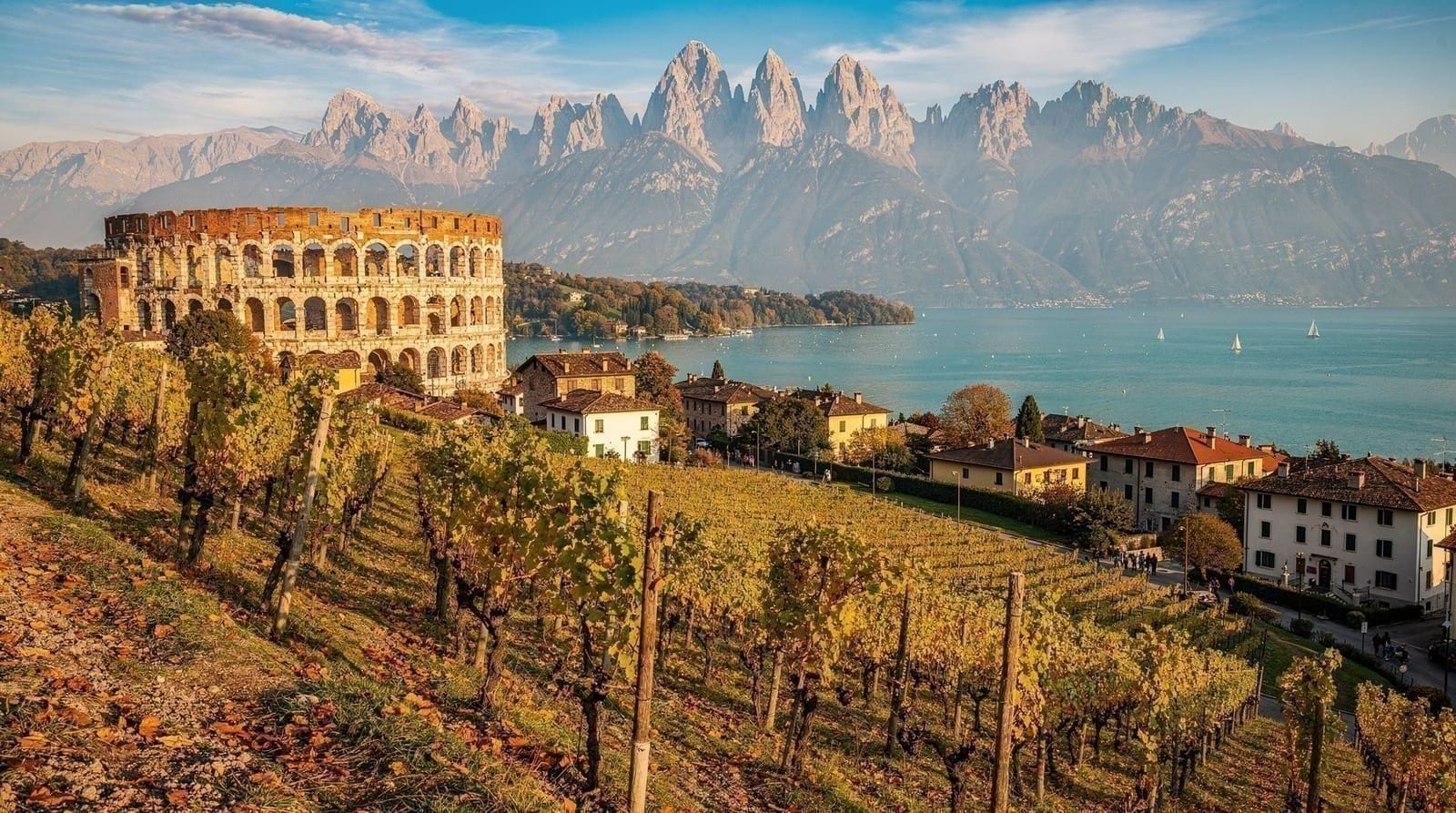
Verona, for the Arena di Verona, the Piazza delle Erbe, and the genuinely excellent aperitivo culture around the Piazza Bra. The train from Venice takes 70 minutes and costs around €10-15. The Verona day trip guide covers everything; if you are visiting in summer, the opera season at the Arena runs from June to September and the atmosphere of an outdoor opera in a Roman amphitheatre is unlike anything else.
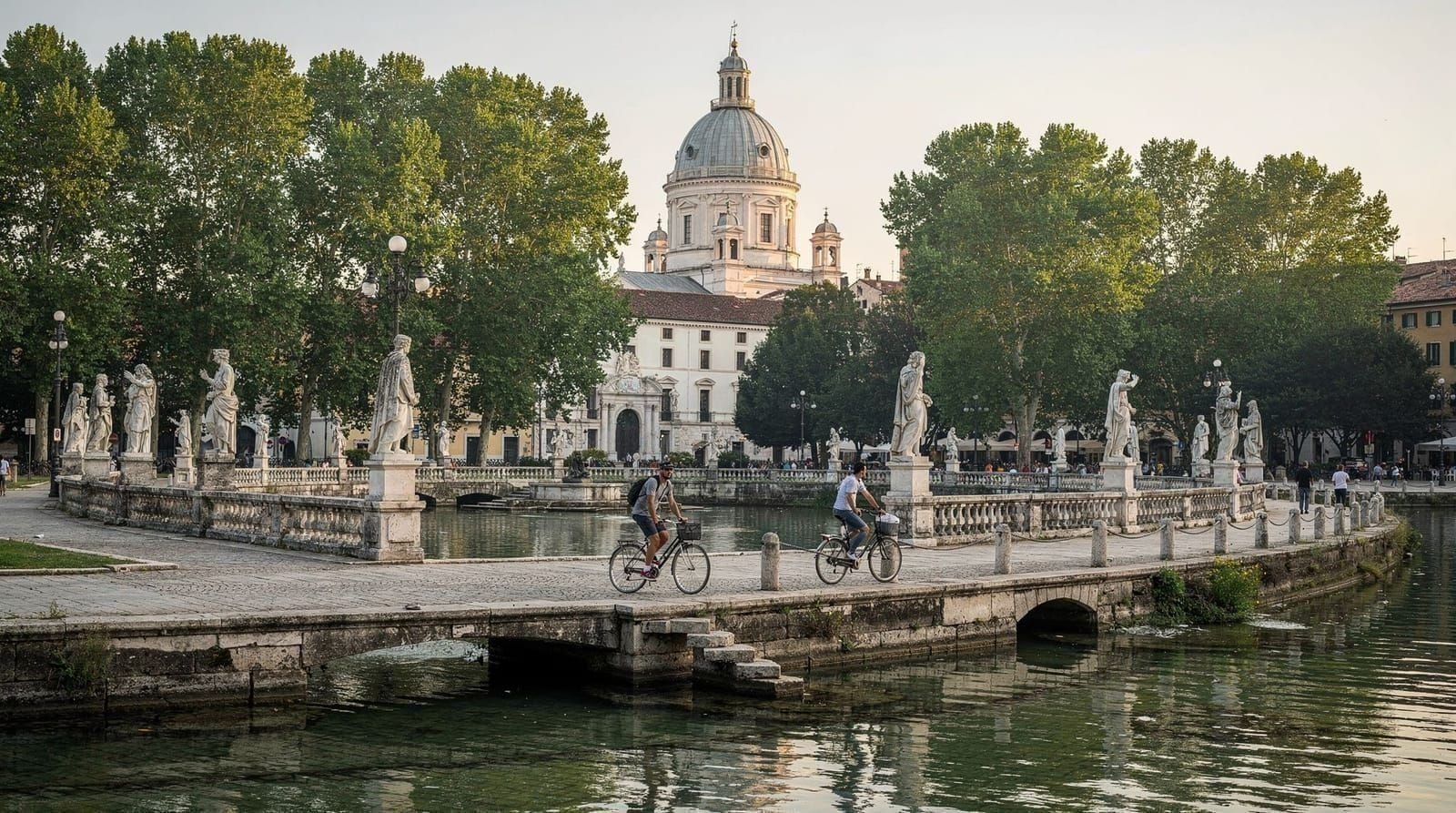
Padua, for the Scrovegni Chapel (Giotto’s frescoes, the most important works in Western painting after the Sistine Chapel), the enormous piazzas, and the university atmosphere. The train takes 25-30 minutes and costs €5. We have written separately about why we think Padua is underrated.
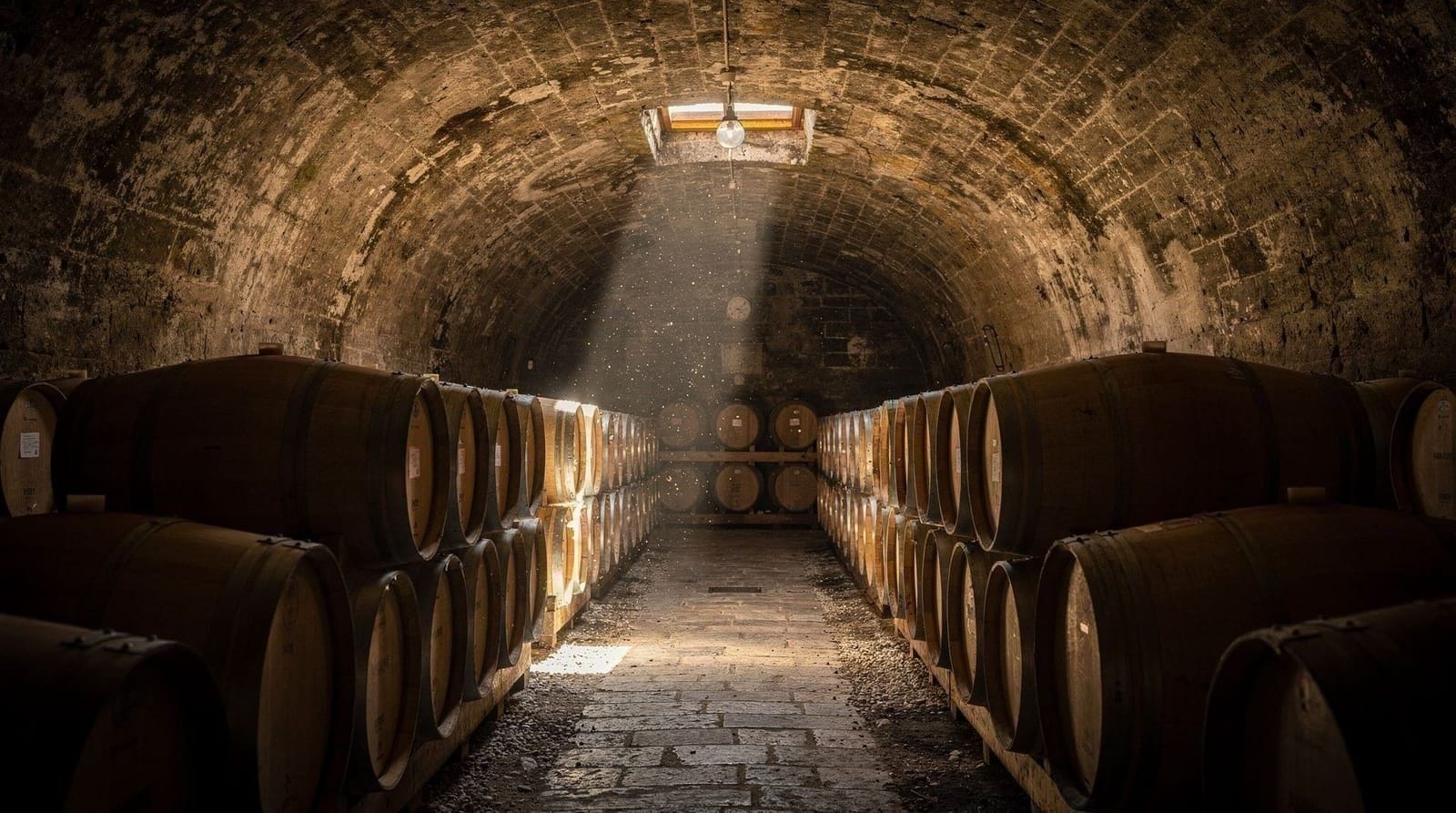
The Prosecco hills and Valpolicella, for wine. These require a car or an organised day trip. The wine tasting from Venice guide covers the options; we have also written about our own Valpolicella wine day.
Days five through seven: moving base or going further
If you have a car from day five, the options multiply dramatically. From Venice or Verona as a base, you can reach:
Lake Garda and Sirmione in about ninety minutes. The lake Garda day trip guide covers what to do; Sirmione’s Roman ruins on a peninsula with thermal baths and the most dramatic defensive walls in northern Italy is something we have added to every Veneto itinerary we have planned.
The Dolomites for a long day or an overnight. Cortina d’Ampezzo is the main destination — about two and a half hours by car from Venice — and the mountain scenery is genuinely jaw-dropping. The Dolomites day trip guide has practical details including why the timing within the year matters considerably (November to May is much less reliable due to weather). If you want to do this as an organised excursion, the full-day Cortina and Dolomites tour from Venice is the most practical option without a car.
Vicenza for Palladian architecture — the most concentrated collection of work by Palladio outside of the villas along the Brenta Riviera, which are also worth a morning if you are passing.
Treviso for a half-day. It is often described as a smaller, quieter Venice — canals, medieval walls, a good market — and it is genuinely charming rather than just a lesser version of the main city. The Treviso day trip guide and the Prosecco road that begins just north of the city are natural companions.
The logistics that shape everything
Transport choices are planning choices. Without a car, you are limited to train routes and organised day trips for the mainland Veneto. Verona and Padua are excellent by train; the wine country and Dolomites really require wheels. The Venice Veneto 7-day itinerary specifies which days require a car and which are better by train.
Booking what needs booking. The Scrovegni Chapel in Padua requires advance booking (strictly limited entry). The Doge’s Palace Secret Itineraries tour books out. If you want opera in Verona in July or August, book weeks ahead. San Marco has skip-the-line options that are genuinely worth buying in advance — the St Mark’s Basilica guide covers this. The Venice tickets and passes guide gives the full picture.
Seasonal adjustments. A January Veneto week looks nothing like a July one. In winter: fewer people, cheaper hotels, the Dolomites may be inaccessible by day trip, acqua alta is possible in Venice, and several island attractions have reduced hours. In July: very hot, very crowded in central Venice, the Prosecco hills and lake Garda are at their best. The best time to visit Venice guide goes into this in detail.
The access fee: what it means for planning in 2026
Venice introduced a day-visitor access fee (Contributo di Accesso) for peak days in 2024, continued it in 2025, and it applies in 2026 to approximately 60 days between April and late July — roughly weekends and peak periods. The fee is €5 if booked in advance (at least four days ahead), €10 on the day. The hours are 8h30-16h00. Children under 14 and anyone staying overnight (who pays the tourist tax as part of their accommodation) are exempt.
For a week-long trip where you are sleeping in Venice, this is irrelevant — the overnight exemption covers you. For day trips into Venice from a mainland base, it matters on the covered dates. The full list of dates and the booking system are at venicevisitpass.com. The Venice access fee guide covers the full picture including how to check whether your specific visit dates are affected.
The practical implication for planning: if you are doing a week in the Veneto and visiting Venice as a day trip from a base in Verona or Padua, check the fee calendar before you choose which day to come in. A Tuesday in late April might be a peak day; the following Thursday might not be.
A week outline that has worked for us
To make the above concrete, here is a week structure we have actually done:
Day 1: Arrive Venice by train. Check in, walk to Cannaregio, cicchetti at a bacaro, evening on the Fondamenta Nuove. No major sights.
Day 2: Doge’s Palace morning (booked in advance). Afternoon: Dorsoduro and the Accademia.
Day 3: Islands. Murano morning, Torcello midday, Burano late afternoon.
Day 4: Day trip to Padua. Scrovegni Chapel (pre-booked), piazzas, lunch, train back.
Day 5: Pick up rental car. Drive to Valpolicella for the afternoon. Night in Verona.
Day 6: Full day in Verona. Arena, Piazza Bra, Castelvecchio. Evening opera if season permits.
Day 7: Lake Garda and Sirmione before driving back to Venice for the return flight.
This packs in Venice, the lagoon islands, the two best mainland cities, and wine country. It requires pace and some advance booking. It produces, in our experience, one of the best weeks available anywhere in Europe.
The week at a glance
| Day | Base | Focus |
|---|---|---|
| 1 | Venice | Arrival, Cannaregio, no major sights |
| 2 | Venice | Doge’s Palace, Dorsoduro, Accademia |
| 3 | Venice | Murano, Torcello, Burano |
| 4 | Venice | Padua day trip, Scrovegni Chapel |
| 5 | Verona | Pick up car, Valpolicella afternoon |
| 6 | Verona | Arena, Piazza Bra, Castelvecchio |
| 7 | Venice | Lake Garda and Sirmione, drive back |
If you’d rather not self-drive the wine country and Garda days, an organised day trip covers Valpolicella and Verona together without needing to pick up a rental car at all.
Verona and Valpolicella Amarone wine tourWhat we’d change for a family with kids
This exact week is built for two adults with reasonable stamina for museum mornings and long drives. With children, we’d cut the Accademia to an hour, add more time on Burano (kids like the colours and the gelato more than the frescoes), and swap the Dolomites-adjacent long drive day for a shorter Treviso half-day instead. The Venice with kids itinerary is a useful skeleton for the Venice portion specifically, even if you extend it into the mainland Veneto afterwards.
What we leave out
Every time we plan a Venice week, we leave out something that sounds essential but has never, in practice, been the thing we remember. The gondola is the most obvious example — we have taken it once and found it pleasant but not transformative, and we would rather spend that €100-120 on an excellent dinner or a morning on the Dolomites.
We also rarely spend more than a morning at any single major attraction, however important. The Accademia is extraordinary; four hours in the Accademia is excessive for most people. Two hours, then lunch, then something entirely different: this rhythm produces better trips than full-day attraction visits in our experience.
We also leave out a full day in Ravenna, however tempting the mosaics — it’s a 2.5 to 3-hour train each way via Bologna, and adding it turns a paced week into a rushed one. If Byzantine art is a genuine priority, we’d rather extend the trip to eight or nine days than compress it. The same logic applies to trying to add both the Dolomites and Lake Garda in a single week; pick one mountain-or-lake day rather than both, unless you’re willing to drop something else from the list above.
The honest planning principle: be selective, go deep on fewer things, leave time for the things that are not on any list. Those are usually the things you remember.