Best day trips from Venice ranked: our honest verdict after doing all of them
What makes a good day trip from Venice?
A day trip from Venice works when it offers something genuinely different from the main city and when the logistics are manageable enough that travel does not consume most of the available time. Venice itself — the historic centre, the lagoon islands — fills three or four days easily. The day trips extend a longer stay into a region that is, in several ways, more varied than Venice alone.
We have done all of them over multiple trips, in different seasons, by train and by car and by organised tour. What follows is an honest ranking with the main reason for each position.
| Where | Padua, Verona, Prosecco hills, Lake Garda, the Dolomites, Treviso, Ravenna |
| Cost | €4–35 by train; more for organised tours with transport included |
| Time needed | Half a day (Treviso) to a full day (Dolomites, Ravenna) |
| Getting there | Train for Padua/Verona/Treviso; car or tour for the rest |
| Best time | April–June and September–October for most; midsummer for Dolomites and Arena opera |
Day trips ranked, side by side
| Day trip | Time from Venice | Typical cost | Best for |
|---|---|---|---|
| Padua | 25–30 min by train | €5–8 | Scrovegni Chapel, art |
| Verona | 65–90 min by train | €10–18 | Roman arena, opera, food |
| Prosecco hills | around 90 min by car/tour | tour from ~€90 | wine, vineyard scenery |
| Valpolicella | around 90 min, combine with Verona | tour from ~€85 | Amarone wine |
| Lake Garda | 90–100 min by car | tour or train fare | swimming, scenery |
| The Dolomites | about 2.5 hours by car/tour | tour from ~€100 | mountains, hiking |
| Treviso | 30–40 min by train | €4 | half-day, canals, market |
| Ravenna | 2.5–3 hours via Bologna | €25–35 | Byzantine mosaics |
Tier one: non-negotiable for most visitors
1. Padua
Train from Venice Santa Lucia: 25-30 minutes, €5-8 depending on service. This is the easiest, fastest, and most rewarding day trip from Venice by a significant margin.
The Scrovegni Chapel — Giotto’s fresco cycle completed around 1305, covering every wall of a small room — is one of the handful of things in Europe where “you have to see it” is actually true rather than conventional tourism advice. The ceiling is deep blue, painted with stars; the narrative panels of the Life of Christ and the Last Judgement cover three walls; the effect is overwhelming in the specific way that great art can be overwhelming when you encounter it in its original context. Entry requires advance booking (strictly limited capacity) — the Padua day trip guide has booking details.
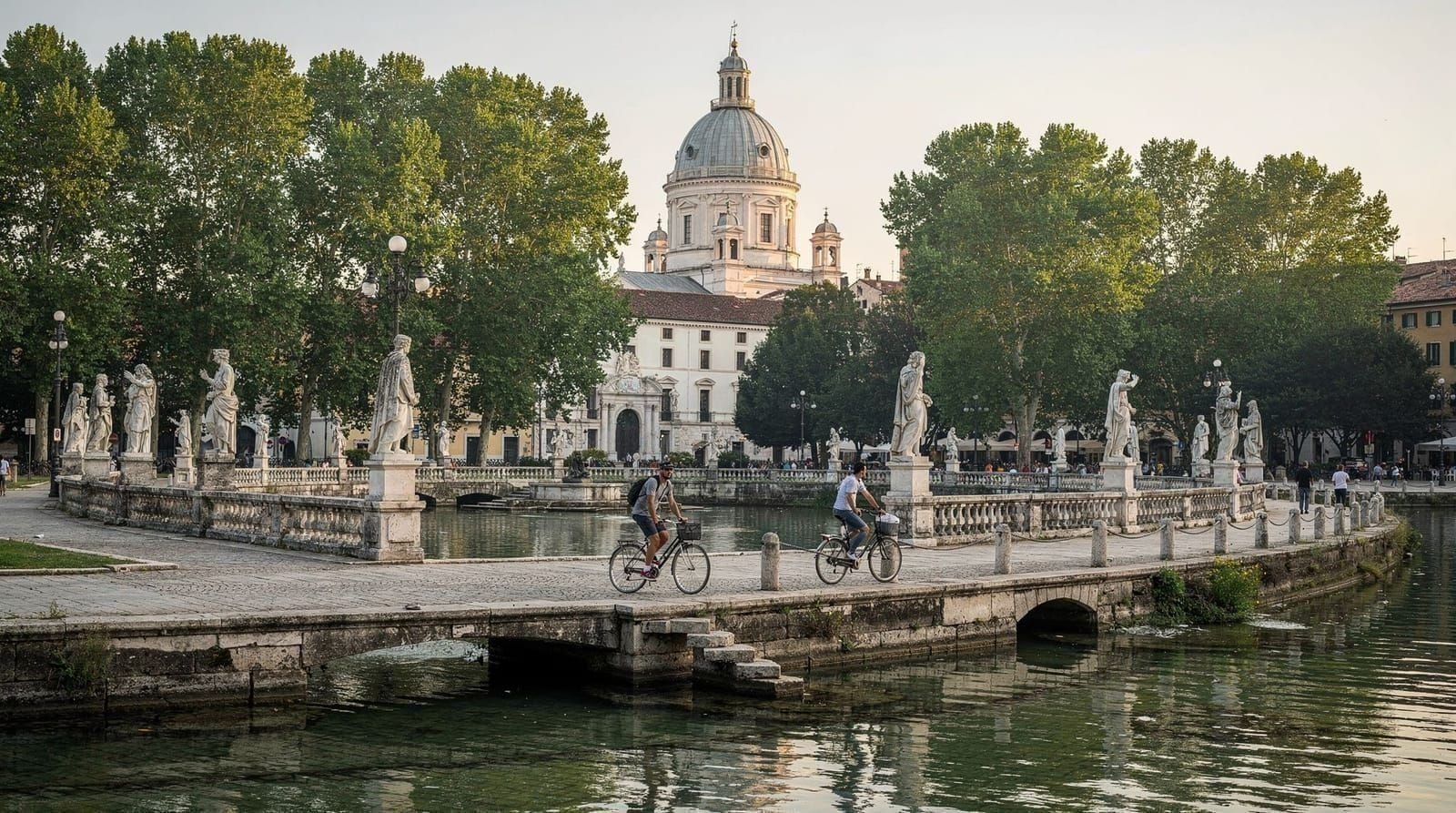
Beyond the chapel, Padua has the enormous medieval piazzas — Piazza delle Erbe and Piazza della Frutta, divided by the Palazzo della Ragione — that are arguably the best daily market squares in northern Italy. The university, founded in 1222, is the second oldest in the world; the anatomical theatre in the Bo Palace is one of the most extraordinary rooms you will ever enter. The Basilica di Sant’Antonio is an extraordinary, slightly strange building that contains the saint’s tomb.
We have written a full post on why Padua is underrated — the summary is that it is extraordinary and undervisited because Venice overshadows everything in its vicinity.
Best for: art, history, architecture, excellent aperitivo culture. Day trip or overnight: day trip is sufficient; the city is compact and rewarding but not vast.
2. Verona
Train: 70-90 minutes, €10-18 depending on service. An easy Frecciargento gets you there in 65 minutes.
Verona is a complete Roman, medieval, and Renaissance city that happens to also be associated with Romeo and Juliet (the association is fictional and heavily commercialised, but the city is real). The Arena di Verona — a Roman amphitheatre dating from the first century AD, in excellent condition — holds opera performances every summer from June to September. Attending an outdoor opera in a Roman arena on a summer evening is one of the specific great experiences of northern Italy. Even without the opera, the arena is worth an hour inside to understand the scale.
The Piazza Bra is the finest main square in the Veneto. The historic centre, ringed by medieval walls, has layers of Roman street plan, medieval churches (Sant’Anastasia, San Zeno Maggiore), and enough Venetian-era architecture to be recognisable from the direction of Venice. The Castelvecchio museum has an excellent collection. The aperitivo culture around the Piazza Bra is genuinely good.
If you are doing this as an organised excursion, the Verona walking tour with skip-the-line Arena access gives you a local guide and avoids the queue at the amphitheatre.
Best for: Roman history, opera in summer, excellent food and wine. Day trip or overnight: day trip works well; overnight is better if attending an evening opera.
Tier two: excellent for the right visitor
3. The Prosecco hills and Valdobbiadene
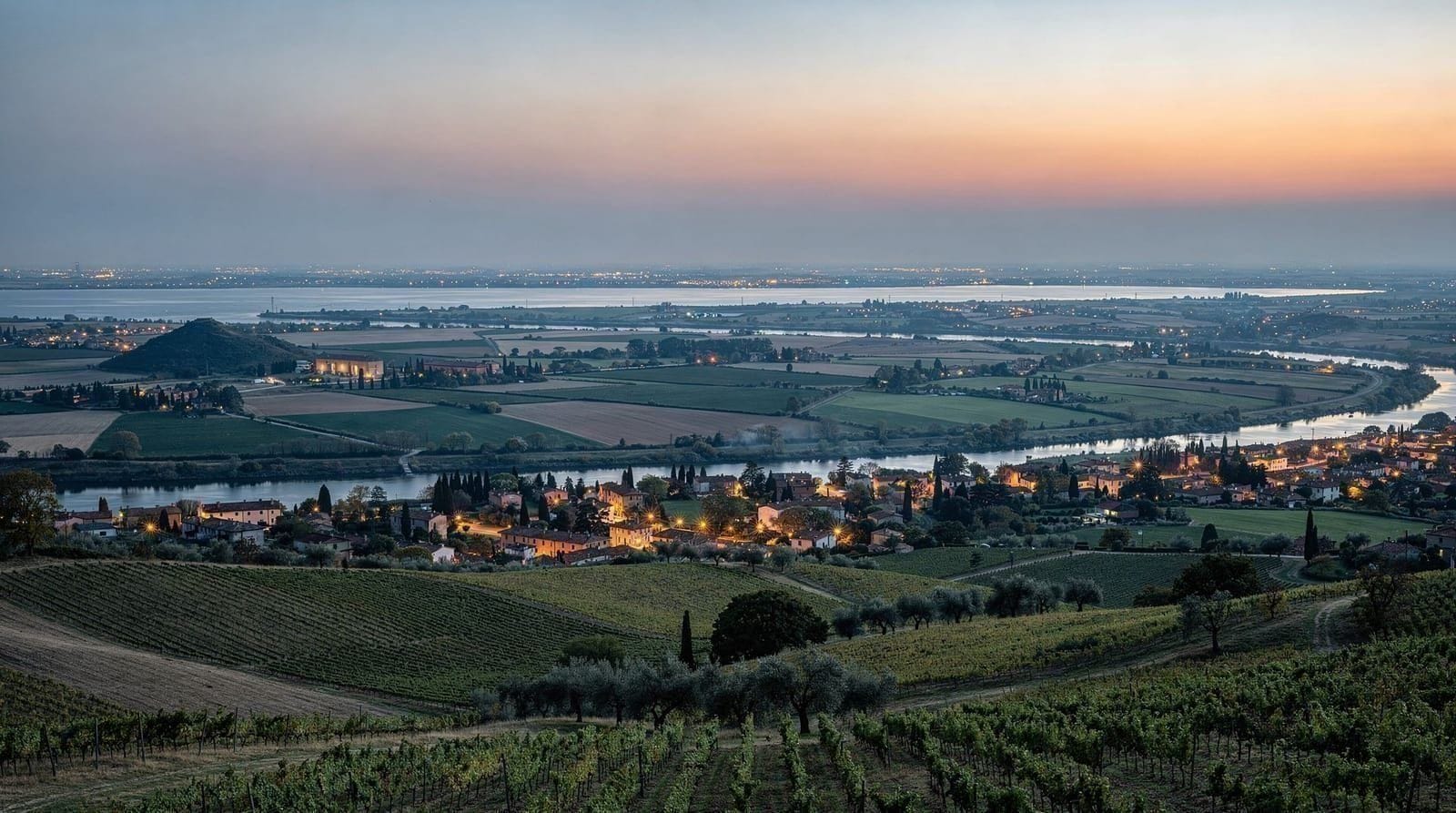
This requires a car or an organised day trip — there is no convenient train to the wine country. But if wine is your interest, the hills between Conegliano and Valdobbiadene, now a UNESCO World Heritage Site, are among the most beautiful vineyard landscapes in Italy.
The Valdobbiadene Prosecco two-winery tour from Venice is the most practical option without a car: it covers two producers, a tasting, and includes transport. By car you can go independently — the Prosecco hills guide has self-drive routes.
We wrote about the full experience in our Valpolicella wine day post, and the wine tasting from Venice guide covers the broader wine country options.
Best for: wine, scenery, food at agriturismi. Day trip or overnight: day trip is fine; overnight if you want to do a serious multi-winery circuit.
4. Valpolicella and Verona wine country
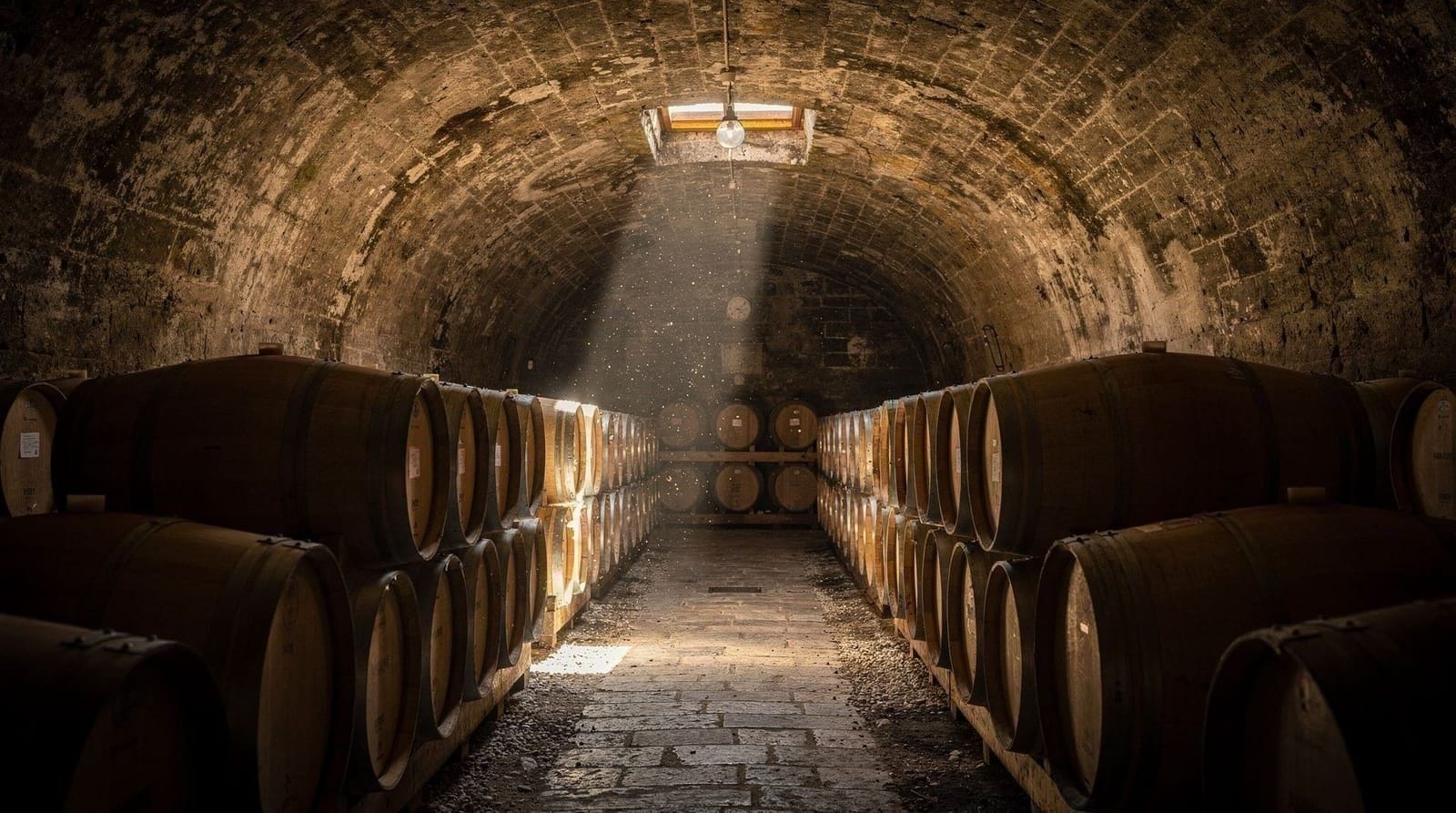
The Valpolicella wine zone is northwest of Verona — Amarone della Valpolicella is one of Italy’s great red wines, made from semi-dried Corvina grapes, and the valley that produces it is easy to combine with a Verona day or do independently. Requires a car or organised tour.
The Verona and Valpolicella Amarone wine tour covers the winery visit and the city in a single day.
Best for: serious wine interest, combining with a Verona visit.
5. Lake Garda and Sirmione
By car: 90-100 minutes from Venice, 50 minutes from Verona. By train: Peschiera del Garda or Desenzano on the Verona-Milan line (some Frecce stop there).
The lake is Italy’s largest and has the quality of a place that knows exactly what it is: a summer resort with perfect light, excellent restaurants, and views of the Alps. Sirmione specifically — a small town on a narrow peninsula at the southern end of the lake, with Roman ruins (the Grotte di Catullo), a medieval castle on the water, and thermal baths — is one of the more beautiful small places in northern Italy.
The Lake Garda day trip guide covers logistics from Venice; the combined Verona, Garda and Sirmione tour is the organised option.
Best for: scenery, swimming, slower pace, a break from city touring. Note: very crowded in July and August; much better in May, June, September.
Tier three: rewarding with the right expectations
6. The Dolomites
Cortina d’Ampezzo by car: about 2.5 hours from Venice. By organised tour: a full day excursion.
The Dolomites in summer are extraordinary — the pale limestone peaks turn pink at sunset (enrosadira), the meadows are full, the hiking is world-class. As a day trip from Venice, this is a long day: you are in a car or bus for five hours total and have perhaps four or five hours in the mountains. The Dolomites day trip guide makes the case for it anyway, because those hours in the mountains are genuinely remarkable.
The timing restriction is real: November through May the weather is unreliable and several routes are closed or dangerous. Midsummer (July-August) is excellent; September and early October, beautiful.
The full-day Cortina and Dolomites tour from Venice solves the car problem and includes a local guide who knows the area.
Best for: mountain scenery, hiking, photography. Not good for: anyone who finds long drives exhausting.
7. Treviso
Train: 30-40 minutes, €4. Treviso is the closest mainland city and one of the most pleasant — medieval walls, canals, a market-piazza, and the beginning of the Prosecco road. It is a good half-day rather than a full one; the Treviso day trip guide notes it combines naturally with either the Prosecco hills or a Veneto wine tasting.
8. Ravenna
Train via Bologna: 2.5-3 hours each way, €25-35. Ravenna is technically possible as a day trip and the Byzantine mosaics — particularly in the Mausoleo di Galla Placidia and the Basilica di San Vitale — justify the travel time. But it is a long day. Better as a night away, which makes it a potential end point for a Venice-Ravenna-Florence or Venice-Bologna-Ravenna circuit.
Best for: Byzantine art, early Christian history.
What changes by season
Day trip feasibility varies significantly by time of year, and this affects the ranking in practice.
Spring (April-June). Optimal for most day trips. The Dolomites are not yet fully accessible in April but the lower passes open by mid-May; the Prosecco hills are beautifully green with new vine growth; Verona and Padua are excellent; Lake Garda is before the summer crush. This is the best season for maximum day trip flexibility.
Summer (July-August). All destinations accessible but with major crowd implications at Garda and Verona. The Dolomites in July and August are excellent but Cortina is at its peak tourist density. Opera at the Arena di Verona is in full swing — if this is your reason for going, summer is when you go. Padua is slightly more crowded but manages better than Verona.
Autumn (September-October). Lake Garda and Verona are at their best — the heat has gone, the crowds have thinned, the light is autumn-warm. Prosecco harvest begins in September, which is the best time to visit the hills. The Dolomites are accessible through mid-October; after that, increasingly weather-dependent.
Winter (November-March). Most day trips are less rewarding. The Dolomites are often snow-closed or ice-locked; Lake Garda is bleak rather than beautiful; the prosecco country is dormant. Verona in winter has a Christmas market and the Arena hosts events, but the scale is reduced. Padua is year-round and actually excellent in winter — the Scrovegni Chapel feels even more concentrated without summer visitors, and the university town atmosphere persists through the academic year.
Transport logistics without a car
The train network from Venice Santa Lucia covers Verona, Padua, and Treviso directly and well. Verona: 65-90 minutes, €10-18. Padua: 25-30 minutes, €5-8. Treviso: 30 minutes, €4.
For the Dolomites, Prosecco hills, Valpolicella, and Lake Garda, the organised tour is the practical carless option. The cost is higher than a train but covers transport, a guide, and often admission to key sites. The day trips guides for Dolomites, Lake Garda, and Prosecco hills each explain the specific options.
Car rental from Venice is possible (pick up at Piazzale Roma or at the airport) but expensive for a single day. Renting from Verona or Padua for a wine country loop after arriving by train is often cheaper and more efficient.
How we’d pick between two, if we could only do two
If pressed to choose only two day trips for a first Veneto trip, we’d pick Padua and Verona every time, and not because they’re the easiest — because they cover the two things Venice itself doesn’t: monumental fresco painting in an intact room (Padua) and a complete, walkable Roman-to-Renaissance city (Verona). Between the two, if only one, we’d say Padua: the Scrovegni Chapel is a once-in-a-lifetime encounter with art, and the trip is 25 minutes each way, so it barely dents a longer Venice stay. Verona needs a fuller day to feel unrushed, especially if you also want the Piazza Bra aperitivo hour.
Combining day trips into a longer Veneto stay
None of these have to be one-off day trips bolted onto a Venice base. Padua and Verona sit on the same train line and can anchor a slower week that treats Venice as one stop among several rather than the sole hub — how we plan a Veneto week covers exactly this approach, moving your base rather than day-tripping everywhere from one hotel. If wine is the priority, basing a night or two in the Prosecco hills after Verona removes the return-trip time pressure entirely, and the Veneto wine regions guide has more on sequencing that.
The bottom line
For a four-day trip: Verona one day, Padua one day. For a five-day trip: add either the Dolomites or the Prosecco hills depending on whether mountains or wine is your preference. For a week: all five of the above, plus time on the lagoon islands.
The best day trips from Venice guide covers all of these in detail with updated logistics; the Venice Veneto 7-day itinerary sequences them into a coherent week.