Venice with toddlers: what actually worked (and what didn't)
Before you talk us out of it
Everyone had an opinion. “Venice with a pushchair? Good luck.” “The bridges alone will destroy you.” “Just go to Rimini.” We had heard every version of the warning before we booked, and I want to say at the outset: we are glad we ignored them. Venice with a two-year-old was hard work in specific, predictable ways, and magnificent in ways we had not anticipated. This is what we actually found.
| Biggest challenge | Around 400 bridges, most with steps |
| Best transport | Vaporetto, under-6s ride free |
| Best free activity | Watching gondolas, narrow calli |
| Best paid activity | A day at the Lido beach |
| Avoid | San Marco lunches, midday July heat |
Our daughter Ines was twenty-six months old. She walked competently but not reliably. She had opinions about lunch and strong preferences about naps. She was at the precise age where everything unfamiliar is either thrilling or catastrophic, and usually both.
The logistics truth: bridges
Let’s get this out of the way. Venice has around 400 bridges, and the vast majority are arched stone affairs with steps. Many have no ramp. Some have a ramp on one side only. A few have ramps on both sides, particularly on the main tourist routes around San Marco and near the train station.
We travelled with a compact folding pushchair (a Babyzen Yoyo, for anyone planning specifically) and it was manageable because it is light enough to be lifted one-handed while the other parent carries the pushchair. This is not elegant. We lifted the pushchair up steps probably sixty times over three days. By the end we were efficient at it. By the end we also had better arms.
A carrier or sling is arguably more practical — Ines rode in her carrier for the bridges and in the pushchair for the long flat stretches between them. This worked well but required planning transfers. The getting around Venice guide has a useful section on pushchair routes.
Vaporettos with a toddler
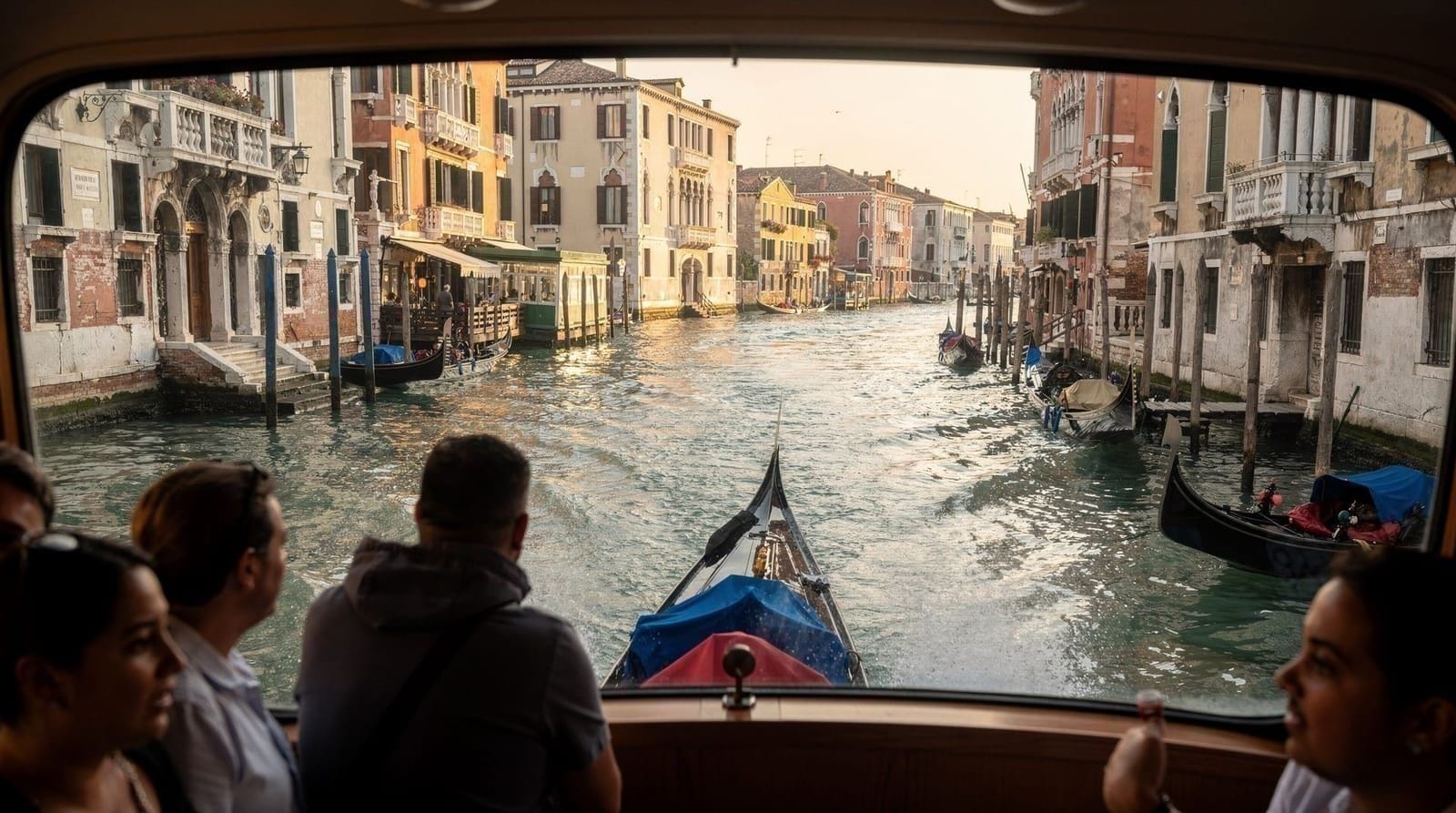
The vaporetto was a revelation. Ines adored it. The motion, the wind, the view of buildings sliding past at water level — she stood at the railing between us and stared with the focused intensity she usually reserves for bath toys. We took line 1 from Ferrovia all the way to San Zaccaria on the first morning, and it was forty-five minutes of perfect peace.
A few practical notes:
Single vaporetto tickets are €9.50. If you are staying three or more days, the vaporetto guide makes a solid case for the 72-hour pass at €45 — we used it constantly and more than covered the cost. Children under six ride free, which made the economics slightly better.
Board at the front of the boat if you can. The front deck, when available, gives the best view and is easier for a pushchair. The covered central section is fine but crowded at peak times. Avoid the 08h-09h and 17h-18h windows when commuting Venetians are packing the boats, especially if you are managing a pushchair.
Life jackets are not mandatory for toddlers but the vaporetto crew will usually offer one. Ines refused hers categorically.
What actually captured her attention
Not the art. Not the architecture, at least not initially. What worked:
Water. Obviously. Any opportunity to get near the water, to watch the gondolas pass, to throw (small, lightweight) things in: completely captivating. We spent twenty minutes on a fondamenta near Cannaregio watching a gondolier manoeuvre through a tight corner and Ines provided live commentary.
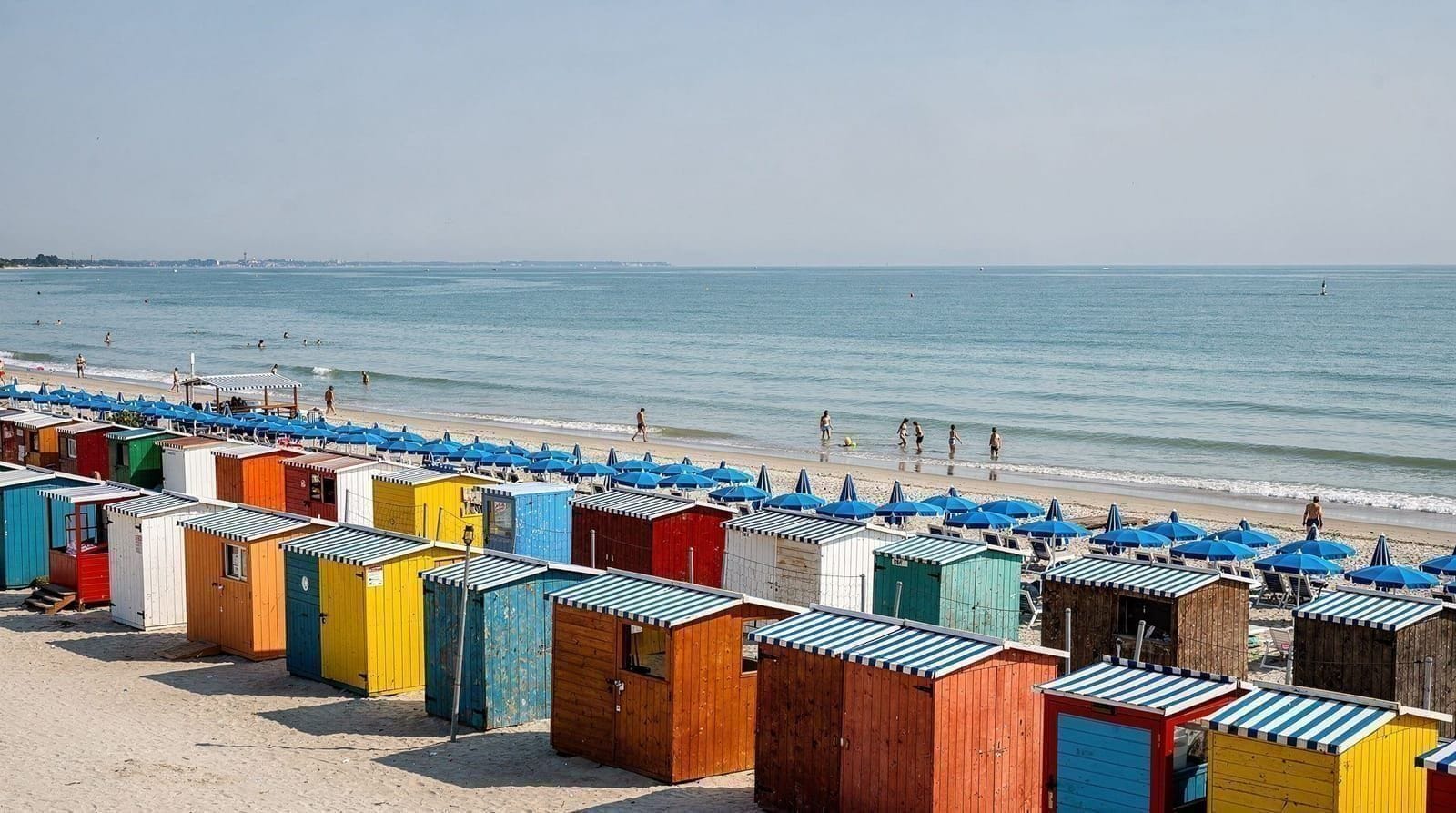
The Lido. This was the afternoon that went perfectly. We took the vaporetto out to Lido di Venezia and spent three hours on the beach. The beach at the Lido has the advantage of being a real beach — sand, waves, the Adriatic — while being accessible by public transport from central Venice in about twenty minutes. Ines dug holes, ran into the water, ate an alarming amount of sand, and slept for three hours that afternoon. We came prepared with sunscreen (SPF 50), a small bag of beach toys, and a change of clothes. Full details in our Lido beach day post.
Pigeons at San Marco. Yes, exactly the thing everyone told us not to do. She loved it. We loved watching her love it. No regrets.
Narrow calli. Toddlers find extremely narrow alleyways delightful. The calli of Venice, some barely wide enough for two adults to pass, were apparently this week’s greatest adventure. We walked a section of Castello east of the main tourist flow and she ran ahead shrieking with excitement at each corner.
What did not work
Lunch near San Marco. We tried, once, to eat in the immediate vicinity of Piazza San Marco. It was exactly as expensive and mediocre as everything warns you it will be. The coperto was €4 per person, there was no kids’ menu, and the pizza Ines agreed to eat cost €22. Never again. A bacaro in Cannaregio, twenty minutes’ walk away, fed all three of us — cicchetti, a plate of bigoli, a glass of Soave — for €28 total and Ines ate everything put in front of her. The restaurant traps near San Marco guide saved our trip.
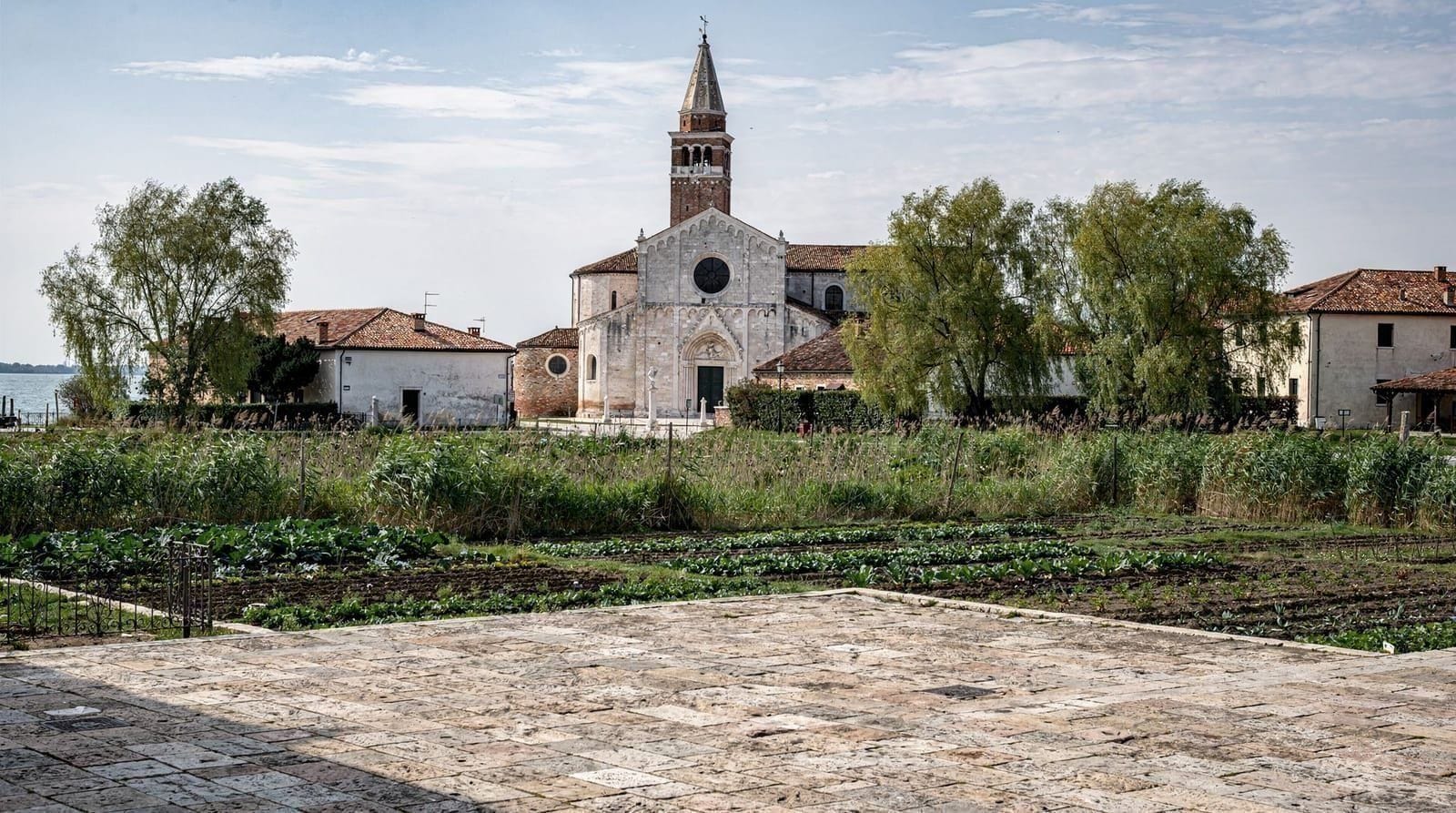
The Doge’s Palace. We tried. We got as far as the first courtyard before she decided to lie on the floor and have opinions about a step. We retreated after twelve minutes. With a two-year-old, the great palace-museums of Venice are aspirational rather than practical. Torcello, on the other hand, worked beautifully — open space, grass, ruins you can actually approach, and very few people. The Torcello guide notes this is true of the island in general: it suits families precisely because it is not optimised for mass tourism.
Hot afternoons. In July. Venice in July from around 12h to 15h is hot, crowded, and completely unsuitable for a toddler trying to nap. We adjusted our schedule after day one: out early (we were always up by 7h anyway), back to the apartment by 12h30, long afternoon rest, back out around 16h when the light was better and the heat slightly less punishing.
The apartment question
We stayed in a ground-floor apartment near Dorsoduro arranged through a local agency. Pushchair access was essential — we had specified this clearly when booking and confirmed the property had no internal steps between the street and the apartment. Some apartments in Venice are up one or two flights of stairs with no lift, which with a pushchair and a toddler would be genuinely difficult. Ask specifically. The where to stay in Venice guide has sections on practical family considerations.
A note on nap logistics
If your toddler naps once a day (ours did, around 13h), Venice is actually well-suited because you can be back in an apartment quickly. The city is small enough that fifteen minutes’ walk from almost anywhere covers most of the ground. We found the rhythm of morning exploration, lunch, apartment rest, late afternoon out again to be the natural pace of the city anyway. Restaurants here do not really start lunch service until 12h30, and the evening passeggiata does not begin until 18h. Venice runs on a schedule that, accidentally, suits small children quite well.
What we wish someone had told us
First: pack lighter than you think. Every bag you carry becomes heavier over those sixty bridge lifts. We brought too much. A small day bag, nappies, snacks, sunscreen, water bottle, change of clothes — that is it.
Second: the islands are easier than the city for young children. Torcello specifically — vast empty meadows, the extraordinary cathedral, almost no crowds — was the highlight of the whole trip. Burano was also good: flat, colourful, very small, so the walking distances are short.
Third: accept imperfection. You will not see everything. You will not be able to do the things you did on previous Venice trips without children. What you will have instead is Venice through different eyes — slower, closer to the ground, with very long pauses at any canal or pigeon. It was not the trip we planned, and it was better than we expected.
Eating with a toddler
This deserves its own section because it is both more important and more manageable than expected.
Venice food culture is surprisingly toddler-friendly if you approach it correctly. Pizza and pasta are on every menu. Cicchetti — the small bar snacks — are often appealing to small children because they are finger food at exactly the right height (bacaro bar counters are low enough to see). Gelato is universal. The one area where it falls down is the sit-down restaurant experience, where child menus are less common than in other Italian cities and waiting times can be long for a toddler’s patience.
Our successful approach: lunch at bacari or pizza-by-the-slice places, where the meal is fast and the food is obvious. Dinner early (17h30-18h), at restaurants away from the tourist circuit, always with a quick look at the menu before committing. We ate well every night.
Avoid anywhere that hands you a menu before you sit down — that is the tourist circuit and the prices reflect it. The cheapest eats in Venice guide is useful for this and the honest restaurant traps guide is essential.
The water access question
Venice is a city built on water with very few safety barriers between the pedestrian areas and the canals. This is part of what makes it beautiful and part of what makes parents of young children anxious.
In practice, the canals are not randomly accessible everywhere. The main walking routes — the Strada Nova, the path from Rialto to San Marco, the Fondamenta Nuove — have continuous fondamente (embankment paths) with mostly defined edges. The dangerous moments are at the smaller rii where the calle ends directly at the water without a barrier.
With a toddler who runs: hold hands at all canal crossings and keep the child on the inside of the path when walking alongside water. This sounds obvious and is. After one day, Ines had learned that canals were look-but-not-approach zones, reinforced by our own consistent behaviour. We had no near-misses.
The Venice with kids guide and the family friendly Venice guide both cover water safety and practical child logistics in more detail.
Would we go back?
Yes. In fact we are planning to go back in autumn, when Ines will be three and a half and slightly more capable of an explained detour to the Accademia. The trip is worth doing at any age, with some honest preparation and realistic expectations. Venice does not need to be seen only by adults in their own time. Some of the best things about it are visible only at toddler height.
What worked, ranked for toddlers
| Activity | Worked | Notes |
|---|---|---|
| Lido beach | Excellent | Real sand, easy vaporetto access, guaranteed nap after |
| Torcello | Excellent | Open space, grass, almost no crowds |
| Narrow calli, watching boats | Excellent | Free, endlessly captivating |
| Burano | Good | Flat, colourful, short walking distances |
| Vaporetto rides | Good | Under-6s free, novel and calming |
| Doge’s Palace / museums | Poor | Aspirational rather than practical under age three |
A half-day boat trip to Murano and Burano is a reasonable middle ground if you want an island day without committing to a full Torcello outing.
Murano and Burano half-day boat tripFAQ
Is Venice manageable with a pushchair? Yes, but expect to lift it over bridge steps frequently — Venice has around 400 bridges and many lack ramps. A compact, light folding pushchair or a carrier for bridges (pushchair for flat stretches) is the practical combination.
What’s the best toddler activity in Venice? The Lido beach and Torcello were the standout successes for us — open space, real sand or grass, and far fewer crowds than the central sights. Both are easy vaporetto trips from central Venice.