Redentore fireworks night: what to expect and how to see it properly
| When | Third weekend of July — 18-19 July 2026 |
| Cost | Free to watch from land; boat hire from several hundred euros |
| Time needed | The evening, plus flexibility for a slow walk back |
| Best free spot | Zattere embankment in Dorsoduro |
| Booking | Boat tours and restaurants should be booked months ahead |
The night Venice celebrates surviving the plague
The Festa del Redentore falls on the third weekend of July — in 2026, that is 18-19 July. It commemorates the end of the plague of 1575-77, which killed approximately 46,000 Venetians, roughly a third of the city’s population. The Senate vowed to build a church dedicated to Christ the Redeemer (il Redentore) on the Giudecca island if the plague passed, and the church — Palladio’s masterwork on the Giudecca waterfront — was consecrated in 1577. The procession across a pontoon bridge from the Zattere to the church became an annual festival; the fireworks came later, but they have been part of the celebration for long enough that most Venetians regard them as immemorial tradition.
What makes Redentore different from most large-scale fireworks events is that it is genuinely local. It is not primarily a tourist attraction, though tourists attend. It is something Venetians do together: hundreds of boats decorated with lights and garlands gather on the Bacino di San Marco and the Giudecca canal from early evening, families and friends eating dinner on board, and the fireworks at midnight conclude a communal celebration that is among the most atmospheric things this city offers. The next morning, at dawn, the traditional pilgrimage to San Marco and then back over the pontoon bridge to the Redentore church takes place.
The 2026 dates
Fireworks Saturday: 18 July 2026. The celebrations begin in the early evening and the fireworks start around 23h30, lasting approximately forty minutes. The Sunday (19 July) is the religious procession day — the pontoon bridge across the Giudecca canal is assembled specifically for this weekend and is open to foot traffic on both days.
Where to watch
This is the most important decision and the one that determines your whole experience.
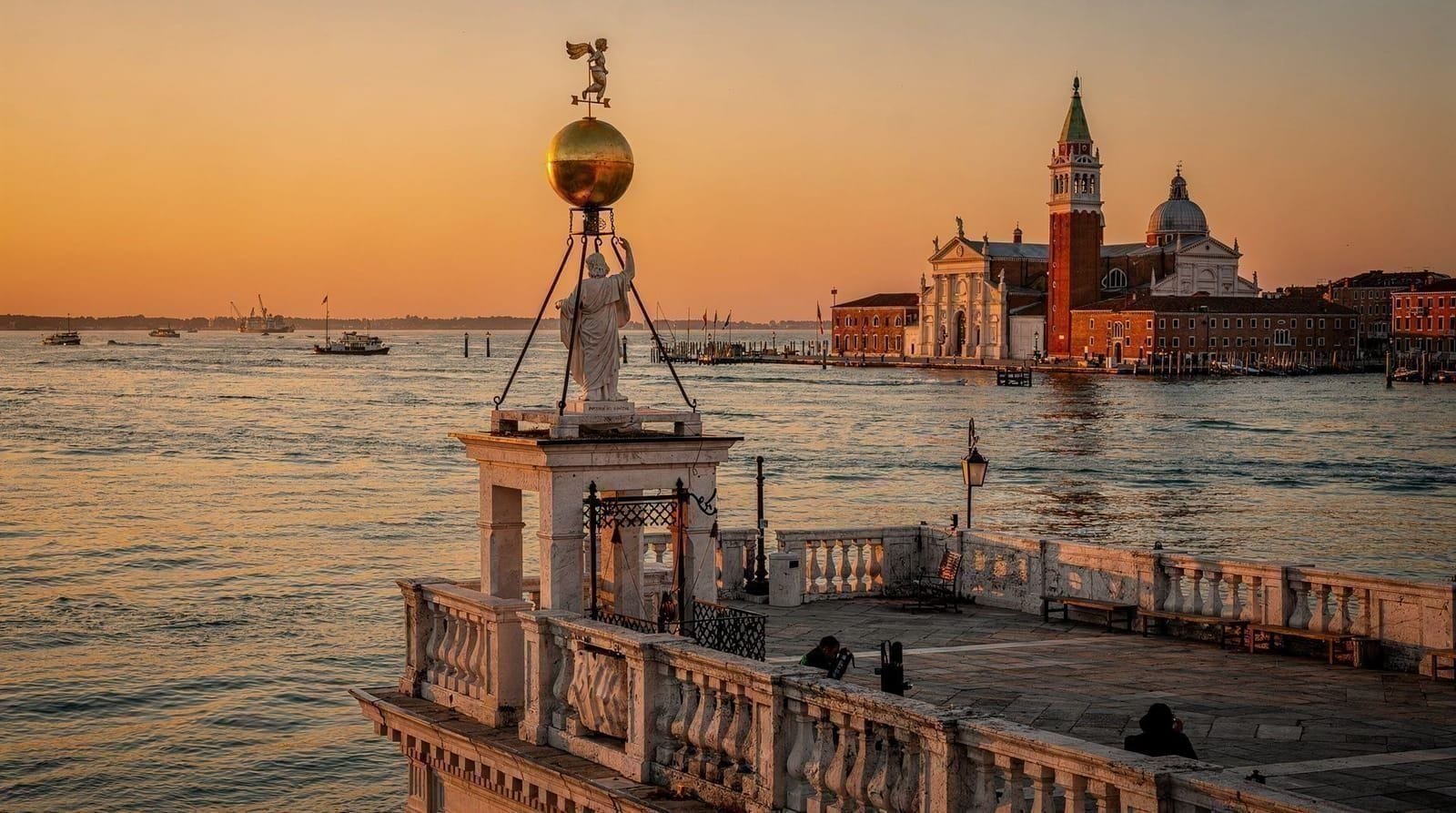
On a boat. The traditional Venetian way. The lagoon fills with decorated boats from around 19h on Saturday — gondolas, sandoli, motor launches, vaporetti hired for the evening, everything the city’s residents can get their hands on. Watching the fireworks from water level, surrounded by the decorated fleet, with the reflections doubling every burst on the Bacino, is one of the great spectator experiences in Europe. It is also not cheap: private boat hire for the evening costs several hundred euros, and organised boat tours for the fireworks sell out months in advance. The catamaran night tour on the lagoon is one of the more popular options for experiencing this from the water — check availability well in advance, as these fill up in May or June.
The Zattere embankment. The best free viewing position in the city. The Fondamenta Zattere in Dorsoduro runs along the Giudecca canal and offers unobstructed views of both the fireworks (which launch from the Bacino on the other side of the Giudecca island and are visible above the island’s skyline) and the decorated boat fleet in the Giudecca canal below. Arrive by 19h at the latest for a good position — residents have their chairs out by mid-afternoon. Bring a picnic; the Zattere has some bars and restaurants but they will be overwhelmed on this night.
The Giudecca. If you cross to Giudecca on the traghetto or vaporetto, you can watch from the embankment with a direct view of the fireworks launch area over the Bacino. Fewer people than the Zattere but harder to reach by the end of the evening when the boats are everywhere.
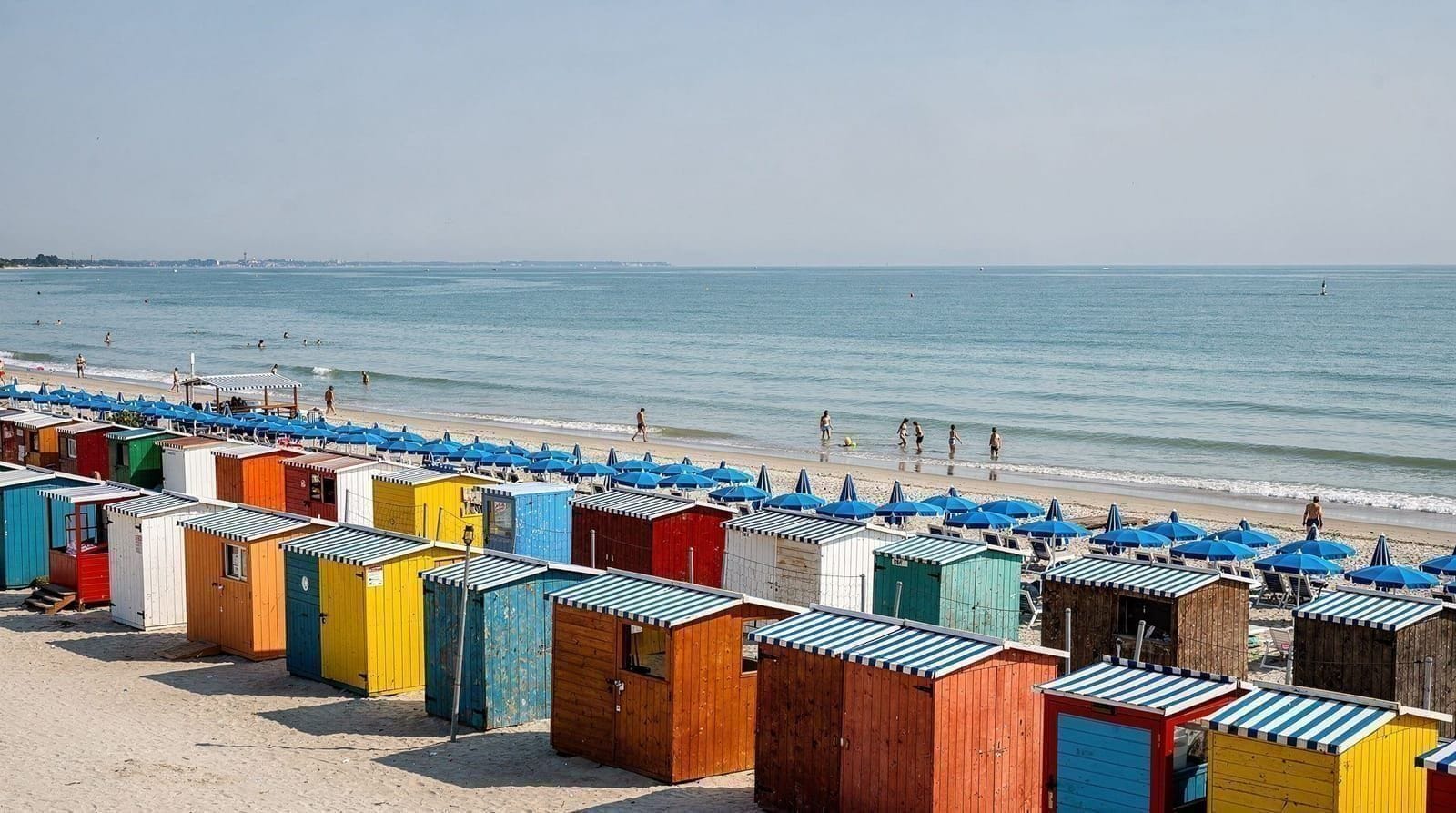
The Lido. The Lido di Venezia has a beach facing the lagoon and the fireworks are visible from here — slightly distant but with a clear sky view and dramatically fewer crowds. Some people prefer this option precisely because the crowds on the Zattere and San Marco are extreme.
San Marco waterfront. The Riva degli Schiavoni and the area around the Doge’s Palace is extremely popular — and extremely crowded. If you want this position, arrive very early (16h) and expect to be standing for six or more hours. The view of the decorated fleet is excellent from here; the fireworks are slightly to the west and visible but not directly overhead.
Getting there and getting back
This is genuinely the hardest logistical challenge of the night. Venice is small and its public transport is water-based; on Redentore night, every boat is either privately hired or overwhelmed with passengers, and the vaporettos after midnight are packed to the point of unusability.
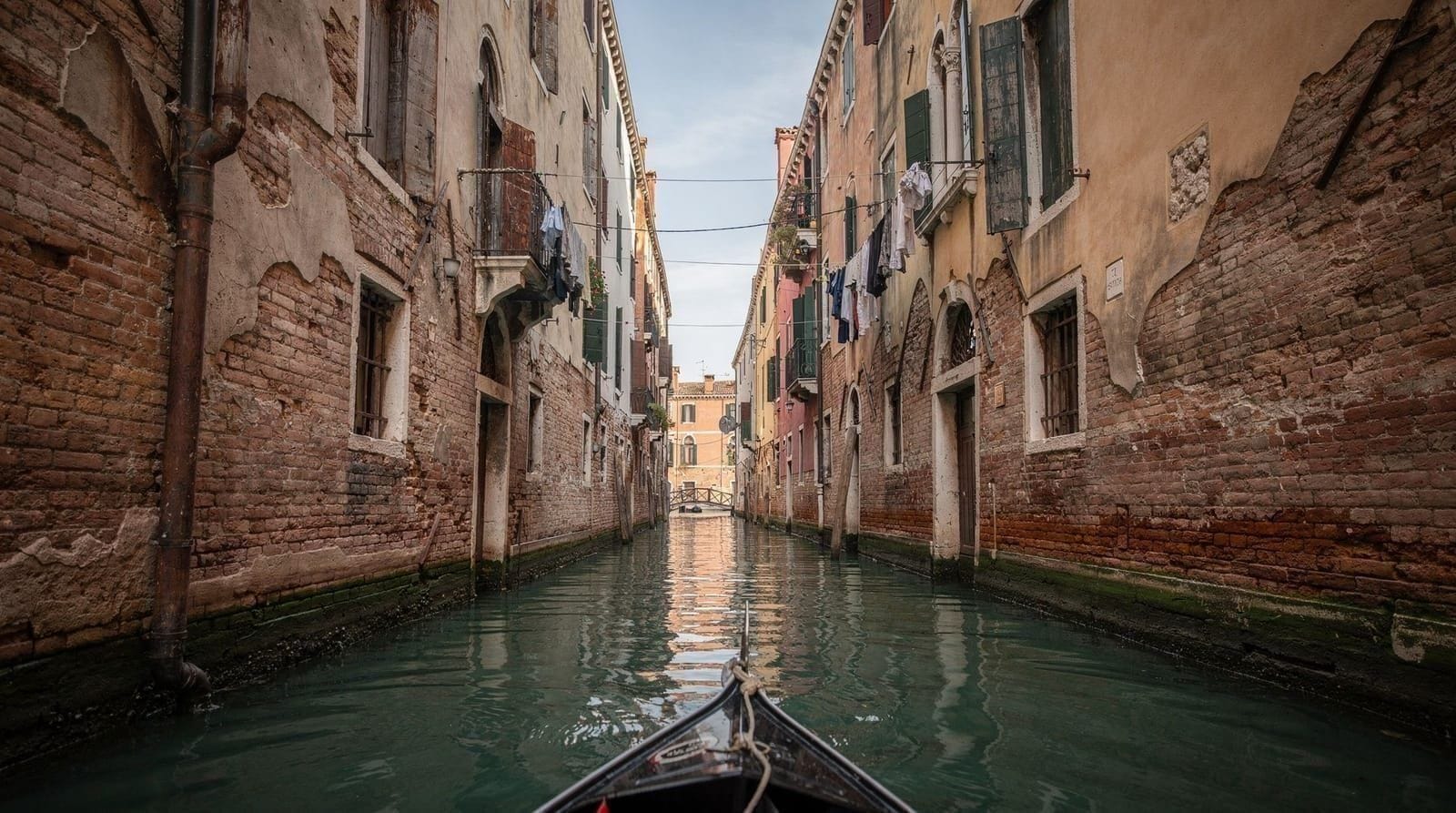
The practical solution: stay on the Dorsoduro side or the Giudecca rather than planning to cross back to other sestieri at midnight. If you are staying in Cannaregio or San Marco, walk back after the fireworks through the calli — the city is lively until 2h or 3h on this night and the streets are safe, colourful, and part of the celebration. It will take longer than normal but is more pleasant than fighting for a vaporetto.
Water taxis operate on the night but prices increase significantly — expect €80-120 for a shared taxi back from the Zattere to the train station after midnight.
What to eat
The traditional Redentore dinner is eaten on the boats — antipasto, risi e bisi (rice and peas), roast duck, and a dessert that varies by family. For those without boats, the bacari and restaurants around the Zattere and Giudecca prepare for the night and many offer special Redentore menus. Book any restaurant in advance; walk-in availability on this night is essentially zero in popular areas.
The cicchetti guide applies as always — stock up at a bacaro in the afternoon and bring your own food to the embankment, which is entirely normal and what half the people around you will be doing.
The religious side
The Sunday morning pilgrimage across the pontoon bridge is less visited by tourists and more genuinely atmospheric than the Saturday fireworks. The bridge is made of boats lashed together and is narrow enough that only a few people can cross at a time — there is a slow, procession-like quality to it. The Redentore church on the Giudecca is Palladio at his most austere and beautiful; on this Sunday it fills with Venetian residents rather than the usual mix of tourists.
The Venice churches guide has background on the Redentore and what to see inside; the Giudecca guide covers the island more broadly.
July in Venice: the wider context
The Redentore falls in the middle of Venice’s peak tourist season. July is hot (typically 28-32°C), crowded, and expensive. The city’s famous narrow calli turn into channelled heat, the vaporettos are standing-room only at peak hours, and the prices at restaurants near San Marco approach the absurd.
The compensations are real: the lagoon is spectacular in summer light, the aperitivo hour on the waterfront has the maximum number of people sharing it, and Venice’s character as a summer resort — which it has been since the Renaissance — is at its most evident. If you are going in July and the Redentore weekend aligns, it is worth planning around.
If you are going in July without Redentore specifically, the practical adjustments are: stay in Cannaregio or Dorsoduro rather than near San Marco; eat at bacari and neighbourhood restaurants rather than the tourist circuit; schedule the major outdoor sights (walks, islands) for morning and evening, and treat the midday hours as reading time in air conditioning or shade.
The Venice in summer guide covers all of this, including the specific question of whether July or August is better (August, marginally, because the Venetian August exodus reduces the local-tourist ratio slightly in August compared to July).
If you’re not staying overnight in Venice
Some visitors do Redentore as a day trip from elsewhere in the Veneto or even from further afield, arriving in the afternoon and leaving after the fireworks. This is possible but harder than it sounds: the last trains from Venezia Santa Lucia toward Padua, Verona, or Treviso run before the fireworks finish, so a same-night departure usually means missing the finale or paying for a taxi to a station further from the crowds. If you can manage it, staying at least one night — even in Mestre on the mainland if central Venice is fully booked or too expensive that weekend — makes the evening far less stressful than racing a last train.
The night itself: a more personal note
I want to be specific about what watching the Redentore fireworks actually felt like the first time, from a friend’s small motor launch moored in the Bacino about two hundred metres from the main launch area.
The lead-up is social rather than spectacular — hours of eating and drinking on the boat, watching the other boats arrive and arrange themselves around you, the decorated gondolas weaving between motor launches, the gradual darkening of the sky. There is a long wait. Children fall asleep on cushions. Adults get progressively more comfortable.
Then the fireworks begin, and for forty minutes the sky above Venice turns into something that does not quite have a category. The sheer volume of light, the reflections doubling everything in the water, the colour that seems to saturate rather than just illuminate — it is not like fireworks in a park. The water and the city and the sky are all part of it. The boats rock slightly in each other’s wash. Nobody is talking.
When it ends, the boats begin moving almost simultaneously, which creates a water traffic situation of gentle chaos. We stayed where we were and ate dessert. By the time we left, the main rush was over.
The honest assessment
Redentore is crowded. On the Saturday evening the main embankments — Zattere, Riva degli Schiavoni — are genuinely uncomfortable if you dislike crowds. If you are in Venice in mid-July and want to attend, plan your position well, arrive early, bring everything you need, and plan how you will get back before you need to.
It is also extraordinary. The tradition is real, the boats are beautiful, and the forty minutes of fireworks over the lagoon — viewed from the right position, ideally on the water — is something that is difficult to describe without sounding like a tourist brochure. We have been twice and would go again.
The redentore festival guide has more on the history and what to bring. The seasonal guide to Venice in summer covers the wider context of visiting in July.
Comparing the viewing spots
| Spot | Crowds | Cost | View quality |
|---|---|---|---|
| On a boat | Low (if booked) | High | Best, at water level with the fleet |
| Zattere embankment | High | Free | Excellent, unobstructed |
| Giudecca | Moderate | Free | Very good, fewer people |
| Lido | Low | Free | Good but distant |
| San Marco waterfront | Very high | Free | Good for boats, fireworks slightly off-axis |
FAQ
What are the 2026 Redentore fireworks dates? The fireworks are on Saturday 18 July 2026, starting around 23h30. Sunday 19 July is the religious procession across the pontoon bridge to the Redentore church on Giudecca.
Do I need to pay to watch the Redentore fireworks? No — the best free viewing is from the Zattere embankment in Dorsoduro or from Giudecca. Paying comes in if you want the traditional boat experience, which costs several hundred euros to hire privately or requires booking an organised boat tour well in advance.