San Polo and the Rialto guide: market, the Frari, and real Venetian food
Venice: Rialto market food and wine lunchtime tour
What is San Polo best for and how long should I spend there?
San Polo is Venice's most rewarding neighbourhood for food and the Rialto market. Budget a morning for the market (best before 11am) and the Frari church, then afternoon cicchetti in the surrounding bacari. Half a day is enough; a full day if you linger at the market and visit Santa Croce too.
San Polo: Venice’s culinary and market heart
San Polo is Venice’s smallest sestiere and arguably its most rewarding for eating and market-going. The Rialto Bridge — one of the four Grand Canal crossings and Venice’s most photographed landmark outside Piazza San Marco — is here, and so is the market that has been operating in its shadow for nearly 1,000 years. The neighbourhood around the market has the highest density of genuine bacari in Venice outside of Cannaregio, and the Frari basilica, tucked into the western part of the sestiere, is among the most important Gothic churches in Italy.
San Polo is easy to underestimate because it lacks the star-power monuments of San Marco. Most visitors cross the Rialto Bridge and turn around. Those who walk further into the sestiere — past the market, toward the Frari, through the quiet calli of the interior — find the most genuinely functioning part of tourist-accessible Venice.
This guide is about how to spend time in San Polo productively. The Rialto market guide covers the market in more depth; this focuses on the full neighbourhood.
| Where | West bank of the Grand Canal, around the Rialto Bridge |
| Cost | Free to walk; Frari around €5, Scuola di San Rocco around €12 |
| Time needed | Half a day for the essentials; a full day with Santa Croce |
| Best time | Morning for the market, any time for the Frari and calli |
| Getting there | Vaporetto to Rialto Mercato, San Tomà, or Rialto (line 1 or 2) |
The Rialto Bridge
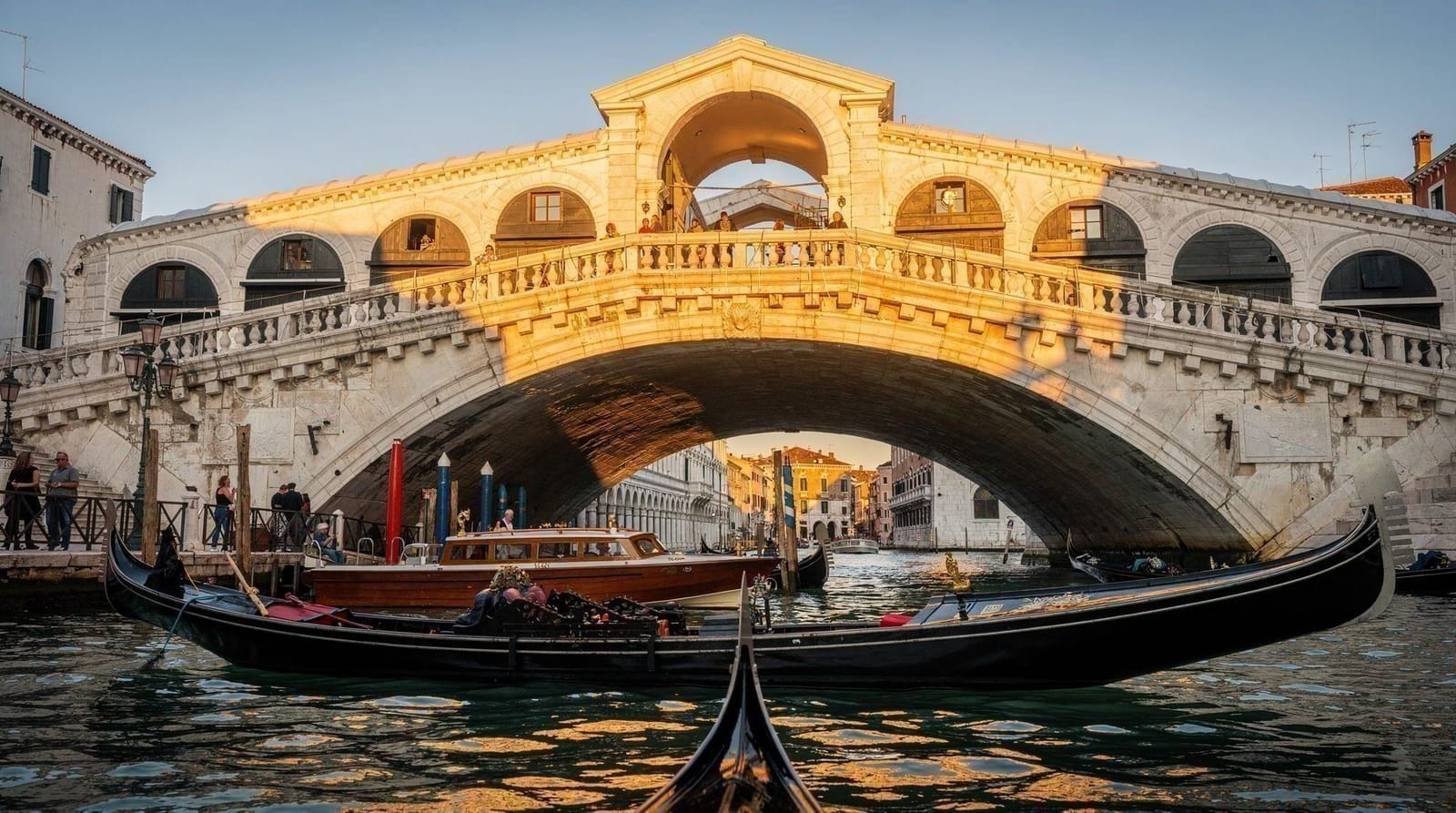
The Rialto Bridge (Ponte di Rialto) is the most famous of Venice’s four Grand Canal crossings — a single marble arch with a row of shops on either side, built in 1591 to replace earlier wooden structures. The view from the top of the bridge down the Grand Canal is one of the iconic Venice images, and the bridge itself is remarkably engineered: the arch spans 28 metres at a height that allowed galleys to pass beneath.
The bridge is always busy during daylight hours. For a relatively uncrowded view: before 8am (before most tourists and the day-tripper access fee period) or after 8pm. The light from the east (toward San Marco) is best in morning; the view west (toward Ca’ d’Oro and Cannaregio) is at its best in afternoon.
The shops on the bridge itself sell bags, jewellery, and gifts — average tourist-facing quality. Better artisan shopping is available in the side streets of San Polo and Santa Croce.
The Rialto market
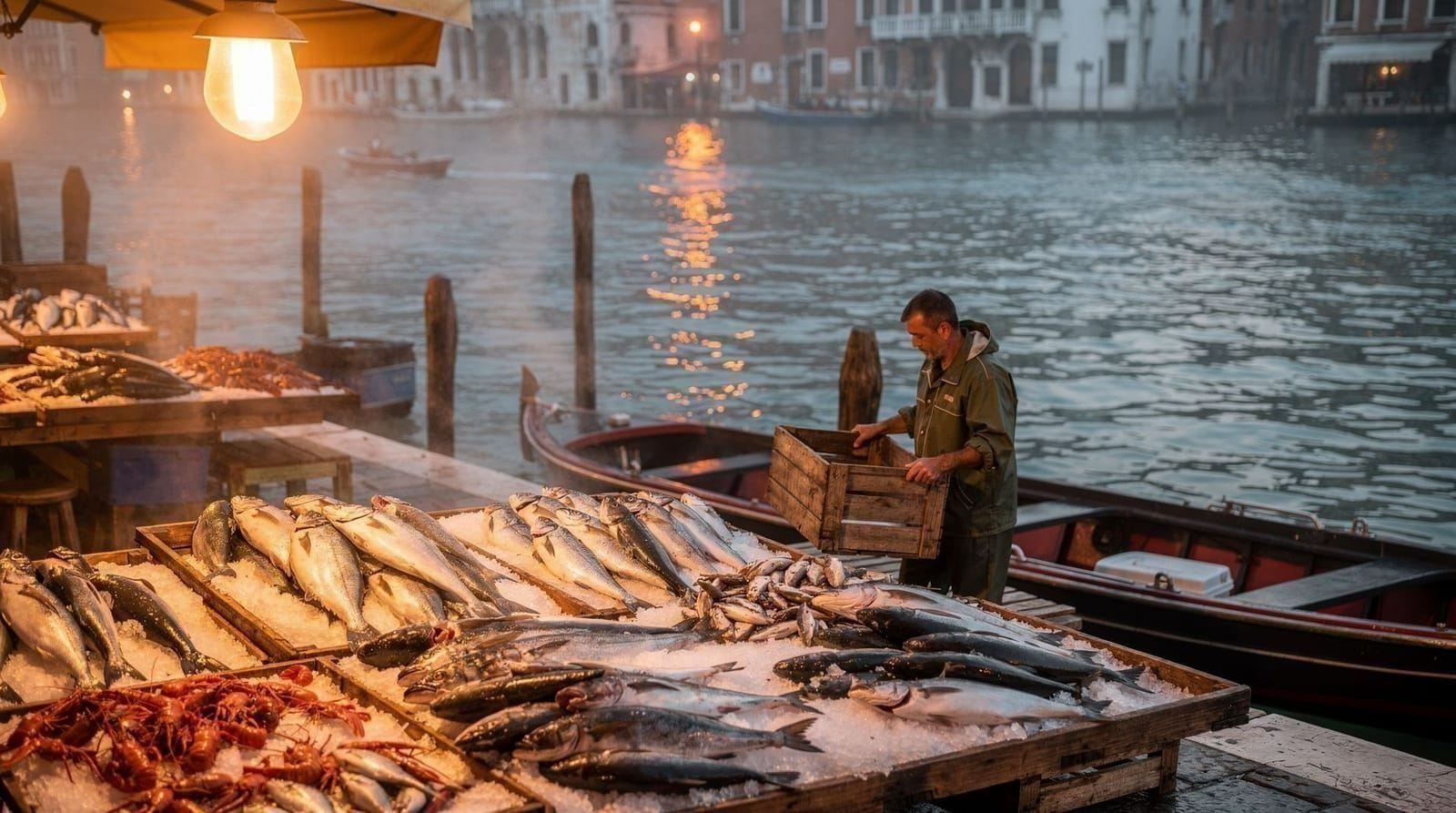
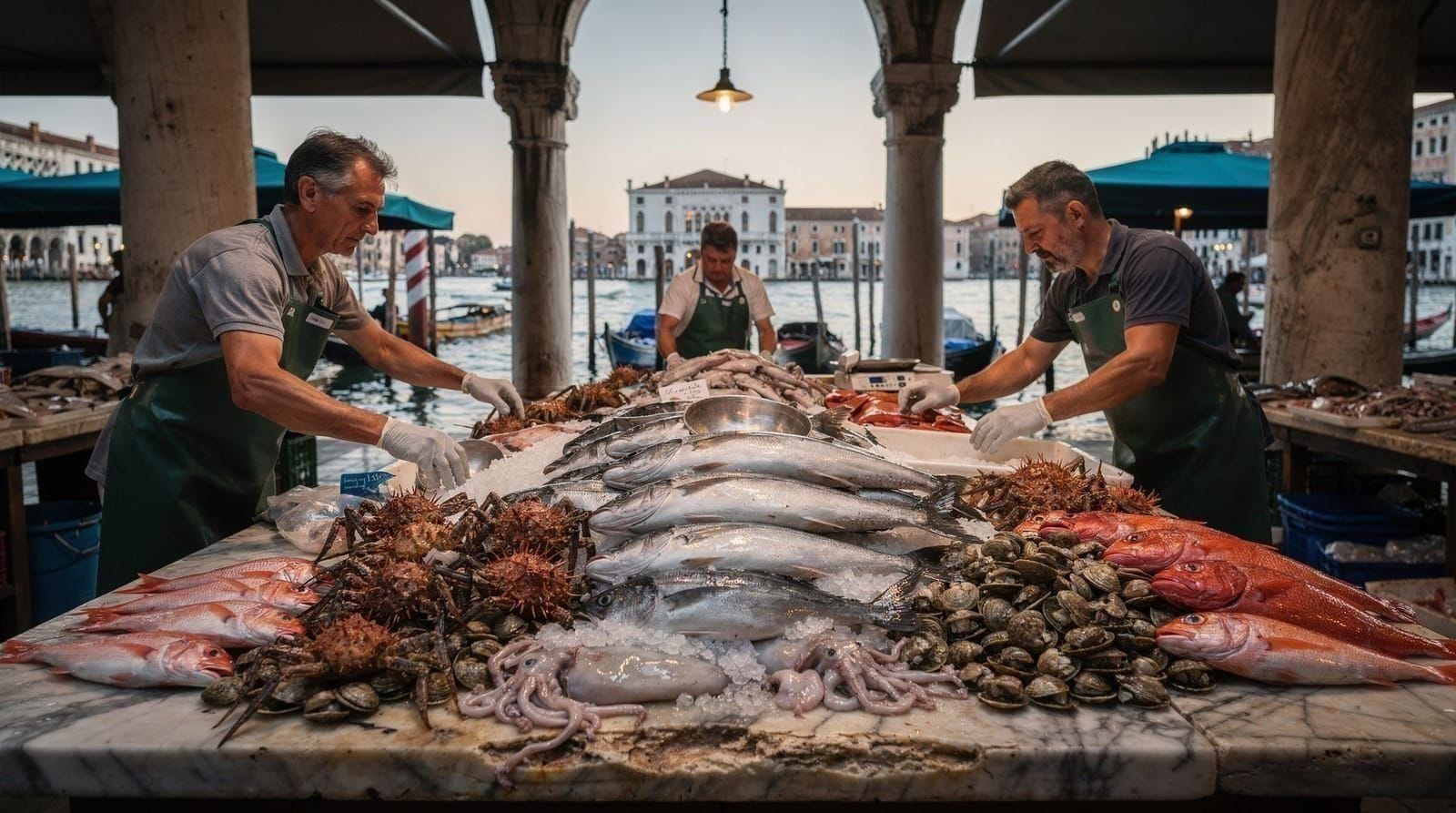
The Rialto fish market (Pescheria) and the adjacent produce market are Venice’s primary working food markets — and among the most photogenic covered markets in Italy. The Pescheria (rebuilt in 1907 in a Gothic revival style) sits directly on the Grand Canal; the arcaded produce market extends behind it.
The fish stalls carry the full range of Adriatic and lagoon seafood: cuttlefish, razor clams, spider crabs, mantis shrimp, bream, sole, mullet, and the giant grancevola (spider crab). Prices are real market prices, not tourist prices. The Venetian fishmongers and their regular customers speak a very old dialect; do not worry about understanding — pointing works.
Best time: 7–9am for the broadest selection, quietest atmosphere, and best light (photographers: the morning light inside the arcades is extraordinary). By 11am crowds are building; noon is the last viable time before stalls close.
How to use the market: The market is primarily for buying, not just looking. If you are in Venice for several days and have kitchen access, buying directly at the Pescheria is a fraction of restaurant prices and a genuine experience. Read the Rialto market guide for what to buy and where to take it.
Venice: Rialto market food and wine lunchtime tourBacari around the Rialto
The streets immediately surrounding the market have the highest concentration of functioning bacari in San Polo. These bars open early to serve the market traders and keep the same hours as the market.
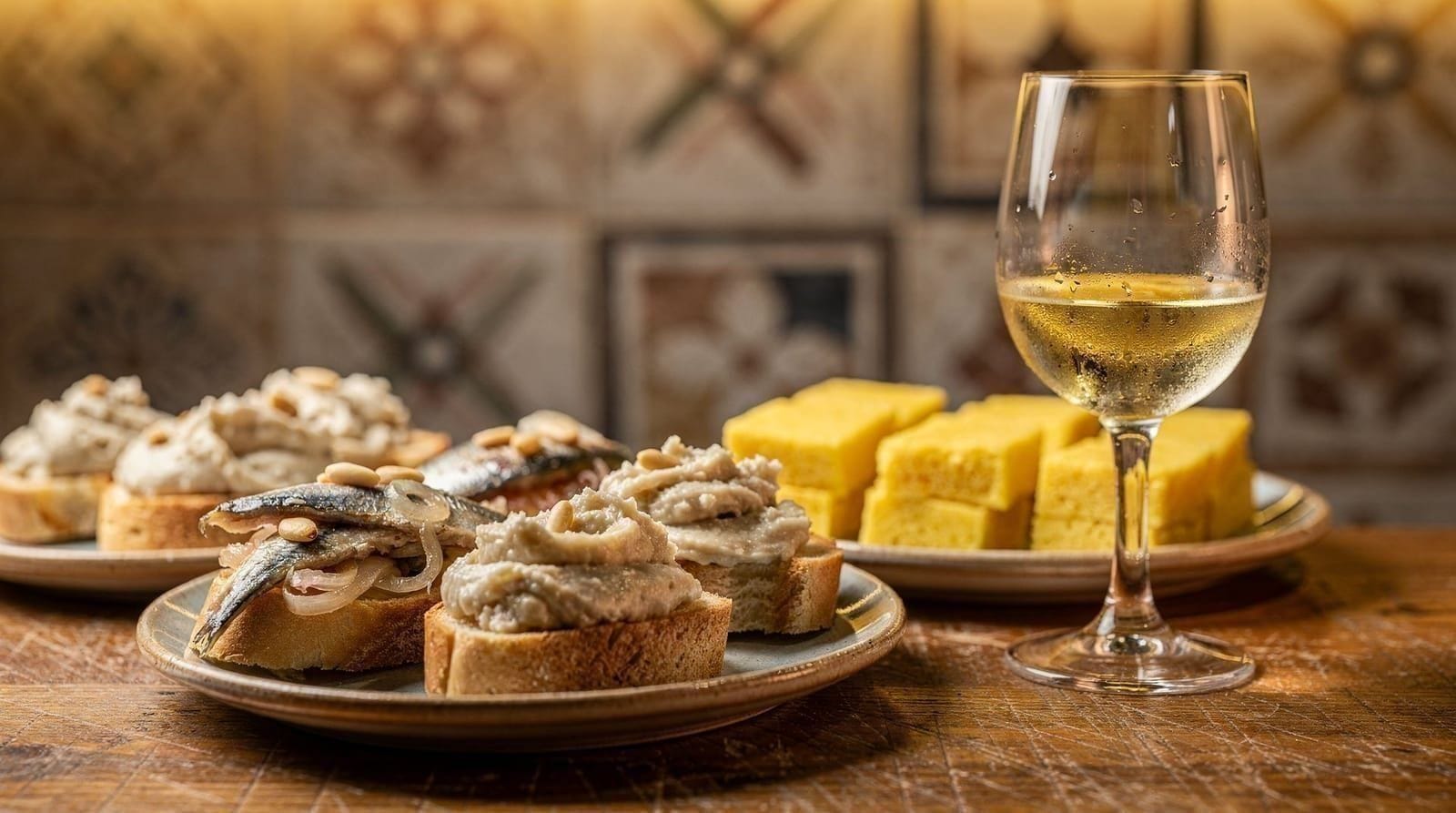
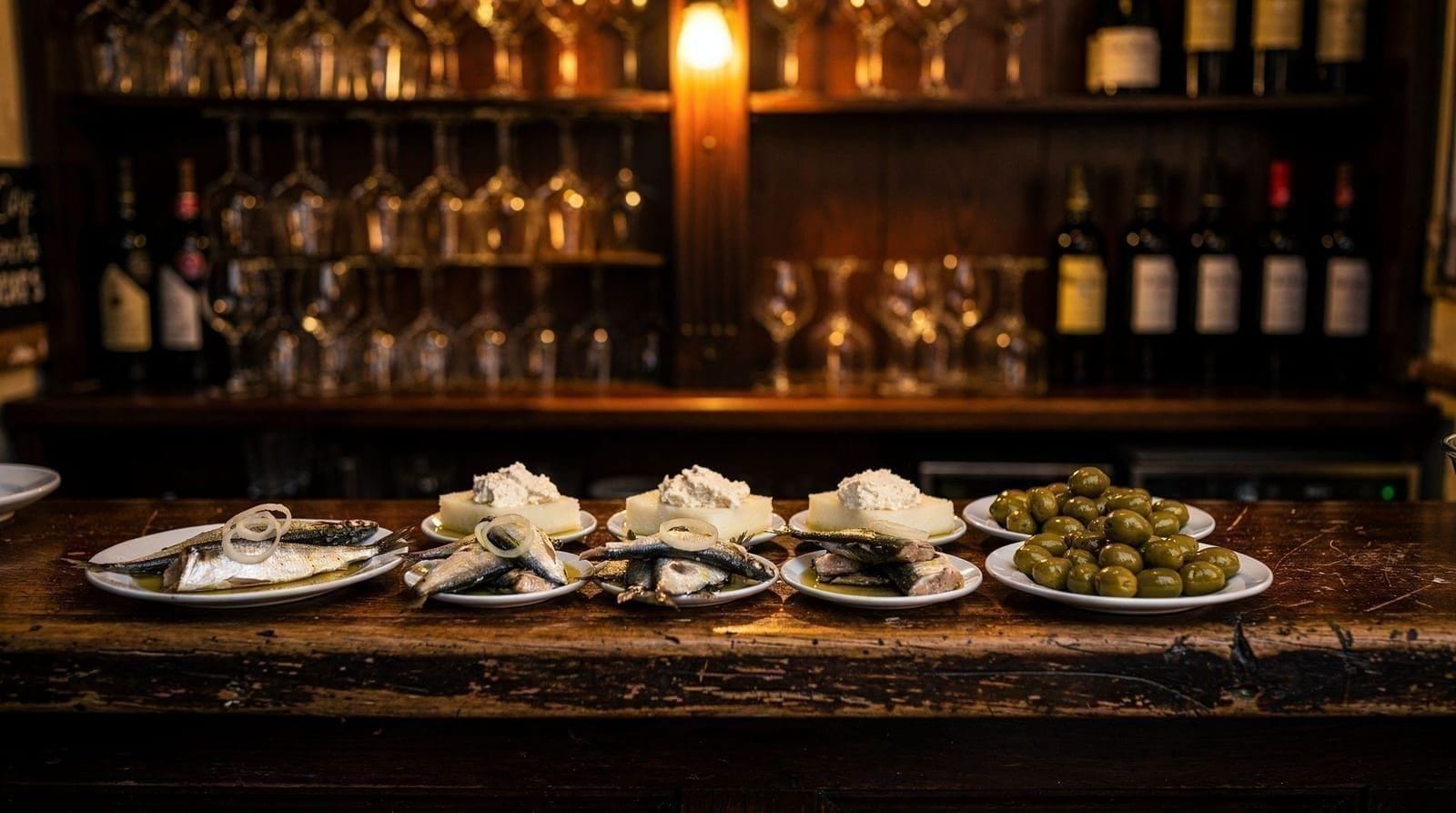
Cantina Do Mori (Calle Do Mori, behind the market): Reportedly Venice’s oldest wine bar — operating since at least 1462 according to the sign, possibly before. Dark, narrow, hung with copper pots, no outdoor seating, no concessions to tourism. Cicchetti stacked on the bar; you order from the counter and stand. Spritz €3, ombra €2. The classic experience.
All’Arco (Calle Arco, adjacent to the market): Tiny, standing-only, famous for generous cicchetti and a selection of sandwiches. Gets very busy; the 11am–12pm window is prime time.
Osteria Da Fiori (Calle del Scaleter): More formal, also excellent, particularly for seafood. Table service available; reservations useful.
The cicchetti guide and best bacari guide cover the full city; San Polo features prominently in both.
Venice: Rialto market and cicchetti food tourSanta Maria Gloriosa dei Frari (the Frari)
The Frari (officially Santa Maria Gloriosa dei Frari) is one of Venice’s two great Gothic churches (the other is Santi Giovanni e Paolo in Castello). Built by the Franciscan friars over the 13th–15th centuries, it is long and barnlike on the exterior — restrained brick Gothic — and extraordinary on the interior.
The showpiece is Titian’s Assumption of the Virgin (1516–18) in the apse — a vast, theatrically lit altarpiece that was controversial on completion (the scale, the dynamism, the naturalism) and is now regarded as one of the greatest Italian paintings. It was designed to be seen from the central door of the church, with the nave as a processional approach. Stand at the door; look through the choir screen to the apse. This is the correct vantage point.
Also worth seeing: Titian’s Pesaro Madonna (left nave), a radical off-axis composition commissioned by a Venetian nobleman; Giovanni Bellini’s Triptych of the Frari (in the sacristy, often quiet) — one of his finest late works; Donatello’s painted wooden statue of St John the Baptist; and the extraordinary wooden choir stalls of the lay brothers, carved in the 15th century.
Entry costs around €5 (Chorus Pass covers it at €3.50). Open Monday–Saturday 9am–6pm, Sunday 1–6pm (check seasonal variations). Budget 45–60 minutes.
Scuola Grande di San Rocco
A few minutes from the Frari, the Scuola Grande di San Rocco is perhaps the most concentrated assembly of Tintoretto paintings in the world — the artist spent 23 years decorating the two main floors with scenes from the Old and New Testaments. The effect is overwhelming. The upper hall (Sala dell’Albergo) contains the vast Crucifixion canvas — one of the largest paintings in Venice and one of the most complex compositional achievements of the 16th century.
Entry runs around €12. Allow 45–60 minutes. Mirrors on trolleys are provided for viewing the ceiling panels (viewing up at full-size canvases for an extended period strains the neck considerably). The Sala dell’Albergo has a wooden ceiling with ceiling panels interspersed among Tintoretto works — the combination is visually dense in the best sense.
The church of San Rocco adjacent to the Scuola has further Tintoretto works and is often overlooked — it is included in the Scuola entry.
The interior streets of San Polo
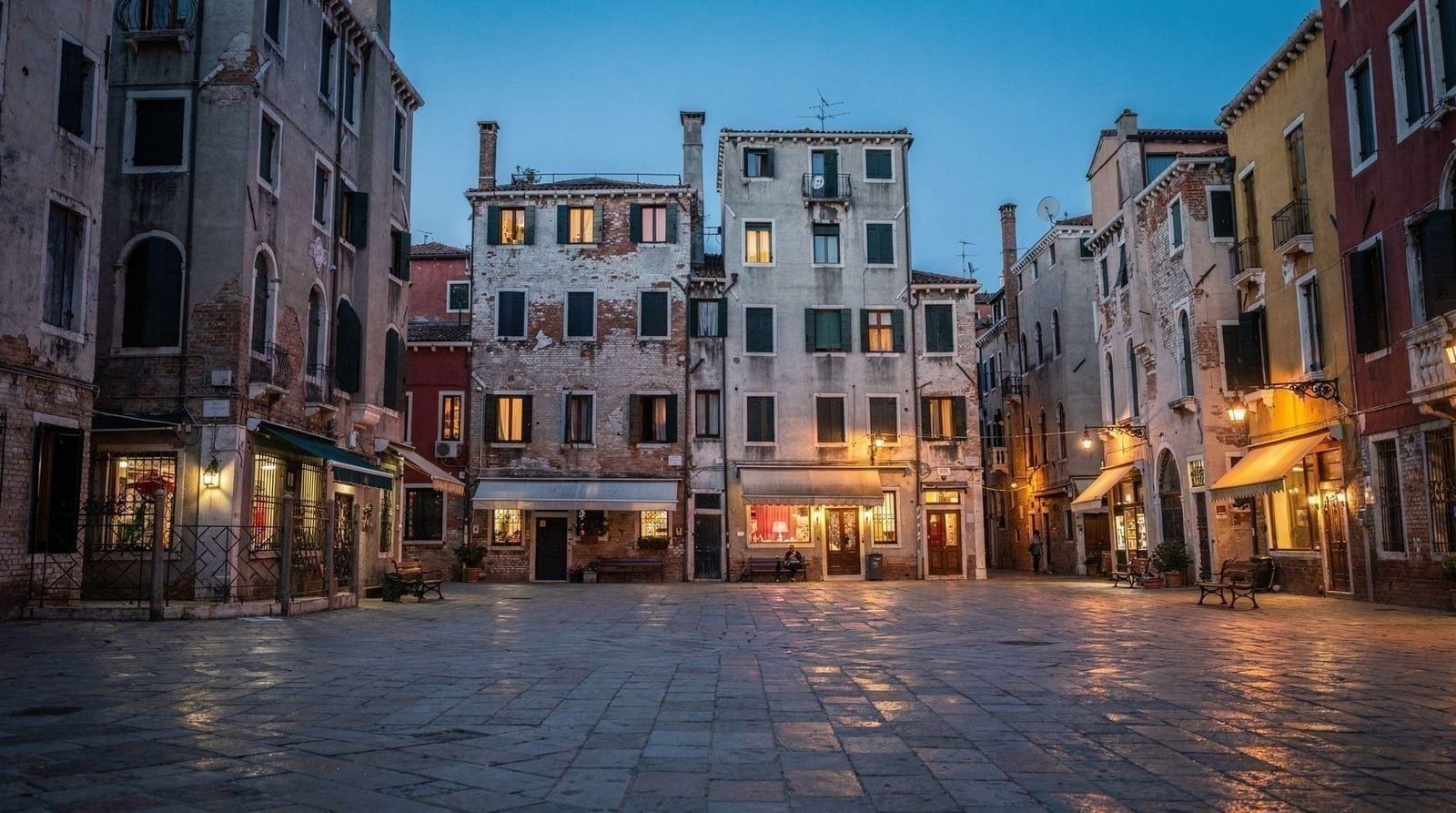
The streets of San Polo between the Rialto and the Frari are among the most genuinely residential in the western part of Venice. The calli and campielli (small squares) — Campo Bella Vienna, Campo dei Frari, Campo San Polo itself — have local bars, neighbourhood shops, and children playing in the afternoon. Campo San Polo is the second-largest campo in Venice (after Piazza San Marco) and serves as the main public space for the local population — football goals go up in the evening; outdoor cinema sets up in summer.
Scuola Grande di San Giovanni Evangelista is an overlooked gem near the western end of San Polo — a 14th-century confraternity building with a remarkable atrium by Mauro Codussi. The interior is only open on specific days or by appointment, but the courtyard and exterior are accessible and architecturally significant.
Walking these streets without a fixed destination is, for many visitors, as rewarding as the named sights. San Polo’s calli are narrower and less regularised than San Marco’s, a legacy of the sestiere growing organically around the market rather than being planned as ceremonial space, and the effect is a denser, more human-scaled street pattern that rewards unhurried wandering between the Rialto and the Frari.
San Polo for food tours
San Polo is the hub of Venice’s food tour industry, and with good reason — the combination of market, bacari, and restaurant density makes it the best area in the city for structured eating. Well-organised tours typically start at the Rialto market, move to two or three bacari for cicchetti, and finish with a restaurant lunch or a cooking element.
Independent cicchetti-hunters can cover the same ground: arrive at the Pescheria at 9am, buy some market produce or simply browse, move to Cantina Do Mori or All’Arco for 10:30am cicchetti, and finish with a sit-down lunch at a restaurant off the market square. Total cost for two: €30–50, significantly below comparable tourist restaurant options.
Venice: street food tour with a local guide and tastingsSee the Venice food tour guide for how to choose between guided and self-guided options.
Combining San Polo with Santa Croce and Dorsoduro
San Polo borders Santa Croce (to the northwest) and Dorsoduro (across the Accademia bridge, to the south). A well-paced day:
- Morning: Rialto market + bacari (San Polo)
- Late morning: Frari and Scuola di San Rocco (San Polo)
- Lunch: restaurants near Campo San Polo or crossing to Santa Croce
- Afternoon: Accademia gallery or Peggy Guggenheim in Dorsoduro
See the Dorsoduro guide for the afternoon half. The Venice 2-day itinerary uses this structure for day two.
Getting around San Polo
Vaporetto stops:
- Rialto Mercato (line 1): best for the market and bacari
- San Tomà (line 1): best for the Frari and Scuola di San Rocco
- Rialto (line 2): fastest from the train station, arrives on the Cannaregio side of the bridge
On foot from San Marco: cross the Rialto Bridge — market is 3 minutes beyond the bridge on the left. From Dorsoduro: cross the Accademia bridge and walk northwest. From the train station: 20–25 minutes on foot, following the main tourist route through Santa Croce.
See the getting around Venice guide for vaporetto schedules.
Frequently asked questions about San Polo and the Rialto
What are the best things to buy at the Rialto market?
Adriatic seafood (particularly cuttlefish, razor clams, and small fish you can’t find elsewhere), local produce including radicchio di Treviso (autumn/winter), artichokes (spring), herbs, and seasonal fruit. The market also has a small covered area for dried goods — pasta, spices, and legumes.
Is the Rialto market good even if I’m not buying food?
Yes — for the atmosphere and the photography. The Pescheria arcade in early morning light is genuinely beautiful. Even without buying, walking through the fish market and produce stalls while the vendors and regular customers go about their business is a distinctive Venice experience.
Are the restaurants near the Rialto good or tourist traps?
Mixed. The restaurants directly on the market square (facing the canal) tend to be tourist-priced. The better options are one or two streets back from the water — typically with handwritten specials boards in Italian, no English tout at the door, and a local clientele at lunchtime. The Venice food tour guide helps distinguish them.
How early should I arrive at the Rialto for the best market experience?
8am is ideal — full selection, still quiet, best light. By 10am it starts getting busy with both shoppers and tourists. The market is essentially over by 12:30pm on most days.
Is the Frari more impressive than Santi Giovanni e Paolo in Castello?
They are different in emphasis. The Frari has the Titian Assumption — which is probably the single most impressive individual altarpiece in any Venetian church. San Zanipolo has more doge tombs and the Bellini polyptych. Both are worth visiting; if you can only do one, the Frari’s Titian justifies the detour.
San Polo’s quieter corners
Beyond the market-and-Frari axis that most visitors follow, San Polo has residential pockets that reward slower exploration. Campo San Boldo and the streets around Rio Marin on the Santa Croce border feel almost entirely local — a scattering of neighbourhood bars, laundry lines strung between buildings, and none of the shop-window English that marks tourist-facing streets. Campo dei Frari, the square directly in front of the basilica, is a legitimately pleasant place to sit with a coffee before or after the visit, with none of the crowd of the church interior itself.
For visitors staying in San Polo rather than just passing through, this residential texture is arguably the neighbourhood’s real appeal — a version of Venice within a five-minute walk of the Rialto Bridge that most day-trippers never see because they turn back toward San Marco immediately after crossing.
Combining San Polo with a full day near the Rialto
If San Polo is your base for a full day, a workable structure runs: market and bacari first thing (8–10am), the Frari and Scuola di San Rocco mid-morning (allow 90 minutes for both), lunch in or near Campo San Polo, then either the Rialto Bridge itself for photography in better afternoon light or a crossing into Dorsoduro for the afternoon. Couples or slower travellers can stretch this over a full day without feeling rushed; more efficient visitors can compress it into a morning and use the afternoon elsewhere.
Top experiences
Bookable activities with verified prices and instant confirmation on GetYourGuide.