Cannaregio guide: bacari, the Jewish Ghetto, and the real Venice
Venice: Jewish Ghetto walking tour with synagogue visits
What makes Cannaregio worth exploring beyond the train station area?
Cannaregio holds the world's first Jewish Ghetto, Venice's best concentration of bacari (wine bars), the Gothic church of Madonna dell'Orto with original Tintoretto canvases, and the quiet northern lagoon edge. Most tourists rush through it on the way from the station to San Marco.
The sestiere most tourists walk through but never explore
Cannaregio is the largest and most populated sestiere in Venice, stretching from the main train station (Venezia Santa Lucia) along the northern edge of the island to the Fondamenta Nuove — the lagoon-facing waterfront where boats depart for Murano, Burano, and Torcello. Between those two ends lies a neighbourhood that is more everyday, more genuinely Venetian, and more rewarding for slow exploration than anything in San Marco.
| Where | Northern Venice, from the train station to Fondamenta Nuove |
| Cost | Free to walk; Jewish Museum around €12, Chorus Pass €16 |
| Time needed | 3–4 hours for a slow walking route |
| Getting there | On foot from the station, or vaporetto lines 1/4.1/4.2 |
| Best time | Early morning for the Ghetto, from 6pm for the bacari |
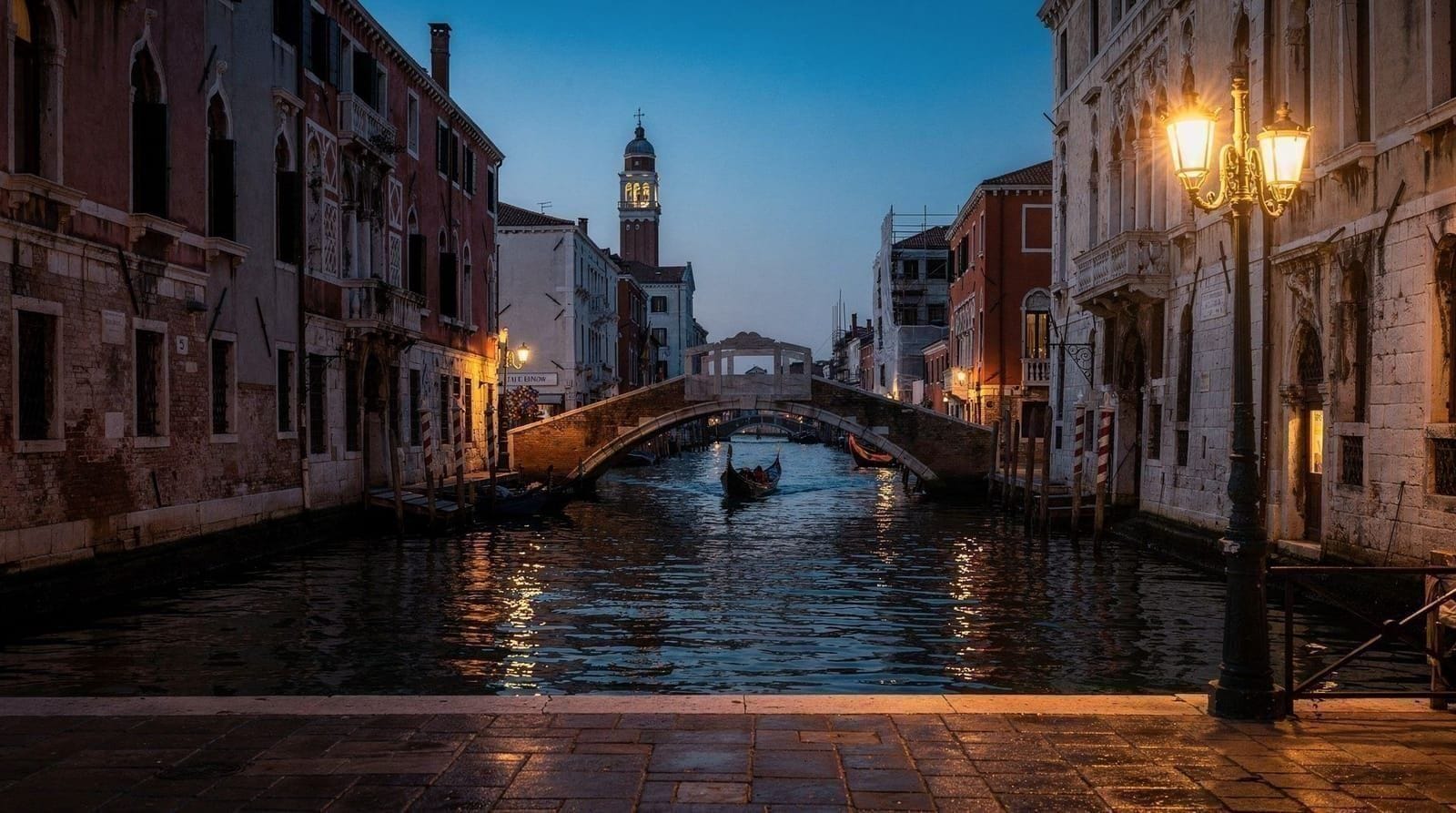
Most visitors to Cannaregio experience only the Lista di Spagna — the broad tourist street that runs east from the train station — before turning south toward San Marco. The streets that open north and east of that axis are almost entirely overlooked. This is where the bacari (traditional wine bars) are most concentrated, where the world’s first Jewish Ghetto sits, and where the canals run wide and quiet under Gothic facades that no one is photographing.
This guide covers what to do in Cannaregio: the Jewish Ghetto, the bacari route, the churches, and the walks out to the quieter lagoon-facing edge. The Cannaregio destination page gives the area overview; this guide is about what to do and where to spend your time.
The Jewish Ghetto (Ghetto Ebraico)
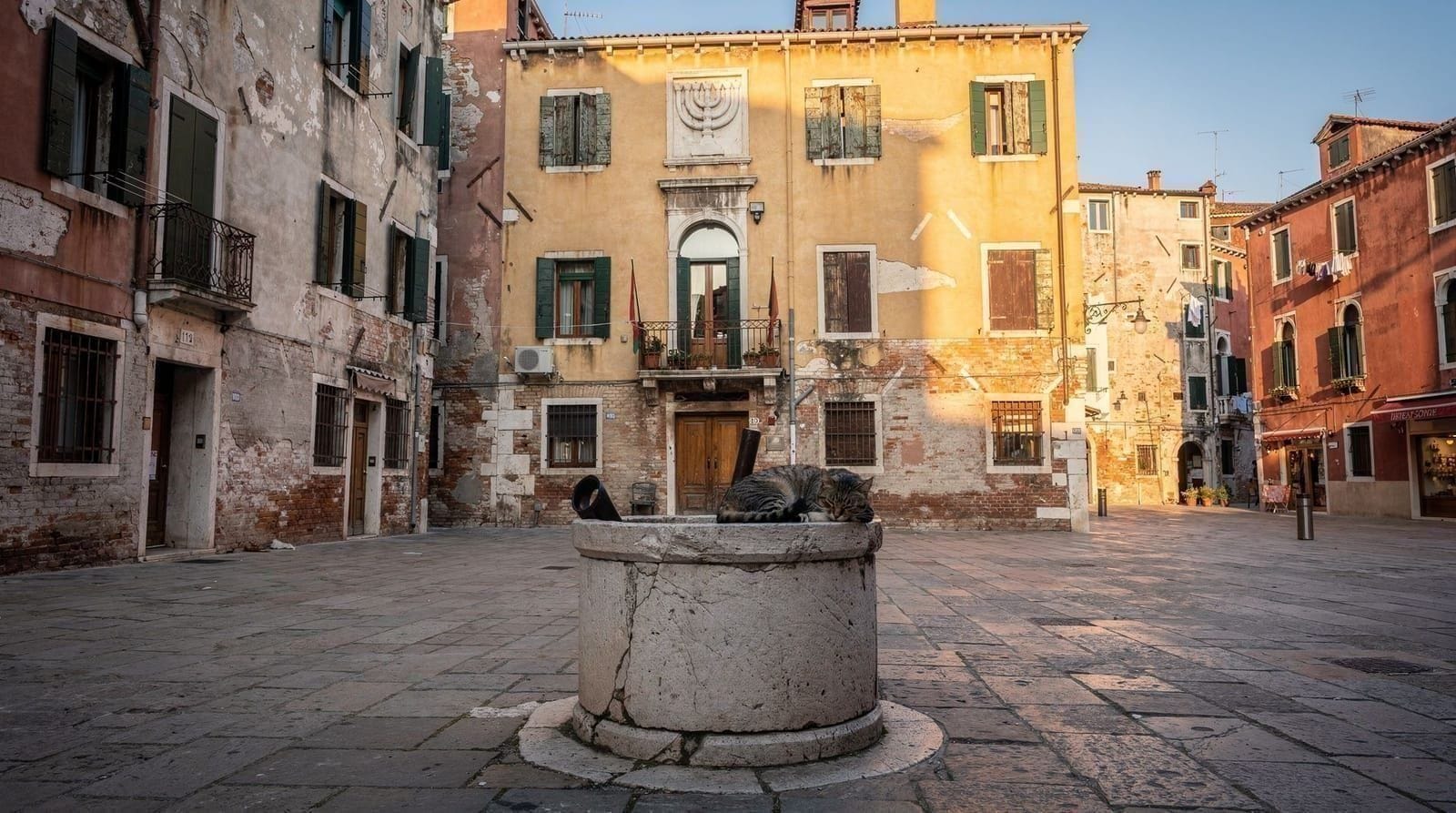
The word “ghetto” is Venetian. It derives from “getto” (foundry) — a copper foundry stood on the island before the Venetian Republic confined its Jewish population here in 1516. The Ghetto was the first in the world: a walled island, locked at night, where Jews were required to live in exchange for legal residence and trading rights. As the population grew and expansion was impossible outward, buildings rose upward — making the Ghetto still the tallest residential buildings in Venice.
Campo del Ghetto Nuovo is the main campo: a quiet, unusually tall-walled square that shifts in atmosphere through the day. Before 10am it is nearly empty; afternoons bring tour groups; evenings are intimate again. The Holocaust memorial panels by sculptor Arbit Blatas line the north wall — often missed by those rushing through, but worth stopping for.
Museo Ebraico di Venezia (Campo del Ghetto Nuovo 2902): The Jewish Museum costs around €12 for general entry, €15 including a synagogue tour. The English-language synagogue tour runs hourly and is one of the most genuinely informative guided experiences in Venice — covering the five synagogues of the Ghetto (Sephardic and Ashkenazi), each with distinct interiors that survived intact. Book ahead in summer. The museum also has exhibits on the history of Venice’s Jewish community from the 16th century through the 20th.
Venice: Jewish Ghetto walking tour with synagogue visitsThe full Jewish Ghetto guide covers the history, the synagogues, and the dining options in and around the Ghetto in more depth.
The bacari of Fondamenta della Misericordia
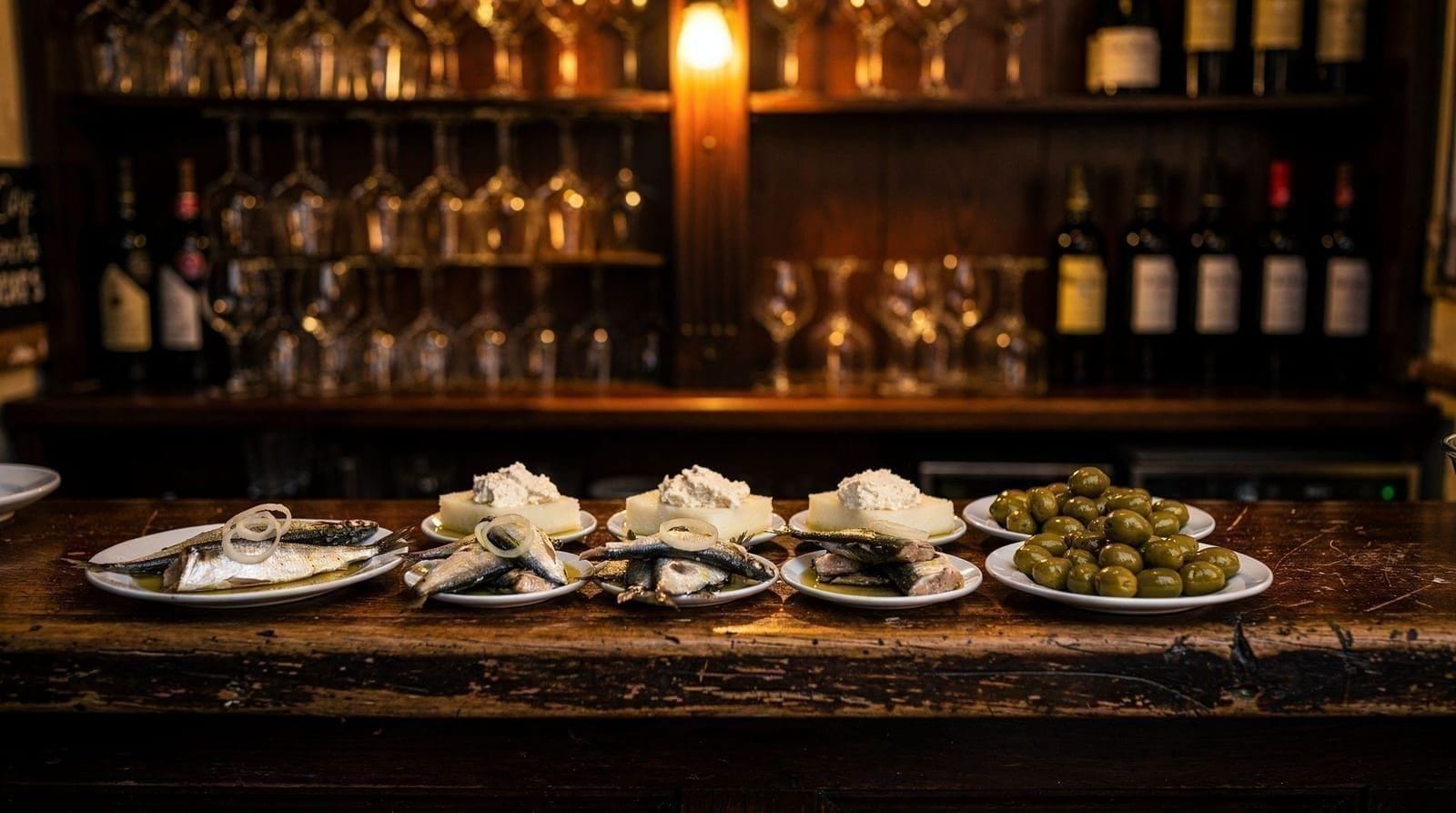
No other neighbourhood in Venice concentrates as many genuine bacari (traditional wine bars serving cicchetti and ombra) as Cannaregio. The prime strip runs along the Fondamenta della Misericordia — a canal-side street north of the main tourist routes, roughly midway between the Ghetto and Madonna dell’Orto church.
From around 6pm on weekdays and weekends, the fondamenta fills with locals gathering for the traditional bacaro hour — a glass of prosecco or spritz (€3–4), some cicchetti (€1.50–4 per piece), standing at the bar or on the canal edge. The atmosphere is convivial, relaxed, and almost entirely local outside of peak tourist months.
Reliable spots on and around Fondamenta della Misericordia include Vino Vero (specialising in natural and biodynamic wine), Osteria al Bacco (traditional cicchetti), and several informal bars without much English signage. You do not need to speak Italian — pointing at what you want works fine.
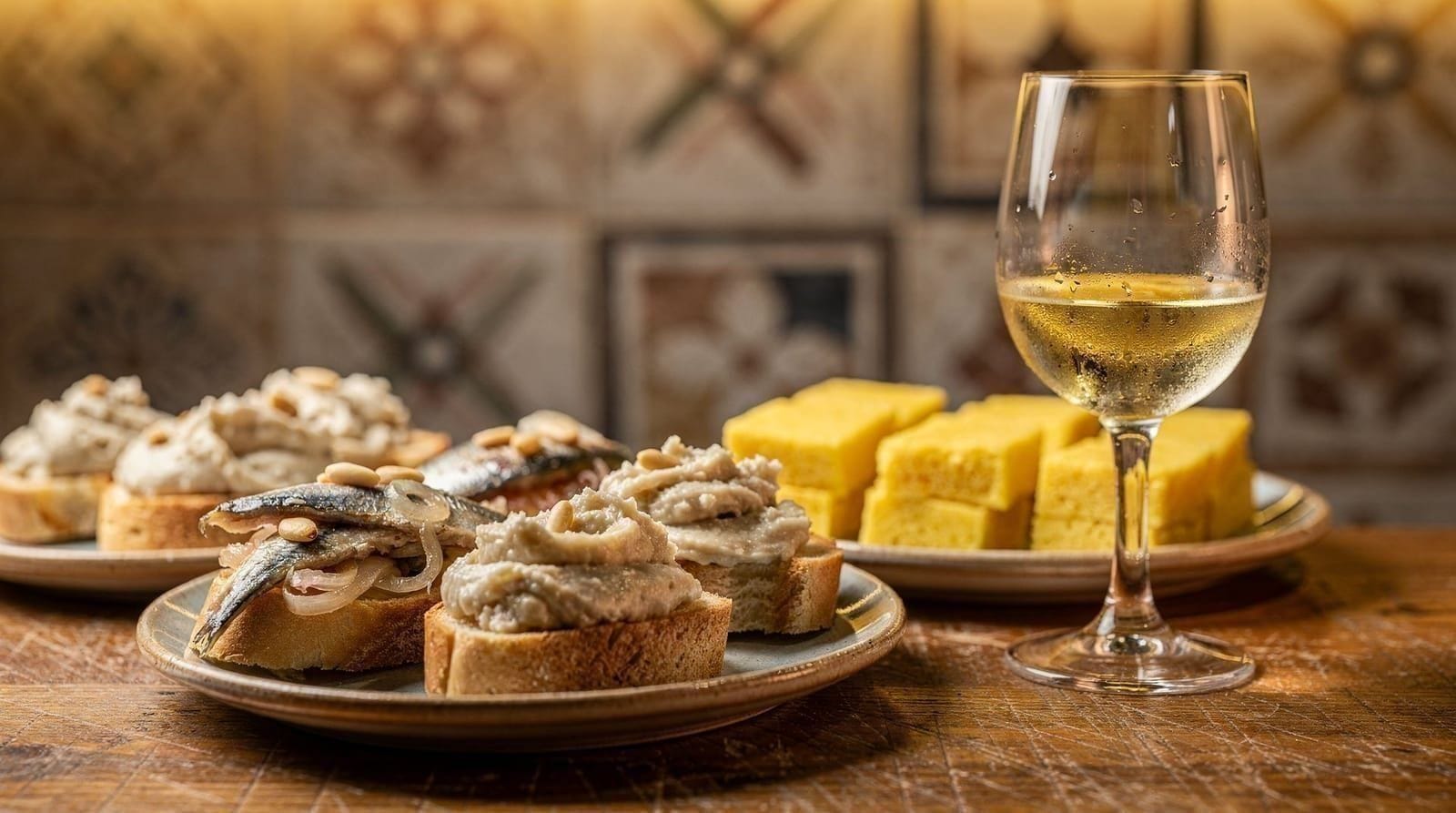
The classic cicchetti to look for: baccalà mantecato (creamed salt cod on white polenta toast), sarde in saòr (sardines marinated in sweet-sour onion with raisins and pine nuts), cicheto de polipo (octopus), and whatever is seasonal. A generous cicchetti lunch for two with wine runs €20–30.
Venice: Jewish Ghetto and Cannaregio food and wine tourThe cicchetti guide and best bacari guide cover the broader cicchetti culture with more detail on what to order.
Madonna dell’Orto
Among Venice’s many Gothic churches, Madonna dell’Orto stands out for the combination of its setting (at the far north end of Cannaregio, on a quiet campo facing the lagoon), its relative lack of tourist traffic, and the quality of its paintings. Tintoretto — Jacopo Robusti, the great Venetian Mannerist painter — lived his entire life in this parish and is buried in the right transept chapel.
His largest works here are the enormous canvases flanking the main altar: the Last Judgement and Presentation of the Virgin in the Temple, both monumental in scale and among the most energetically composed paintings in Venice. There are also several Cima da Conegliano works and a Giovanni Bellini.
Entry costs around €3.50 with the Chorus Pass (a €16 combined ticket covering 16 Venetian churches — worth buying if you visit several). The church is open Monday–Saturday; check opening hours before visiting, as times vary seasonally.
Getting there: Vaporetto line 4.1/4.2 to Madonna dell’Orto stop, or a 20-minute walk north from the Ghetto through the quieter streets.
The far northern edge: Sant’Alvise and beyond
Past Madonna dell’Orto, continuing northwest toward the Sant’Alvise vaporetto stop (line 4.1/4.2), the neighbourhood becomes genuinely residential — among the least-visited corners of the main island. The streets here (Fondamenta della Sensa, Fondamenta degli Ormesini) run along wide canals with boats moored outside houses, occasional vegetable gardens, and the feel of a neighbourhood that has not particularly registered the tourist industry.
Sant’Alvise church is a 14th-century Gothic building with a peculiarly atmospheric interior: wide and dark, with tempera paintings attributed to Carpaccio on the west wall (above the entrance door) and a painted ceiling. Entry with Chorus Pass. Almost never crowded.
The walk from Madonna dell’Orto to the northwest lagoon edge takes about 15 minutes and rewards unhurried attention — narrow calli, over small bridges, past houses with window boxes and drying washing. There is no “main attraction” at the far end. That is the point.
Strada Nova and the Ca’ d’Oro
The Strada Nova is the main pedestrian artery through Cannaregio — a broad, relatively straight street running east-west from the station to the Rialto area. It is lined with shops (mostly tourist-facing, plus some useful everyday businesses), café-bars, and a few reliable alimentari (grocery shops). The Saturday morning market near the station area sells fruit, vegetables, and fish — the kind of everyday market Venice still maintains for residents.
Ca’ d’Oro (accessible from the Ca’ d’Oro vaporetto stop on line 1) is on the northern bank of the Grand Canal just where Cannaregio meets San Marco. The exterior — intricate white marble Gothic tracery, visible from the water — is among the most photographed facades in Venice. Inside, the Galleria Franchetti holds Mantegna’s remarkable St Sebastian and a collection of Renaissance bronzes, tapestries, and frescoes. Entry costs around €6. Read the full Ca’ d’Oro guide before visiting.
The Fondamenta Nuove and the lagoon edge
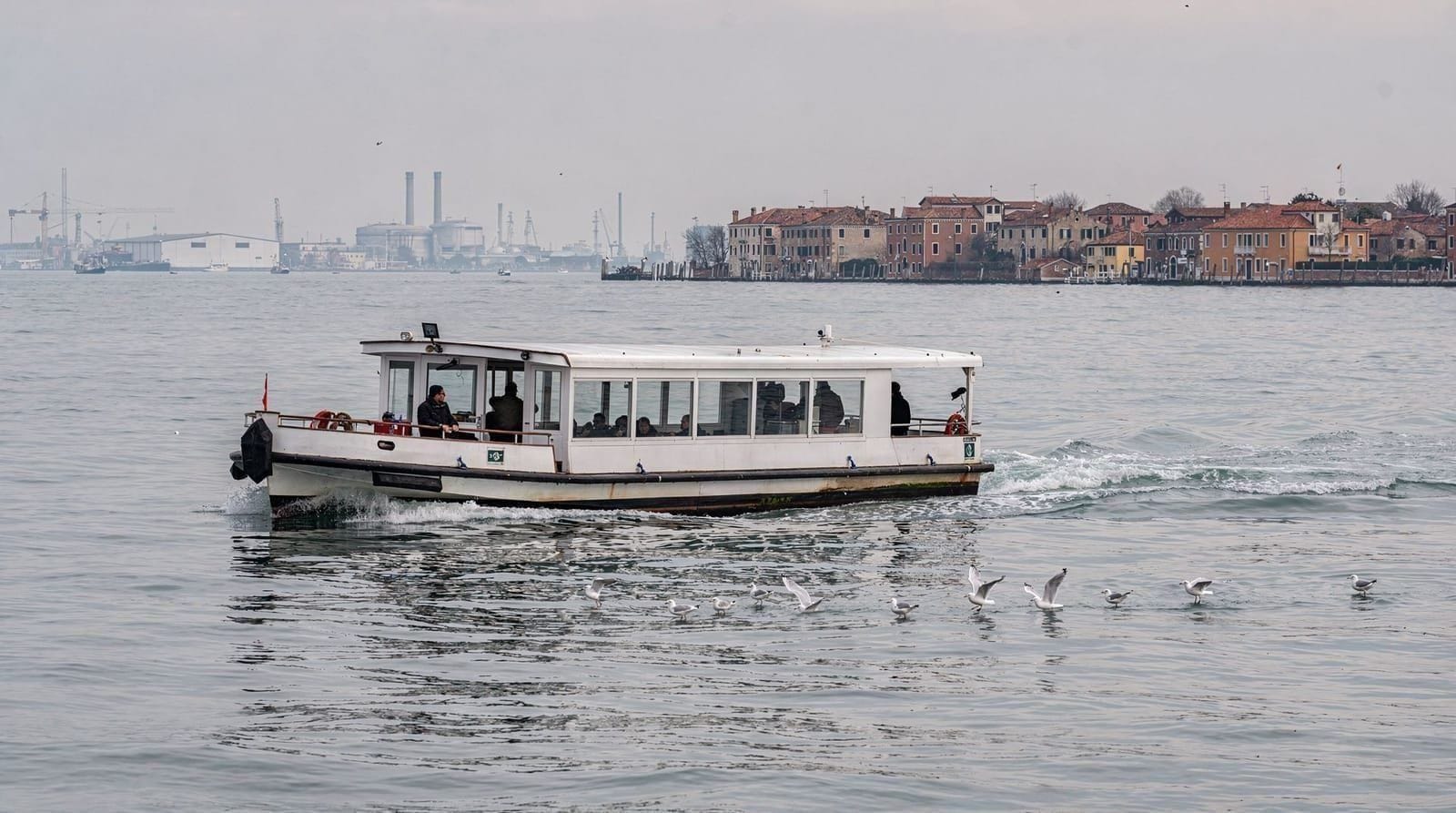
The Fondamenta Nuove is the long northern waterfront of Cannaregio, facing the open lagoon and the cemetery island of San Michele. From the landing stages here, vaporettos depart for all the major lagoon islands:
- Line 12: Murano (direct, 7 minutes), then Burano (45 minutes), then Torcello (50 minutes)
- Line 4.1/4.2: Murano via the scenic north route
On a clear day, the view from the Fondamenta Nuove extends across the lagoon to the distant Dolomites. On foggy autumn mornings, San Michele floats at the edge of visibility, its cypress trees just visible above the mist.
A coffee at a fondamenta-side bar before catching a morning boat to Murano is one of the most pleasurable low-key moments Cannaregio offers — unhurried, with the lagoon in front of you and none of the tourist intensity of the piazza.
See the vaporetto to islands guide for the full boat schedule and logistics.
San Giovanni Grisostomo and the Rialto end
At the Rialto end of Cannaregio, just north of the Rialto Bridge, the church of San Giovanni Grisostomo is one of the most perfectly proportioned small churches in Venice. A single-nave Lombard design with a Giovanni Bellini altarpiece (the aged St Jerome with Saints Christopher and Augustine, 1513) and a Sebastiano del Piombo in the Cappella Pesaro — both rarely crowded, almost always available to view quietly. Entry is free; the church is small enough to see in 10 minutes.
Caffè del Doge has a branch near here — one of Venice’s better coffee roasters, serving espresso at bar prices (around €1.50). Good for a quick stop before crossing to the Rialto market in San Polo.
Cannaregio’s canals by boat
Beyond walking, Cannaregio’s wide northern canals are genuinely pleasant seen from the water — a different pace from San Marco’s crowded gondola routes. A quieter alternative to the classic San Marco gondola circuit is a route through Cannaregio’s back canals, passing under bridges most walking visitors never notice.
Hidden canals electric boat tour is a low-key way to see this side of the sestiere without the crowds of a Grand Canal cruise, and pairs well with a Cannaregio walking morning if you want to finish on the water rather than on foot.
Cannaregio versus San Marco: an honest comparison
| Cannaregio | San Marco | |
|---|---|---|
| Crowd level | Low outside the Ghetto and Strada Nova | Very high, most of the day |
| Accommodation cost | Generally lower | Premium |
| Main draw | Jewish Ghetto, bacari, quiet canals | Basilica, Doge’s Palace, the Piazza |
| Evening atmosphere | Genuinely local | Tourist-dominated |
| Walk to the other | 15–25 minutes via the Rialto | 15–25 minutes via the Rialto |
Choosing Cannaregio as a base rather than San Marco is one of the more effective ways to get a quieter, cheaper Venice trip without sacrificing proximity — see where to stay in Venice for the fuller neighbourhood-by-neighbourhood comparison.
Cannaregio for families
The wider streets and lower tourist density of Cannaregio make it easier with children than San Marco. Campo della Madonna dell’Orto is a proper campo — children play football here in the afternoon as they do in most Venetian neighbourhood squares. The Fondamenta Nuove waterfront is broad and child-friendly; watching the vaporettos and small boats is an activity in itself. The Jewish Museum has child-appropriate sections. The Venice with kids guide uses Cannaregio as a base option for families.
A walking route through Cannaregio
A half-day walk covering the highlights:
- Start at the Guglie bridge (10 minutes east of the train station)
- Walk north to Campo del Ghetto Nuovo — Museo Ebraico if open
- Continue north-east to Fondamenta della Misericordia for cicchetti
- Northwest to Campo Madonna dell’Orto, visit the church
- Continue to Sant’Alvise and the lagoon edge (optional extension, 20 extra minutes)
- Return south to Strada Nova, stop for coffee
- East to Ca’ d’Oro area, then south toward the Rialto
Full time: 3–4 hours at a slow pace, 2 hours if you skip the church interiors.
Frequently asked questions about Cannaregio
Is Cannaregio good for first-time visitors to Venice?
Yes — particularly as a base. Accommodation is cheaper, the atmosphere is more authentic, and the 15–25 minute walk to San Marco via the Rialto gives you a genuine cross-section of the city every time you leave the door. See the first-time Venice guide for orientation.
What is the best bacaro in Cannaregio?
Fondamenta della Misericordia has the highest concentration. Vino Vero is consistently recommended for natural wine; Osteria al Bacco for traditional cicchetti; Un Mondo di Vino for a broader selection. The best bacari guide gives a curated list across the whole city.
Can I see the Ghetto without a guide?
Yes — the campo is free to walk through at any time, and the Holocaust memorial and the exterior of the Ghetto are always accessible. The synagogue interior requires a paid tour through the Jewish Museum. The Jewish Ghetto guide explains everything accessible without a ticket.
How far is Cannaregio from the lagoon islands?
The Fondamenta Nuove in Cannaregio is the main departure point for the lagoon islands. Murano is a 7-minute boat ride on vaporetto line 12; Burano is about 45 minutes; Torcello about 50 minutes. See the vaporetto to islands guide.
What is the Chorus Pass and is it worth buying in Cannaregio?
The Chorus Pass (€16) covers entry to 16 Venetian churches including Madonna dell’Orto and Sant’Alvise in Cannaregio, the Frari in San Polo, and others. If you plan to visit three or more of the covered churches, it saves money. Individual church entry is typically €3.50.
Is Cannaregio safe to walk around in the evening?
Yes — Cannaregio is a genuinely residential sestiere and standard Venice safety applies: well lit main routes, quieter on the smaller calli late at night, no particular risk beyond normal city-centre caution. The bacari on Fondamenta della Misericordia keep the area lively into the evening.
How does Cannaregio compare to Dorsoduro as a place to stay?
Both are quieter and cheaper than San Marco, but they differ in character: Cannaregio is more residential and food-focused (the bacari), while Dorsoduro leans toward art and a younger, student-influenced atmosphere. See the Dorsoduro guide for the comparison from that side.
Top experiences
Bookable activities with verified prices and instant confirmation on GetYourGuide.