Dorsoduro guide: art, aperitivo, and Venice's most liveable quarter
Venice: Accademia gallery guided tour with art expert
What is Dorsoduro best known for and how long does it take to explore?
Dorsoduro is Venice's art and student district — home to the Accademia gallery, the Peggy Guggenheim Collection, and Campo Santa Margherita's evening bar scene. Half a day covers the main art museums; a full day lets you include the canal walks, Zattere waterfront, and the quieter western end.
Venice’s most liveable sestiere
Dorsoduro sits at the southern end of the main island, bounded by the Grand Canal to the north and the wide Giudecca canal to the south. It holds three of Venice’s most important art venues, a university campus that keeps the neighbourhood genuinely alive outside tourist hours, a long sun-facing waterfront (the Zattere), and the most authentic evening bar scene in the city. It is, alongside Cannaregio, the sestiere that most Venetians would name first if asked where they would actually want to live.
Tourists tend to come here for the Accademia gallery or the Peggy Guggenheim Collection and then leave. That is a missed opportunity. The area around Campo Santa Margherita, the canal-side walk toward San Sebastiano, and the Zattere at dusk are experiences distinct from anything available in the more-visited areas of the city.
This guide covers the art, the neighbourhood, and what to do with a day or half-day in Dorsoduro. The Dorsoduro destination page gives the overview; here we focus on practical guidance and how to spend your time.
| Where | southern main island, between the Grand Canal and Giudecca canal |
| Cost | around €15 Accademia, around €20 Peggy Guggenheim, spritz around €3 |
| Time needed | half a day for the museums, a full day with the neighbourhood |
| Getting there | vaporetto to Accademia, Ca’ Rezzonico, or Zattere |
| Best time | morning for the museums, early evening for Campo Santa Margherita |
The Gallerie dell’Accademia
The Accademia is Venice’s primary art gallery, containing the largest collection of Venetian paintings in the world — covering the Byzantine and Gothic periods through to the 18th century. The key works are the major Bellini altarpieces, Giorgione’s Tempest (mysterious and much debated), Titian’s Presentation of the Virgin, Carpaccio’s large narrative cycles, and Veronese’s vast Feast in the House of Levi (originally painted as The Last Supper and renamed after a Church tribunal objected to the secular crowd depicted).
Entry costs around €15 (book ahead in summer). Allow 1.5–2 hours for a genuine visit. The museum gets busy; book a timed entry if possible.
Venice: Accademia gallery guided tour with art expertA private or small-group guided tour makes a substantial difference in the Accademia — the context behind the Venetian painting tradition (the light, the colour, the political and religious iconography) significantly deepens what you see. Read the full Accademia gallery guide for what to look for inside.
The Peggy Guggenheim Collection
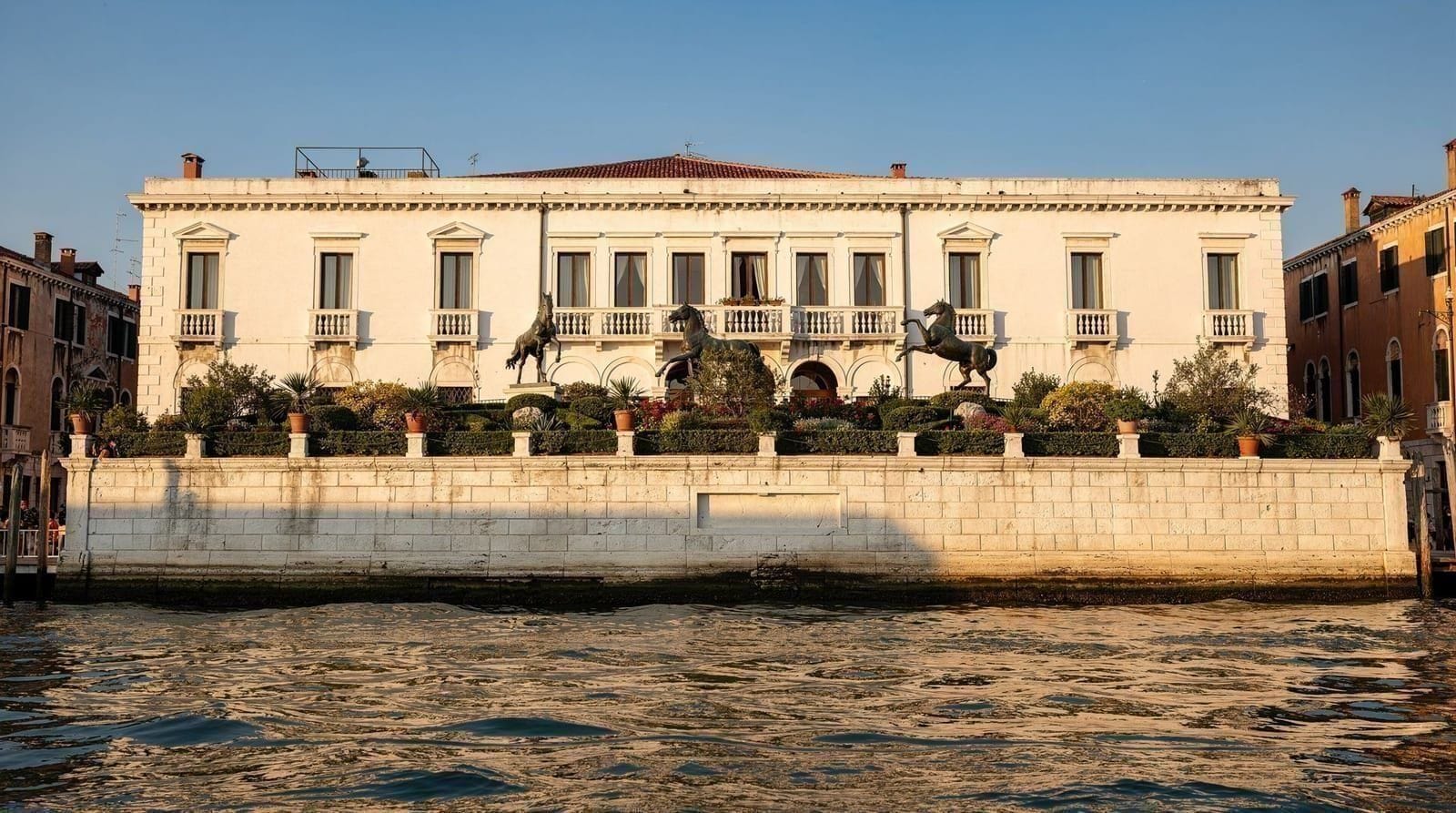
Peggy Guggenheim’s palazzo — the Palazzo Venier dei Leoni, a one-storey palazzo (unique in Venice) — sits directly on the Grand Canal and is one of the most photogenic vantage points in the city. The terrace faces the water; the sculpture garden behind looks up toward the old buildings of Dorsoduro.
The collection is strong in American Abstract Expressionism (Pollock, de Kooning), Surrealism (Dalí, Ernst, Magritte), and early European abstraction (Kandinsky, Mondrian). Peggy Guggenheim’s own taste is stamped on the collection — eclectic, personal, and often unusual in what it includes. The sculptures on the canal terrace include Marini’s famous bronze horseman (the rider deliberately aroused — Peggy found it funny).
Entry costs around €20. Allow 1.5–2 hours. Audio guides available. Read the full Peggy Guggenheim guide for the collection highlights.
Punta della Dogana
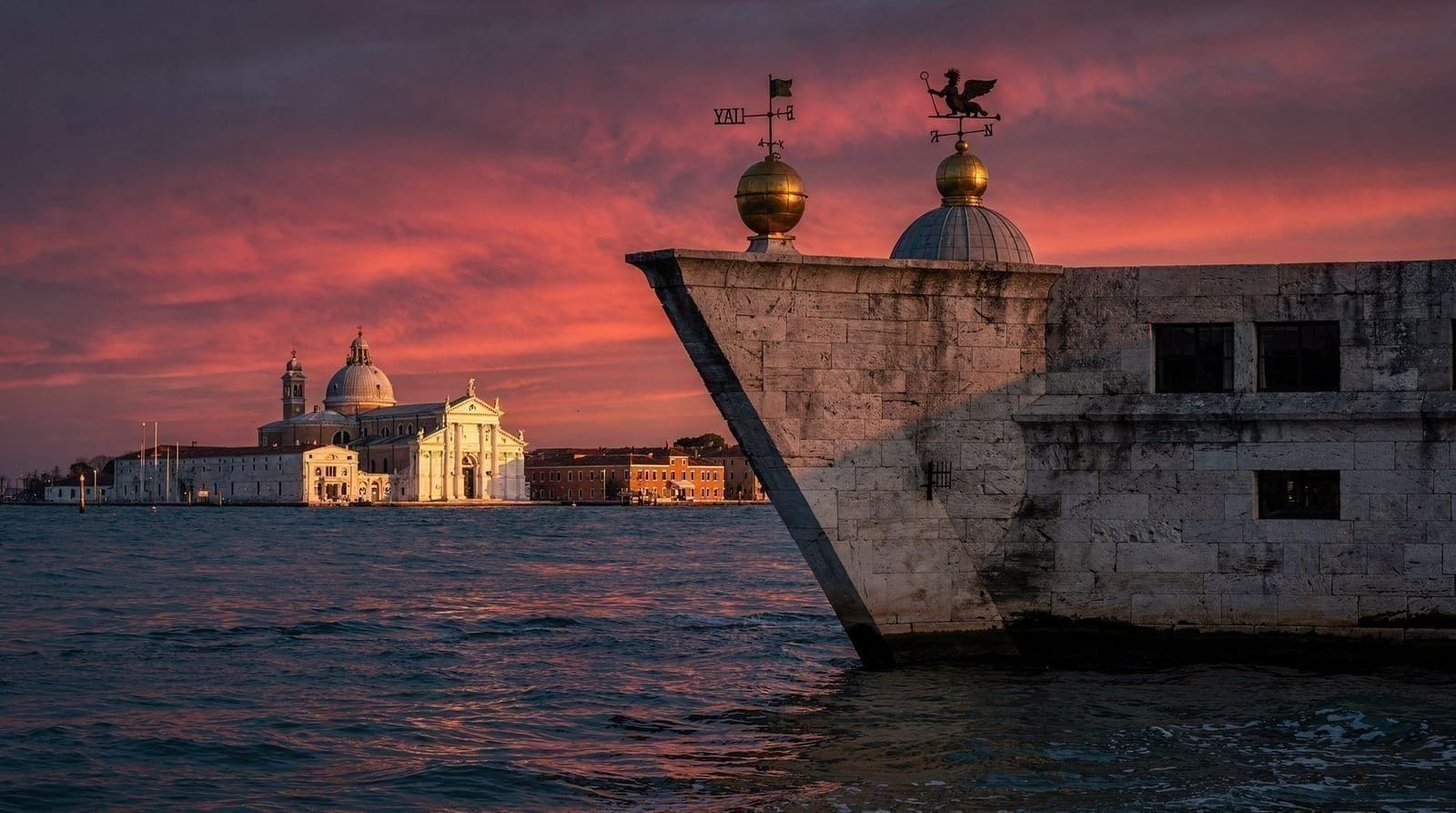
At the very eastern tip of Dorsoduro, where the Grand Canal meets the Giudecca canal, the former customs warehouse (Dogana da Mar) has been converted by architect Tadao Ando into a second Pinault Collection venue — contemporary art on a major scale. The building is architecturally striking (rough brick and raw concrete), and exhibitions here are usually installation-heavy, using the space inventively.
A combined ticket with Palazzo Grassi (the Pinault Collection’s San Marco venue) costs around €25 and is worth it if you have interest in contemporary art. Check what exhibition is running before visiting — the collection rotates entirely.
The tip of the Dogana — outside the building — is free to stand on and offers one of the best views in Venice: the Grand Canal, the Giudecca canal, San Giorgio Maggiore, and the piazza waterfront all visible at once. The best photo spots guide rates it among the top photography locations in Venice.
Campo Santa Margherita and the student neighbourhood
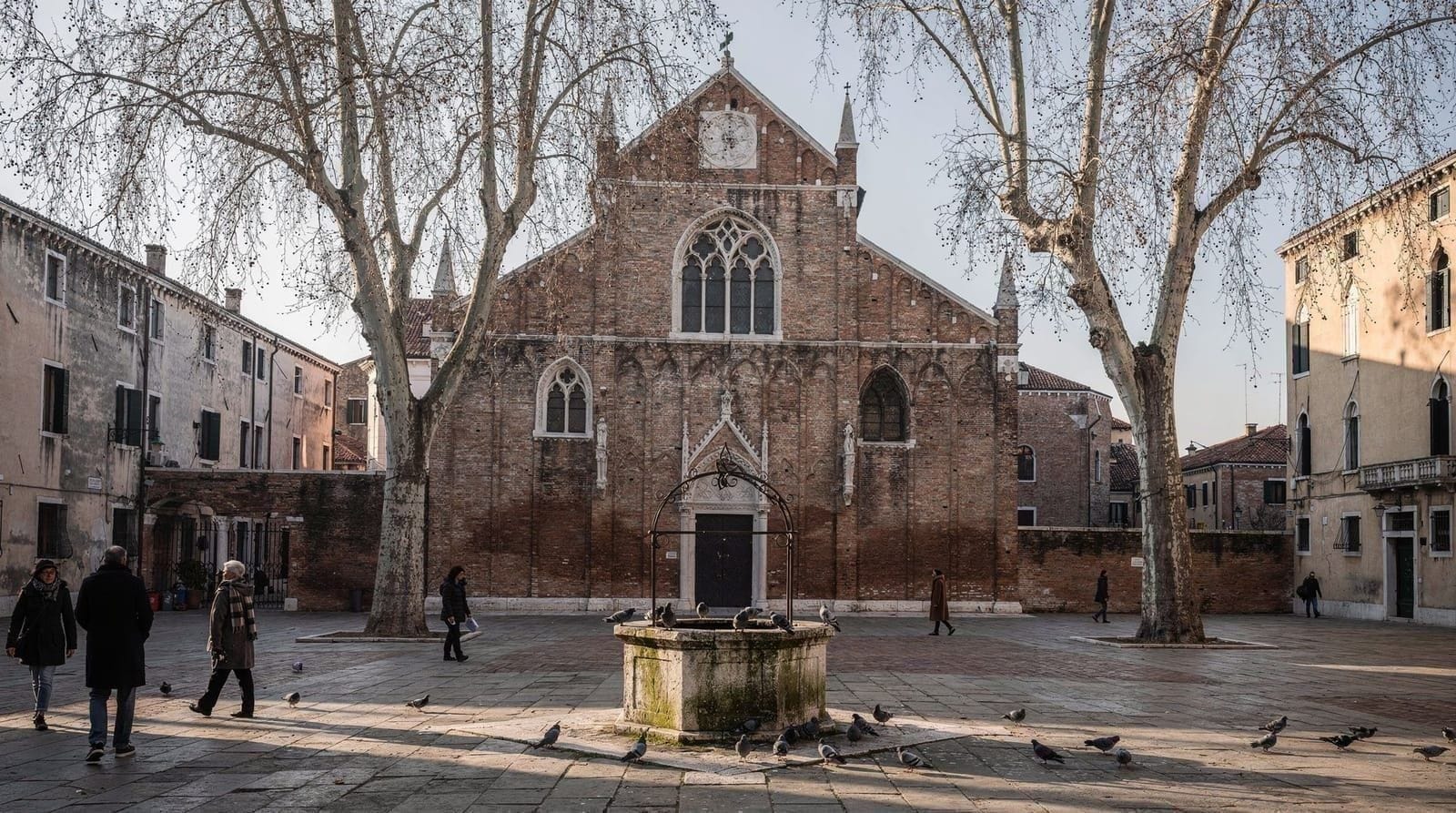
Campo Santa Margherita is the social heart of Dorsoduro — a long, irregularly shaped campo that functions as a genuine neighbourhood square rather than a tourist attraction. The Ca’ Foscari university campus is a few minutes’ walk away, and the campo reflects that: bars and cicchetti spots aimed at a local student clientele rather than day-trippers.
In the morning, a small market operates at the eastern end — fish, vegetables, and a few market stalls. From mid-afternoon onward, the bars fill up. By 6–7pm on a good evening, the campo has the kind of atmosphere that San Marco’s tourist bars only simulate: genuinely mixed crowd, cheap drinks (spritz around €3, ombra around €2), people standing outside on the flagstones with cicchetti.
Good spots around Campo Santa Margherita: Bar Magú (for Venetian coffee in the morning), Il Caffè Rosso (historic, tiny, usually packed), Nico for gelato (the gianduiotto — a frozen praline on a stick — is a Dorsoduro institution, around €3).
The streets around the campo also contain a good cluster of affordable restaurants less predatory than equivalent options near San Marco. Look for menus in Italian on a blackboard as a positive sign.
The Zattere waterfront
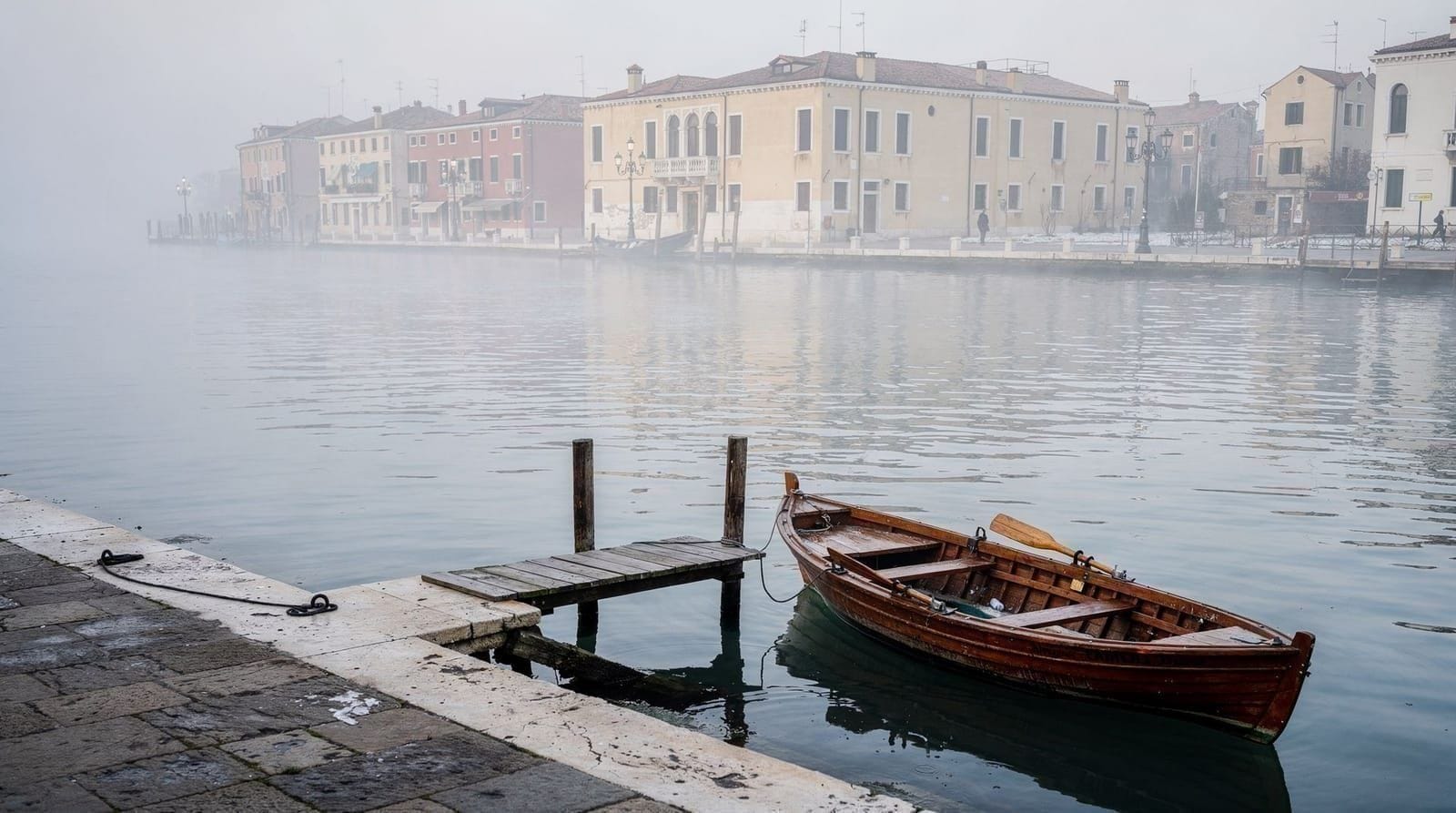
The Zattere is the long south-facing waterfront of Dorsoduro, running for over a kilometre along the Giudecca canal. It is broad, sunny (south-facing), and in good weather one of the best walks in Venice. The views across to the Giudecca island change through the day — quiet in the morning, busier at lunchtime, beautiful at golden hour.
Gelateria Nico is the most famous stop on the Zattere — in business since 1935, known for the gianduiotto (chocolate-praline slab on a stick). Long queues in summer; worth the wait.
The waterfront also has several caffè with outdoor tables facing the water — excellent for a long, unhurried breakfast or an afternoon aperitivo. At the western end, near the Stazione Marittima, the Zattere becomes quieter and more residential — good for a sunset walk without the tourist density of the eastern end.
San Sebastiano and the western end
The church of San Sebastiano (near the San Basilio vaporetto stop on lines 4.1/4.2) is one of Venice’s most rewarding churches outside the main circuit. Paolo Veronese spent a substantial portion of his career decorating it — the ceiling, the organ shutters, the altar wall, and the sacristy are all his work, a unified vision on a scale unusual even for Venice. The artist is buried in the church. Entry with Chorus Pass (€3.50). Almost never crowded.
The area west of Campo Santa Margherita toward San Basilio is genuinely residential — working boatyards on some of the side canals, locals going about their day, very few tourists. It makes for a good extension to a Dorsoduro day if you have time.
Dorsoduro’s churches beyond San Sebastiano
San Sebastiano gets most of the attention, but Dorsoduro has two other churches worth a detour if you have time beyond the main art museums. Santa Maria della Salute, at the eastern tip near the Dogana, is one of Venice’s iconic domed silhouettes — built as a votive offering after the 1630 plague, and free to enter (a small donation is expected for the sacristy, which holds Titian ceiling paintings). I Gesuati on the Zattere has a Tiepolo ceiling that rewards a quiet ten minutes if you are already walking the waterfront. Neither requires advance booking, and both are usually far less crowded than the Accademia or Peggy Guggenheim on the same day.
A slower alternative: Dorsoduro without the museums
Not every visit needs to centre on the Accademia and Peggy Guggenheim. If you have already done Venice’s major galleries on a previous trip, or simply want a lower-key day, Dorsoduro works well as a pure neighbourhood wander: start at the Zattere for coffee, cut inland through the quiet streets toward San Sebastiano, browse the shops and small ateliers around Campo San Barnaba, and end at Campo Santa Margherita for an early aperitivo before the evening crowd arrives. This version of the day costs very little beyond food and drink and gives a more residential sense of Venice than the San Marco side of the city ever will.
The Accademia bridge and the Grand Canal
The Accademia bridge is the most-photographed of Venice’s four Grand Canal bridges, with a view east toward the curve of the canal and the Salute dome. It is made of wood (a temporary structure that became permanent — a Venetian habit) and gives a grand perspective on the canal. Early morning or in the evening light are the best times.
Looking down from the bridge gives a view of private gondola landing stages and private palazzos — a more intimate aspect of Grand Canal life than is visible from the tourist vaporetto route. The best photo spots guide gives times and angles.
Dorsoduro for art lovers: planning a full day
A well-paced art day in Dorsoduro:
- Morning (9–11:30am): Accademia gallery — arrive with a timed ticket to beat the queue. Focus on the major Bellini and Titian rooms; the Carpaccio and Giorgione rooms
- Lunch (12–1pm): Cicchetti and wine near Campo Santa Margherita (€15–20 for two)
- Afternoon (1:30–4pm): Peggy Guggenheim Collection or Punta della Dogana — not both in one afternoon unless you are committed
- Late afternoon (4–6pm): Zattere walk; gelato at Nico
- Evening (6–8pm): Aperitivo at Campo Santa Margherita
Combining Dorsoduro with neighbouring sestieri
Dorsoduro connects naturally to:
- San Polo (over the Accademia bridge or west via the Santa Marta area): the Frari church and Rialto market. See the San Polo and Rialto guide.
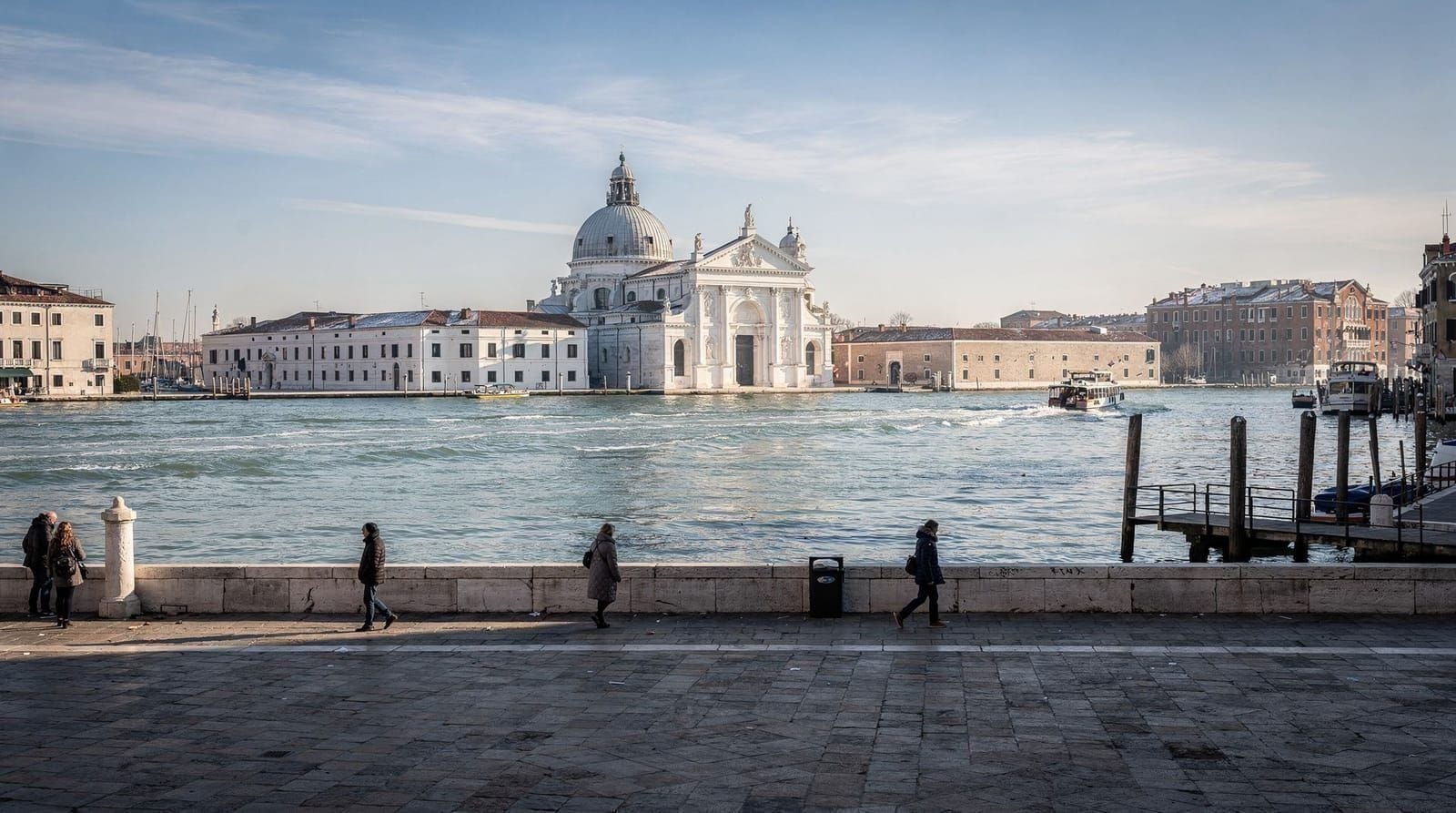
- Giudecca: 10-minute vaporetto ride on line 2 or 4.1/4.2 from Zattere. The Giudecca guide is primarily about the island’s quietness and the Redentore church.
- San Marco: 15-minute walk via the Accademia bridge.
The Venice 3-day itinerary suggests using Dorsoduro on day two, combining morning art with an afternoon crossing to the lagoon islands.
Frequently asked questions about Dorsoduro
Is Dorsoduro good for a romantic evening?
Yes — probably the best area in Venice outside of a private gondola. Campo Santa Margherita in the late evening, the Zattere at sunset, and the area around the Accademia bridge after dark are all atmospheric and relatively uncrowded. The romantic things to do guide covers Dorsoduro specifically.
What are the must-see works in the Accademia?
Giorgione’s Tempest, Titian’s Presentation of the Virgin, Veronese’s Feast in the House of Levi, and the Bellini altarpieces. The Carpaccio narrative cycle (the Legend of St Ursula) is in a room to itself and is a major achievement. The Accademia gallery guide has a floor-by-floor breakdown.
Is Dorsoduro suitable for children?
The open space of Campo Santa Margherita makes it good for families. The Peggy Guggenheim garden is child-friendly. The Zattere is excellent for young children — wide, flat, and with water and boats to watch. The Accademia is better for older children with some art context.
How does Dorsoduro compare to San Marco for staying?
Dorsoduro has better value accommodation (roughly 15–30% cheaper), a more authentic neighbourhood feel, and easier access to the Accademia and Peggy Guggenheim. The trade-off is a slightly longer walk (15–20 minutes) to the main piazza. For longer stays or repeat visitors, Dorsoduro is a popular first choice.
Are there free things to do in Dorsoduro?
The Campo Santa Margherita scene costs nothing. The exterior of the Dogana tip and the Zattere walk are free. Several Chorus Pass churches (San Sebastiano, the Frari nearby in San Polo) are €3.50 each or covered by the €16 pass. The view from the Accademia bridge is always free. Santa Maria della Salute is also free to enter, and pairs well with a stop at the free things to do guide for the rest of the city.
How many museums should I try to fit into one Dorsoduro day?
Two is realistic without rushing — most visitors pair the Accademia with either the Peggy Guggenheim or Punta della Dogana, not all three. Trying to cover all three plus the neighbourhood walk in a single day tends to leave too little time for each; if art is the priority, split Dorsoduro across two half-days instead.
Top experiences
Bookable activities with verified prices and instant confirmation on GetYourGuide.