The best cicchetti crawl in Cannaregio: our actual route
What cicchetti actually are
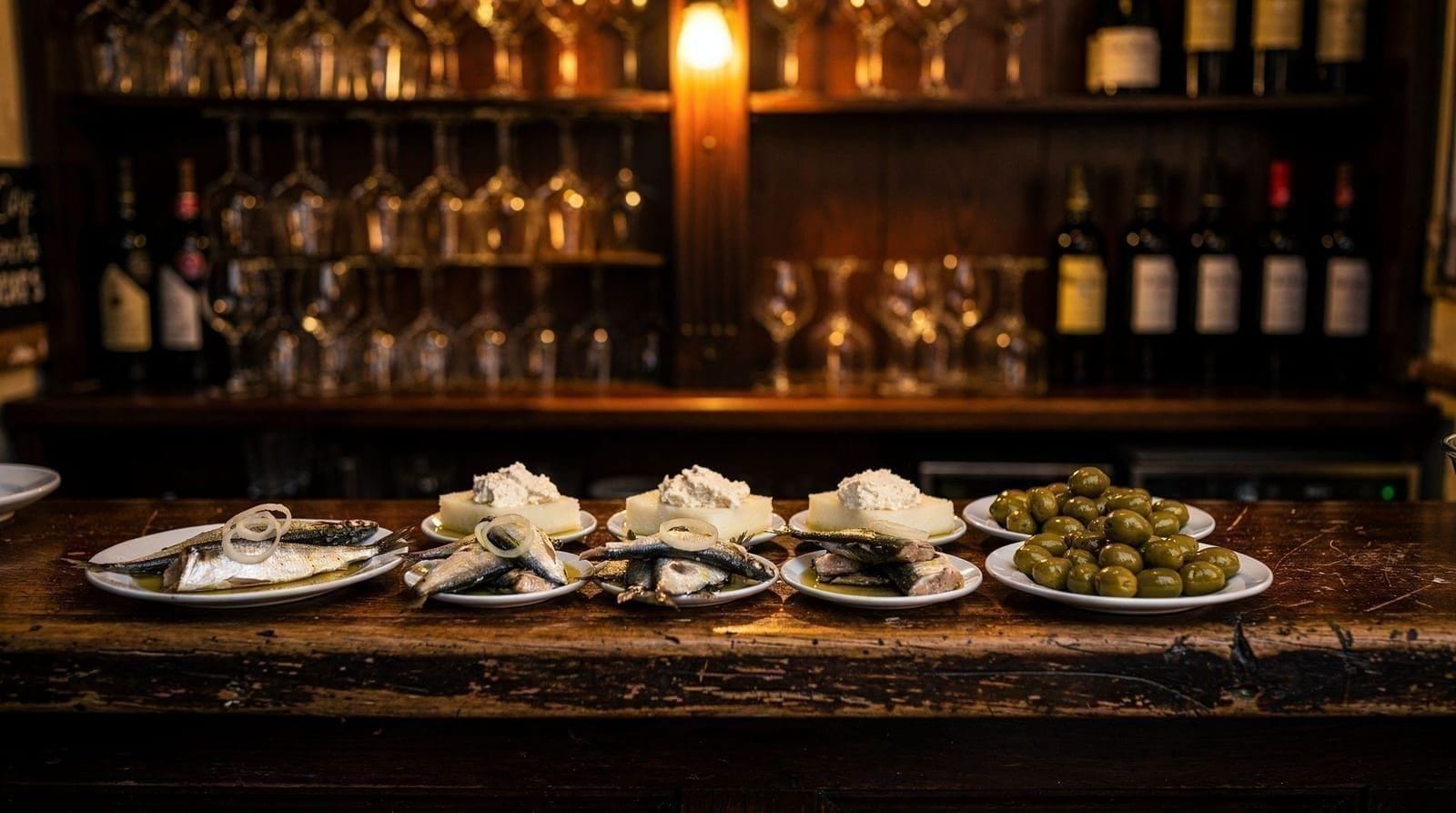
Not tapas. Not small plates in the restaurant sense. Cicchetti are bar snacks — the Venetian bar snack tradition that developed from the need to eat something while standing at the counter with a small glass of wine (un’ombra). The word comes from the Venetian dialect, loosely meaning “small shadow.” The drink got its name from the practice of wine vendors standing in the shadow of the campanile in St Mark’s Square to keep their casks cool. The food that grew up alongside it is the best casual eating in Venice.
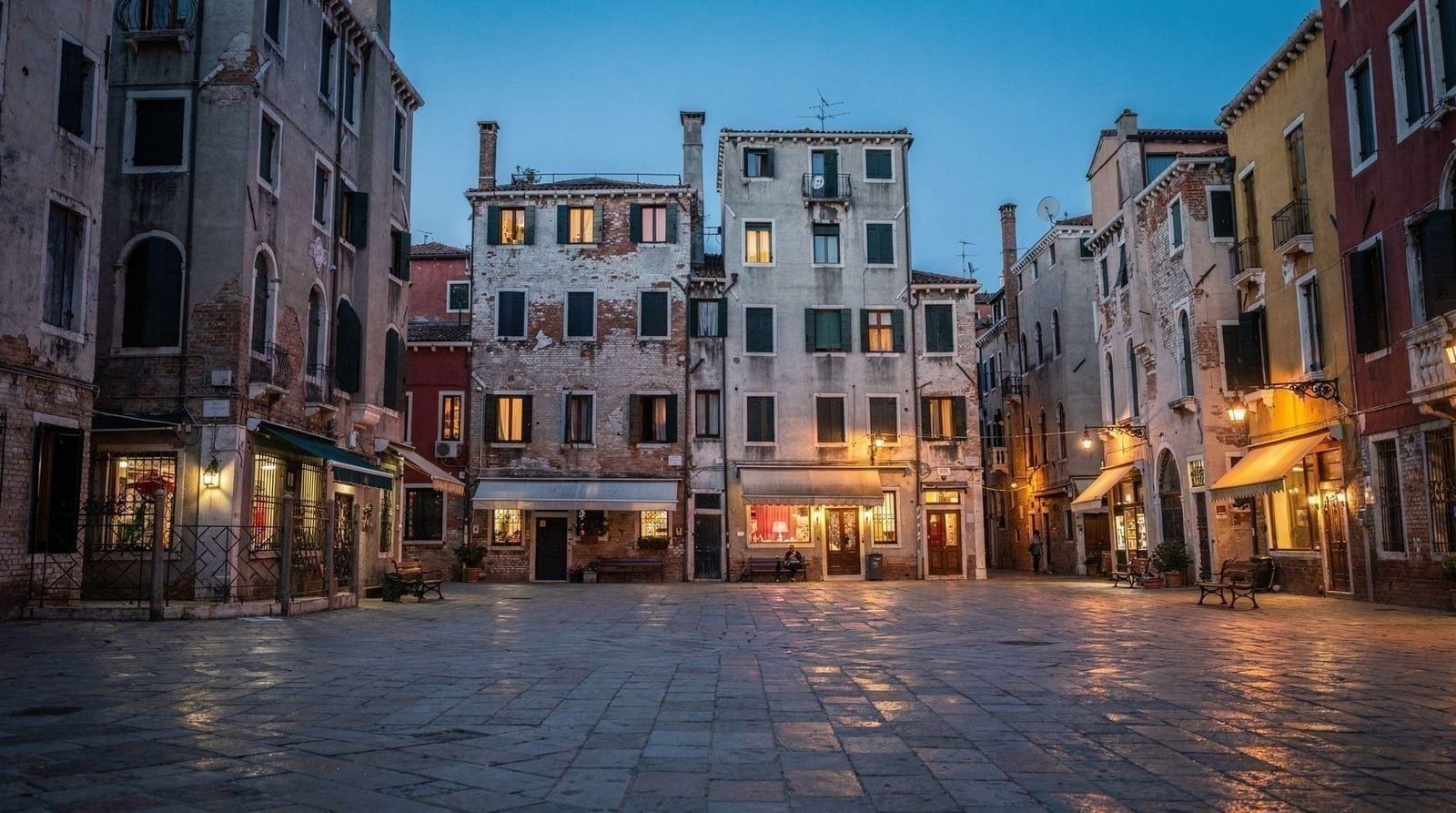
Cannaregio is where you go for cicchetti. Not exclusively — there are good bacari in San Polo and Dorsoduro — but Cannaregio has the highest concentration of serious, non-tourist-facing places, and the long fondamenta beside the Cannaregio canal provides a natural walking route between them.
This is our actual route. Names, addresses, what to order, what it cost in May 2025.
| Where | Cannaregio, Fondamenta degli Ormesini to Rialto |
| Cost | Around €25–35 per person, six stops |
| Time needed | About 3 hours, early evening |
| Getting there | Vaporetto to San Marcuola or Guglie, or walk from Santa Lucia station |
| Best time | 5:30pm–8pm, before the trays empty out |
Starting point: Al Timon, Fondamenta degli Ormesini
We always start at Al Timon. It’s a floating bacaro on a barge moored along Fondamenta degli Ormesini, which is one of the better-looking canals in Cannaregio — wide, quiet, with coloured buildings on the opposite bank. The barge has outdoor seating in good weather (it was warm in May), a selection of cicchetti behind glass inside, and a wine list that runs mainly to local ombra but includes some serious Veneto bottles.
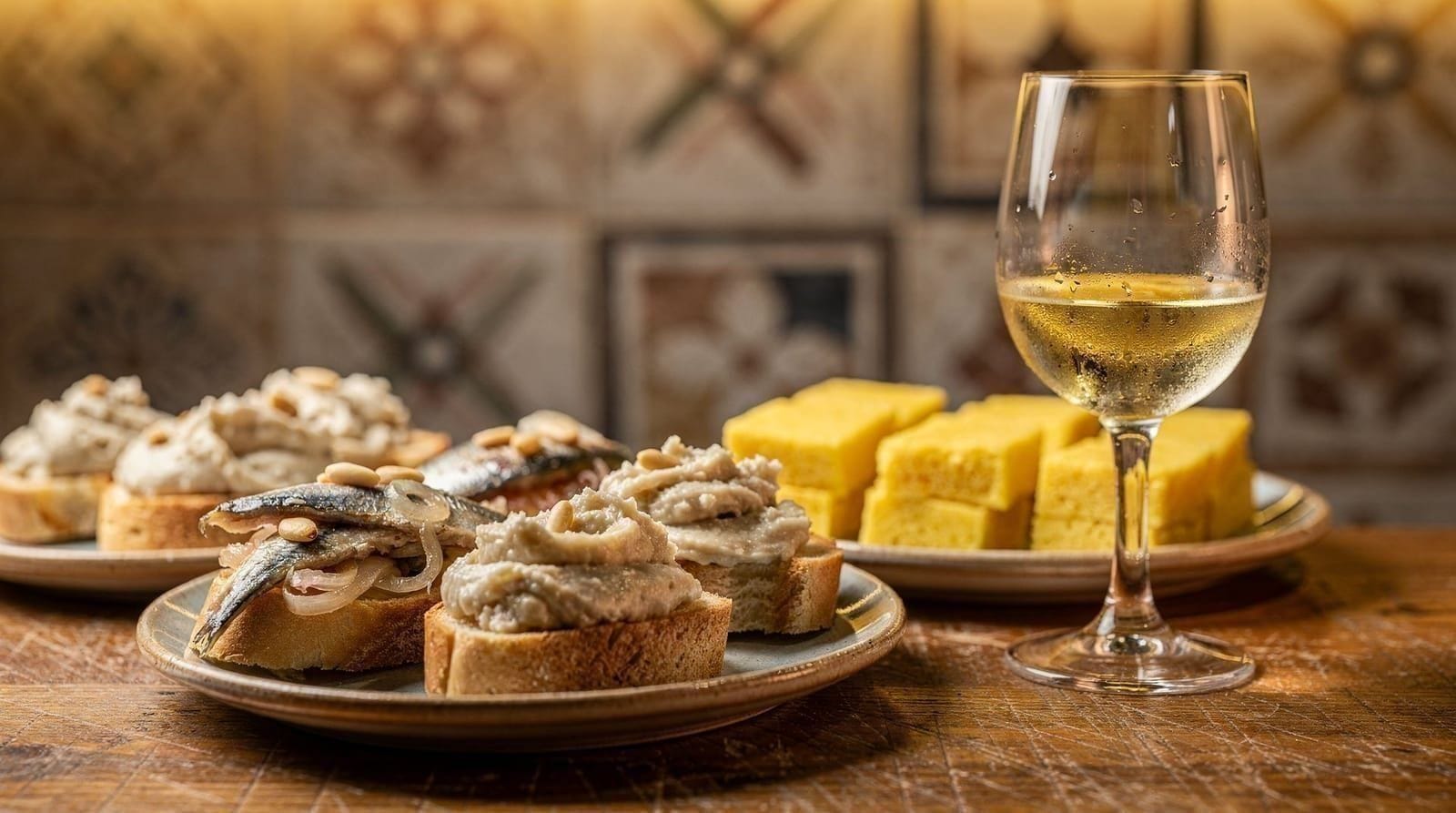
We had crostini with baccalà mantecato (the whipped salt cod that is the essential Venetian cicchetto), a grilled prawn, and two glasses of house white. About €11 total. The baccalà at Al Timon is good — properly fluffy, not too salty, spread thick.
Walk along the fondamenta toward the city centre for the next stop.
Second stop: Vino Vero, Fondamenta della Misericordia
About ten minutes on foot. Vino Vero is a wine bar rather than a bacaro in the traditional sense — the wine selection is more serious (natural wines, small Italian producers) and the cicchetti are slightly more composed: house-cured meats, good cheese, small tartine with seasonal toppings. It attracts a slightly younger and more food-conscious crowd alongside older regulars.
We had a glass of a local orange wine (€5), a plate of charcuterie for €8, and a small board of cheese. Stayed about thirty minutes. Vino Vero is more of a sitting-down place than a standing place, which makes it a good second stop when you want to slow down before the next stretch of walking.
Third stop: Osteria ai Cannaregio, Fondamenta di Cannaregio
Ten more minutes along the main Cannaregio canal fondamenta. This is a traditional osteria — not the trendiest option, not the most photographed, but the most reliably decent. The menu of cicchetti changes with what came in that morning. In May we had polpette (the Venetian meatballs, which are smaller and more herb-forward than most), sarde in saor (sweet and sour sardines, a classically Venetian preparation involving onion, pine nuts, and raisins), and small open sandwiches with local salumi.
The sarde in saor is the order here. It’s a dish that divides people — the sweet-acid thing takes adjustment if you’re coming from a straightforward fish-and-salt tradition — but it’s one of the genuine Venetian flavours and this version is good. Two cicchetti and a glass of wine: €7.
Fourth stop: Anice Stellato, Fondamenta della Sensa
Walk back north from the Cannaregio canal to Fondamenta della Sensa — five minutes, past the quiet calle behind the Ghetto. Anice Stellato is a small restaurant that also functions as a bacaro in the early evening, serving cicchetti from a tray at the bar while the dining room behind is set for dinner. It can be crowded between six and eight.
This is where we have the most interesting cicchetti of the evening. The kitchen does more composed things: small cups of risi e bisi in season, tiny portions of baccalà vicentino (a different preparation from mantecato — stewed rather than whipped, with anchovy and parsley), and sometimes something seasonal that isn’t on any standard cicchetti list. Prices are slightly higher: €2 to €4 per piece, wine €5 to €6 a glass.
Fifth stop: Alla Vedova, Ramo Ca’ d’Oro
This involves crossing back over to the area near Ca’ d’Oro vaporetto stop — fifteen minutes on foot or five on the 1 from Tre Archi. Alla Vedova (also called Trattoria Ca’ d’Oro) is old. Very old. The owners have been running it for three generations. The cicchetti are traditional to a fault: polpette, baccalà mantecato, crostini. The polpette are the reason to go — fried, small, made with meat and herbs and something that tastes like the kitchen has been evolving the recipe slowly since the 1970s, which it has.
Order the polpette. Have one glass of wine. Move on.
Sixth stop: Al Merca, Campo Cesare Battisti (Rialto)
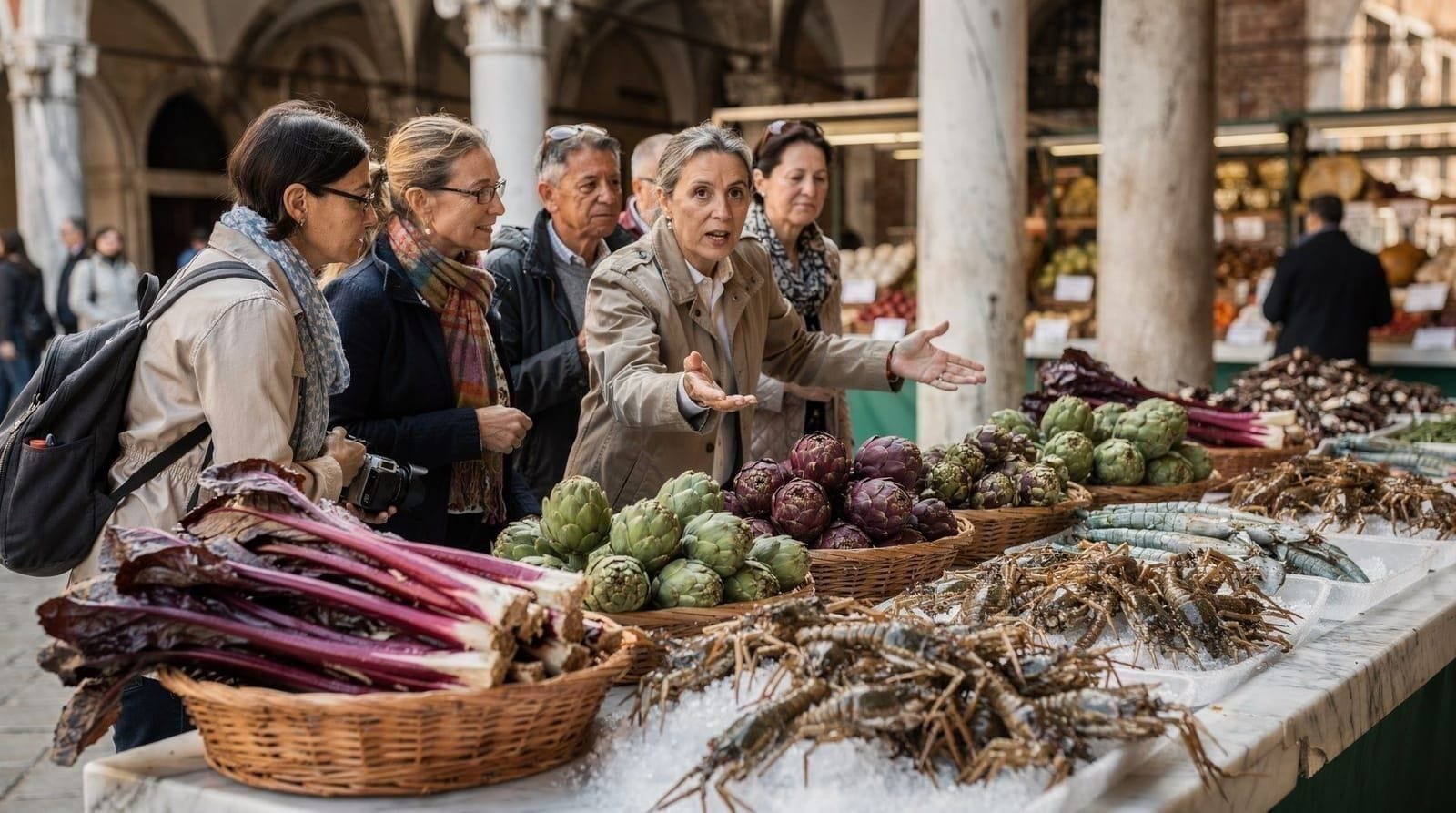
We end near the Rialto market. Al Merca is technically in San Polo but it’s a natural end point for a Cannaregio crawl — it’s on the way back to most accommodation and it’s one of the best-priced bacari in the city. Counter service only, no seating, wine by the glass for €1.50 to €3. The cicchetti are straightforward and good.
By this point we’ve spent about €30 each across all six stops including all food and drink. We’re not hungry, we’re pleasantly content, and we’ve walked about three kilometres.
The route at a glance
| Stop | Location | Order this | Approx. cost |
|---|---|---|---|
| 1. Al Timon | Fondamenta degli Ormesini | Baccalà mantecato crostini, grilled prawn | around €11 for two |
| 2. Vino Vero | Fondamenta della Misericordia | Natural wine, house-cured meats | around €13 |
| 3. Osteria ai Cannaregio | Fondamenta di Cannaregio | Sarde in saor | around €7 |
| 4. Anice Stellato | Fondamenta della Sensa | Baccalà vicentino, seasonal cup | €2–4 per piece |
| 5. Alla Vedova | Ramo Ca’ d’Oro | Polpette | one glass, a few pieces |
| 6. Al Merca | Campo Cesare Battisti | Whatever’s fresh, standing only | wine €1.50–3 |
Do all six and you’ve spent an evening and about €30 a head; drop stops five and six if you’re short on time and you still get the essential Cannaregio experience in about ninety minutes.
If you’re doing this with kids or a larger group
Standing at a bar counter for three hours doesn’t suit everyone. With children, we’ve shortened this same route to three stops — Al Timon, Osteria ai Cannaregio and Al Merca — and treated it as an early dinner rather than a crawl, since all three have at least a little bit of outdoor space to sit. With a group larger than four, call ahead to Anice Stellato if you want the sit-down dining room rather than squeezing around the bar tray; the Cannaregio guide has more on the neighbourhood’s family-friendlier corners.
The alternative: a guided food tour
For visitors who prefer not to navigate on their own, a guided cicchetti and bacari tour takes care of the route planning and also provides context about the food traditions that I’ve simplified here. The guides know which kitchens are having a good night and which bacari aren’t worth your time on a particular day.
Venice bacaro tour: food and wine tasting with local guideThe Cannaregio guide has more on the neighbourhood generally, and the best bacari guide lists options beyond Cannaregio if you want to cross-reference your options.
Understanding cicchetti pricing
The apparent simplicity of cicchetti economics hides a few variables. Most cicchetti are individually priced at €1.50 to €4 per piece. An ombra (the small glass of local wine, literally “shadow” — see the etymology in the cicchetti guide) costs €1.50 to €3.
Where it gets complicated is in the sitting-down premium. A bacaro that offers table seating will charge differently for the same food than one where you stand at the counter. Sometimes this is formalised; sometimes it’s just “how it works.” The rule is to default to standing at the bar unless a table is clearly the mode and the prices are the same.
Some places list prices on a chalkboard; others have the pieces displayed behind the glass counter with prices visible. A few don’t post prices at all — these are generally fine, because in a traditional bacaro context the prices are low enough that the total is rarely surprising. If you’re uncertain, ask “quanto costa?” (how much is this?) before ordering.
The maximum we’ve spent in a single bacaro on a crawl, standing at the bar, is €14 for two people including food and two glasses of wine. The minimum is €5 for a glass and two cicchetti. Over six stops across three hours, budget €25 to €35 per person for a satisfying evening.
The geography of good cicchetti beyond Cannaregio
The best bacari guide covers options beyond Cannaregio for completeness, but the honest answer is that Cannaregio is where you go for cicchetti specifically. The other neighbourhoods have their own virtues.
San Polo around the Rialto market has a concentration of bacari that are convenient if you’re already there for the morning market. These tend to be busy and tourist-aware; the food is good but the atmosphere is more pressured than Cannaregio’s fondamenta.
Dorsoduro near Campo Santa Margherita has the student-facing bars and bacari that serve a younger, more local-to-Venice crowd. The wine selection at Vino Vero (mentioned above) is the most interesting in this area. The cicchetti are slightly less traditional and slightly more composed — a reflection of the Accademia student demographic.
Timing and practical notes
This crawl works between five and nine in the evening. Most bacari open around five-thirty and the cicchetti are freshest from six to seven-thirty. After eight, the trays are emptier and some places start transitioning toward dinner service.
The Cannaregio area is not dramatically different from season to season — summer crowds push through San Marco but dissipate noticeably by the time you’re on Fondamenta degli Ormesini. The food quality doesn’t change with tourist volume, which is one of the virtues of choosing a neighbourhood-facing crawl over a San Marco option.
Stand at the bar. Order one or two things at a time. Don’t ask for a menu. Watch what other people are eating and point if necessary. Venetian bartenders are patient with this approach as long as you’re not blocking the flow.