Murano glassblowing workshop: a complete guide for visitors
Venice: Murano glass-blowing demo and workshop
Can visitors try glassblowing on Murano?
Yes. Several furnaces on Murano island offer hands-on workshops where you blow and shape your own glass piece under an artisan's guidance. Sessions run 60–90 minutes and cost €60–€130 per person. Book in advance, especially April–October.
What actually happens inside a Murano furnace
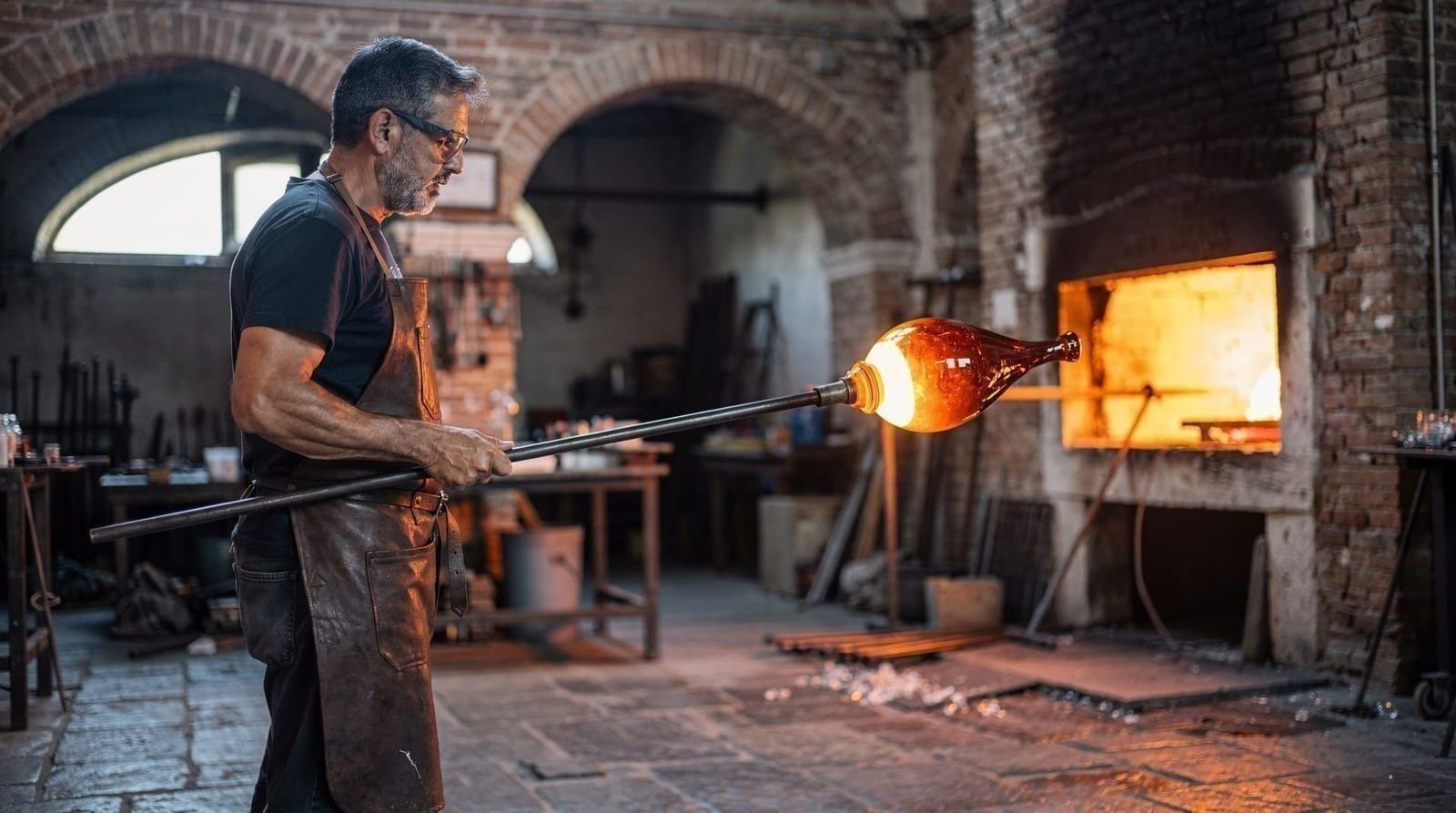
The moment you step inside a Venetian glassblowing furnace — called a fornace — the heat hits you first. The main furnace (the forno) burns at around 1,400 °C, and the working mouth where artisans gather molten glass glows a fierce orange. This is the sensory backdrop to one of the oldest craft traditions in Europe.
Murano’s glassmakers have been concentrated on this small island, just off the north shore of Venice, since 1291. The Venetian Republic ordered the furnaces moved here partly to protect the city from fire, but also to keep the glass-making secrets tightly contained. Maestros were forbidden to leave Venice on pain of death — and were granted noble status in return. Today, about 35–40 working furnaces remain on the island, a fraction of the hundreds that once operated, but they still produce work that commands serious prices in galleries worldwide.
A hands-on glassblowing workshop lets you experience the fundamentals of that craft. You will not be making a Murano chandelier on day one, but you will understand — viscerally — why this material has captivated artisans and collectors for seven centuries.
| Where | Murano island, mainly Fondamenta dei Vetrai and Fondamenta Manin |
| Cost | €60–130 for a group session; private artisan lessons €150–200+ |
| Time needed | 60–90 minutes for a standard workshop, plus overnight annealing |
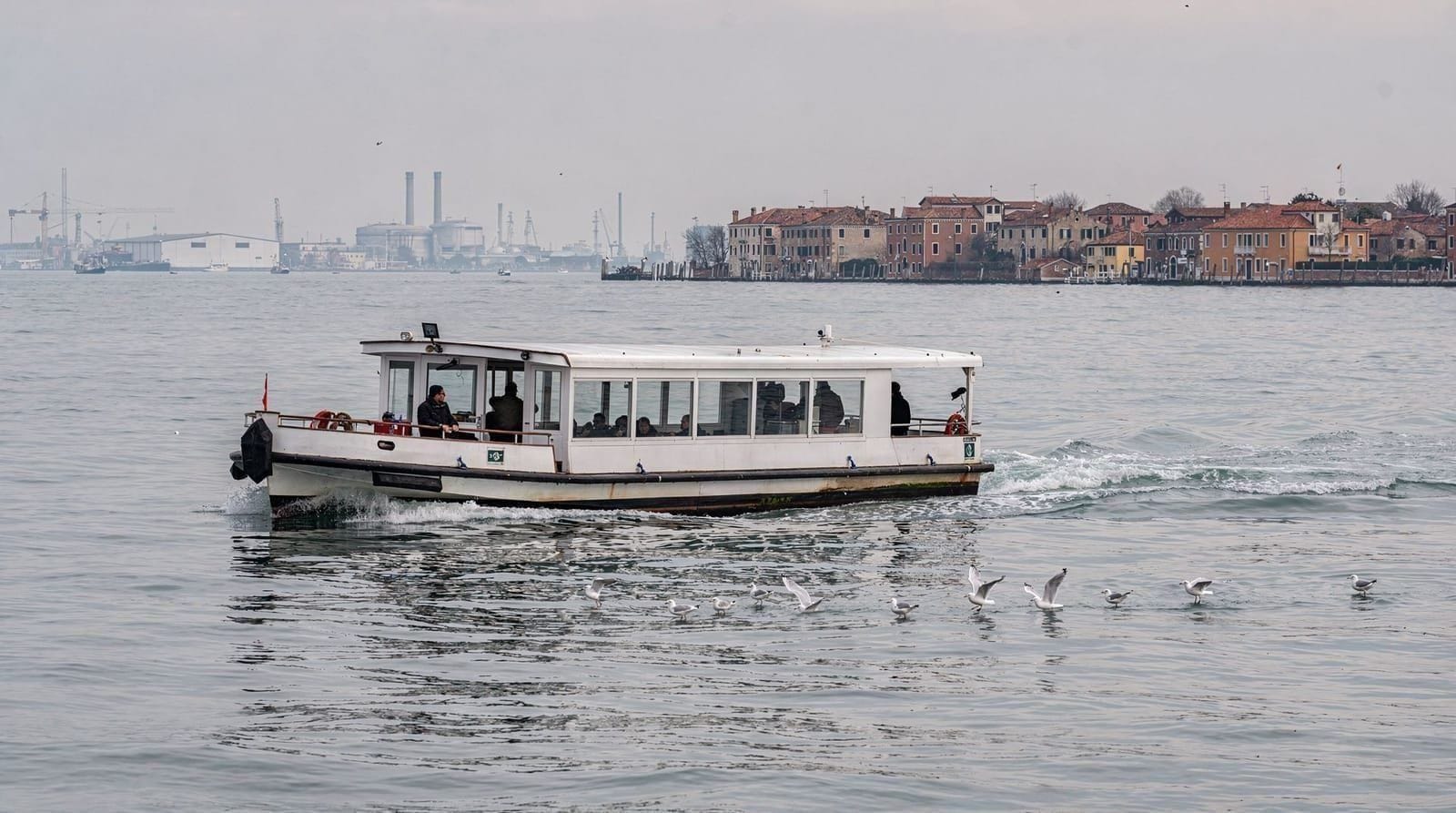
| Getting there | Vaporetto 4.1/4.2 from Fondamente Nove, around 10–15 minutes |
| Best time | Morning booking, and book days ahead in July–August |
Choosing the right type of workshop
Demonstration-only visits
Many tours include a dimostrazione: a maestro sits at the furnace and creates a horse, a vase, or a goblet in five hypnotic minutes while a guide translates. You watch, you applaud, and then you are escorted into the showroom. These are included in most island-hopping day trips and cost nothing extra beyond the tour price.
A demonstration is worth seeing even if you plan to do a hands-on workshop too — watching a true master work clarifies what the craft requires in a way no description can. But it is a spectator experience, not a participatory one.
Hands-on beginner workshops
This is what most visitors are looking for. You handle a blowpipe, gather a gather of molten glass from the furnace mouth (with guidance), blow a bubble, and shape a simple form — typically a small vase, a paperweight, or a drinking glass. The maestro’s hands cover yours for the critical moments.
Book a Murano glassblowing demo and workshop — this session combines a professional demonstration with time at the furnace for participants, running roughly 90 minutes in a genuine working furnace on Murano. It is one of the most consistently reviewed options in the category.
For absolute beginners who want more time at the furnace and a slightly more structured teaching approach, the beginners’ glassblowing workshop on Murano dedicates more of the session to your hands-on experience and is well-suited to solo travellers and small groups.
Demonstrations vary a great deal by furnace, and the glass blowing experience at the Gino Mazzuccato factory is one of the named workshops rather than an unspecified one, which is worth checking before booking anything on Murano.
Private artisan sessions
If glassblowing is more than a curiosity for you — if you want to understand technique, receive proper instruction, and create something you could actually use — consider a private lesson with an artisan. The private glass artwork lesson with a local artisan goes further than most group options, guiding you through a more considered creative process. These sessions run 2–3 hours and cost more, but the result is genuinely personal.
Comparing the three options
| Option | Time | Typical cost | Hands-on? |
|---|---|---|---|
| Demonstration only | 5–20 min | Free–included in tour | No, watch only |
| Group beginner workshop | 60–90 min | €60–130 | Yes, guided |
| Private artisan session | 2–3 hours | €150–200+ | Yes, in depth |
If you are travelling with children, note that most studios set a minimum age for hands-on participation (see the FAQ below); the Venice with kids guide has more on which craft experiences work well for families.
What you make in a standard workshop
The most common first-project is a small tumbler or a simple vase. The maestro will have you blow a bubble into the gather, roll it on the marver (a steel table used to cool and shape the glass), and use wooden or wet-newspaper tools to open the rim. The experience of feeling the glass resist and then yield as you work it is unlike anything else.
Some studios let you choose a colour or add colour streaks (murrine technique) to your piece. Others keep it simple and clear. Ask when booking if colour is included — it usually adds a few minutes to the session.
Your piece goes into an annealing oven (forno di ricottura) immediately after forming, where it cools slowly over 8–12 hours. Rapid cooling causes stress fractures. Most studios will pack and ship your piece to your home country for a fee (typically €15–€30 for standard international shipping), or you can collect it the following morning.
Where workshops take place on Murano
Murano is small enough to walk across in 20 minutes. Most furnaces are clustered around Fondamenta dei Vetrai (the main canal-side street) and the parallel Fondamenta Manin. When you arrive at Murano Colonna vaporetto stop, you are already steps from several working fornaci.
A few important practical points:
- Book ahead in summer. July and August workshops fill up days or weeks in advance. Spring and autumn have more availability.
- Arrive on time. Furnaces operate on schedules tied to glass batches. A late arrival may mean missing the critical window when the glass is at working temperature.
- Wear comfortable, closed shoes. No sandals or flip-flops near an active furnace — every reputable studio will insist on this.
- No backpacks or large bags near the furnace. Studios have storage areas for your belongings.
Combining a workshop with exploring Murano
A morning workshop followed by an afternoon exploring the island is the ideal itinerary. After your session, walk north along Fondamenta dei Vetrai to the Museo del Vetro in Palazzo Giustinian — the glass museum covers 2,000 years of the craft and includes extraordinary Roman pieces alongside Venetian Renaissance masterworks. Entry costs around €10.
Lunch options on Murano are significantly better than the tourist traps around San Marco. Trattoria Busa alla Torre (Campo Santo Stefano) does a solid seppie al nero (cuttlefish in its ink) and fried lagoon fish for under €20 a plate. Avoid restaurants along the main tourist drag nearest the vaporetto stops — they cater to coaches and price accordingly.
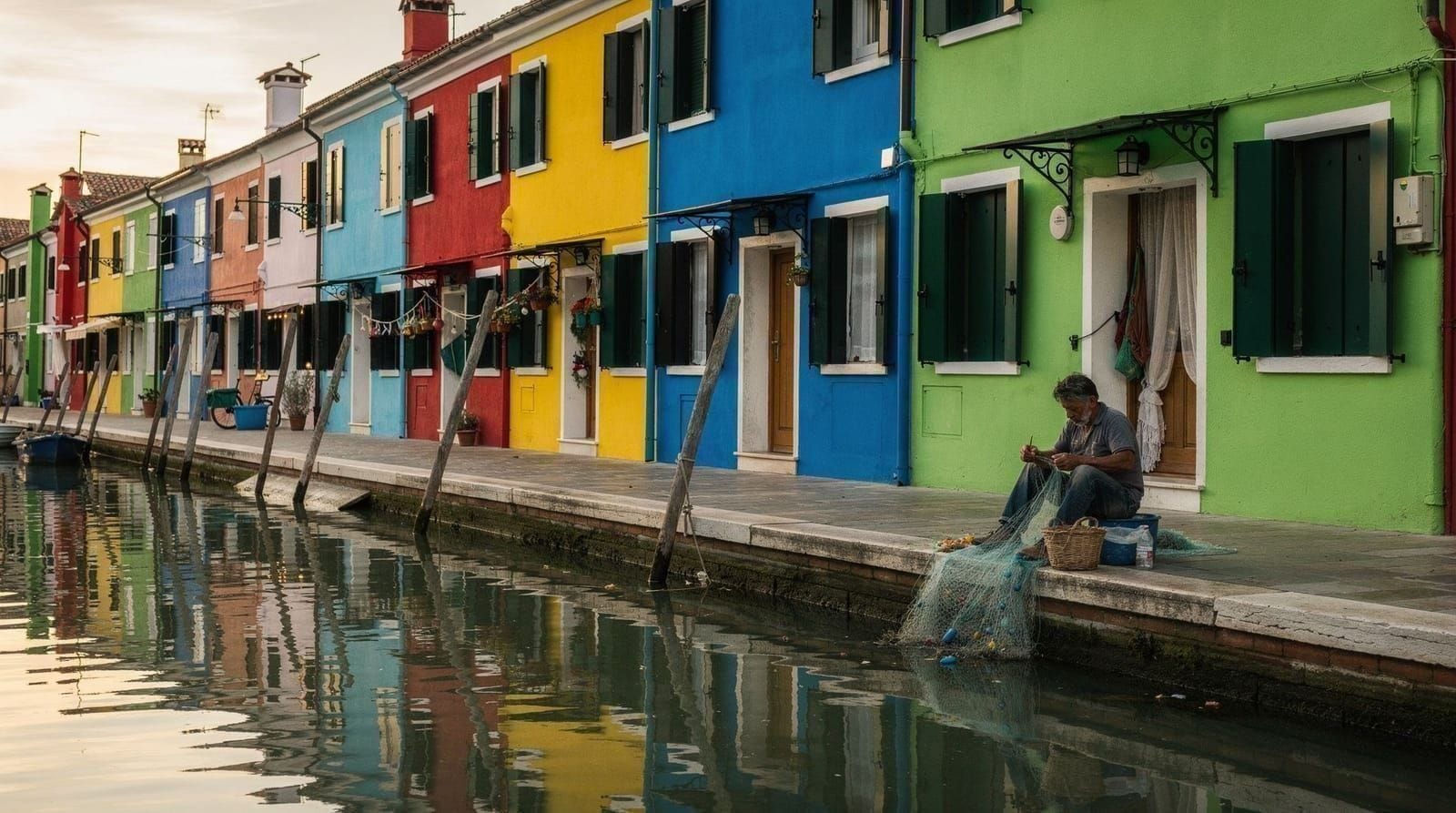
For the full experience of the island beyond its glass shops, read the Murano island guide and consider pairing with a Murano and Burano trip if you have a full day.
How workshops compare to buying glass in a shop
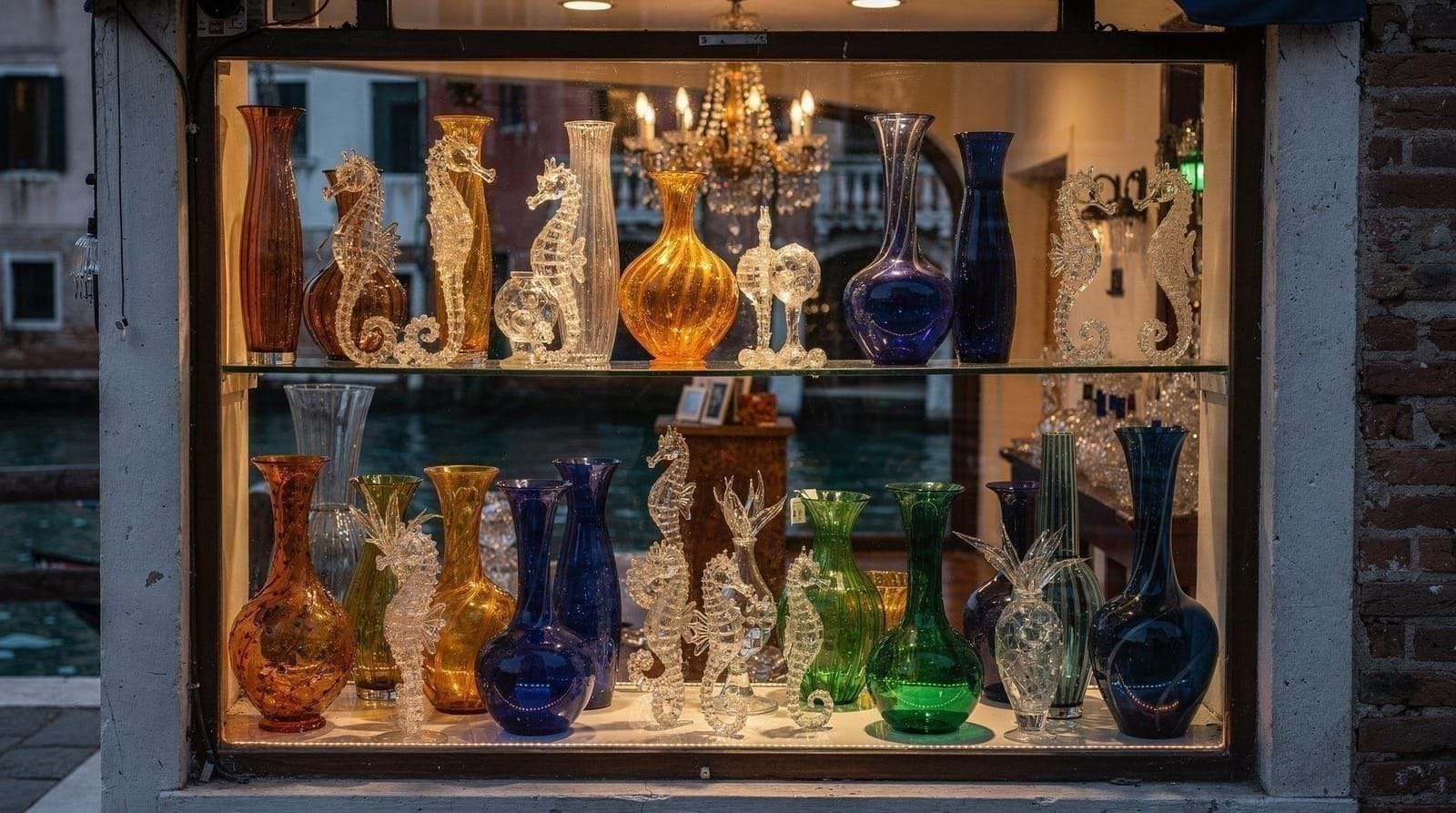
Buying Murano glass is straightforward — hundreds of shops sell it. But the value of a hands-on workshop is not the object you take home; it is the understanding that comes with having worked the material yourself. When you later look at a piece of Murano glass in a gallery or a friend’s home, you will understand exactly what it took to make it.
That said, if budget is a consideration, a demonstration tour is worthwhile on its own. The spectacle of watching a maestro create a piece in minutes, from a glowing blob to a finished animal or vessel, is genuinely impressive even without touching the blowpipe yourself.
See the artisan crafts guide for Venice for a broader picture of what hands-on craft experiences are available across the city, from mask-making to lace-work on Burano. If glass is not quite your thing, the mask-making workshop guide and the Venice cooking class guide cover the two other most popular hands-on experiences in and around the city.
Building it into a lagoon day
A workshop pairs naturally with a wider lagoon itinerary rather than standing alone. Booking the earliest available morning slot leaves the rest of the day free to see the Museo del Vetro, walk the Fondamenta dei Vetrai, and still catch a boat onward to Burano or Torcello — the lagoon islands day trip guide lays out realistic timings for combining all three islands, and the Murano and Burano comparison guide is useful if you are deciding how much time each island deserves.
Practical logistics for getting to Murano
From Venice, the main vaporetto options are:
- Line 4.1 / 4.2 from Fondamente Nove: 10–15 minutes direct to Murano Colonna. This is the fastest and most direct route from the historic centre.
- Line 3 from Piazzale Roma or Ferrovia (Santa Lucia station): 35–40 minutes, stopping at several other points first. Useful if you are arriving by train or bus.
- Line 13 from Fondamente Nove: goes to Murano Faro (near the lighthouse) and continues to the northern lagoon islands.
A single vaporetto ticket costs €9.50 and is valid for 75 minutes. If you are spending a full day island-hopping, a 24-hour pass (€25) is better value. See the vaporetto guide for full timetable advice.
Water taxis are faster (8 minutes from Fondamente Nove) but expensive — expect €40–€70 for a private transfer depending on departure point and time of day.
The Museo del Vetro: understanding the craft context
The Museo del Vetro (Glass Museum) in Palazzo Giustinian on Murano is the most important context for any glassblowing workshop visit. It spans two floors and approximately 4,000 objects covering the full history of glass from Roman antiquity to the 20th century, with the Venetian and Murano tradition at its centre.
The highlights: the Roman glass collection, which includes pieces of extraordinary delicacy from the 1st century AD that demonstrate that the basic technical possibilities of the craft were already understood two millennia ago. The Renaissance Murano section, which includes extraordinary filigrana work — twisted coloured threads embedded in clear glass in patterns of remarkable complexity. And the 20th-century section, which shows how Murano glass responded to modernism and produced designers like Paolo Venini whose work is now collected by major museums worldwide.
Understanding the museum deepens the workshop experience. You are not just blowing glass — you are making your first step in a craft with a continuous tradition of at least 700 years in this specific location. Entry costs around €10, or is included with the Venezia Unica city museum card.
The Murano glass controversy: counterfeit and genuine
A significant proportion of the glass sold in Venice’s tourist shops as “Murano glass” is not made on Murano at all. Since the early 2000s, cheap machine-made or hand-blown glass from China, Eastern Europe, and elsewhere has entered the Venetian market, often labelled in ways that imply Murano origin without explicitly claiming it. The “Made in Italy” label on a piece of glass does not mean it was made on Murano; even “Made in Venice” may not refer to Murano’s fornaci.
The Vetro Artistico Murano trademark — a distinctive blue sticker — is the official guarantee of Murano origin, licensed by the Veneto regional government. It is not infallible (some studios have applied it loosely) but it is the most reliable indicator available. Genuine Murano studios that operate workshops will always be able to show you the production process and tell you which furnace made the piece.
For workshop participants, this issue is moot — you are watching and participating in the actual production. But if you are also buying pieces, understanding the provenance markers matters.
What to expect from the finish quality
Be realistic about what you will produce in a 90-minute beginner session. The piece will be handmade, irregular, and honest — which is exactly what makes it valuable as a memento. It will not look like the polished, multi-layered pieces in the showrooms (those take maestros years to produce), but it will be genuinely yours and genuinely made by your hands on a real Murano furnace.
Studios will typically have the piece photographed for you as it cools, so you have a record of the process even before you receive the finished object.
What to wear and bring
Dress for heat and safety, not style. Closed shoes are non-negotiable near an active furnace — canvas trainers are fine, sandals are not. Wear short sleeves or something you can push up past the elbow; the working area sits close to a furnace running at around 1,400°C, and loose, flowing sleeves are a genuine hazard. Tie back long hair. Leave dangling jewellery and scarves at your accommodation, since studios will ask you to remove anything that could catch or melt near the flame. A light layer for afterwards is worth having, since the contrast between the furnace floor and the cooler fondamenta outside is noticeable, especially in the shoulder seasons.
Frequently asked questions about Murano glassblowing workshops
How long does a Murano glassblowing workshop take?
Most beginner workshops run 60–90 minutes. You watch a brief demonstration, then take turns at the furnace with the artisan’s guidance. The finished piece typically needs an overnight annealing cycle before you can take it home or have it shipped.
How much does a glassblowing class on Murano cost?
Entry-level group workshops start at around €60–€70 per person. More involved sessions where you create a larger or more complex piece cost €100–€130. Private lessons with a master glassblower run €150–€200+.
Do I need any experience to join a glassblowing workshop?
No prior experience needed. All workshops listed here are designed for complete beginners. You work alongside a maestro who guides your hands through each step.
Can I take my glass piece home on the same day?
Usually not. Hot glass must cool slowly in an annealing oven overnight to prevent cracking. Most studios will package and ship your piece, or you can collect it the next morning if your schedule allows.
Is Murano worth visiting just for a workshop?
Absolutely. Combining a glassblowing session with a walk around Murano’s canals and a visit to the Museo del Vetro makes for a full, rewarding half-day from Venice. The island is only 40 minutes by vaporetto from Fondamente Nove.
What is the difference between a demo and a workshop?
A demo (dimostrazione) means you watch a maestro make a piece — no hands-on element. A workshop means you actively work with the glass yourself. Both are valuable, but if you want a memorable personal experience, pay the extra €20–€40 for the hands-on session.
Are children allowed in glassblowing workshops?
Most studios set a minimum age of 8–10 years for hands-on participation. Children under that age can usually watch a demonstration safely. Check the individual operator’s policy when booking.
How do I get from Venice to a Murano glassblowing workshop?
Take vaporetto line 4.1 or 4.2 from Fondamente Nove, or line 3 from Piazzale Roma/Santa Lucia station, directly to Murano Colonna or Murano Faro. Journey time is 10–40 minutes depending on your starting point. A single vaporetto ticket costs €9.50.
Can I combine a workshop with Burano and Torcello the same day?
Yes, if you book the workshop for the morning. A 60–90 minute session leaves the rest of the day free for the wider lagoon; see the lagoon islands day trip guide for realistic timings across all three islands.
Is a demonstration or a workshop better for a first visit?
For most first-time visitors, the group beginner workshop offers the best balance: it includes a demonstration first, then hands-on time, for a moderate step up in price over a demo-only tour. Save the private artisan session for a return trip or if you already know you want a deeper, more personal experience.
Is a Murano workshop worth it
Top experiences
Bookable activities with verified prices and instant confirmation on GetYourGuide.