Castello guide: Venice's largest sestiere beyond the tourist crowds
Venice: unusual sights walking tour with optional gondola
Is Castello worth exploring beyond the Riva degli Schiavoni waterfront?
Yes — the further east you go in Castello, the less touristed it becomes. The Arsenale, Via Garibaldi, Campo Bandiera e Moro, and the far Castello neighbourhoods near Sant'Elena are genuinely local and entirely uncrowded compared to San Marco.
Venice’s largest and least-explored sestiere
Castello is the largest of Venice’s six sestieri, stretching from the eastern edge of San Marco all the way to the tip of the Venetian Lagoon island at Sant’Elena. It covers more ground than any other neighbourhood and contains more variety: the tourist-facing Riva degli Schiavoni waterfront near the Doge’s Palace; the monumental walls of the Arsenale naval complex; the working-class Via Garibaldi street with its morning market; and the far eastern residential neighbourhoods that tourists almost never reach.
Most visitors to Castello see only the Riva degli Schiavoni — the broad waterfront promenade east of San Marco, lined with hotels and souvenir vendors, connecting the piazza to the lagoon. That stretch is fine but essentially an extension of the San Marco tourist zone. The real Castello begins when you turn inland, or when you walk far enough east that the tour groups thin out.
This guide is about what happens when you go further. The Castello destination page gives the overview; here we focus on where to go and what to do.
| Where | East of San Marco — Riva degli Schiavoni, Arsenale, Via Garibaldi, Sant’Elena |
| Time needed | 3–4 hours for the full half-day walking route |
| Getting there | Walk from San Marco (10–40 minutes depending how far east) or vaporetto line 1 or 4.1 to Arsenale, San Zaccaria or Sant’Elena |
| Cost | Mostly free to walk; Naval History Museum around €10, Palazzo Grimani around €8 |
| Best time | Riva degli Schiavoni before 9am or after 7pm; Via Garibaldi and Sant’Elena are uncrowded any time |
The Riva degli Schiavoni and the waterfront
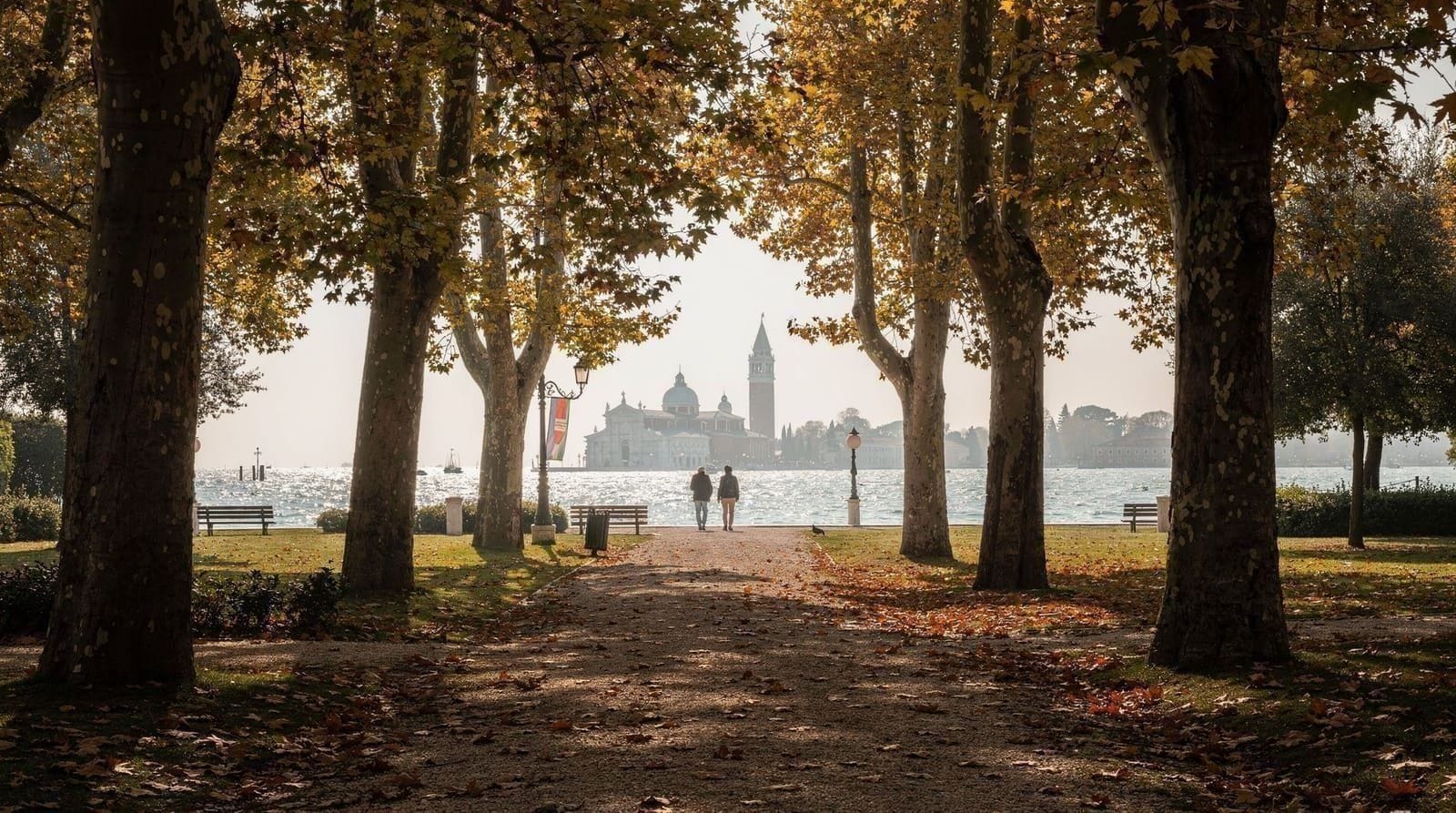
The Riva degli Schiavoni is a wide, sun-exposed waterfront promenade — over a kilometre long — running east from the Doge’s Palace to the Arsenal area. It faces the open lagoon, with views of San Giorgio Maggiore across the water. Large cruise ships were visible here until recently (the cruise route past San Marco was rerouted after 2021); now the view is of working transport vessels, vaporettos, and private boats.
The promenade is busy with tourists during peak hours, but the view is genuine and the width makes it less claustrophobic than many tourist streets in Venice. Morning (before 9am) and evening (after 7pm) are the best times to walk it without the density.
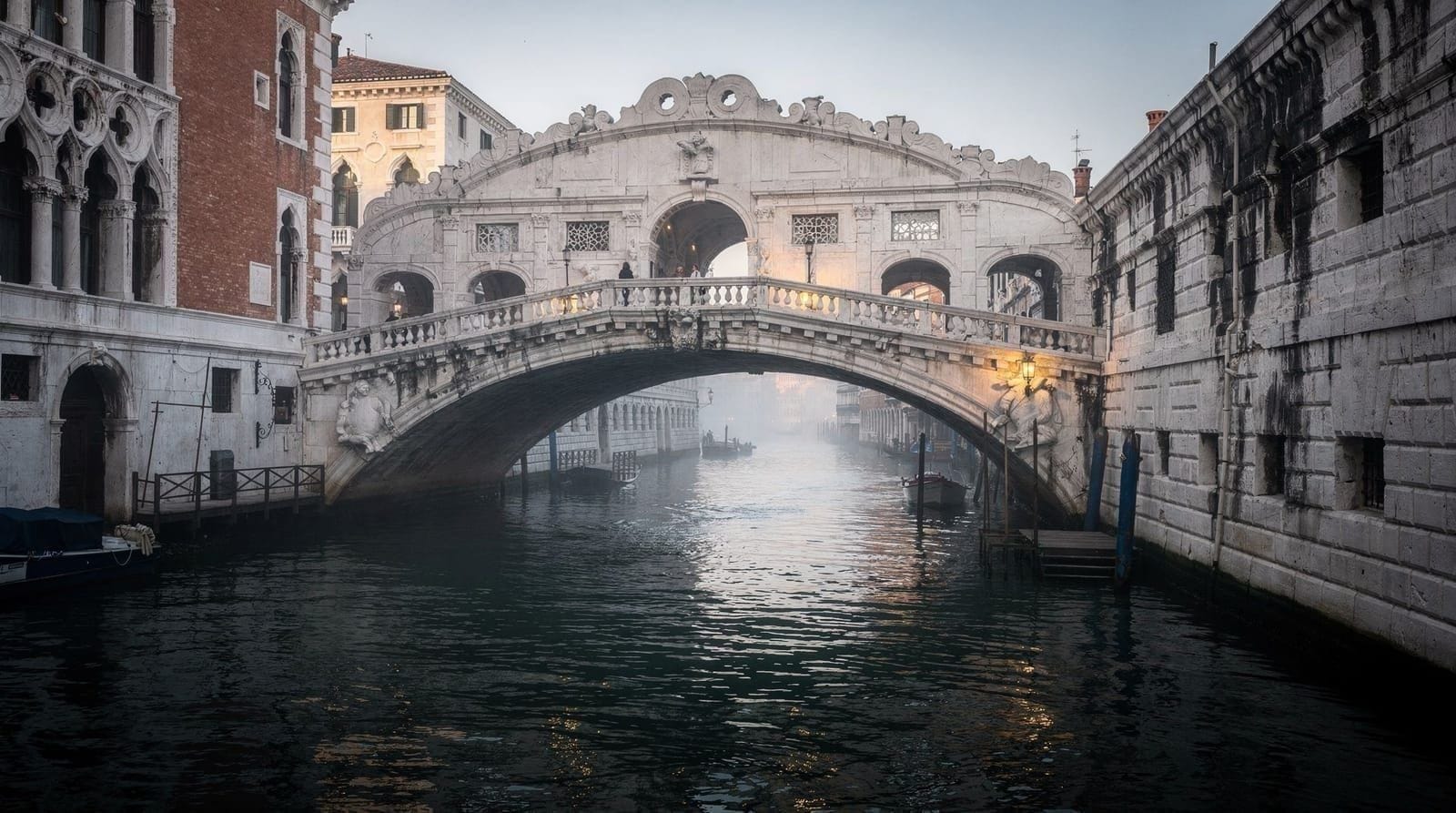
What to look for along the Riva: The equestrian statue of Vittorio Emanuele II (the only equestrian monument in central Venice); Hotel Danieli (historic, with an original Gothic palace and two added wings — the original Gothic building is visible from outside and worth a look); the Bridge of Sighs view from Ponte della Paglia (best in morning light, before tour groups arrive).
Read the Bridge of Sighs guide for the full history and best vantage points.
The Arsenale
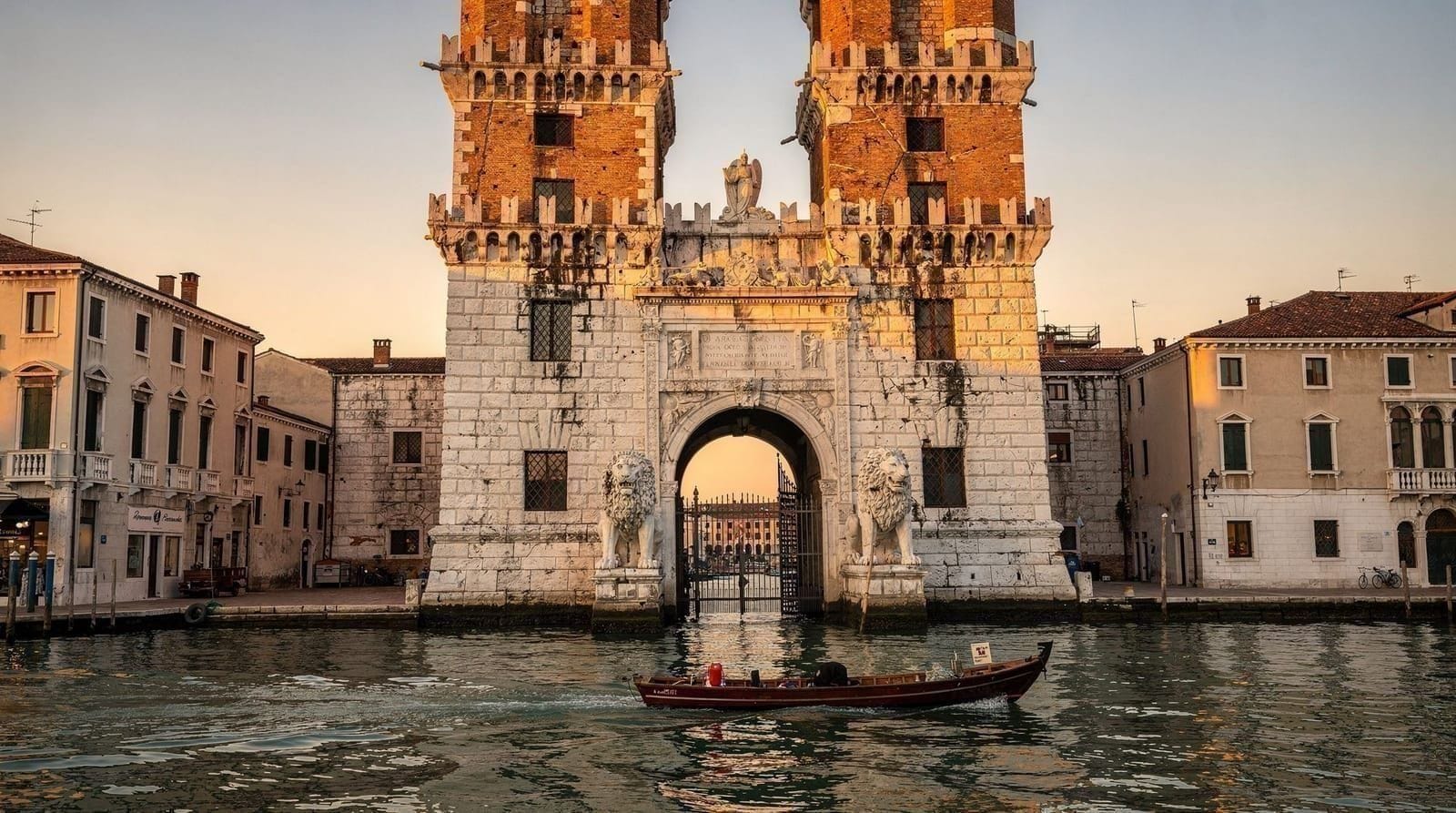
The Arsenale was the industrial heart of Venetian sea power — a walled naval shipyard that at its peak employed 16,000 workers (arsenalotti) and could reportedly fit out a complete warship in a single day. The complex covers a significant fraction of Castello’s eastern area; its crenellated walls run for hundreds of metres and are some of the most dramatic architecture in Venice.
The Arsenale is not fully open to the public year-round — access is primarily during the Venice Biennale (which uses many of the Arsenale warehouses as exhibition space) and on special open days. However, the exterior — the Arsenale gateway (Porta Magna, 1460), the lions on either side (brought from Piraeus as war trophies), and the walls visible along the canal — are always accessible. The canal approach by vaporetto gives the best view.
Naval History Museum (Museo Storico Navale): Across from the Arsenale entrance on Campo San Biagio, this is one of Venice’s most underrated museums. The collection covers Venetian naval history from the Republic era — ship models, weapons, navigational instruments, gondola history — and includes a working annex in an actual Arsenale building with full-scale boats. Entry around €10; allow 2 hours if you are genuinely interested. Almost never crowded.
Santi Giovanni e Paolo (San Zanipolo)
The basilica of Santi Giovanni e Paolo (known in Venetian dialect as San Zanipolo) is the largest Gothic church in Venice and the principal burial church of the Doges — 25 of them are interred here, their tombs lining the walls in elaborate sculptural monuments. The scale is extraordinary: a single huge nave, 90 metres long, with the tombs of the Doges arranged with heraldic precision.
The church also contains one of Bellini’s greatest late works, the St Vincent Ferrer Polyptych, and a Giovanni Bellini triptych. Entry is around €5. The campo in front — Campo Santi Giovanni e Paolo — is presided over by the equestrian statue of Bartolomeo Colleoni by Verrocchio, one of the finest Renaissance bronzes in existence.
Ospedale Civile: The building fronting the campo opposite the church is Venice’s main hospital — a former Scuola Grande (confraternity building). The facade and the campo itself are free to view. The combination of the great church, the Colleoni statue, and the hospital facade in one campo makes it one of the most architecturally concentrated public spaces in Venice.
Palazzo Grimani and San Francesco della Vigna
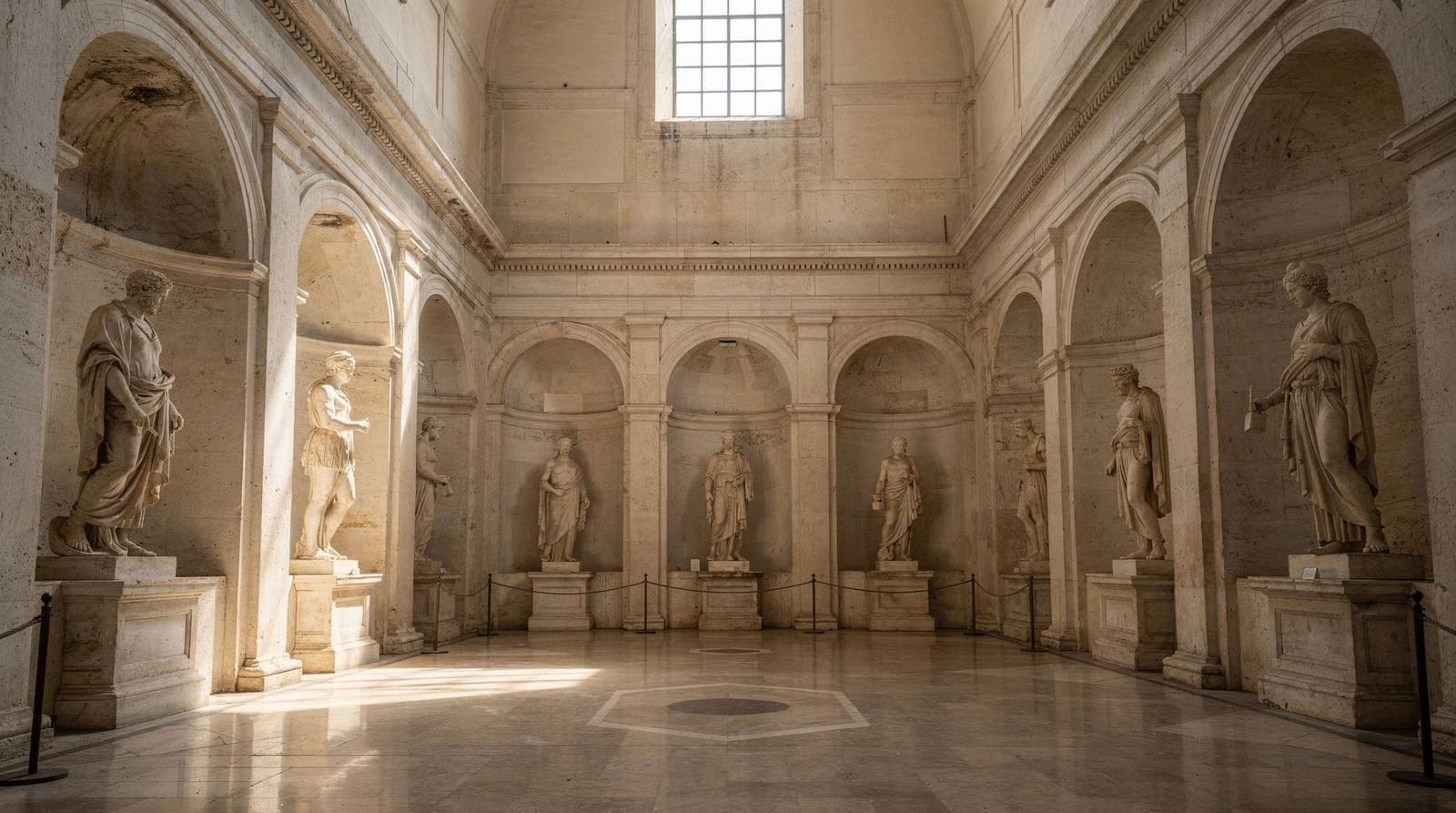
Palazzo Grimani: A Renaissance palace (not Gothic — unusual in Venice) near Campo Santa Maria Formosa, holding a collection of antique sculpture in original period interiors. Entry around €8. The architecture alone — a proper Roman-influenced courtyard and tribune — is worth seeing. The Palazzo Grimani guide covers what’s inside.
San Francesco della Vigna: A church by Jacopo Sansovino (facade by Palladio) on the east side of Castello, holding Bellini’s Virgin and Child Enthroned (a late masterpiece) and Giovanni Antonio Canale’s decorative cycle. Entry is free. The cloisters are serene and often completely empty. One of the most peaceful 20 minutes available in Venice.
Via Garibaldi and eastern Castello
Via Garibaldi is the widest street in Venice — Napoleon’s troops, who briefly occupied the city in 1797, drained a canal to create it, which explains its unusual width. Today it is the commercial spine of working-class eastern Castello: a morning market (Monday–Saturday) selling vegetables, fish, and everyday goods; alimentari (grocery shops); café-bars serving local residents; a hardware shop; a pharmacy.
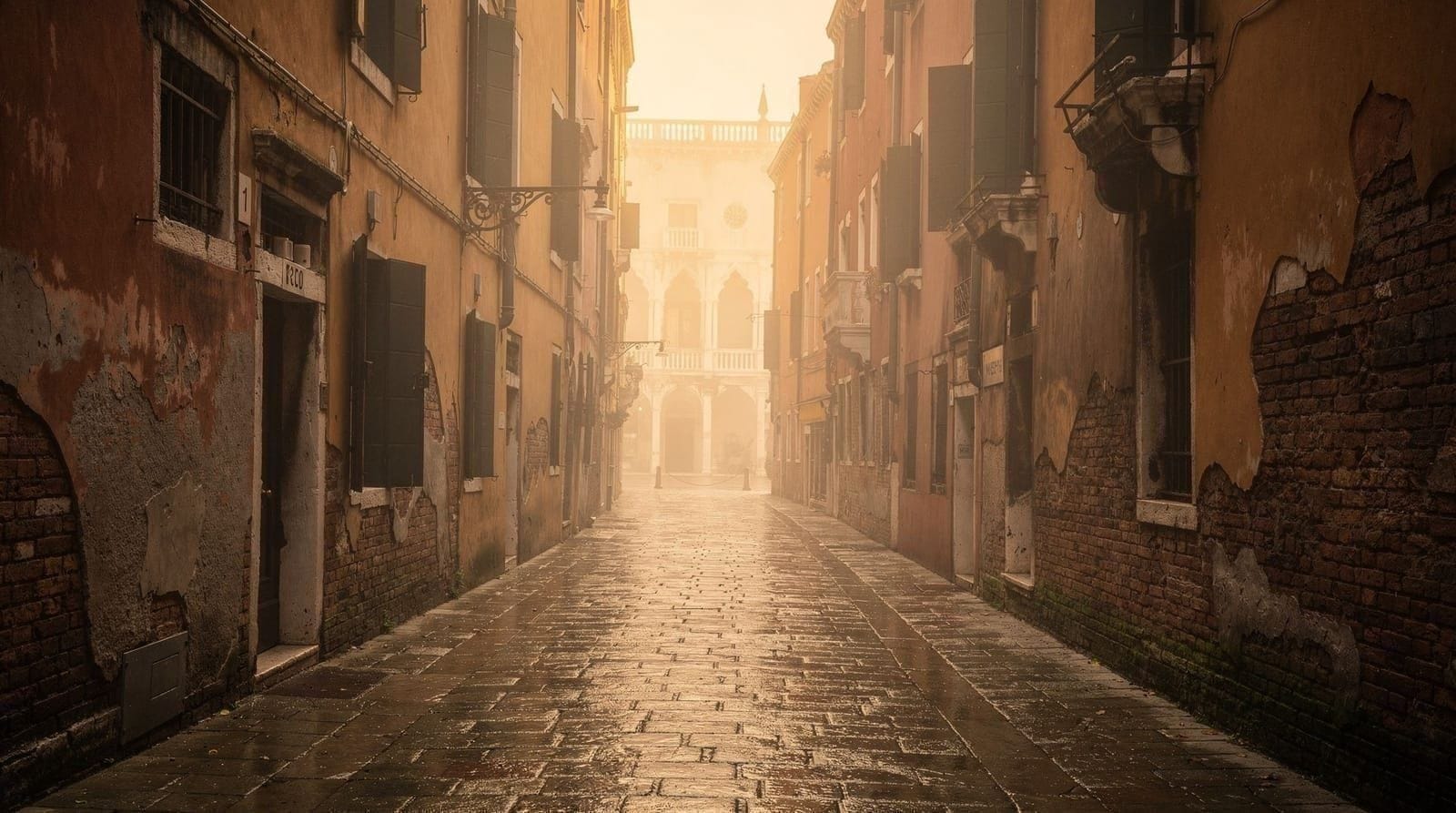
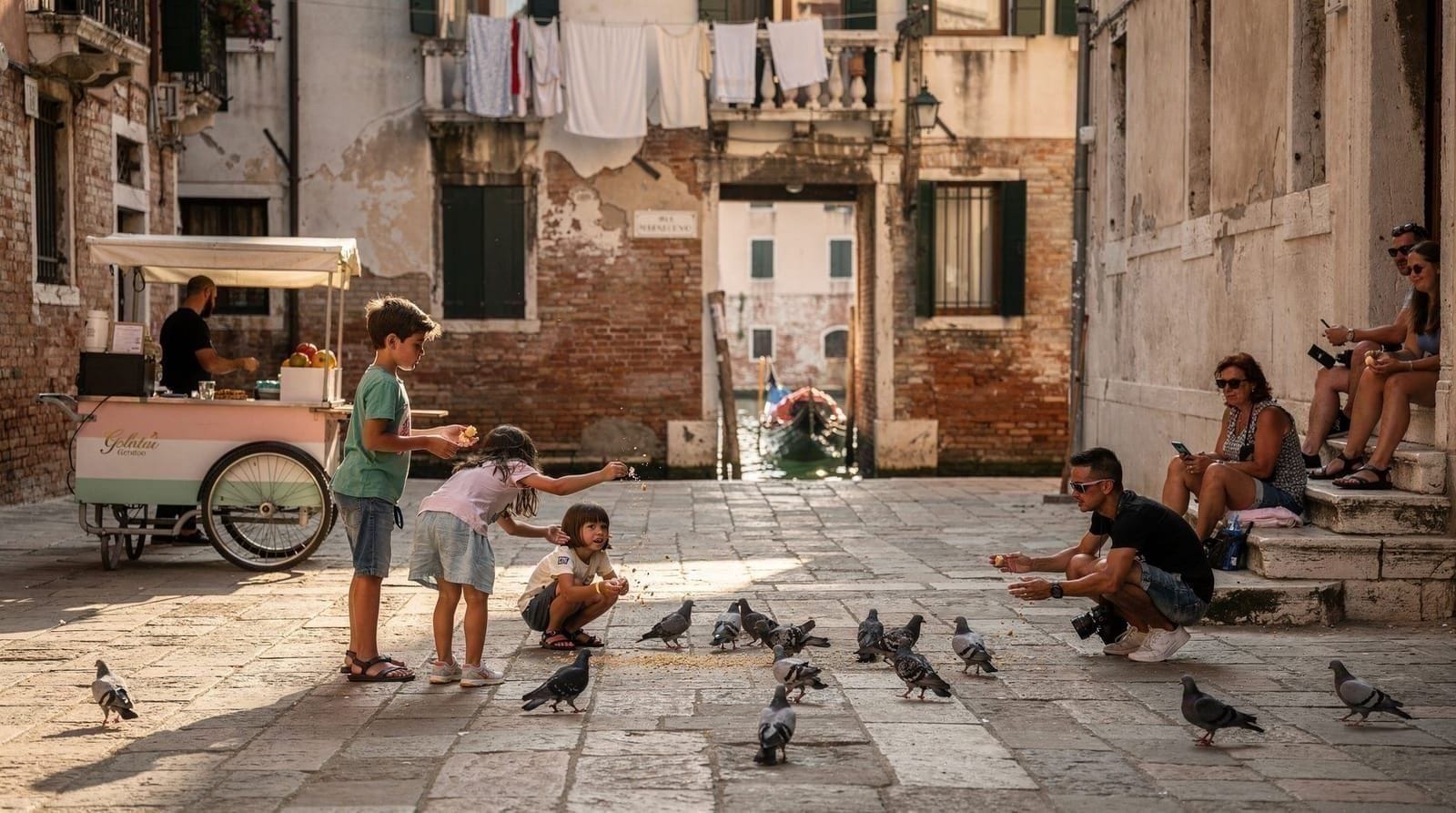
The atmosphere is immediately different from anything in the western part of Venice. There are no souvenir shops on Via Garibaldi; no restaurants with English menus in the window; no ticket touts. A coffee at a Via Garibaldi bar costs €1.30–1.50 at the counter, the same as it does for the locals who come every morning.
For families: The Via Garibaldi area has a small park (Giardini Pubblici) created by Napoleon at the same time as the street. It is one of the very few parks in the main island and is popular with Venetian families with young children. Dogs and cycles (forbidden on the narrow calli elsewhere) are common here. The Venice with kids guide recommends Via Garibaldi and the Giardini for families needing outdoor space.
The Biennale gardens and Sant’Elena
Giardini della Biennale: The Venice Biennale — one of the world’s most important contemporary art events — uses both the Arsenale and a complex of national pavilions in the Giardini in eastern Castello. The permanent pavilion buildings (including the Italian, British, French, and US pavilions, among others) are architectural landmarks of the 20th century. During Biennale years (odd years for art, even years for architecture), the Giardini are ticketed. Outside Biennale years, the gardens themselves are largely accessible and peaceful. Read the Biennale guide for event logistics.
Sant’Elena: The far eastern tip of the island — a residential neighbourhood of early 20th-century apartment blocks (unusual in Venice) with very few tourists, a small promenade facing the lagoon, and a church (Sant’Elena) with a Gothic portal. The vaporetto stop (line 1, Sant’Elena) makes it easy to reach and to leave. Worth visiting if you want to see Venice at its most residential.
Campo Santa Maria Formosa
Campo Santa Maria Formosa is one of the largest campos in Venice and one of the most characterful. It has a small covered market structure in the centre (no longer daily but still used), a ring of café-bars and restaurants, and the church of Santa Maria Formosa itself — a Mauro Codussi building with a remarkable high altar and a Palma il Vecchio St Barbara altarpiece. The campo is not as quiet as it once was (it has become busier with tourists over the past decade) but remains considerably less pressured than anything near San Marco.
Libreria Acqua Alta: On Calle Lunga Santa Maria Formosa, this peculiar bookshop uses gondolas and bathtubs as bookshelves. It is genuinely strange, slightly chaotic, and very photogenic. Entry is free. There is a staircase at the back made of books leading to a canal view — a practical demonstration of the bookshop’s approach to acqua alta damage. Read the Libreria Acqua Alta guide.
A walking route through Castello
For a half-day exploring Castello beyond the waterfront:
- Start at Ponte della Paglia — view the Bridge of Sighs
- East along Riva degli Schiavoni to the Arsenale entrance (20 minutes)
- North to Santi Giovanni e Paolo and the Colleoni statue (10 minutes inland)
- East to Campo Santa Maria Formosa — Libreria Acqua Alta, church
- South back toward the Arsenale, then east on Via Garibaldi
- Coffee and market on Via Garibaldi
- Vaporetto line 1 west from Sant’Elena or Giardini back to San Marco
Full time: 3–4 hours at a leisurely pace.
Venice: unusual sights walking tour with optional gondolaEating and drinking in Castello
Castello’s food scene mirrors its geography: touristy near San Marco, increasingly local the further east you go. Around the Riva degli Schiavoni and San Zaccaria, restaurant prices climb quickly and menus tend toward multilingual tourist boards — the same pattern covered in the cheap eats in Venice guide, which is worth reading before you sit down anywhere near the waterfront.
Via Garibaldi is the better bet. The morning market stalls sell produce and seafood straight off the boats moored along the fondamenta, and the bacari along the street pour house wine at genuinely local prices — often €1.50–2 for an ombra, a fraction of what the same glass costs three minutes’ walk west. The cicchetti guide explains how to order at a bacaro counter if you have not done it before; Castello’s version of the ritual is quieter and less performative than the crowded bacari near the Rialto.
Coffee follows the same rule. A stand-up espresso on Via Garibaldi costs the same €1.20–1.50 as anywhere else away from the tourist zones — see the coffee in Venice guide for what to order and why price varies so much by address. Campo Santa Maria Formosa has a handful of café-bars that are pleasant for a sit-down coffee without the San Marco markup, though you will pay a small premium for the table.
For a guided introduction to this side of the sestiere rather than navigating it alone, the off-the-beaten-path walking tour spends much of its route through eastern Castello and the quieter calli that this guide describes, with a local guide pointing out details — like the Ospedale Civile’s former Scuola Grande facade — that are easy to walk past without noticing.
Photographing Castello
Castello rewards photographers who are willing to walk past the obvious shots. The Riva degli Schiavoni at sunrise, with the Bridge of Sighs and San Giorgio Maggiore both catching the early light, is one of the more reliable golden-hour compositions in Venice and considerably less crowded than the Rialto Bridge at the same hour — the golden hour in Venice guide covers timing for the season you are visiting.
Further east, the Arsenale’s Porta Magna and its flanking lions make a strong architectural frame, especially from the canal side by vaporetto. Via Garibaldi’s market mornings offer genuine street photography — market stalls, working boats, residents rather than tourists — that is harder to find intact in the western sestieri. The best photo spots guide has more Castello locations alongside the rest of the city’s classic viewpoints.
Combining Castello with adjacent sestieri
The western end of Castello flows directly into San Marco — the Bridge of Sighs, San Zaccaria, and the Doge’s Palace are technically on the Castello-San Marco border. A morning in Castello (starting at the waterfront, moving east) pairs naturally with an afternoon in the San Marco area or a vaporetto to the lagoon islands from Fondamenta Nuove in Cannaregio.
Frequently asked questions about Castello
Is Castello quieter than other sestieri?
The eastern two-thirds of Castello — beyond Campo Santa Maria Formosa — is considerably quieter than San Marco or the tourist core of Cannaregio. Via Garibaldi and Sant’Elena see almost no tourist traffic. The western waterfront (Riva degli Schiavoni) is busy in season but empties quickly the further east you go.
What happens at the Arsenale when the Biennale isn’t on?
The Arsenale complex is mostly closed to visitors outside Biennale periods and special events. The exterior walls, the Porta Magna, and the canal view are always accessible. The Naval History Museum annex (Padiglione delle Navi) is inside the Arsenale complex and open year-round on museum admission.
Can I walk to Castello from San Marco without a vaporetto?
Yes — it is all connected on foot. The walk from Piazza San Marco to Campo Santa Maria Formosa takes about 10 minutes; to Via Garibaldi about 25 minutes; to Sant’Elena about 40 minutes. The getting around Venice guide covers walking routes.
Is Castello affected by acqua alta?
The eastern parts of Castello (particularly the lower-lying areas near the Riva degli Schiavoni and around Campo Santa Maria Formosa) do flood during significant acqua alta events. The elevated walkways (passerelle) installed during flooding extend to the main tourist routes. Via Garibaldi and Sant’Elena are slightly less affected due to modest elevation differences.
What is special about the Colleoni statue in Castello?
The equestrian statue of Bartolomeo Colleoni by Andrea del Verrocchio (completed by Alessandro Leopardi, 1496) is considered one of the finest Renaissance bronzes in the world. Colleoni was a mercenary general who served Venice and left his fortune to the city on condition a statue be raised in his honour. Venice complied — but placed it next to the Scuola Grande di San Marco rather than on Piazza San Marco itself, technically fulfilling the letter of the bequest while avoiding elevating an individual above the Republic on the main square.
Is Castello worth a full day on its own?
For most first-time visitors, no — a 3–4 hour half-day route covers the highlights well, and the remaining time is better spent elsewhere in Venice. For a second or third visit, or for anyone who prefers slow, uncrowded exploration over checklist sightseeing, a full day in Castello (adding the Biennale gardens, a longer stop at Palazzo Grimani, and a proper lunch on Via Garibaldi) is a genuinely rewarding way to spend a day.
Where should I stay if I want to be based in Castello?
The western edge near San Zaccaria and the Riva degli Schiavoni is the most convenient for first-time visitors — close to San Marco on foot, well served by vaporetto, but noticeably quieter after dark once the day-trippers leave. Further east around Via Garibaldi is cheaper and more residential, at the cost of a longer walk to the main sights.
Top experiences
Bookable activities with verified prices and instant confirmation on GetYourGuide.