The Venetian spritz: history, recipe, and where to actually drink one
The drink that invented aperitivo hour
Before the Aperol spritz became the defining cocktail of every rooftop bar from London to Berlin, it was a local working drink in the Veneto. The aperitivo — from the Latin aperire, to open — was the ritual glass before lunch or dinner, something light and slightly bitter to prepare the palate and moderate the appetite. In Venice and the surrounding region, this meant a small glass of wine mixed with sparkling water: a spritz, from the Austrian German word spritzen, meaning to splash.
| Where | Bacari in Cannaregio or Dorsoduro, not San Marco |
| Cost standing at a bar | Around €2.50–3.50 |
| Cost near San Marco / hotel terrace | Around €12–18 |
| Classic ratio | 3 parts Prosecco, 2 parts bitter, 1 part soda |
| Best time | From around 17h30, before dinner |
The Austrian connection is not incidental. Venice was part of the Austrian Empire for much of the nineteenth century, and Habsburg soldiers stationed in the Veneto found the local wines too strong for their northern European palates. They began asking bartenders to dilute them with a splash of sparkling water, and the habit took hold. By the time Austrian rule ended in 1866, the spritz had become Venetian — absorbed into the city’s identity as thoroughly as the gondola and the campo.
How it evolved into what we drink now
The addition of Aperol — the bright orange, low-alcohol bitter from Padua — dates to the 1950s and 1960s, when the Barbieri distillery (makers of Aperol) began a marketing push through the bars of the Veneto. The formula that became standard: Prosecco, Aperol, a splash of sparkling water, and an olive or orange slice. Three parts wine, two parts bitter, one part soda — the formula is still taught as the 3-2-1 ratio in Venetian bars.
Campari spritz is the older alternative: sharper, more bitter, more austere, the choice of people who find Aperol too sweet. In some bars, particularly in Cannaregio and Dorsoduro, you will see the Campari version ordered more often by locals than the Aperol. Select, a locally produced bitter from the Venice area, is a third option and possibly the most genuinely Venetian of the three — it has a slightly more complex, herbal character and is less aggressively marketed than the others.
The cicchetti connection
In Venice, the spritz does not arrive alone. It comes with cicchetti — the small bar snacks that are the Venetian version of tapas. A piece of baccalà mantecato on a slice of bread (a crostino). A polpetta, a small fried meatball. A sardine in saor, the sweet-sour onion preparation unique to the Veneto. You order your spritz, you eat two or three cicchetti, and this is lunch or pre-dinner — the two converge in Venice, where the bacaro crawl is both aperitivo and meal.
The price point is part of it. A spritz at a bacaro in Cannaregio typically costs €2-3. A cicchetto costs €1.50-3. For €10-12 you can eat and drink better than at many restaurants nearby. The cicchetti guide covers the food in detail, and the best bacari guide has specific addresses.
Where the ritual matters
The spritz is not primarily a sit-down drink in Venice. It is a standing drink, consumed at the bar or on the fondamenta outside, in the early evening when the light is going golden and the residents of the neighbourhood are on their way home. This is the ombra — the shadow, another local term for a small glass of wine — translated into the spritz era.
The best addresses for a spritz are almost always the ones farthest from San Marco. This is not snobbery; it is economics. A spritz at a bar on the Piazza San Marco costs €12-18 because the real estate and tourist markup require it. The same drink at a bacaro on the Fondamenta degli Ormesini in Cannaregio costs €2.50 because the clientele is local and the margins are realistic.
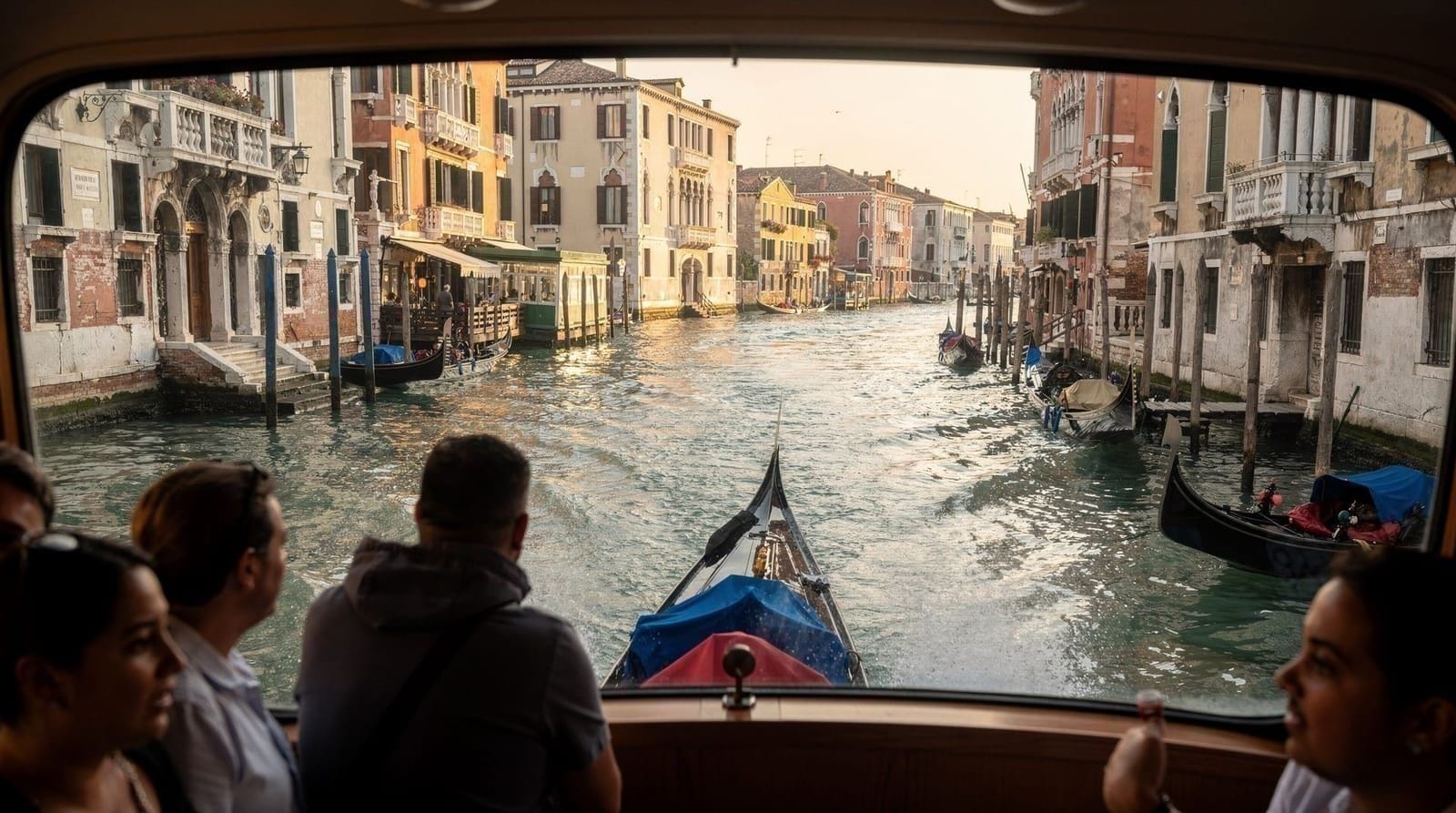
Fondamenta della Misericordia in Cannaregio is the current destination for spritz tourism that has not fully priced itself out of reality — there are half a dozen bacari in a single stretch, the crowd is mixed local and visitor, and the drinking starts around 17h30. You will almost certainly be standing outside because the bars are small and there is no room inside, which is fine because the canal is right there and the light is usually excellent.
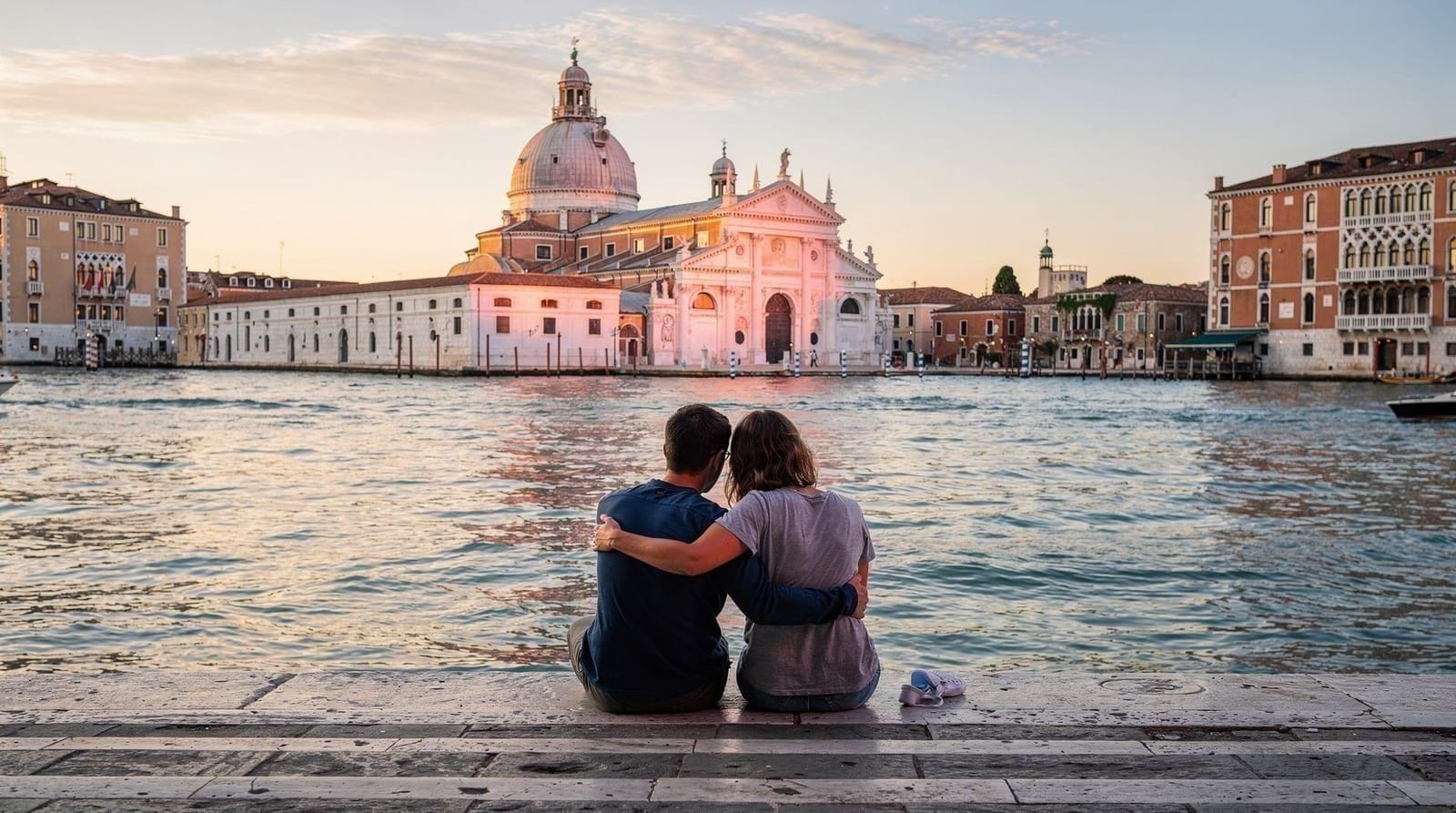
The Zattere embankment in Dorsoduro has a few spots where you can drink with a view across to the Giudecca island, which is a pleasant alternative to the northern fondamente.
The spritz in Padua and Verona
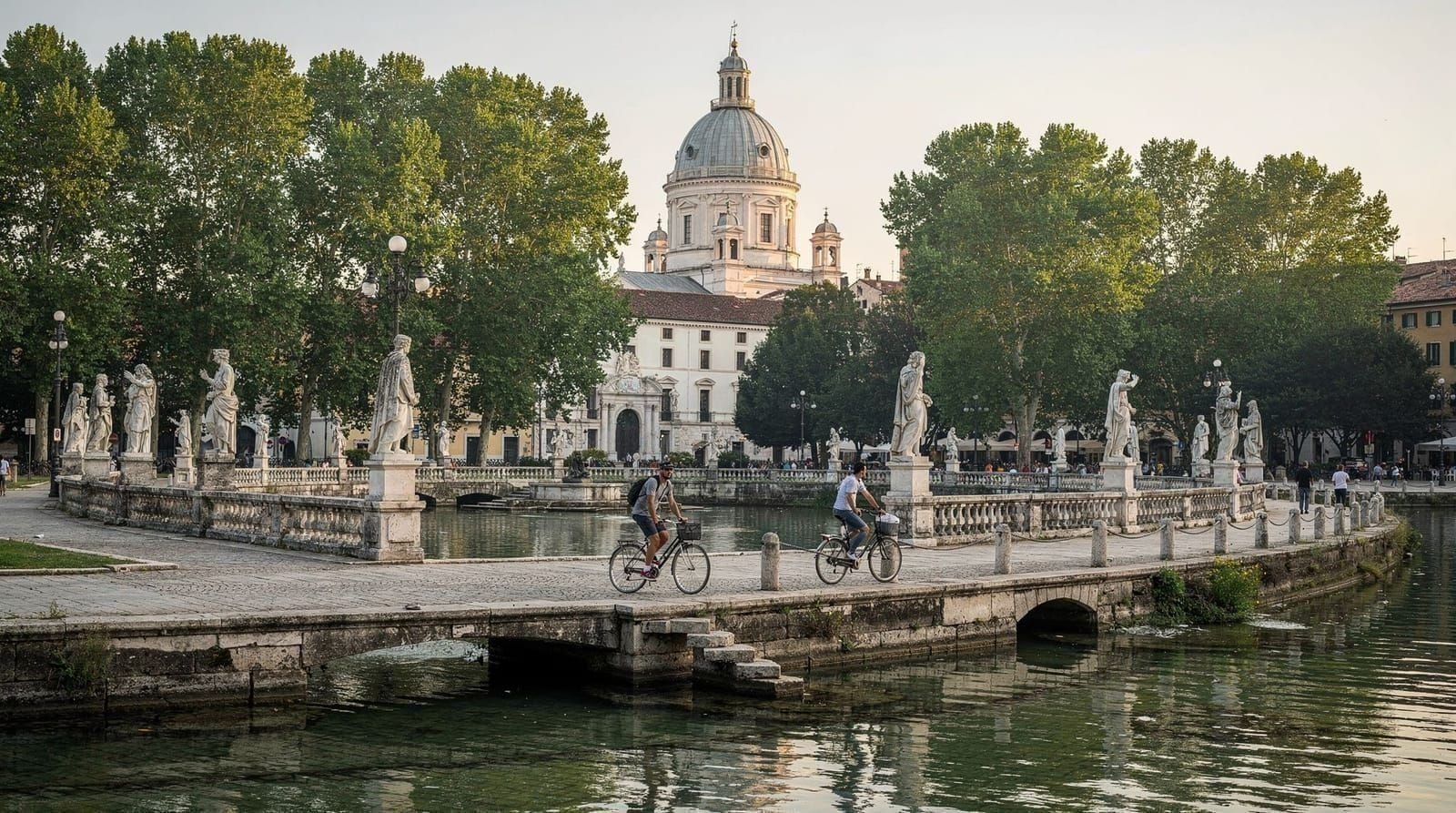
This is worth noting if you are doing day trips. The spritz culture extends throughout the Veneto — Padua in particular has a very strong aperitivo tradition centred on the Piazza delle Erbe and Piazza della Frutta, where half a dozen bars compete for the same crowd every evening. The drink is similar but the cicchetti are slightly different and there is more emphasis on actual meals alongside the aperitivo. The Padua day trip guide mentions this, as does our own Padua underrated post.
Verona has its own version again, influenced by local Valpolicella and Soave rather than Prosecco. The evening passeggiata around the Arena and the Piazza Bra is one of the best aperitivo atmospheres in northern Italy.
A word on Prosecco in the spritz
The correct Prosecco for a spritz is not the finest bottle on the menu. It is Prosecco DOC, typically from the hills around Valdobbiadene or Conegliano — dry, crisp, with enough bubble to keep the drink lively. Using a more expensive Prosecco Superiore or a Cartizze would be like using premier cru Burgundy in a glass of kir: technically possible, philosophically wrong.
The Prosecco hills guide covers the wine regions if you are interested in the source, and the Valdobbiadene-Prosecco destination page has context on visiting the area itself.
The cost reality
Part of what makes the spritz work as a social institution is that it is cheap. A spritz at a bacaro in Cannaregio or Dorsoduro costs €2.50-3.50 in 2026. The same drink at a hotel bar on the Riva degli Schiavoni costs €14-18. The quality difference is not commensurate with the price difference: the ingredients are identical, the technique is the same, and the view you are paying for at the hotel bar is available from many free locations along the waterfront.
The bacaro pricing model is part of a cultural logic: these bars exist to serve the neighbourhood, which means prices have to be accessible to residents on normal wages. The spritz, historically, was a drink for people who worked with their hands and wanted something sociable at the end of a shift. The expensive hotel version inverts this completely — it has become a status marker precisely because it replicates the cheap thing at a premium price.
Understanding this does not make the expensive version wrong; sometimes you want to sit at a beautiful table and pay for the experience. But it does mean that seeking out the cheaper version — the bacaro in the less touristed calli, the drink drunk standing — is not simply economising. It is engaging with the drink in the context where it means something.
How the cicchetti pairing works
The proper accompaniment to a spritz in Venice is not a snack bowl of nuts. It is cicchetti — and the cicchetti are specific and regional.
Baccalà mantecato is the foundational one: dried salt cod rehydrated and beaten with olive oil until it becomes a pale, creamy paste served on bread. The flavour is mild and slightly briny, with a texture that is nothing like fresh fish — it is its own thing, developed over centuries in a city that imported salt cod from Scandinavia because fresh fish were not always available. A good baccalà mantecato is one of the definitive flavours of Venice.
Sardine in saor — sardines in a sweet-sour preparation with onions, pine nuts, and raisins — is the second canonical cicchetto. The saor technique is medieval and was originally a preservation method; the vinegar and onion kept the fish edible for days. The flavour is agrodolce (sweet-sour) in a specifically Venetian way that you will not find elsewhere in Italy.
Polpette — small fried meatballs, typically made with a mixture of meat and whatever the cook has available — are less refined but very satisfying. A plate of polpette and a spritz is as much lunch as most Venetians take at midday.
The food tour guide covers cicchetti and the bacaro circuit comprehensively; the Rialto market guide explains where the ingredients come from.
When the spritz becomes a cliché
It has, of course, become a global brand. Aperol’s international marketing campaigns have turned the spritz into a thing people order in airport bars in cities that have no relationship with the Veneto whatsoever. This has made some Venetians mildly defensive about it, and you will occasionally hear a local insist that a proper spritz uses Select, or Campari, or anything but Aperol, as a way of distinguishing the original from the export version.
I take a more relaxed view. The Aperol spritz is a good drink. It is refreshing in the heat, low in alcohol relative to most cocktails, and its bitterness is genuine rather than performed. The fact that it is drunk by tourists in Shoreditch does not change what it is in a bacaro on the Fondamenta degli Ormesini at 18h on a September evening, when the canal is going dark and someone at the next table is speaking Venetian dialect and the plate of cicchetti has just arrived.
That version remains local and specific and worth going to Venice to experience. Order a Select spritz if you want to signal fluency. Order an Aperol spritz if you prefer the taste. Either way, stand at the bar, eat the cicchetti, and do not look at your phone.
The three bitters compared
If you are choosing between the classic options for the first time, here is how they actually differ in the glass rather than in marketing copy.
| Bitter | Colour | Flavour | Who orders it |
|---|---|---|---|
| Aperol | Bright orange | Sweet, low-bitter, easy | First-timers, most tourists |
| Campari | Deep red | Sharp, more bitter, austere | Locals who find Aperol too sweet |
| Select | Pale orange-red | Herbal, complex, less sweet | Venetians signalling the “real” spritz |
None of the three is more correct than the others — they are simply different drinks wearing the same glass and the same soda top-up. Our spritz and aperitivo guide goes further into the recipe if you want to make one at home, and the Venetian wine bars guide covers the rooms where you should be drinking it.
Ordering it like a Venetian
A few habits separate a tourist order from a local one. You ask for “uno spritz” and let the barman choose the bitter unless you have a preference — Select is the unmarked default in many Cannaregio bacari. You do not ask for it in a tall glass with lots of ice; a proper spritz comes in a stout tumbler with two or three cubes, not a bucket of ice diluting the drink. You pay when you order, not when you leave, which is standard bacaro practice and moves the queue along. And you do not sit down unless there is a table free and nobody minds you occupying it for one drink — standing at the counter is not a lesser experience, it is the actual ritual.
Cicchetti and spritz crawl through the Jewish GhettoFAQ
What is the correct spritz ratio? The traditional formula is three parts Prosecco, two parts bitter (Aperol, Campari, or Select), and one part sparkling water, served over ice with an olive or an orange slice. Bars vary slightly, but this 3-2-1 ratio is what is taught in Venetian training.
Is Select more authentic than Aperol? Select is produced in Venice itself and has a stronger claim to local origin than Aperol, which comes from Padua. Neither is more “correct” — both are genuinely Venetian in different ways, and the honest answer is to try both and decide by taste.