The doge of Venice: power, ceremony, and the most unusual head of state in history
Venice: Doge's Palace, prison and secret passageways tour
What was the doge of Venice?
The doge (from Latin dux, leader) was the elected head of state of the Venetian Republic from 697 to 1797 AD. Unlike a king or duke, the doge was elected for life by a complex committee system designed to prevent any family from dominating the position. His powers were heavily constrained by councils and committees. He could not leave Venice without permission, receive foreign visitors alone, or accept gifts.
The most constrained head of state in European history
When Venetians elected a doge, they were not choosing a king. The word comes from the Latin dux (leader), but the role that evolved over eleven centuries bore little resemblance to other European forms of rulership. The doge was a constitutional figure hedged about with procedural constraints so elaborate that later historians have wondered how any real government was possible — yet Venice ran one of the most effective polities in medieval and early modern Europe for over a thousand years.
The contradictions are built into the role. The doge was the Republic’s supreme symbol: the figure who wore the distinctive corno ducale (the distinctive horn-shaped cap of office), who presided over the Great Council and the Senate, who received foreign ambassadors and signed treaties, who led the Sposalizio del Mare (Marriage to the Sea) ceremony each Ascension Day. He was enormously dignified and enormously circumscribed.
| First doge | Orso Ipato, 697 AD |
| Last doge | Ludovico Manin, abdicated 12 May 1797 |
| Total doges | 120 |
| Where to see it today | Doge’s Palace, Sala del Maggior Consiglio, Museo Correr |
| Best related visit | Doge’s Palace Secret Itineraries tour |
The evolution of ducal power
The earliest doges — from the traditional first appointment of Orso Ipato in 697 AD through the 9th century — had considerably more power than their later successors. The position had strong Byzantine influence: the first doges were closely tied to Constantinople, which still nominally controlled the Italian coast. Some tried to make the position hereditary; several were deposed, blinded, or exiled by councils that objected to dynastic ambitions.
The pattern is clear in retrospect: the Venetian patriciate was determined to prevent any single family from establishing the kind of hereditary monarchy that was the norm across Europe. Each time a doge accumulated too much power, the response was constitutional — a new constraint, a new committee, a new procedure. Over the 12th and 13th centuries, these accumulated into a system of extraordinary complexity.
By the 14th century, a new doge swore an oath (promissione ducale) that listed everything he could not do. He could not leave Venice without permission of the Senate. He could not receive foreign ambassadors alone. He could not read state correspondence without a council witness. He could not accept gifts worth more than a trivial sum. His personal income was meagre compared to the grandeur of his position. When he died, a special commission reviewed his decisions and could fine his heirs for any irregularities.
The doge could not even grieve in private: the death of a doge triggered an elaborate state ceremony, and the new election had to be completed within a prescribed period regardless of season or circumstance.
The election system: the most elaborate in history
The doge was chosen through a multi-stage process involving alternating rounds of lot and vote, designed specifically to make it impossible to campaign effectively. The full system, in its final form from the late 13th century, involved ten stages:
30 members of the Great Council (drawn by lot) → reduced to 9 by lot → they elected 40 → reduced to 12 by lot → they elected 25 → reduced to 9 by lot → they elected 45 → reduced to 11 by lot → they elected 41 → these 41 elected the doge.
The combination of lot and election served a specific purpose. Pure election would favour well-networked families who could coordinate behind a candidate. Pure lot would produce random results. The combination disrupted campaign strategies while ensuring that the final electors were drawn from those who had navigated the earlier stages — people with at least some demonstrated capability.
The system was used for all major Venetian elections, not just the doge. The election of the Procurators of St Mark, the avogadori (state prosecutors), and other senior officials involved similar procedures. Venice took seriously the idea that good governance required preventing manipulation.
Marin Falier: the doge who tried to become a tyrant
The most dramatic moment in ducal history came in 1355, when Doge Marin Falier attempted to overthrow the Republic and establish himself as a true autocrat. The plot — to use a popular uprising to kill the leading noble families on a single night — was discovered before it could be executed. Falier was arrested, tried by the Council of Ten, convicted of treason, and beheaded in the courtyard of the Doge’s Palace on April 17, 1355.
His reign had lasted barely a year. The trial and execution sent an unmistakable message: the constitutional constraints on ducal power were not merely procedural niceties. The Republic would kill its own head of state rather than allow them to be violated.
In the Hall of the Great Council (Sala del Maggior Consiglio) in the Doge’s Palace, the portraits of all 120 doges circle the room near the ceiling. Where Marin Falier’s portrait should hang, there is a black cloth with an inscription in Latin: Hic est locus Marini Faletro, decapitati pro criminibus — “Here is the place of Marin Falier, beheaded for his crimes.”
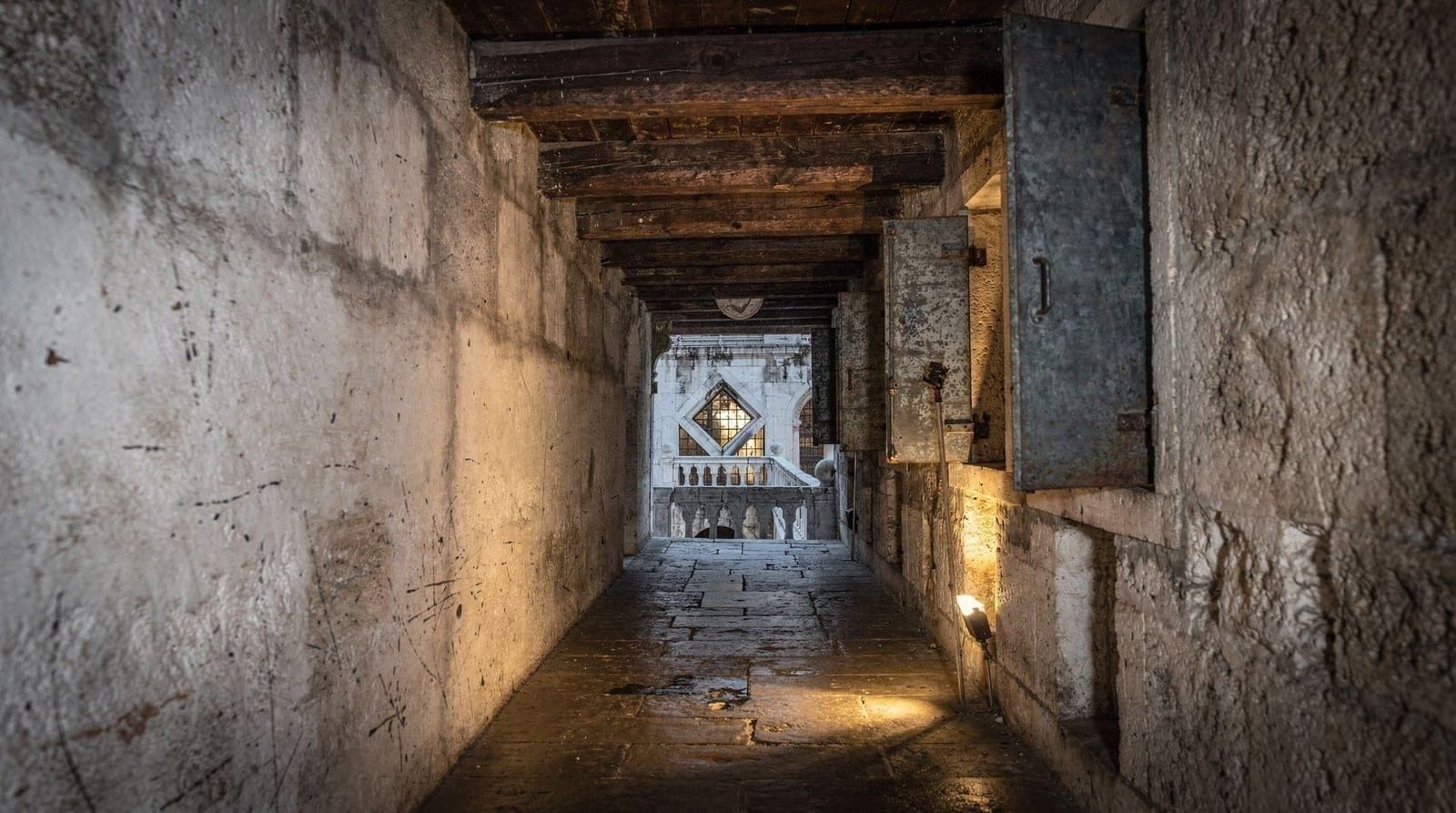
The Doge’s Palace secret passageways tour takes you through the hidden corridors, torture chambers, and prison cells that were physically adjacent to the Council halls — a reminder of how close the Republic’s administrative power was to its coercive capacity.
The corno ducale: the symbol of office
The doge’s distinctive headgear — the corno ducale — is the most recognisable marker of the office in the visual record. A rigid cap shaped roughly like a horn (though more like a Phrygian cap than a literal horn), worn over a white camauro (skull cap) and covered with a jewelled balzo. The ensemble was reserved exclusively for the doge; no one else in Venice could wear it.
The corno appears in hundreds of official portraits, most of which hang in the Doge’s Palace itself. Giovanni Bellini’s portrait of Doge Leonardo Loredan (1501–1502, now in the National Gallery in London) is the most famous — a model of Renaissance portraiture that captures both the dignity and the slightly impersonal quality that the constitutional system required of its figurehead.
The last doge: Ludovico Manin
The 120th and last doge of Venice, Ludovico Manin, was elected in 1789 — three years before the French Revolution would bring Napoleon to power, eight years before he would appear outside Venice’s defences with his army. When that moment came, in May 1797, Manin reportedly said that the night before the vote to dissolve the Great Council, he knew that the Republic was finished. He reportedly removed his corno and gave it to his servant, saying he would not be needing it again.
The Republic dissolved itself on May 12, 1797. Manin was the last elected head of a government that had lasted over 1,100 years. He lived until 1802, quietly, under French and then Austrian rule. He was buried without state ceremony in the church of the Scalzi near the train station.
His corno is preserved in the Museo Correr in Piazza San Marco — a small, slightly anticlimactic object that represents the end of a thousand years of Venetian self-governance. The Correr Museum guide explains what the collection contains and how to visit.
The Council of Ten: the doge’s most powerful counterbalance
The Council of Ten was established in 1310 following an attempted coup (the Tiepolo-Querini conspiracy, which predated Falier by four decades) and became the most feared institution of the Venetian state. It was a security council, with jurisdiction over crimes against the state: treason, heresy, the private conduct of patricians, and anything that threatened the Republic’s stability.
The Ten had the power to arrest, try, and execute without normal judicial procedures. Their proceedings were secret. Their decisions could not be appealed. The famous bocche di leone — the lion-headed letter slots built into walls throughout Venice — were the mechanisms by which citizens could anonymously denounce their neighbours to the Council of Ten, and they still exist throughout the city.
The relationship between the doge and the Council of Ten was one of mutual constraint: the Council could investigate and punish the doge if necessary (as it did with Falier), while the doge presided over the Council’s proceedings and his presence legitimised its actions. By the 16th century, the Ten had become so powerful that the Senate and the Great Council moved to limit its authority — an unusual reversal in which the body designed to prevent institutional capture itself required restraint.
Women and the ducal household
The doge’s wife bore the title dogaressa and was expected to maintain a formal public presence commensurate with the dignity of the office. The dogaressa held her own court, presided over certain civic ceremonies, and was expected to embody the Republic’s values of modesty, piety, and generosity.
In practice, the position was demanding and unpopular. The dogaressa could not leave Venice without the same permissions that constrained the doge. She was obligated to be present at state ceremonies regardless of health or preference. Her correspondence was monitored. Several women who married doges in the later period reportedly expressed active reluctance to assume the role.
The most famous dogaressa in Venice’s history is Caterina Cornaro, though she occupied a different position: she was Queen of Cyprus, whose husband’s death left her ruling the kingdom. Venice eventually pressured her to abdicate and transfer Cyprus to the Republic in exchange for a stipend and the lordship of Asolo. Her abdication in 1489 was staged as a voluntary gift to Venice and is commemorated in Venetian art and pageant as an act of patriotic sacrifice — which it emphatically was not.
Visiting the Doge’s Palace today
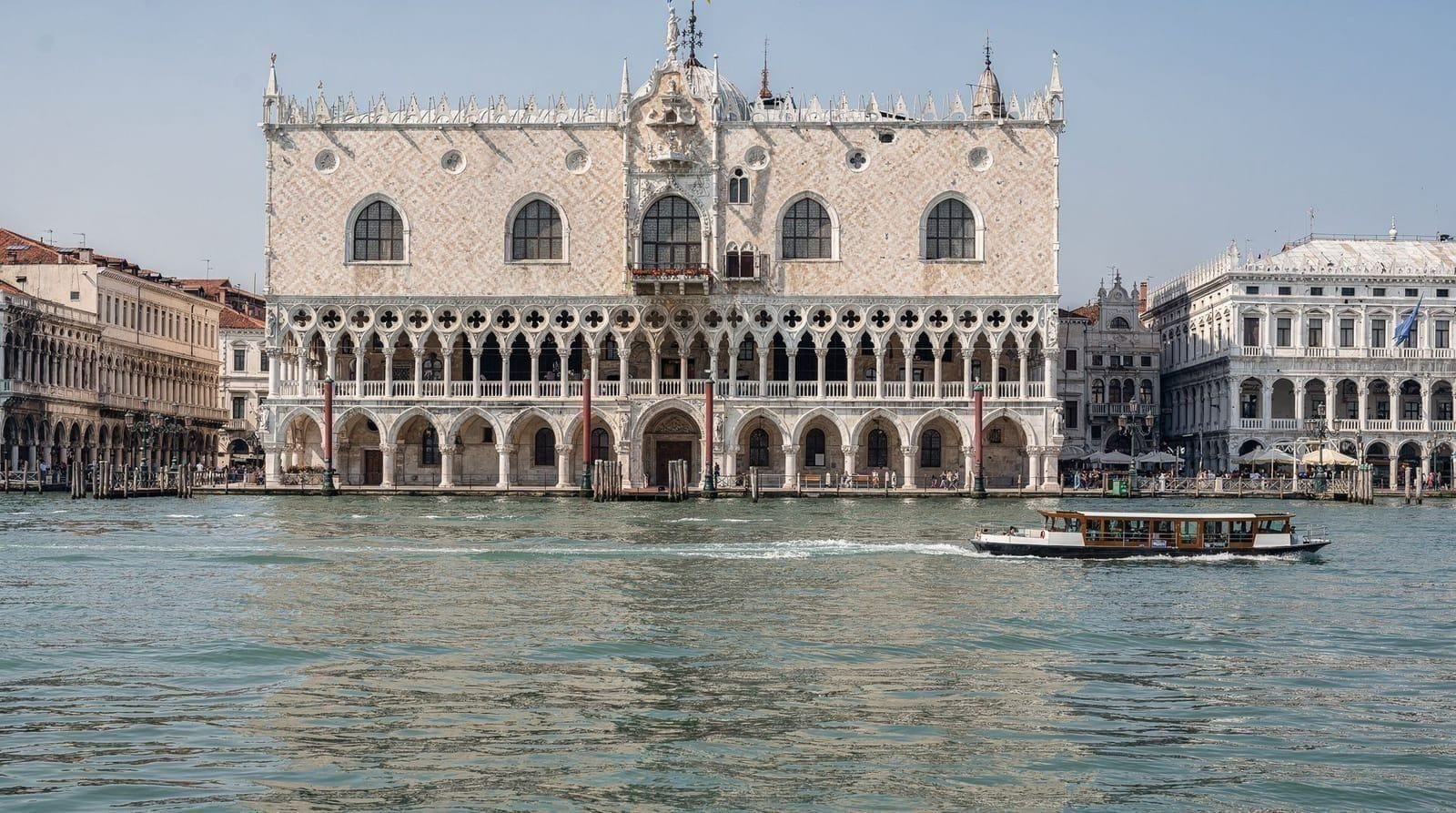
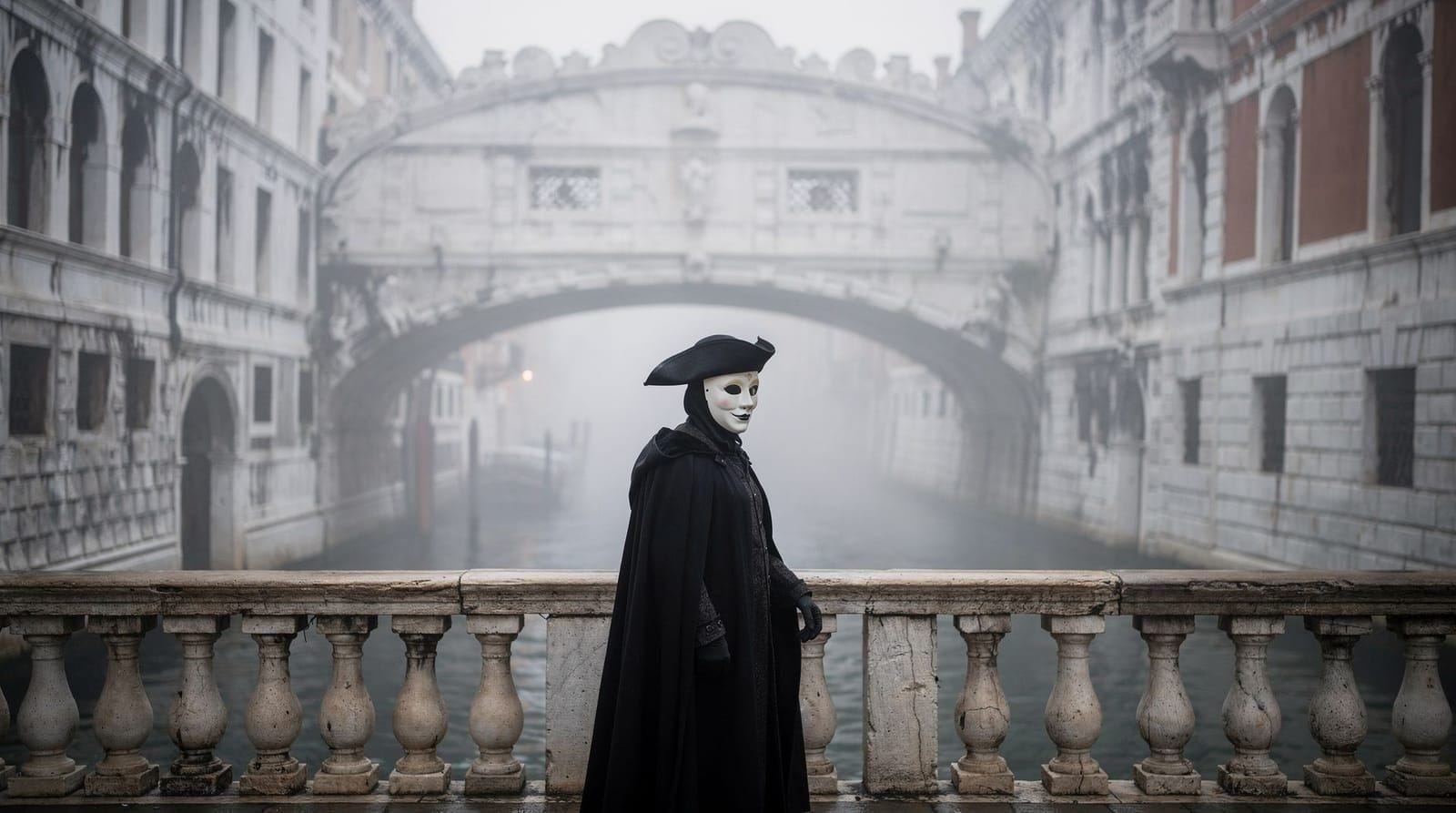
The Palazzo Ducale — the physical centre of the Republic’s political life — is the most visited museum in Venice. The standard visit covers the doge’s private apartments, the Council chambers, and the state rooms, and includes the Bridge of Sighs and the prison. The Secret Itineraries tour accesses areas closed to standard visitors: the piombi (the lead-roofed prison cells from which Casanova famously escaped), the torture chambers, the inquisitors’ rooms, and the hidden corridors that connected the political machinery to the coercive apparatus underneath.
The Hall of the Great Council (Sala del Maggior Consiglio) — where up to 1,700 members of the Venetian patriciate voted on the laws and elections of the Republic — is the single most impressive room in Venice. The ceiling paintings are Veronese and Tintoretto. The walls carry the portraits of all 120 doges (including the covered space for Falier). Tintoretto’s Paradise, at 22 by 7 metres, is the largest oil painting on canvas in the world.
See the Doge’s Palace guide for a full breakdown of what each room contains and how long to allow.
Four doges worth knowing before you visit
With 120 doges across 1,100 years, most visitors benefit from a shortlist rather than the full sequence. These four give the clearest sense of the office’s range:
| Doge | Reign | Why he matters |
|---|---|---|
| Orso Ipato | 697–737 (traditional) | The first doge, tied closely to Byzantine Constantinople |
| Enrico Dandolo | 1192–1205 | Blind, in his 80s, led the Fourth Crusade’s diversion to Constantinople |
| Marin Falier | 1354–1355 | Attempted to seize absolute power; beheaded for treason |
| Ludovico Manin | 1789–1797 | The last doge; presided over the Republic’s dissolution |
Their portraits, regalia, and — for Falier — the deliberate absence of a portrait are all visible in the Doge’s Palace and the Correr Museum today.
Where doge-era history is visible around Venice today
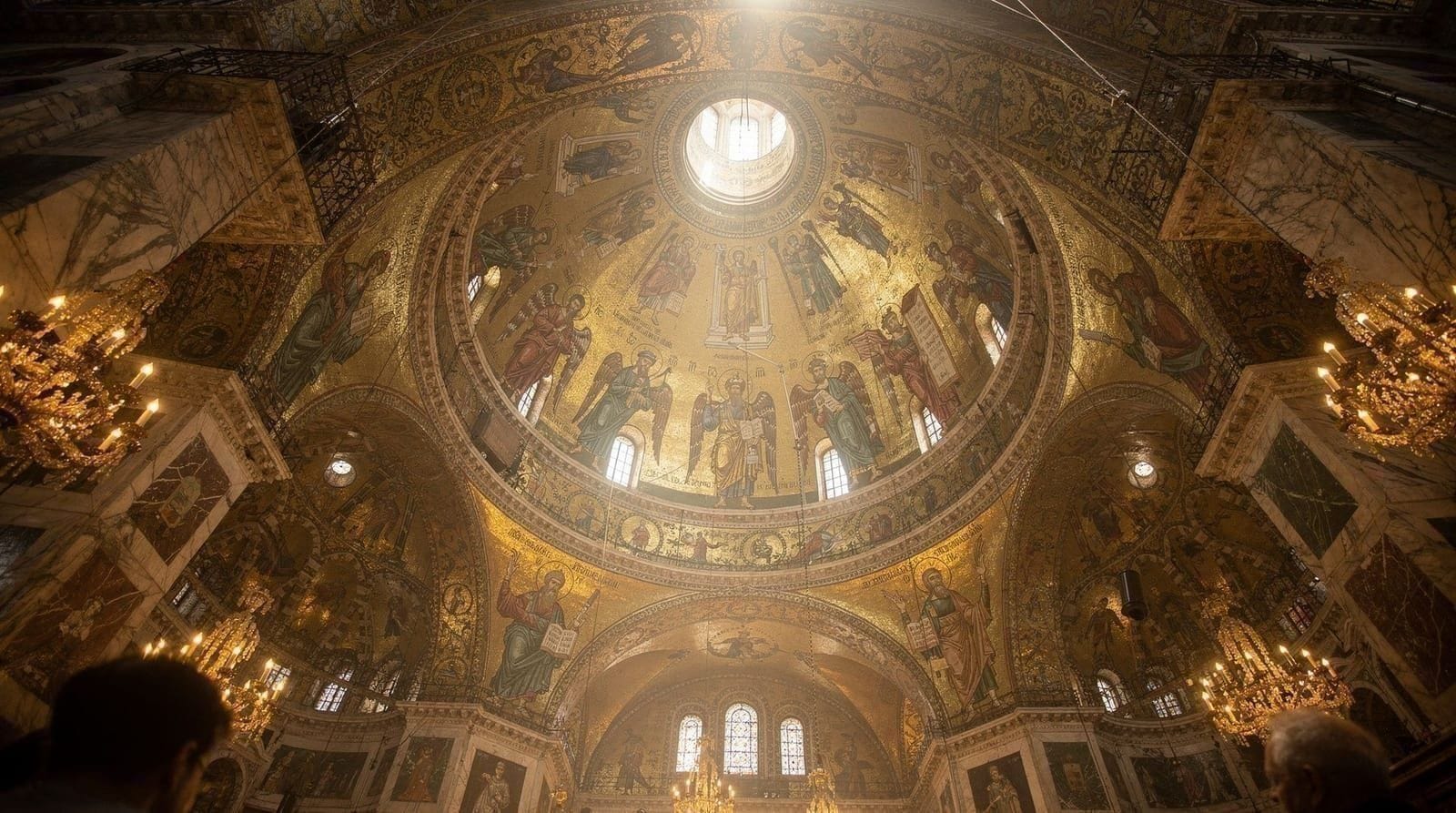
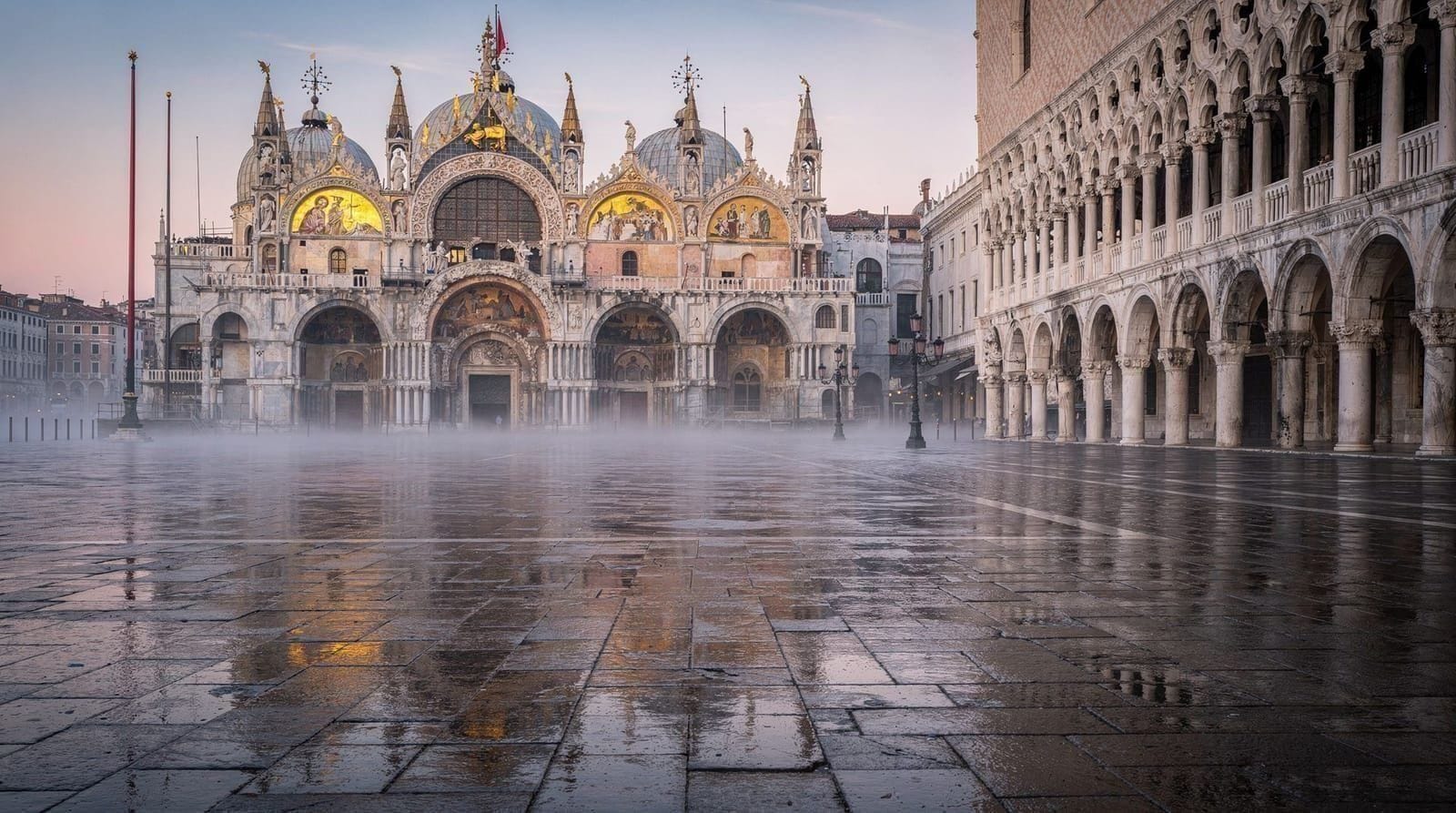
The office’s traces extend well beyond the palace itself. St Mark’s Basilica, the doge’s private chapel rather than Venice’s cathedral in the medieval period, is where each new doge was formally presented to the people — the St Mark’s Basilica guide covers the building’s role in ducal ceremony alongside its Byzantine mosaics. St Mark’s Square, the Republic’s civic and ceremonial heart, hosted the Sposalizio del Mare departure each Ascension Day — see the St Mark’s Square guide for the wider context of the space the doge moved through in public.
Venice’s churches carry ducal history too: several Venice churches hold doge tombs and commissioned artworks funded by ducal families, a theme the Venice churches guide explores across the city’s parishes. For the broader arc connecting all of this — Byzantine origins, the Republic’s rise, its trading empire, and its fall — the Venice history overview is the wider frame this guide sits inside.
Frequently asked questions about the doge of Venice
How was the doge of Venice elected?
Through one of the most elaborate election procedures in history, involving ten alternating rounds of lot and vote. The final result was chosen by 41 electors who had survived the previous stages. The system was designed to prevent campaigning and family manipulation.
How many doges did Venice have?
Venice had 120 doges from the first (697 AD) to the last (resigned 1797). Some reigned for decades; others for months.
Could the doge of Venice be removed from office?
Yes. Three early doges were deposed and mutilated. Marin Falier was beheaded in 1355 for treason. The constitutional constraints on ducal power were largely self-enforcing in the later period.
What is the Doge’s Palace in Venice?
The Palazzo Ducale in Piazza San Marco was the centre of Venetian political life — simultaneously the doge’s residence, council chambers, judiciary, and state prison. The building dates largely from the 14th and 15th centuries.
Where can I learn more about the doges in Venice?
The Doge’s Palace is the primary site, with portraits of all 120 doges in the Great Council Chamber. The Museo Correr has historical collections covering the Republic’s political life.
Did the doge live in the Doge’s Palace?
Yes — the palace combined the doge’s private apartments, the Republic’s council chambers, the judiciary, and the state prison in a single building. The doge could not simply retire to a private residence elsewhere in the city; his life and the machinery of state were physically intertwined, which is part of what made the constitutional constraints on his behaviour enforceable.
Was the doge more like a king or a president?
Closer to a constitutionally limited president than a king, though the comparison is imperfect since no modern equivalent quite matches it. The doge was elected for life (unlike most presidents) through an extraordinarily convoluted process, could not pass the office to his children, and operated under councils that actively monitored and could punish him — closer in spirit to a tightly checked executive than a hereditary monarch.
Top experiences
Bookable activities with verified prices and instant confirmation on GetYourGuide.