Cooking class in Venice: pasta, tiramisu, and what to expect
Venice: pasta and tiramisu cooking class with wine
Are cooking classes in Venice worth it?
Yes, if you choose well. The best classes teach genuine Venetian techniques — pasta rolling, tiramisu assembly, or seafood risotto — in a home kitchen or professional setting, with a small group and a knowledgeable host. Budget €60–€120 per person. Avoid any class that is primarily a restaurant with a demonstration tacked on.
What makes Venetian cooking different
Venetian cuisine is shaped by two things above all else: the sea and the trading routes. For a thousand years, Venice was the commercial gateway between Europe and the East. Spices, dried fruits, rice, and techniques arrived from Persia, the Levant, and the Byzantine Empire before spreading westward. Meanwhile, the lagoon provided a larder of extraordinary richness: moleche (soft-shell crabs), sarde in saor (marinated sardines), moeche (another name for the same soft-shell crab — local dialects vary), granseola (spider crab), and cuttlefish in their own ink.
A cooking class in Venice, done well, gives you a direct entry point into this culinary tradition. You learn techniques rather than recipes — and techniques are transferable. Once you understand how to roll pasta dough to the right thickness, or why tiramisu needs to set for at least four hours, you can reproduce the dish at home with any equipment.
| Cost | €60–120/person; private lessons from €150 |
| Length | 2.5–3.5 hours; 4–5 hours with a Rialto market visit |
| Group size | Best at 6–12 participants |
| Includes | Usually Veneto wine (Prosecco or Soave) |
| Booking | Advance recommended, especially in peak season |
The main types of cooking class in Venice
Pasta and tiramisu classes
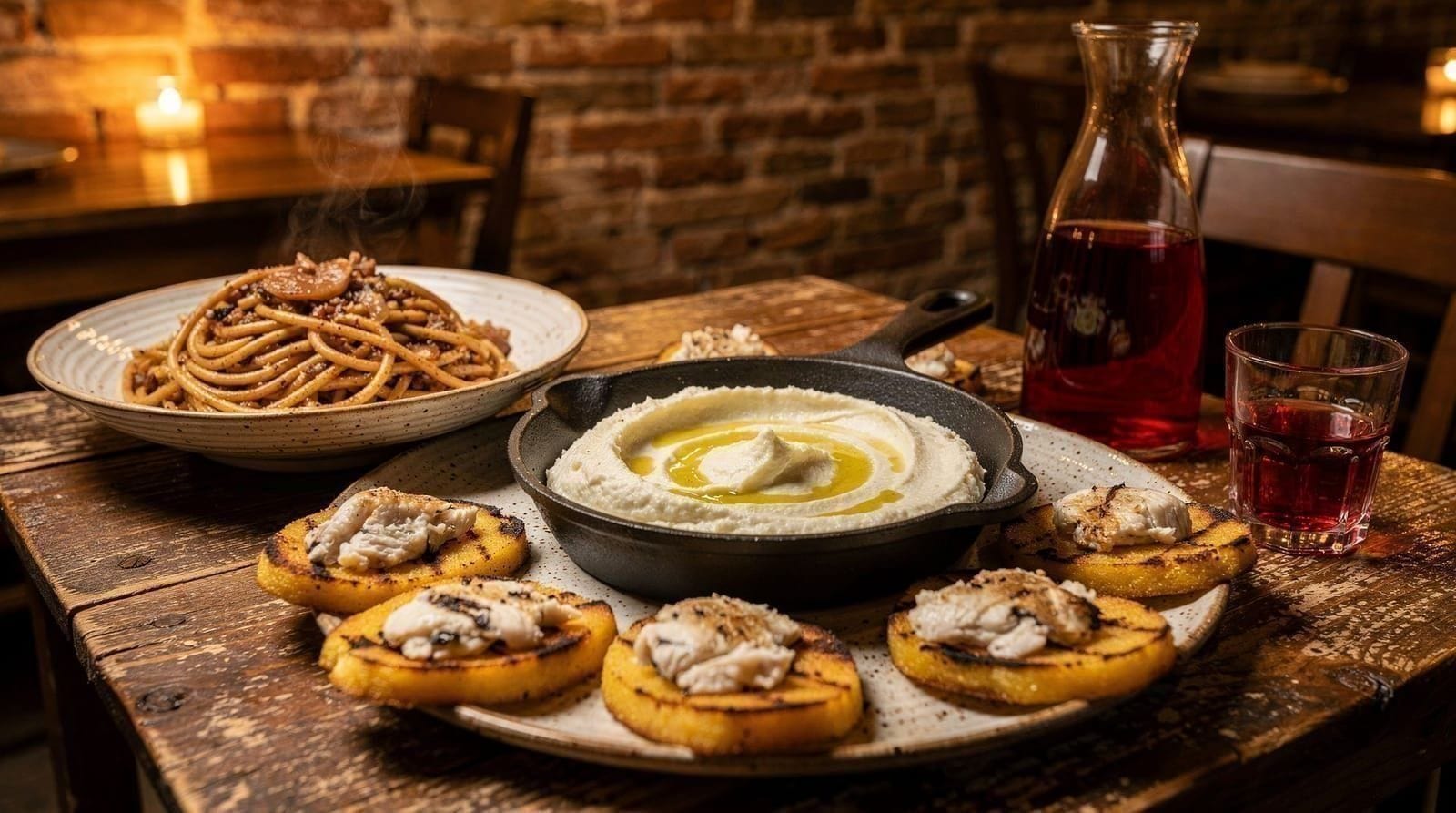
The most common format. You make fresh pasta from scratch — typically tagliatelle or bigoli, the thick Venetian wholegrain pasta — and assemble a classic tiramisu. These classes are well-suited to all skill levels because the techniques are fundamental and satisfying to learn.
The pasta and tiramisu cooking class with wine covers both dishes in a friendly group setting with Venetian wines included. Sessions run roughly 2.5–3 hours and end with a meal. This is one of the most consistently reviewed cooking experiences in Venice.
If you prefer a more intimate setting, the pasta and tiramisu cooking class at a local’s home takes place in a small apartment kitchen with a maximum of 6–8 participants. The informal atmosphere tends to generate more genuine conversation and a more personal teaching style.
The format changes the evening more than the menu does: a cooking class and meal at a local’s home takes place in a flat rather than a school kitchen, and ends with everyone eating what they cooked at the same table.
Rialto market cooking class
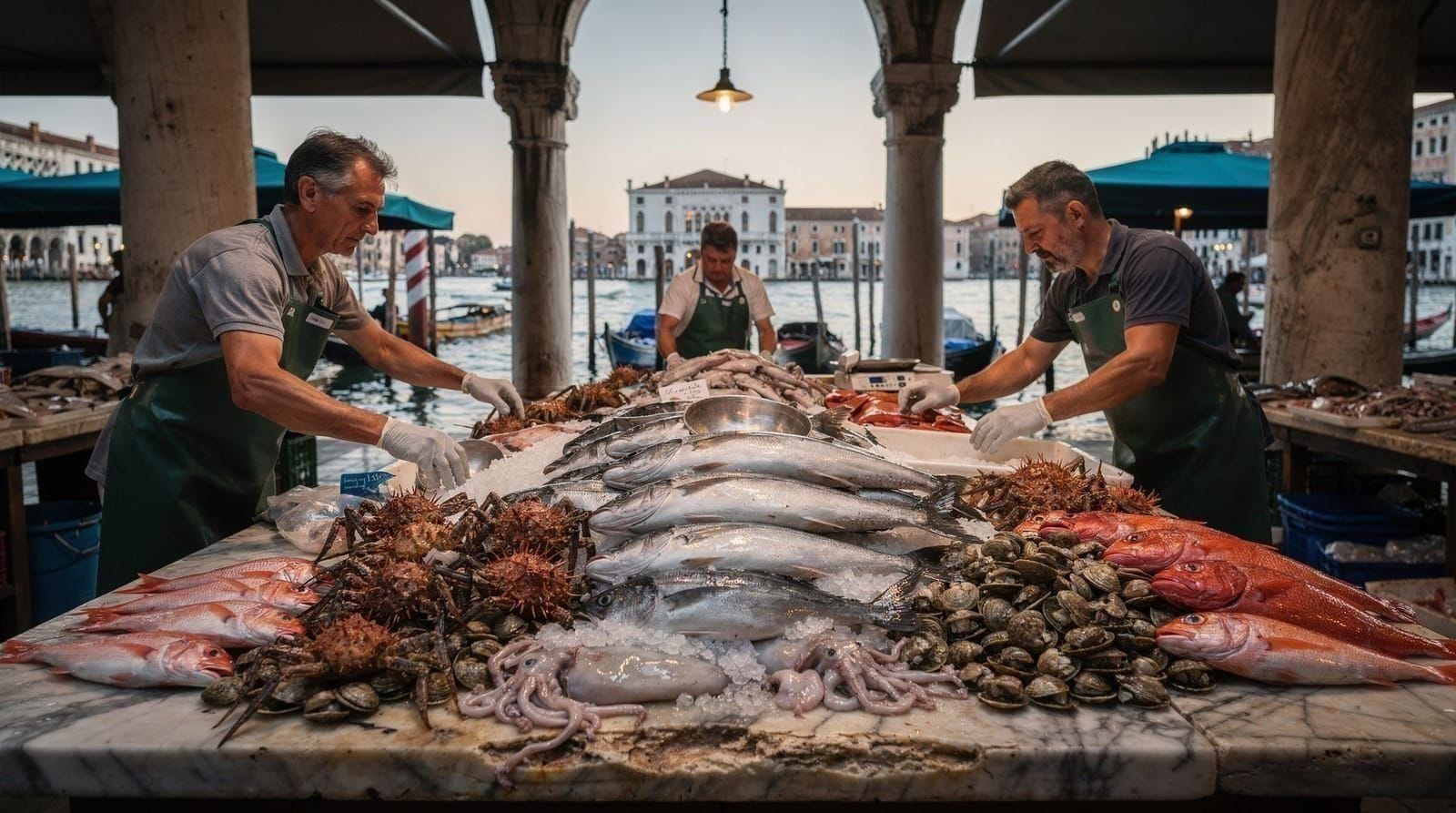
The best cooking classes in Venice start before the kitchen, at the Rialto market. Open every morning except Sunday, the Rialto fish market (pescheria) has operated on the same site since 1097 — one of the oldest continuously operating food markets in Europe. A guide walks you through the stalls, explaining what to look for in the day’s catch, and the selections you make in the market shape what you cook.
The Rialto market tour with cooking class and lunch is the most complete format: a market visit followed by a hands-on cooking session and a shared lunch. It runs 4–5 hours total. If you are serious about Venetian food, this is the format to choose.
The story of tiramisu — and why it matters which version you learn
Tiramisu is now made everywhere from Tokyo to São Paulo, but its origins are firmly in the Veneto. The most credible attribution places its invention at Le Beccherie, a restaurant in Treviso, in the late 1960s. The pastry chef Roberto Linguanotto and the owner’s wife Ada Campeol are generally credited with the recipe.
The original recipe uses six egg yolks whisked with sugar and mascarpone, ladyfinger biscuits (savoiardi) soaked in strong espresso, and a dusting of bitter cocoa. Some versions include marsala wine or rum. The critical variable is the setting time: a proper tiramisu needs at least four hours in the refrigerator, ideally overnight, so the mascarpone cream firms and the biscuit layer softens to the right texture.
What you will encounter in most Venice restaurants is a perfectly acceptable tiramisu, but you will have no idea of its provenance or whether it was made that morning or three days ago. Learning to make it yourself is the better education — and you will be making it again at home for the rest of your life.
What is bigoli — and should you learn to make it?
Bigoli is the traditional Venetian pasta: a thick, roughly extruded strand made from buckwheat or wholegrain flour, which gives it a slightly gritty, porous texture that holds sauce better than smooth dried pasta. The classic preparation is bigoli in salsa — bigoli with anchovy and onion sauce, one of the simplest and most intensely flavoured dishes in the Venetian repertoire.
Making bigoli at home requires a bigolaro, a traditional press that is not easy to find outside Italy. Most cooking classes teach regular tagliatelle instead, which is more broadly applicable. But if you encounter a class that specifically teaches bigoli, it is worth choosing for the specificity of the cultural education.
Venetian risotto: why it is different from what you know
Risotto is a northern Italian staple and Venice has its own version: made with Vialone Nano rice (a shorter, more starchy variety grown in the Veneto) and finished with a looser consistency than Milanese risotto — the Venetian version is all’onda (wave-like), meaning it should spread gently on the plate rather than mounding. The difference in texture requires different cooking technique: more liquid, more movement, and a different final consistency.
The classic Venetian risottos are: risotto di gò (with a specific lagoon fish, goby, that is intensely flavoured and not easy to find outside the Veneto), risotto al radicchio di Treviso, risotto de sépe (with cuttlefish in its ink — the black version), and risotto al Prosecco (a fragrant, slightly acidic version using local sparkling wine in the base).
Learning to make risotto in Venice — with Vialone Nano rice and the all’onda technique — is more specific and useful than learning a generic Italian risotto. The technique transfers to other risottos you will make at home; the Venetian version gives you a reference standard that generic cooking classes do not provide.
What to look for in a Venice cooking class
Small groups. The best experiences have 6–12 participants. Classes of 20 or more become demonstrations rather than teaching experiences.
A genuine kitchen. Home kitchens and small professional kitchen spaces are preferable to restaurant demonstration setups where you watch more than you do.
Hands-on from the start. The instructor should have you making pasta dough within the first 20 minutes, not watching a 45-minute introduction.
Wine that is actually from the Veneto. Any class that serves generic table wine is probably not paying much attention to the food either. Soave, Prosecco, or a local Pinot Grigio should be standard.
An instructor with cooking knowledge, not just a host. The best classes are taught by people who actually cook Venetian food — home cooks with family recipes, professional chefs, or trained culinary instructors. Ask before booking if you want to know the instructor’s background.
Pairing a cooking class with a food tour
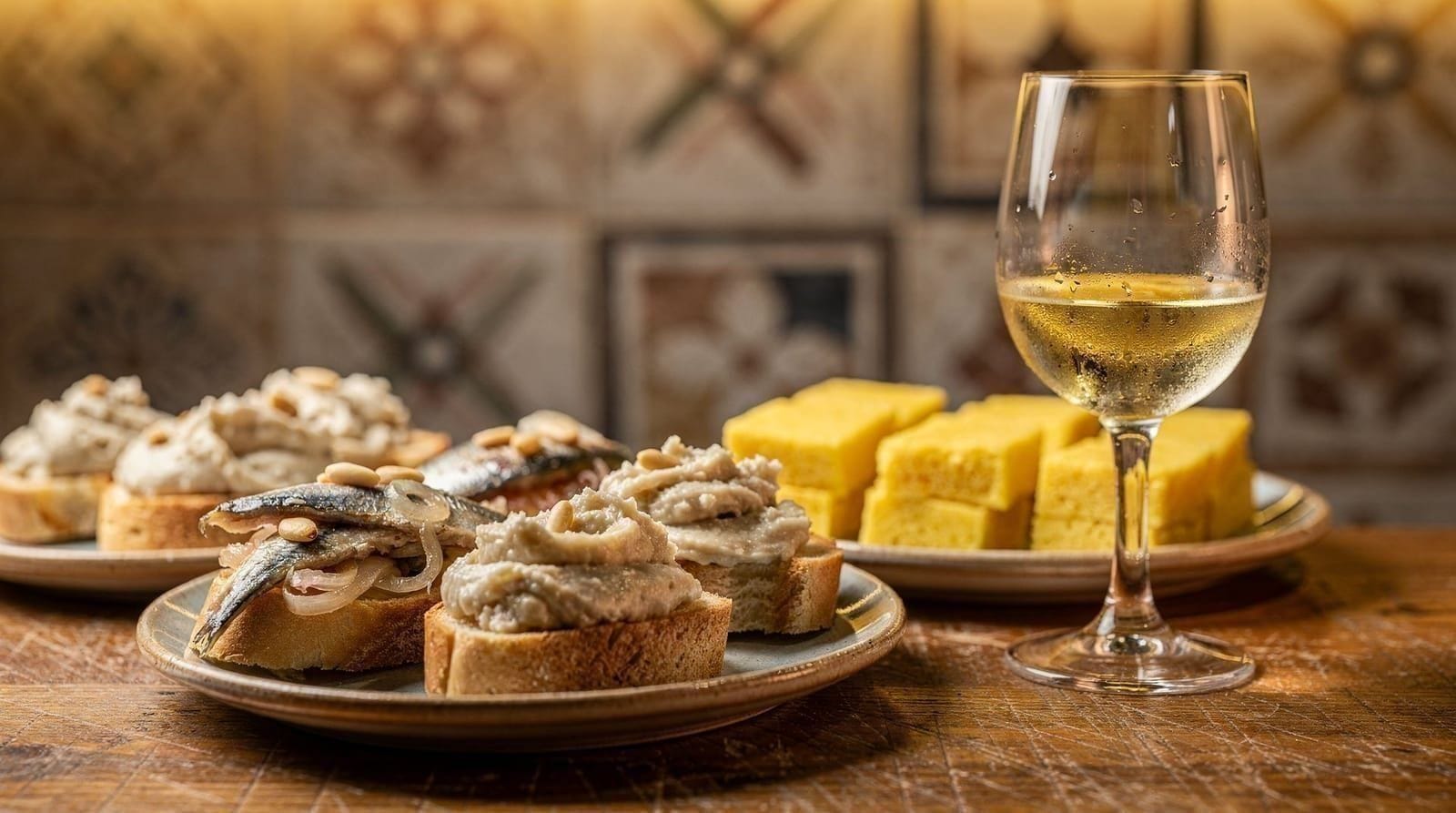
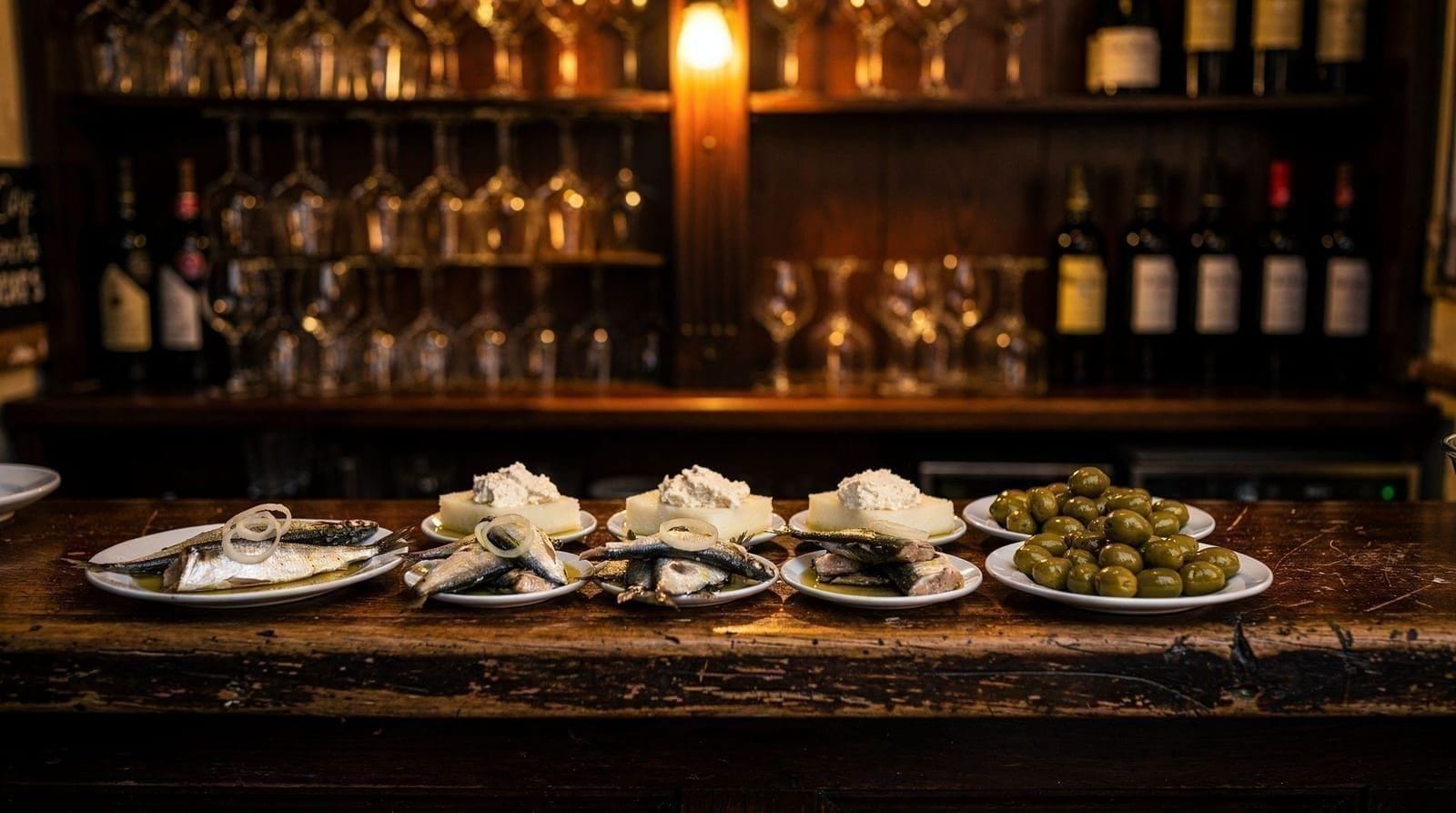
A cooking class and a bacaro crawl are complementary, not competing, activities. A Venice food tour introduces you to cicchetti (Venetian bar snacks) and the bacaro culture — the small wine bars that have served working-class Venice for centuries. A cooking class gives you the technical skills to reproduce what you eat.
Doing the food tour on your first evening in Venice and the cooking class midway through your stay is a logical structure. By the time you arrive in the kitchen, you have eaten the local dishes and have some frame of reference for what the end result should taste like.
See the cicchetti guide for how to eat like a local in the bacari, and the Rialto market guide for how to navigate the morning fish market.
Venetian ingredients worth learning about before your class
Understanding a few key ingredients transforms a cooking class from a technical exercise into a cultural experience.
Nero di seppia (cuttlefish ink): Used in risotto and pasta, this is one of Venice’s most distinctive flavours. The ink is not just a colouring agent — it has a mild, faintly briny flavour that intensifies the seafood quality of the dish. The classic bigoli in nero di seppia is one of the most Venetian things you can eat. Some cooking classes teach this dish as an alternative to the standard tiramisu-and-pasta combination; it is worth asking.
Branzino and orata: European sea bass and gilt-head bream are the most common whole fish in Venetian cooking. Both are found in the lagoon and the Adriatic. Cooking them properly — scaling, gutting, seasoning with olive oil and herbs, baking at high heat — is a skill worth learning that transfers directly to home cooking.
Radicchio Trevigiano: The elongated, bitter red radicchio specific to the Treviso area (distinct from the rounder Chioggia variety). It appears in risotto, grilled as a side dish, and combined with lardo or speck in the bacari. At its best October through February; by summer it is out of season and replaced by other varieties.
Moleche: The soft-shell crab of the Venetian lagoon, available only twice a year (spring and autumn) during the brief period when shore crabs shed their shells. They are dredged from the lagoon and used live — floured, egg-battered, and fried whole. If your cooking class coincides with moleche season, ask whether they can be included. This is a dish impossible to reproduce at home without access to the live crabs.
Prosecco and soave: The wines most associated with Venetian cooking are Prosecco (from the Treviso hills north of Venice — sparkling, light, dry) and Soave (a still white from the Verona area, slightly more substantial). Both pair well with lagoon fish and are used in cooking. Any cooking class that respects its context will pour one of these rather than a generic white table wine.
The social value of a cooking class
A cooking class in Venice does something that a restaurant visit cannot: it puts you in contact with a local in their kitchen, in a setting designed for conversation rather than commercial turnover. The best classes have a sociable, informal quality — wine pours freely, the instructor talks while you work, and the shared meal at the end feels like a dinner with friends rather than a commercial transaction.
For solo travellers, this is particularly valuable. A group cooking class of 6–10 people in Venice typically produces an afternoon of conversation with strangers from multiple countries, unified by the shared task of trying to roll pasta to 2mm thickness without tearing it. The social output is part of the product.
Seasonal note: winter is the best time for a cooking class
Venice in winter (November–March) has significantly fewer tourists and noticeably lower hotel prices. The cold weather also improves some of the produce: the lagoon fish are firmer and better-flavoured in cooler water, the local radicchio (Treviso radicchio, used in risottos) is at its peak from November onward, and the atmosphere of a warm kitchen on a grey winter day is its own reward.
The Venice in winter guide covers why the off-season is genuinely underrated for a culinary visit.
What to do after a cooking class: the bacaro circuit
A cooking class typically ends with a shared meal around 1:30–2:00 pm. The afternoon that follows is naturally suited to a bacaro crawl — visiting two or three traditional wine bars for cicchetti (small bar snacks) and a glass of Soave or Prosecco.
The bacaro culture in Venice operates on a different rhythm from restaurants. You stand at the bar, point at the cicchetti on the counter, eat them in two bites, and move on. A small glass of wine (un’ombra in Venetian) costs €1.50–€2.50. The quality at the best bacari — particularly those in Cannaregio and San Polo, away from San Marco — is genuinely excellent and inexpensive by Venice standards.
See the cicchetti guide for how to navigate the bacaro circuit, and the best bacari guide for specific recommendations in each neighbourhood.
Comparing the three formats
The right format depends on how much you want structure versus intimacy versus market context:
| Format | Group size | Length | Best for |
|---|---|---|---|
| Group class with wine | 8–12 | 2.5–3 hrs | First-timers, easy scheduling |
| Local’s home kitchen | 6–8 | 2.5–3 hrs | More conversation, informal teaching |
| Rialto market + cooking + lunch | 6–12 | 4–5 hrs | Serious food interest, full day out |
Where a cooking class fits with the rest of your food itinerary
A cooking class works best as one part of a broader food plan rather than a standalone activity. If you are also doing a cicchetti crawl, sequence the two so they do not overlap in content — a class already covers pasta and tiramisu, so an evening bacaro crawl afterward (see the cicchetti guide) is a genuinely different experience rather than a repeat of the same dishes.
For visitors staying in Cannaregio or Castello, factor in the walk or vaporetto time to reach a class based near the Rialto market — most of the market-based classes start early (9–9:30am) to catch the market at its best, so a class in San Polo means an earlier start than one closer to your accommodation. The Rialto market guide covers what the market looks like hour by hour if you want to time your own visit around a class.
If budget is a factor, weigh a cooking class against the cheap eats in Venice guide — a class at €60–90 costs roughly the same as four or five bacaro lunches, so it is worth treating as a deliberate splurge rather than a routine meal.
Frequently asked questions about cooking classes in Venice
What do you learn in a Venice cooking class?
Most classes cover fresh pasta-making (tagliatelle or bigoli), tiramisu, and sometimes a risotto or seppie al nero (cuttlefish in ink). A few offer a Rialto market tour before the cooking session.
How much does a cooking class cost in Venice?
Group classes with wine included typically run €60–€90 per person. Classes at a local home, with a smaller group, cost €80–€120. Private lessons start at €150. Classes that include a Rialto market tour cost €80–€130.
How long does a cooking class in Venice take?
Most classes run 2.5–3.5 hours, including eating what you cook. Classes that include a Rialto market visit run 4–5 hours in total.
Do cooking classes in Venice include wine?
Most do. Prosecco and local Veneto wines are typically included. If wine is important to you, check the specific description before booking.
Is tiramisu really from Venice?
Tiramisu was created in the Veneto region, most likely at Le Beccherie in Treviso in the 1960s. It is not a Venetian invention exactly, but it is unambiguously from this corner of Italy — and any decent Venetian cooking class should teach you the original version.
Can vegetarians join a Venice cooking class?
Yes. While Venetian cuisine is heavily seafood-based, most cooking classes can accommodate vegetarians. The pasta and tiramisu sessions are naturally vegetarian.
Should I do a cooking class before or after a cicchetti crawl?
Either order works, but doing the cooking class first gives you a reference point for what good baccalà mantecato, sarde in saor, and fresh pasta should taste like before you compare it against what a bacaro serves. If you do the cicchetti crawl first, you arrive at the class already knowing the flavours you are trying to reproduce.
Do Venice cooking classes suit solo travellers?
Yes, often especially well. Group classes of 6–12 naturally produce conversation among strangers working on the same task, and solo travellers frequently report the cooking class as one of the more social parts of their trip. A home-kitchen class in particular tends to have a warmer, more informal atmosphere for someone travelling alone.
Top experiences
Bookable activities with verified prices and instant confirmation on GetYourGuide.