Venice's access fee one year on: what actually changed
A fee nobody quite agrees about
The Contributo di Accesso launched in April 2024 and has now run through two full tourist seasons. €5 (book at least four days ahead), €10 (pay on the day), roughly sixty days per year when the fee applies, 8:30am to 4pm, everyone over 14 who doesn’t have a hotel booking. The first season collected about €2.4 million. The second season, 2025, expanded the number of access days and tightened enforcement slightly.
| Applies to | Day-trippers, on around 60 designated days |
| Cost | €5 booked ahead, €10 on the day |
| Hours | 8:30am–4pm |
| Overnight guests | Exempt, proof of accommodation needed |
| Under 14, residents, workers | Exempt |
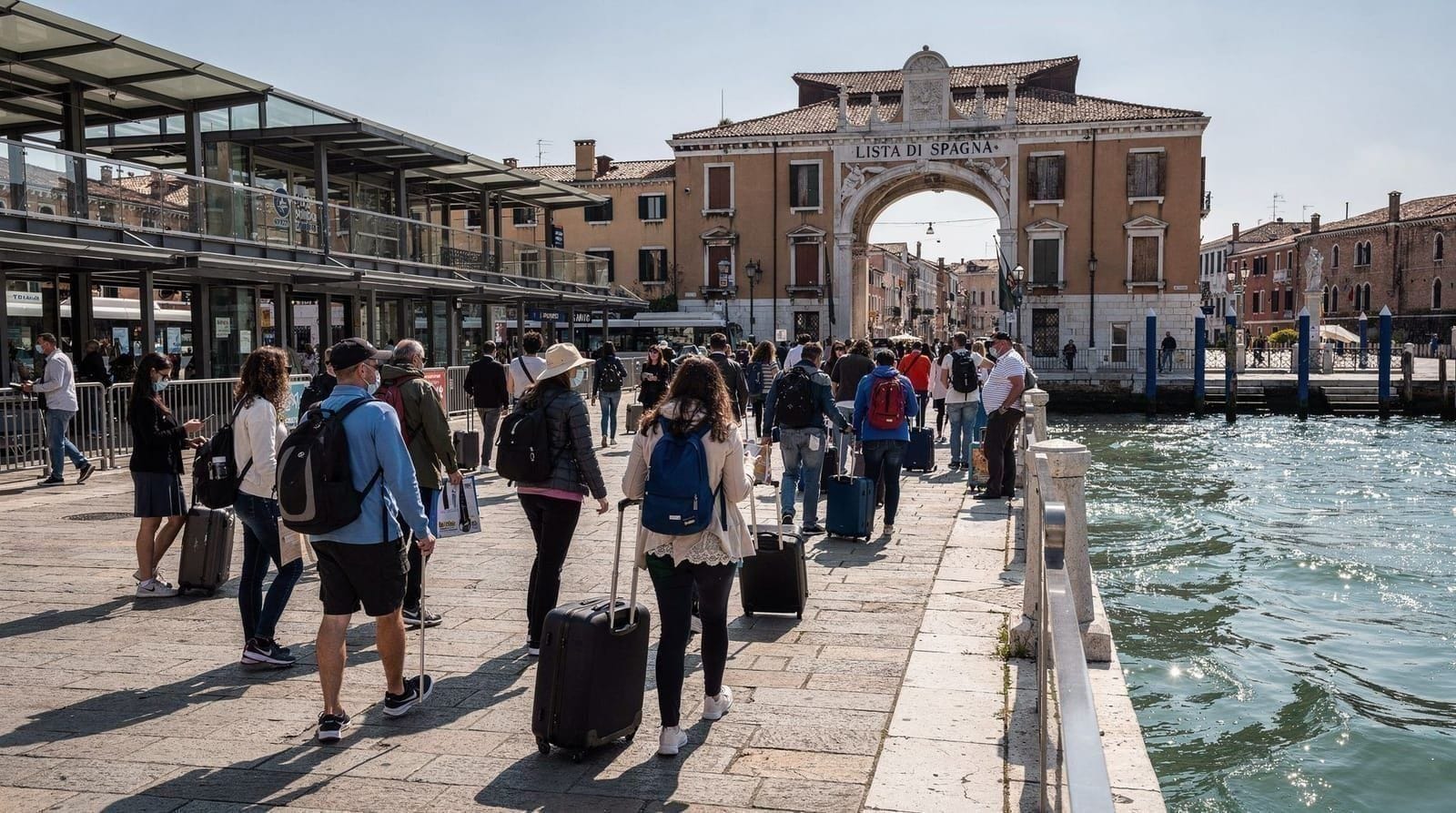
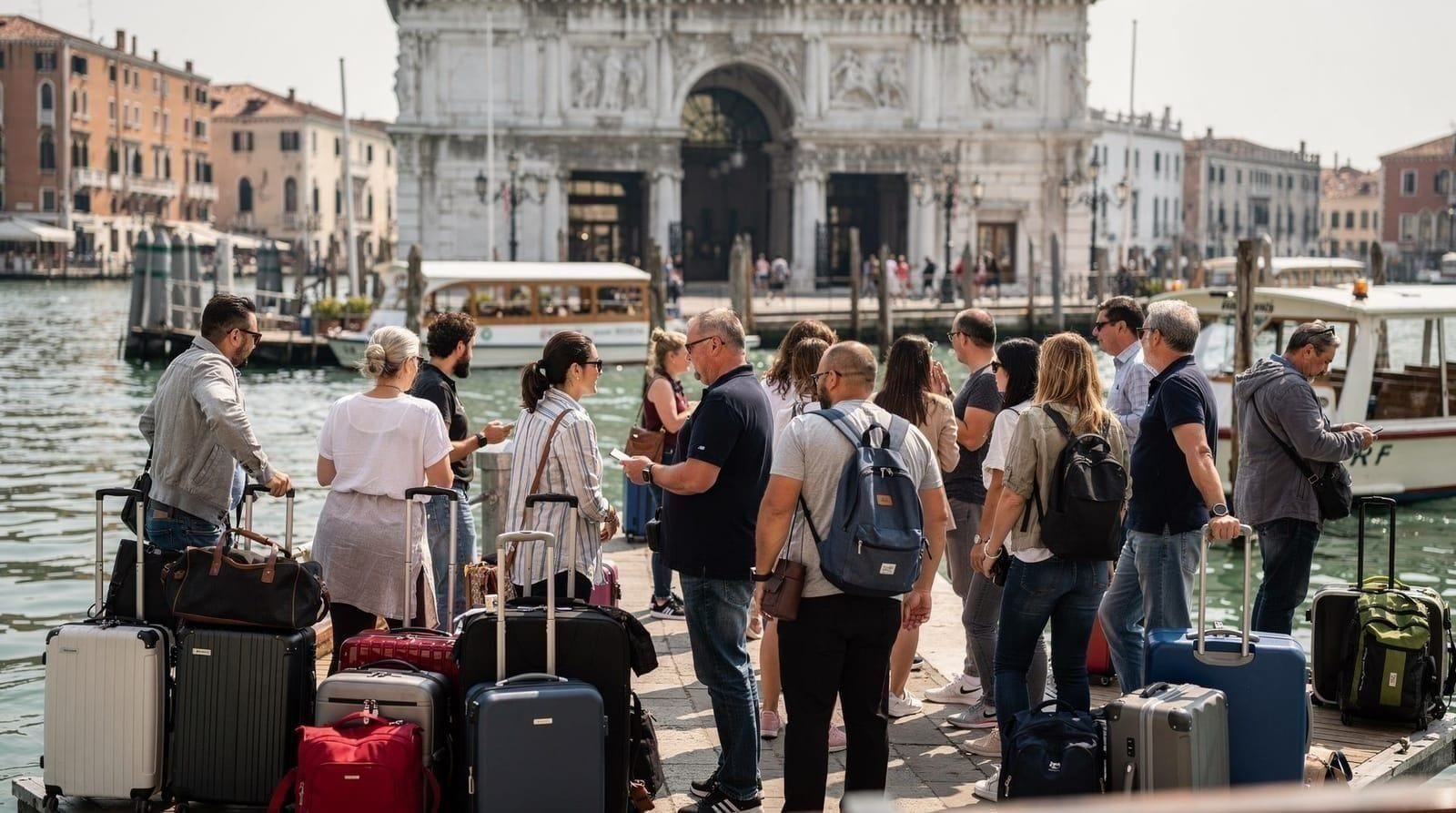
I paid it once, on a May Saturday that apparently qualified as a peak day. I was visiting for a long weekend, staying in a small hotel near Cannaregio, which actually exempted me — but I hadn’t connected those dots until I’d already purchased the QR code on venicevisitpass.com. The process took three minutes. Nobody scanned my code at the landing stage.
That lack of enforcement at point of entry is the central complaint from both sides. Day-trippers who know the system can simply not pay. Hotel guests who don’t know they’re exempt sometimes pay anyway. And the city’s inspection team is checking tickets sporadically rather than systematically — fines for non-compliance exist on paper at €50 to €300, but the chance of actually getting checked is currently low.
This enforcement gap is the feature, not the bug, in the view of some city officials: the fee functions as much as a message as a hard barrier. The city is signalling, particularly to nearby Italian visitors who historically treated Venice as a cheap day trip, that there is a cost to the visit. Whether €5 to €10 actually changes the decision to travel from Padua by train for the day is contested — the evidence from the first two seasons is mixed.
The international press coverage was disproportionate to the actual financial impact. A €5 charge is genuinely trivial in the context of a flight from London or New York. The controversy was more philosophical and symbolic than practical: the question of whether a public place should be commercially gated, even modestly, touches something deeper than the amount.
What the fee was supposed to do
The stated goal was never about money — or not primarily. The city wants to reduce pressure on the historic centre on the highest-volume days. A €5 charge on a Saturday in May wasn’t expected to deter anyone who’d flown in from Copenhagen or Tokyo and was already spending €200 on hotels. It was aimed at the day-tripper from nearby northern Italian cities for whom Venice is a cheap weekend excursion, and at the coach-tour operators pricing Venice as a two-hour stop.
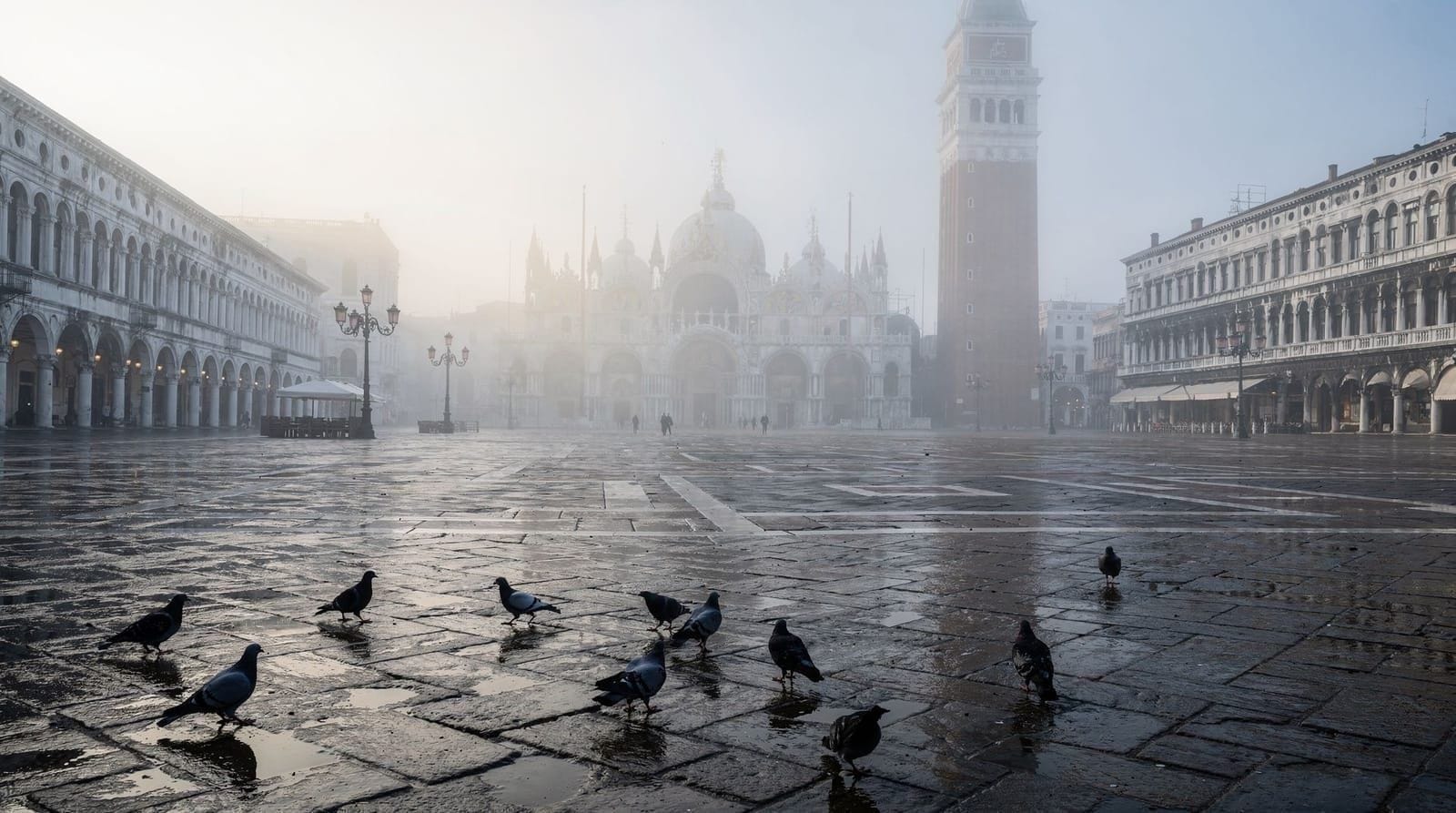
Whether it’s working on those terms is genuinely unclear. Some operators report modest reductions in group arrivals on access days. Others say the impact is invisible. The city counts visitors through mobile phone signal data and reports improvements in foot-traffic distribution — more people in Cannaregio and Dorsoduro rather than converging entirely on San Marco — but how much of that is fee-related versus general trend is hard to say.
What actually changed on the ground
I spoke informally with a few Venice-based contacts — a hostel owner in Santa Croce, a food-tour guide, and a woman who runs a small lace shop in Burano — and got three different assessments.
The hostel owner thinks the fee has made almost no difference to peak-day crowding but has created a lot of confused tourists at the landing stages who don’t understand why they need a QR code. She spends more time than before explaining the exemptions to overnight guests.
The food-tour guide, who works mostly in Cannaregio and the Rialto market area, says the mornings feel very slightly less pressured on designated fee days. “Maybe ten percent less manic,” he said, “which in August means it’s still manic.” He also notes that locals have noticed the tourist-tax receipts appearing in the budget discussions at the city council, which suggests at least some accountability.
The lace shop owner in Burano — where the access fee doesn’t apply, since the islands are a separate ticket zone — says her island feels busier than ever, possibly because the fee has nudged some visitors to slightly different patterns. “People are coming earlier in the morning to avoid the peak hours,” she told me. “Which means my coffee bar is full at eight o’clock in a way it never was before.”
The technology behind the fee
The QR code you purchase at venicevisitpass.com generates a digital ticket linked to your identity. At designated access points — primarily the main boat landing stages, the train station exit, and the road causeways — inspectors with scanners check tickets. The inspection is currently probabilistic rather than comprehensive: not every visitor is checked at every access point on every access day.
The city is building toward higher compliance rates, with a target of meaningful enforcement by 2027. The €50 to €300 fine for non-compliance exists on the books; the realistic current deterrent is the combination of the fine’s existence and the social argument that if you’re visiting a city, paying the small asked contribution is the decent thing to do.
Hotel guests need no ticket. They need only proof of accommodation if asked. The digital confirmation email from your hotel satisfies this requirement.
What it means for you in practice
The fee applies on designated high-pressure days in spring and summer. Dates for 2026 are published on the venicevisitpass.com website, typically around March. In 2025, access days ran from early April through late July on weekends and Italian public holidays.
If you’re staying overnight in Venice (hotel, B&B, apartment with a registered host), you are exempt — no payment needed. You’ll need to show proof of accommodation at the access point if asked.
If you’re a day-tripper arriving between 8:30am and 4pm on an access day, you pay €5 in advance or €10 on the day.
If you’re arriving by cruise ship, the access point is at the cruise terminal exit. The fee is separate from any charges collected by the cruise operator.
Children under 14 are free. People with disabilities and their carers are free. Venice residents, workers, and students are free. There are about a dozen exemption categories.
The venice-tourist-tax guide covers the hotel tax (tassa di soggiorno) separately — that’s a different charge per person per night that every overnight guest pays regardless of the access fee.
What the revenue is actually being used for
The €2.4 million from the first season sounds significant until you consider Venice’s total tourism infrastructure cost. The city’s annual budget for maintaining the historic centre runs to hundreds of millions. The access fee revenue is a rounding error in that context.
The city has committed to spending the access fee income on specific maintenance and visitor management projects — better wayfinding, crowd-distribution initiatives, improved signage to disperse visitors toward Cannaregio, Castello, and Dorsoduro rather than concentrating everything in the San Marco and Rialto corridor. Whether this actually happens, and whether it’s measurable, is a story for 2027 rather than now.
There’s also a secondary argument: that the fee creates a register of visitors, which has logistical value for emergency planning and event management on the highest-volume days. Venice’s emergency services have consistently cited pedestrian overcrowding as a safety concern on peak summer Saturdays. A system that counts arrivals has value beyond the €5 per head it collects.
The resident perspective
The 30,000 people who actually live in the historic centre have opinions that vary more than the media coverage suggests. Some residents are supportive — the fee validates their daily reality that the tourist load is excessive. Others are skeptical that a €5 charge on sixty days per year will meaningfully change anything. A few are philosophically opposed to the commercial gating of public space, regardless of the direction.
The population of the historic centre has been declining for decades — from roughly 175,000 in the 1950s to 30,000 today. The access fee is framed partly as a measure to make the city liveable enough to retain and attract residents. Whether €5 changes that calculation is, to put it generously, unclear.
Is it worth the controversy?
The fee has attracted a lot of media coverage for what is, experientially, a very minor imposition. €5 on a trip where you’re spending several hundred euros on flights and accommodation is not a financial argument. The objection is more philosophical — the idea that a major public space is now, on certain days, technically conditional on payment.
That’s a real conversation worth having. Venice is simultaneously a living city (30,000 residents) and one of the world’s most visited tourist sites (25 to 30 million annual visitors). The current compromise — a small fee, on limited days, with broad exemptions — is more restrained than many expected and more contested than perhaps it deserves to be.
From a visitor’s perspective: check the dates, book in advance if it applies to you (€5 vs €10 is meaningful even if small), and know that if you’re staying overnight you won’t pay it at all. The first-time Venice guide has this in its planning checklist.
Whether the fee makes Venice meaningfully better for anyone — visitor or resident — remains genuinely unclear. Two tourist seasons is not enough data. Ask again in 2027.
Day-tripper vs overnight guest, side by side
The two categories are treated very differently, and confusing them is the most common mistake we hear about.
| Day-tripper on an access day | Overnight guest | |
|---|---|---|
| Payment | €5 advance / €10 on the day | None |
| Proof needed | QR code | Hotel/B&B confirmation |
| Hours it applies | 8:30am–4pm | Not applicable |
| Where to check | venicevisitpass.com | N/A |
How this fits your budget
If you are planning a Venice trip on a tight budget, the access fee is close to a rounding error compared with accommodation and food costs — our money-saving tips guide and the Venice on a budget guide both put it in that context. The bigger budget decision is usually whether to stay overnight (which exempts you from the fee entirely and unlocks lower evening prices) or day-trip from Padua or Treviso, which saves on hotels but adds the access fee and transport cost. For most itineraries longer than a single day, staying over works out both cheaper and calmer. If you are weighing whether a Venice trip is worth the combined cost at all, the is Venice worth it guide tackles that question directly, and the Venice pass comparison is useful if you are also stacking a transport or museum pass on top of the access fee.
FAQ
Do I need to pay the access fee if I’m staying in a Venice hotel? No. Anyone with a confirmed overnight booking in the historic centre — hotel, B&B, or registered apartment — is exempt from the Contributo di Accesso, though you should carry proof of the booking in case you’re asked.
What happens if I don’t pay and get checked? Fines for non-payment range from €50 to €300. Enforcement is currently inconsistent rather than comprehensive, but the city has stated it is working toward more systematic checks by 2027, so relying on not getting caught is not a strategy we’d recommend.