Is the Venice Pass worth it? We ran the numbers on all three options
The pass question is genuinely complicated
Venice has multiple competing pass products, which is confusing because they overlap in different ways and the best choice depends entirely on what you plan to see. None of them is a simple “buy this, save money” proposition — each requires you to front-load specific sights to justify the price.
I’ve tested three of these passes across different trips, on a first visit in 2019, again on a return trip in 2022, and most recently in April 2024 when the new city pass structure had changed again. Here’s the honest comparison, updated for 2026.
The baseline truth is this: Venice is one of the most expensive cities in Europe for attractions. Doge’s Palace, the Accademia, the Peggy Guggenheim, the Chorus churches — visit three or four of these on your own and you’re spending €60 to €80 in individual tickets before transport. Add three days of vaporetto travel and you’re at €150. The pass system exists because this arithmetic becomes compelling quickly.
But the pass system also benefits from visitors buying more coverage than they’ll use. The comprehensive city pass at €85 only makes sense if you actually visit all the museums it covers. If you go to two and spend the third day eating cicchetti in Cannaregio — which is what I recommend — you might have been better off buying individual tickets.
| Where | Applies across Venice’s civic museums, churches, and vaporetto network |
| Cost | €15 (Chorus) to €85 (full Venezia Unica bundle) |
| Time needed | Decide before booking — passes require front-loading sights |
| Getting there | Buy online at veneziaunica.it or on arrival at ACTV points |
| Best time | Book museum slots and the Basilica timed entry days ahead in peak season |
The passes, side by side
| Pass | Price | Covers | Best for |
|---|---|---|---|
| Venezia Unica full bundle | €75–90 | civic museums + transport + churches | 3+ days, heavy museum/transport use |
| Musei Civici pass | €30 | Doge’s Palace + 6 civic museums | museum-focused, walking not boating |
| Chorus Pass | €15 | 15 significant churches | art/architecture-focused visitors |
| Vaporetto pass only | €25–45 (24–72h) | public transport only | island day trips (Murano/Burano) |
| Individual tickets | varies | only what you book | 2-day trips, light sightseeing |
What the main passes include
Venezia Unica City Pass (with transport, museums): This is the most comprehensive option — it bundles the Civic Museums (Doge’s Palace, Museo Correr, several others), the public transport network (vaporetti for 24, 48, or 72 hours), and the church pass. Prices vary depending on what you add. A 48-hour transport pass costs €35. Adding the museum bundle takes it to around €75 to €85 total depending on the combination.
Museum Pass (Musei Civici): Doge’s Palace plus six civic museums. Adults €30. Valid for six months from first use. Doesn’t include transport.
Chorus Pass (churches): Covers 15 of Venice’s most significant churches. €15. Many churches are €3 entry individually. If you’re going to look at churches specifically — which is not everyone but is worth it — this pays for itself in five churches.
What’s not included in any pass: St Mark’s Basilica is free entry (as a working church), though the timed skip-the-line entry ticket (€4) is worth buying. The Accademia Gallery and Peggy Guggenheim are not part of the civic museum system and cost €12 to €15 each separately. La Fenice opera house isn’t included.
Venice city pass with museums and public transportThe numbers for a typical three-day visit
Let’s say you’re spending three days in Venice and planning to see: Doge’s Palace, Correr Museum, Accademia, and one or two churches, plus using the vaporetto for most transport.
Individual prices:
- Doge’s Palace: €30 (skip-the-line ticket with audioguide)
- Accademia: €15
- Correr Museum: €10
- Two churches (Chorus Pass): €6
- 72-hour vaporetto: €45
Total: €106
With a Venezia Unica pass (72h transport + museum bundle): roughly €85 to €90.
Saving: €15 to €20. Meaningful but not dramatic. The pass is worth it if you’re confident you’ll use everything included and if the advance booking doesn’t complicate your planning.
The pass is not worth it if: you’re spending three or more days but only seeing one or two major sights. You’d save more by booking Doge’s Palace individually and walking instead of taking the vaporetto.
The Doge’s Palace specifically
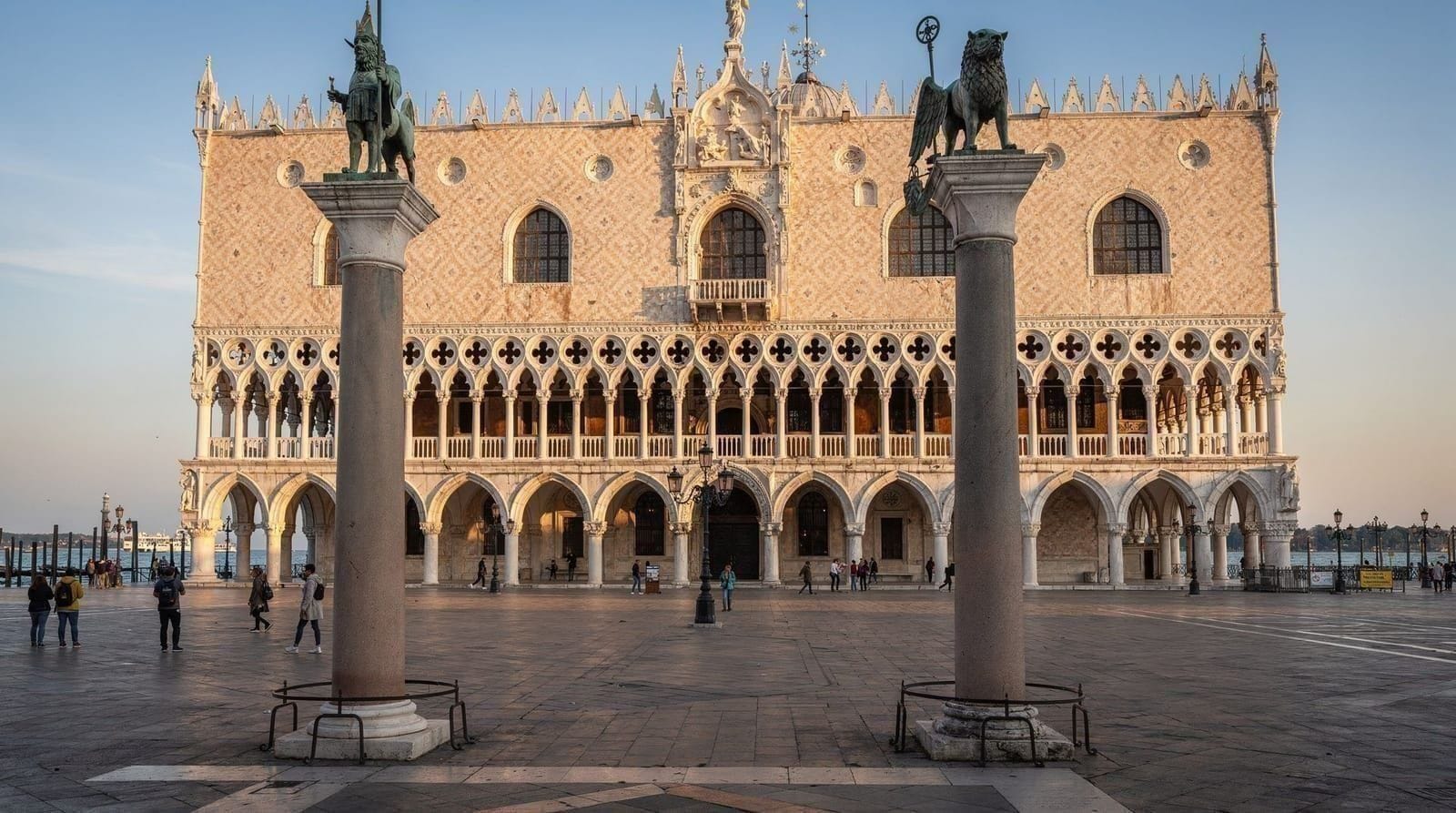
This is usually the hinge point of the pass decision. At €30 for a skip-the-line ticket with audioguide, it’s the single most expensive individual attraction in Venice. The Doge’s Palace is also genuinely one of the great buildings in Europe — the Secret Itineraries route through the attic passages and prison cells is especially worth the time.
The Secret Itineraries tour is a separate product from the standard entry and sells out days in advance in spring and summer. Book it independently regardless of your pass decision.
Doge’s Palace secret itineraries tourThe Accademia and Peggy Guggenheim problem
Both of these excellent museums are outside the civic museum system, meaning neither the City Pass nor the Museum Pass covers them. If your Venice visit is primarily art-focused — and it might be, because the Accademia’s collection of Bellini, Titian, Veronese, and Tintoretto is extraordinary — you’re buying individual tickets regardless of pass choice.
The Accademia Gallery guide has the collection highlights if you want to prioritise before visiting.
Transport pass: separate question
The vaporetto is expensive — €9.50 for a 75-minute single, €25 for 24 hours, €35 for 48 hours, €45 for 72 hours. If you’re based near San Marco or within walking distance of your main sights, the transport pass may not pay for itself. Venice is walkable in a way that people often underestimate before arriving.
That said: if you’re visiting Murano or Burano — both of which require a significant boat journey — the 72-hour pass almost always justifies itself. Two island day trips plus standard use within the city will run past €45 in single tickets without much effort.
If you’d rather not calculate single tickets versus a pass at all, a combined island and transport day gets bundled into some guided tours, which sidesteps the arithmetic entirely for that portion of the trip.
Murano and Burano half-day island tour by boatWhat to do about the Basilica
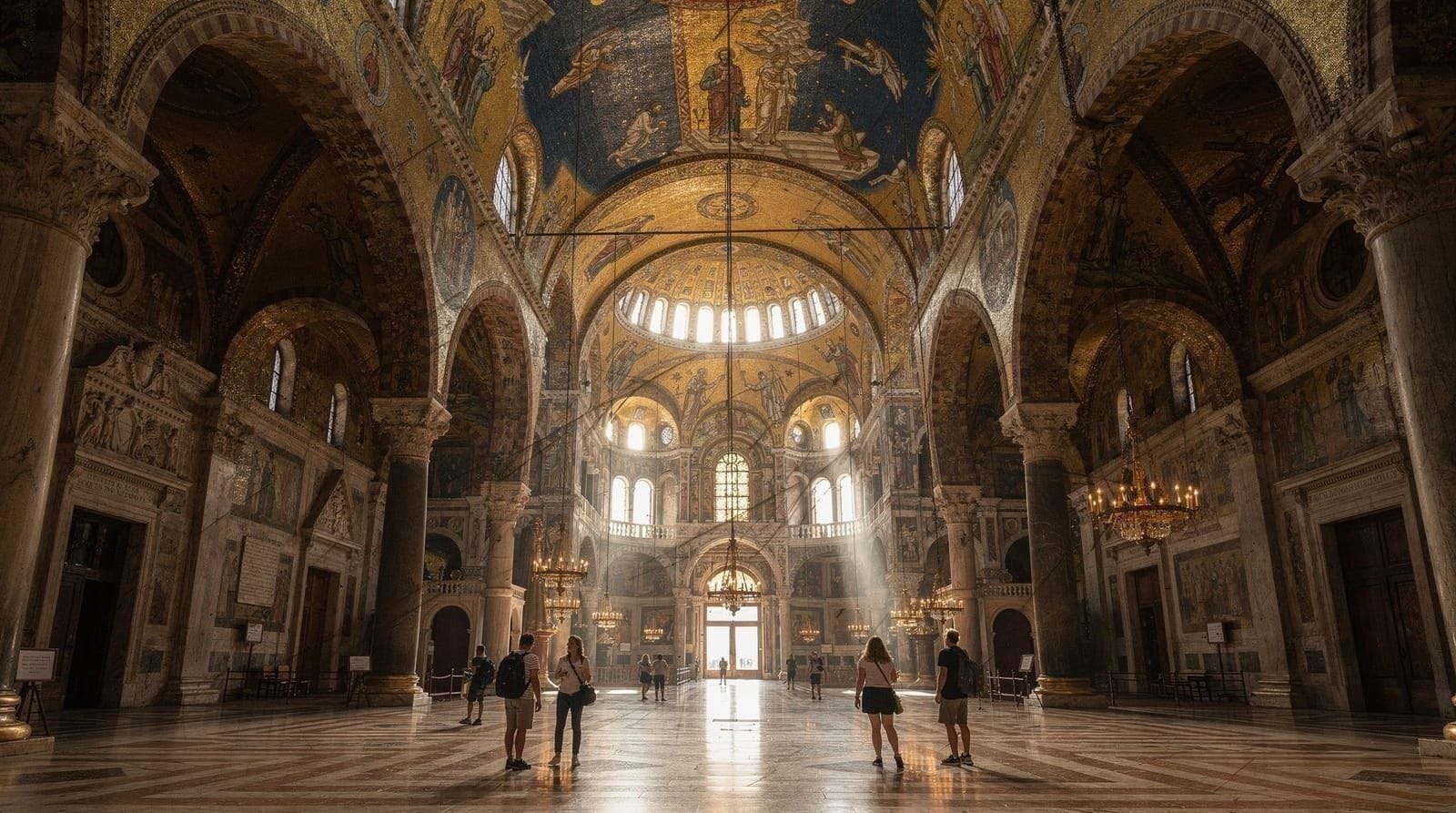
St Mark’s Basilica is free entry — it’s an active church of the Roman Catholic archdiocese of Venice and charges no admission as a matter of principle. However, there’s a separate timed skip-the-line entry that costs €4 and is worth every cent in peak season, because the standard queue can take an hour and a half.
The Basilica is not part of any pass. Buy the timed entry independently through the official Basilica website (book several days in advance in summer). This €4 ticket means you arrive at your allocated time and walk straight in — no waiting in the sun behind a crowd whose mood is deteriorating visibly.
If you want access to the upstairs gallery (terrace views, the original horses) or the Treasury or Pala d’Oro, those are additional small charges: €7 to €10 each. None of these are covered by any pass.
The church pass: a specific case for culture-focused visitors
The Chorus Pass covers fifteen churches across Venice — not the major tourist churches but the ones where genuine art lives in context. The Frari (Santa Maria Gloriosa dei Frari) in San Polo contains Titian’s Assumption and his tomb, and is genuinely one of the greatest interiors in Venice. The Gesuati in Dorsoduro has Tiepolo ceiling frescoes. Santa Maria dei Miracoli in Cannaregio is a fifteenth-century Renaissance jewel box.
Each individual Chorus church charges €3 entry. The pass is €15. Five churches and you’ve broken even. If you’re visiting Venice primarily for the art and architecture — if Bellini altarpieces and Tintoretto cycles are the reason you booked the trip — the Chorus Pass is the best-value product on this list.
The Chorus Pass does not include the two main non-Chorus churches (the Frari is Chorus; the Salute and the Redentore are on a separate foundation). It also doesn’t include the Basilica, which is free anyway. But for fifteen churches in a city where the art in the churches often equals the art in the museums, €15 is a straightforward yes.
The honest scorecard
Here’s where each pass category actually makes sense:
Venezia Unica comprehensive pass (transport + civic museums + church pass): Best value for a visitor who will: stay at least three days, take the vaporetto frequently, visit Doge’s Palace and at least two other civic museums, and visit four or more Chorus churches. This is a specific visitor — probably someone on a longer cultural trip. For a standard tourist weekend, it’s more coverage than you’ll use.
Musei Civici pass only (€30): Best for visitors who are primarily museum-going, won’t be relying on the vaporetto, and will visit at least two civic museums beyond Doge’s Palace. If you’re just going to the Doge’s Palace, buy the individual skip-the-line ticket — it’s actually cheaper than the museum pass and includes a better audioguide.
Chorus Pass (€15): Best for art-focused visitors. Buy it if you’re planning to see four or more Chorus churches. Skip it otherwise.
Vaporetto pass (standalone): Buy the 72-hour version if you’re visiting either Murano or Burano in addition to your Venice itinerary, or if your hotel is far from the main sights and you’ll be using the boats multiple times per day. Skip it if you’re staying in the heart of Venice and can walk everywhere — which is more often true than visitors expect.
Our honest conclusion
For a three-day Venice trip with one island visit and two major sights: the City Pass with 72-hour transport is worth it, narrowly.
For a shorter visit (two days) or a visit where you’re mainly walking and eating rather than museum-hopping: buy individual tickets and don’t over-plan.
For a longer visit or serious art tourism: buy individual tickets for the civic museums, get the Chorus Pass for churches, and use the vaporetto pass if the island arithmetic works.
The Venice tickets and passes guide has the complete breakdown including the church pass, the Basilica timed entry, and current 2026 prices. The passes change periodically, so check current availability before committing.
The skip-the-line comparison guide specifically addresses the Basilica entry question if that’s the one you’re wrestling with. For the Doge’s Palace, the short answer is always yes — book in advance regardless of what pass decision you make.
The pass industry in Venice is not a scam. But it is a product that benefits from you not looking too carefully at what you actually need versus what you’re paying for. Look carefully. Do the arithmetic.
A worked example for a family of four
The arithmetic changes with group size in ways that aren’t always obvious. A family of four doing Doge’s Palace, Correr, Accademia and one church, plus a 72-hour transport pass, would pay roughly €420 in individual tickets (children’s discounts on some sights bring this down somewhat). The equivalent City Pass bundles for four people run closer to €340–360, since the transport saving multiplies per person. For families planning three or more days with real museum and vaporetto use, the pass gap widens in the pass’s favour compared with a couple doing the same trip — worth recalculating rather than assuming the two-person numbers above scale evenly.
If you’re only doing two days
Two days changes the calculation more than any other variable. With only two days, you simply can’t use enough of a comprehensive pass to break even — you’d need to hit the Doge’s Palace, two more museums, several churches, and heavy vaporetto use inside 48 hours, which is a rushed, checklist kind of trip rather than an enjoyable one. For two days, our clear recommendation is: buy the Doge’s Palace ticket individually, buy the Basilica timed entry, walk instead of relying on the vaporetto if your hotel allows it, and skip the bundled passes entirely. The first-time Venice guide has the fuller two-day priority list.